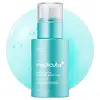
This smoothing serum is formulated around Niacinamide and Azelaic Acid to refine skin texture and clear breakouts.
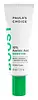
This calming treatment is formulated around Azelaic Acid and Salicylic Acid to calm redness and fade the look of dark spots.


What's inside
What's inside
 Key Ingredients
Benefits
Concerns
Ingredients Side-by-side
Water
Skin ConditioningDipropylene Glycol
HumectantNiacinamide
Smoothing











Glycerin
Humectant
Hydrolyzed Sponge
Skin ConditioningSodium Polyacrylate
Absorbent
Hydroxyacetophenone
Antioxidant
1,2-Hexanediol
Skin Conditioning
Cetearyl Olivate


Hydrogenated Polydecene
EmollientMelia Azadirachta Leaf Extract
Skin ConditioningSorbitan Olivate
Emulsifying
Melia Azadirachta Flower Extract
Skin ConditioningEthylhexylglycerin
Skin ConditioningCoccinia Indica Fruit Extract
Skin Conditioning
Adenosine
Skin Conditioning
Calcium Aluminum Borosilicate
Caprylyl/Capryl Glucoside
CleansingDisodium EDTA
ChelatingAloe Barbadensis Flower Extract
EmollientSolanum Melongena Fruit Extract
Skin ConditioningAzelaic Acid
Buffering
Ocimum Sanctum Leaf Extract
Skin ConditioningGardenia Florida Fruit Extract
Skin ConditioningLactobacillus Extracellular Vesicles
Corallina Officinalis Extract
Skin Conditioning

Curcuma Longa Root Extract
Antioxidant
Dextrin
AbsorbentButylene Glycol
Humectant
Betaine Salicylate
Antimicrobial

Citric Acid
Buffering
Dipotassium Glycyrrhizate
Humectant
Milk Exosomes
EmollientPanthenol
Skin Conditioning
Campsis Grandiflora Flower Extract
Antioxidant
Centella Asiatica Extract
Cleansing
Centella Asiatica Leaf Extract
Skin Conditioning
Centella Asiatica Root Extract
Skin Conditioning
Saccharomyces Ferment
Skin Conditioning
Dimethylsilanol Hyaluronate
Humectant
Hydrolyzed Hyaluronic Acid
Humectant
Hydrolyzed Sodium Hyaluronate
Skin Conditioning
Hyaluronic Acid
Humectant
Potassium Hyaluronate
Skin ConditioningSodium Hyaluronate
Humectant
Hydroxypropyltrimonium Hyaluronate
Sodium Hyaluronate Crosspolymer
Humectant
Sodium Hyaluronate Dimethylsilanol
HumectantSodium Acetylated Hyaluronate
Humectant
Asiaticoside
Antioxidant
Madecassoside
Antioxidant
Asiatic Acid
Skin Conditioning
Madecassic Acid
Skin Conditioning
Water, Dipropylene Glycol, Niacinamide, Glycerin, Hydrolyzed Sponge, Sodium Polyacrylate, Hydroxyacetophenone, 1,2-Hexanediol, Cetearyl Olivate, Hydrogenated Polydecene, Melia Azadirachta Leaf Extract, Sorbitan Olivate, Melia Azadirachta Flower Extract, Ethylhexylglycerin, Coccinia Indica Fruit Extract, Adenosine, Calcium Aluminum Borosilicate, Caprylyl/Capryl Glucoside, Disodium EDTA, Aloe Barbadensis Flower Extract, Solanum Melongena Fruit Extract, Azelaic Acid, Ocimum Sanctum Leaf Extract, Gardenia Florida Fruit Extract, Lactobacillus Extracellular Vesicles, Corallina Officinalis Extract, Curcuma Longa Root Extract, Dextrin, Butylene Glycol, Betaine Salicylate, Citric Acid, Dipotassium Glycyrrhizate, Milk Exosomes, Panthenol, Campsis Grandiflora Flower Extract, Centella Asiatica Extract, Centella Asiatica Leaf Extract, Centella Asiatica Root Extract, Saccharomyces Ferment, Dimethylsilanol Hyaluronate, Hydrolyzed Hyaluronic Acid, Hydrolyzed Sodium Hyaluronate, Hyaluronic Acid, Potassium Hyaluronate, Sodium Hyaluronate, Hydroxypropyltrimonium Hyaluronate, Sodium Hyaluronate Crosspolymer, Sodium Hyaluronate Dimethylsilanol, Sodium Acetylated Hyaluronate, Asiaticoside, Madecassoside, Asiatic Acid, Madecassic Acid
Water
Skin ConditioningAzelaic Acid
Buffering
C12-15 Alkyl Benzoate
AntimicrobialCaprylic/Capric Triglyceride
Masking
Methyl Glucose Sesquistearate
Emollient
Glycerin
Humectant
Cetearyl Alcohol
Emollient

Glyceryl Stearate
Emollient
Dimethicone
Emollient
Salicylic Acid
Masking

Adenosine
Skin Conditioning
Glycyrrhiza Glabra Root Extract
Bleaching
Boerhavia Diffusa Root Extract
Skin Protecting
Allantoin
Skin Conditioning
Bisabolol
Antioxidant
Cyclopentasiloxane
Emollient
Xanthan Gum
EmulsifyingSclerotium Gum
Emulsion StabilisingPropanediol
Solvent
Butylene Glycol
Humectant
Phenoxyethanol
Preservative
Water, Azelaic Acid, C12-15 Alkyl Benzoate, Caprylic/Capric Triglyceride, Methyl Glucose Sesquistearate, Glycerin, Cetearyl Alcohol, Glyceryl Stearate, Dimethicone, Salicylic Acid, Adenosine, Glycyrrhiza Glabra Root Extract, Boerhavia Diffusa Root Extract, Allantoin, Bisabolol, Cyclopentasiloxane, Xanthan Gum, Sclerotium Gum, Propanediol, Butylene Glycol, Phenoxyethanol
Reviews
Ingredients Explained
These ingredients are found in both products.
Ingredients higher up in an ingredient list are typically present in a larger amount.
Adenosine is a purine nucleoside that your body already makes in every cell. In skincare, it acts mainly as a skin conditioning and anti-aging agent.
The way it works is fairly well mapped out:
Your skin has cells called fibroblasts that build collagen (the stuff that keeps skin firm and smooth). Adenosine basically flips a switch on these cells that tells them to get to work making more collagen and other proteins. These cells slow down on their own as skin ages, so Adenosine helps give them a little nudge to keep going.
The clinical backing is pretty solid too.
A blind, randomized, placebo-controlled trial of 126 women aged 45-65 tested a 0.1% cream twice daily and found real improvements in crow's feet and frown lines using a precise 3D skin-mapping technique; these changes showed up by week 3 and held at 2 months.
A later study using Adenosine-loaded dissolving microneedle patches reported gains in wrinkle depth, dermal density, elasticity, and hydration.
On concentrations, South Korea's Ministry of Food and Drug Safety has set 0.04% as the approved functional anti-wrinkle level. You'll typically see this ingredient used somewhere in the 0.04-0.1% range since it works at low doses.
This ingredient has been found safe for cosmetics with the data showing no irritation or sensitization.
Overall, this is a great ingredient for any anti-aging routine and has no photosensitizing effect, so it suits both AM and PM use.
Learn more about AdenosineAzelaic acid is a multitasker ingredient that helps treat acne, pigmentation, and irritation. It is a great option for sensitive skin.
What makes it special?
OTC Azelaic acid is usually available in concentrations from 10-15% and anything over requires a prescription.
Here's what each tier does best:
Unlike other acids, azelaic acid will not make your skin more photosensitive/sun sensitive.
Though this ingredient is naturally occurring in grains like wheat, rye, and barley, it is usually synthetically created for cosmetics to ensure stability and effectiveness.
Learn more about Azelaic AcidButylene Glycol (or BG) is used within cosmetic products for a few different reasons:
Overall, Butylene Glycol is a safe and well-rounded ingredient that works well with other ingredients.
Though this ingredient works well with most skin types, some people with sensitive skin may experience a reaction such as allergic rashes, closed comedones, or itchiness.
Learn more about Butylene GlycolGlycerin (or glycerol) is a compound naturally found in your skin. It's a powerhouse humectant that pulls water into the stratum corneum.
Topically, glycerin does several things at once:
Your skin makes glycerin on its own (mostly from sebaceous oil breakdown) and shuttles it to your outermost layer of skin, or your epidermis, via aquaporin-3.
Aquaporin-3 is a transporter that is essential for normal skin hydration, elasticity, and repair. Interestingly, mice lacking in AQP3 have dry and less elastic skin that can be fully corrected with glycerin.
This ingredient is non-irritating, plays well with almost every ingredient, and works across all skin types. Typical use is anywhere between 3-10% but can go up to 79% in some leave-on products.
Just know very high concentrations (>40%) can feel tacky in low humidity.
Glycerin is the name for this ingredient in American English. British English uses Glycerol/Glycerine.
Learn more about GlycerinWater. It's the most common cosmetic ingredient of all. You'll usually see it at the top of ingredient lists, meaning that it makes up the largest part of the product.
So why is it so popular? Water most often acts as a solvent - this means that it helps dissolve other ingredients into the formulation.
You'll also recognize water as that liquid we all need to stay alive. If you see this, drink a glass of water. Remember to stay hydrated!
Learn more about Water

