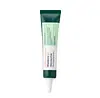
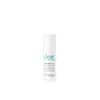
Madeca21 Teca Solution Soothing Spot Gel Versus Philosophy Clear Days Ahead Fast-Acting Salicylic Acid Acne Spot Treatment
This calming treatment is formulated around Panthenol and Salicylic Acid to calm redness and clear breakouts.
This acne treatment is formulated around Salicylic Acid and Glycolic Acid to clear breakouts and refine the look of pores.


What's inside
What's inside
 Key Ingredients
Benefits
Concerns
Ingredients Side-by-side
Water
Skin ConditioningButylene Glycol
Humectant

1,2-Hexanediol
Skin Conditioning
Dipropylene Glycol
HumectantEthoxydiglycol
HumectantPropanediol
Solvent
Sodium Polyacryloyldimethyl Taurate
Emulsion StabilisingBetaine
Humectant
Panthenol
Skin Conditioning

Pentylene Glycol
Skin Conditioning
Glycerin
Humectant
Ammonium Acryloyldimethyltaurate/Vp Copolymer
C12-14 Alketh-12
EmulsifyingAcrylates/C10-30 Alkyl Acrylate Crosspolymer
Emulsion StabilisingChlorella Vulgaris Extract
Skin ConditioningGlucose
Humectant
Tromethamine
BufferingXanthan Gum
EmulsifyingFructooligosaccharides
Humectant
Fructose
Humectant
Salicylic Acid
Masking










Ethylhexylglycerin
Skin ConditioningDipotassium Glycyrrhizate
Humectant
Ectoin
Skin Conditioning

Parfum
Masking

Hydroxyacetophenone
Antioxidant
Sodium Hyaluronate
Humectant
Sodium Phytate
ChelatingCeteareth-20
Cleansing
Beta-Glucan
Skin Conditioning
Hydrogenated Lecithin
Emulsifying
Centella Asiatica Extract
Cleansing
Asiaticoside
Antioxidant
Madecassic Acid
Skin Conditioning
Asiatic Acid
Skin Conditioning
Tocopherol
Antioxidant

Buddleja Davidii Extract
Skin ConditioningThymus Vulgaris Flower/Leaf Extract
MaskingBrassica Oleracea Capitata Leaf Extract
Skin ConditioningBrassica Oleracea Italica Extract
AstringentMedicago Sativa Extract
TonicTriticum Vulgare Sprout Extract
Skin ConditioningBrassica Campestris Extract
Skin ConditioningRaphanus Sativus Seed Extract
Skin ConditioningWater, Butylene Glycol, 1,2-Hexanediol, Dipropylene Glycol, Ethoxydiglycol, Propanediol, Sodium Polyacryloyldimethyl Taurate, Betaine, Panthenol, Pentylene Glycol, Glycerin, Ammonium Acryloyldimethyltaurate/Vp Copolymer, C12-14 Alketh-12, Acrylates/C10-30 Alkyl Acrylate Crosspolymer, Chlorella Vulgaris Extract, Glucose, Tromethamine, Xanthan Gum, Fructooligosaccharides, Fructose, Salicylic Acid, Ethylhexylglycerin, Dipotassium Glycyrrhizate, Ectoin, Parfum, Hydroxyacetophenone, Sodium Hyaluronate, Sodium Phytate, Ceteareth-20, Beta-Glucan, Hydrogenated Lecithin, Centella Asiatica Extract, Asiaticoside, Madecassic Acid, Asiatic Acid, Tocopherol, Buddleja Davidii Extract, Thymus Vulgaris Flower/Leaf Extract, Brassica Oleracea Capitata Leaf Extract, Brassica Oleracea Italica Extract, Medicago Sativa Extract, Triticum Vulgare Sprout Extract, Brassica Campestris Extract, Raphanus Sativus Seed Extract
Salicylic Acid 2%
Masking
Water
Skin ConditioningDimethicone
Emollient
Isododecane
EmollientAlcohol Denat.
Antimicrobial
Polysilicone-11
Glycereth-7 Trimethyl Ether
Skin ConditioningPropanediol
Solvent
Glycolic Acid
Buffering

Polyacrylamide
Isopropyl Myristate
Emollient

Coco-Caprylate/Caprate
Emollient
Ethoxydiglycol
HumectantC13-14 Isoparaffin
Emollient
Sodium Acrylates Copolymer
Trimethylpentanediol/Adipic Acid Copolymer
Skin ConditioningSodium Hydroxide
BufferingButylene Glycol
Humectant
Laureth-7
EmulsifyingBisabolol
Antioxidant
Decyl Glucoside
Cleansing
Lecithin
Emollient
Lauryl Glucoside
CleansingDisodium EDTA
ChelatingLaureth-12
EmulsifyingPhenoxyethanol
Preservative
Caprylyl Glycol
Emollient
Hexylene Glycol
EmulsifyingEthylhexylglycerin
Skin ConditioningFarnesol
Perfuming
Salicylic Acid 2%, Water, Dimethicone, Isododecane, Alcohol Denat., Polysilicone-11, Glycereth-7 Trimethyl Ether, Propanediol, Glycolic Acid, Polyacrylamide, Isopropyl Myristate, Coco-Caprylate/Caprate, Ethoxydiglycol, C13-14 Isoparaffin, Sodium Acrylates Copolymer, Trimethylpentanediol/Adipic Acid Copolymer, Sodium Hydroxide, Butylene Glycol, Laureth-7, Bisabolol, Decyl Glucoside, Lecithin, Lauryl Glucoside, Disodium EDTA, Laureth-12, Phenoxyethanol, Caprylyl Glycol, Hexylene Glycol, Ethylhexylglycerin, Farnesol
Reviews
Ingredients Explained
These ingredients are found in both products.
Ingredients higher up in an ingredient list are typically present in a larger amount.
Butylene Glycol (or BG) is used within cosmetic products for a few different reasons:
Overall, Butylene Glycol is a safe and well-rounded ingredient that works well with other ingredients.
Though this ingredient works well with most skin types, some people with sensitive skin may experience a reaction such as allergic rashes, closed comedones, or itchiness.
Learn more about Butylene GlycolEthoxydiglycol (aka Diethylene Glycol Monoethyl Ether) is one of the cosmetic world's quiet problem solvers.
In a formula, it is a solvent that dissolves tricky ingredients that don't want to mix in and helps spread ingredients evenly across your skin without leaving a greasy or sticky feeling
This makes it great for hard-to-dissolve actives like vitamin C, benzoyl peroxide, and self-tanner DHA.
It also has mild humectant and penetration enhancer abilities so it can help some actives absorb a little deeper.
The penetration boost is backed by lab research: studies using human skin samples found it improved how well an active dissolves into the upper layer of skin rather than tearing down your skin barrier. Reviews of its mechanism also describe it interacting gently with the lipids and water in your outermost layer of skin.
Just know this penetration-enhancing effect is not universal. It helps a lot in some formulas and did very little in others (so the benefit really depends on the specific product).
Safety-wise, the evidence is reassuring. The Cosmetic Ingredient Review Expert Panel reviewed it and concluded it's safe for use in cosmetics and recognized it as non-irritating, non-sensitizing, and non-comedogenic in skincare.
Typical leave-on skincare usage lands around 1-10%. The EU has sets caps of 2.6% in non-spray products, 10% in rinse-offs, 7% in oxidative hair dye, and 5% in non-oxidative hair dye.
Learn more about EthoxydiglycolEthylhexylglycerin is created from glycerin. It is a multitasker ingredient that:
The CIR Expert Panel found minimal skin absorption or sensitization of any kind in a safety assessment. Though this ingredient is considered well-tolerated, a small number of cases of allergic dermatitis have been published since 2002. Just be sure to patch test if you are unsure.
Industry-reported use ranges from 8% in rinse-off products and 2% in leave-on formulations.
Learn more about EthylhexylglycerinPropanediol is an all-star ingredient. It softens, hydrates, and smooths the skin.
It’s often used to:
Propanediol is not likely to cause sensitivity and considered safe to use. It is derived from corn or petroleum with a clear color and no scent.
Learn more about PropanediolSalicylic Acid (also known as beta hydroxy acid or BHA) is a well-known ingredient for treating skin that struggles with acne and clogged pores. It exfoliates both the skin's surface and deep within the pores to help clear out buildup, control oil, and reduce inflammation.
Unlike AHAs (alpha hydroxy acids), salicylic acid is oil-soluble. This allows it to penetrate into pores which makes it especially effective for treating blackheads and preventing future breakouts.
Salicylic acid is also known for its soothing properties. It has a similar structure to aspirin and can calm inflamed or irritated skin, making it a good option for acne-prone skin that is also sensitive.
Concentrations of 0.5-2% are recognized by the U.S. FDA as an over-the-counter topical acne product.
It can cause irritation and/or dryness if one's skin already has a compromised moisture barrier, so it's best to focus on repairing that before introducing this ingredient into your routine.
While salicylic acid does not increase sun sensitivity, it’s still important to wear sunscreen daily to protect your skin.
If you are looking for the ingredient called BHA or Butylated Hydroxyanisole, click here.
Learn more about Salicylic AcidWater. It's the most common cosmetic ingredient of all. You'll usually see it at the top of ingredient lists, meaning that it makes up the largest part of the product.
So why is it so popular? Water most often acts as a solvent - this means that it helps dissolve other ingredients into the formulation.
You'll also recognize water as that liquid we all need to stay alive. If you see this, drink a glass of water. Remember to stay hydrated!
Learn more about Water

