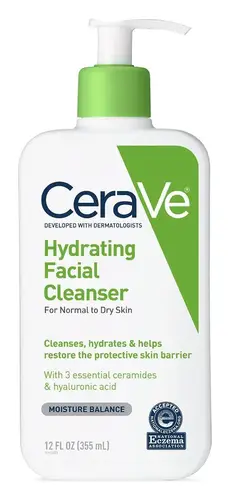
This brightening night moisturizer is formulated around Tetrahexyldecyl Ascorbate and Magnesium Ascorbyl Phosphate to brighten dull-looking skin.
This brightening night moisturizer is formulated around Sodium Ascorbyl Phosphate and Glycyrrhiza Glabra Root Extract to brighten dull-looking skin and fade the look of dark spots.

What's inside
What's inside
 Key Ingredients
Benefits
Concerns
Ingredients Side-by-side
Water
Skin ConditioningCarthamus Tinctorius Seed Oil
Masking



Isopropyl Palmitate
Emollient


Tetrahexyldecyl Ascorbate
Antioxidant






Magnesium Ascorbyl Phosphate
Antioxidant
Ascorbyl Glucoside
Antioxidant
Cetyl Alcohol
Emollient

Glycerin
Humectant
Polyglyceryl-2 Stearate
Emulsifying
Glyceryl Stearate
Emollient
Stearyl Alcohol
Emollient
Stearic Acid
Cleansing
Inonotus Obliquus Extract
Skin ConditioningGanoderma Lucidum Extract
Skin Protecting
Butyrospermum Parkii Butter
Skin Conditioning
Phenethyl Alcohol
MaskingCaprylyl Glycol
Emollient
Ethylhexylglycerin
Skin ConditioningCalendula Officinalis Flower Extract
Masking

Rubus Chamaemorus Fruit Extract
Antioxidant
Ribes Nigrum Seed Oil
Emollient
Squalane
Emollient
Sodium PCA
Humectant
Xanthan Gum
EmulsifyingCitrus Aurantium Dulcis Peel Oil
Masking
Hyaluronic Acid
Humectant
Tocotrienols
Skin Conditioning
Curcuma Longa Root Extract
Antioxidant
Chlorella Pyrenoidosa Extract
Skin ConditioningAllantoin
Skin Conditioning
Ceramide NP
Skin Conditioning
Riboflavin
Cosmetic ColorantWater, Carthamus Tinctorius Seed Oil, Isopropyl Palmitate, Tetrahexyldecyl Ascorbate, Magnesium Ascorbyl Phosphate, Ascorbyl Glucoside, Cetyl Alcohol, Glycerin, Polyglyceryl-2 Stearate, Glyceryl Stearate, Stearyl Alcohol, Stearic Acid, Inonotus Obliquus Extract, Ganoderma Lucidum Extract, Butyrospermum Parkii Butter, Phenethyl Alcohol, Caprylyl Glycol, Ethylhexylglycerin, Calendula Officinalis Flower Extract, Rubus Chamaemorus Fruit Extract, Ribes Nigrum Seed Oil, Squalane, Sodium PCA, Xanthan Gum, Citrus Aurantium Dulcis Peel Oil, Hyaluronic Acid, Tocotrienols, Curcuma Longa Root Extract, Chlorella Pyrenoidosa Extract, Allantoin, Ceramide NP, Riboflavin
Water
Skin ConditioningCaprylic/Capric Triglyceride
Masking
Sodium Ascorbyl Phosphate
Antioxidant
Glycerin
Humectant
Sodium Hyaluronate
Humectant
Cetyl Alcohol
Emollient
Ethylhexyl Palmitate
Emollient
Cetearyl Alcohol
Emollient
Cetearyl Glucoside
Emulsifying
Cetyl Palmitate
Emollient
Sorbitan Palmitate
Emulsifying
Sorbitan Oleate
Emulsifying
Diheptyl Succinate
EmollientCapryloyl Glycerin/Sebacic Acid Copolymer
Skin ConditioningPseudozyma Epicola/Nitrosomonas Europaea/Oil Ferment Filtrate
Skin Conditioning
Prunus Armeniaca Kernel Oil
Masking
Helianthus Annuus Seed Oil
Emollient
Prunus Amygdalus Dulcis Oil
Skin Conditioning
Enterococcus Faecium/Saururus Chinensis Extract Ferment Filtrate
EmollientAspalathus Linearis Leaf Extract
Skin ConditioningGlycyrrhiza Glabra Root Extract
Bleaching
Rosa Canina Fruit Oil
Emollient
Camellia Sinensis Leaf Extract
Antimicrobial
Olea Europaea Fruit Oil
Masking
Retinyl Palmitate
Skin Conditioning
Panthenol
Skin Conditioning
Tocopheryl Acetate
Antioxidant
Xanthan Gum
EmulsifyingPotassium Sorbate
Preservative
Phenoxyethanol
Preservative
Ethylhexylglycerin
Skin ConditioningParfum
Masking

Water, Caprylic/Capric Triglyceride, Sodium Ascorbyl Phosphate, Glycerin, Sodium Hyaluronate, Cetyl Alcohol, Ethylhexyl Palmitate, Cetearyl Alcohol, Cetearyl Glucoside, Cetyl Palmitate, Sorbitan Palmitate, Sorbitan Oleate, Diheptyl Succinate, Capryloyl Glycerin/Sebacic Acid Copolymer, Pseudozyma Epicola/Nitrosomonas Europaea/Oil Ferment Filtrate, Prunus Armeniaca Kernel Oil, Helianthus Annuus Seed Oil, Prunus Amygdalus Dulcis Oil, Enterococcus Faecium/Saururus Chinensis Extract Ferment Filtrate, Aspalathus Linearis Leaf Extract, Glycyrrhiza Glabra Root Extract, Rosa Canina Fruit Oil, Camellia Sinensis Leaf Extract, Olea Europaea Fruit Oil, Retinyl Palmitate, Panthenol, Tocopheryl Acetate, Xanthan Gum, Potassium Sorbate, Phenoxyethanol, Ethylhexylglycerin, Parfum
Reviews
Ingredients Explained
These ingredients are found in both products.
Ingredients higher up in an ingredient list are typically present in a larger amount.
Cetyl Alcohol is a fatty alcohol. Fatty Alcohols are most often used as an emollient or to thicken a product.
Its main roles are:
Though it has "alcohol" in the name, it is not related to denatured alcohol or ethyl alcohol.
The FDA allows products labeled "alcohol-free" to have fatty alcohols.
This ingredient may not be fungal acne safe. It is a primary fatty alcohol with a chain length above 12 carbons. A study from 2019 show Malassezia can feed on fatty alcohols in this range, so it may trigger fungal acne in those prone to it.
Learn more about Cetyl AlcoholEthylhexylglycerin is created from glycerin. It is a multitasker ingredient that:
The CIR Expert Panel found minimal skin absorption or sensitization of any kind in a safety assessment. Though this ingredient is considered well-tolerated, a small number of cases of allergic dermatitis have been published since 2002. Just be sure to patch test if you are unsure.
Industry-reported use ranges from 8% in rinse-off products and 2% in leave-on formulations.
Learn more about EthylhexylglycerinGlycerin (or glycerol) is a compound naturally found in your skin. It's a powerhouse humectant that pulls water into the stratum corneum.
Topically, glycerin does several things at once:
Your skin makes glycerin on its own (mostly from sebaceous oil breakdown) and shuttles it to your outermost layer of skin, or your epidermis, via aquaporin-3.
Aquaporin-3 is a transporter that is essential for normal skin hydration, elasticity, and repair. Interestingly, mice lacking in AQP3 have dry and less elastic skin that can be fully corrected with glycerin.
This ingredient is non-irritating, plays well with almost every ingredient, and works across all skin types. Typical use is anywhere between 3-10% but can go up to 79% in some leave-on products.
Just know very high concentrations (>40%) can feel tacky in low humidity.
Glycerin is the name for this ingredient in American English. British English uses Glycerol/Glycerine.
Learn more about GlycerinWater. It's the most common cosmetic ingredient of all. You'll usually see it at the top of ingredient lists, meaning that it makes up the largest part of the product.
So why is it so popular? Water most often acts as a solvent - this means that it helps dissolve other ingredients into the formulation.
You'll also recognize water as that liquid we all need to stay alive. If you see this, drink a glass of water. Remember to stay hydrated!
Learn more about WaterXanthan gum is used as a stabilizer and thickener within cosmetic products. It helps give products a sticky, thick feeling - preventing them from being too runny.
On the technical side of things, xanthan gum is a polysaccharide - a combination consisting of multiple sugar molecules bonded together.
Xanthan gum is a pretty common and great ingredient. It is a natural, non-toxic, non-irritating ingredient that is also commonly used in food products.
Learn more about Xanthan Gum