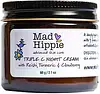
This brightening night moisturizer is formulated around Tetrahexyldecyl Ascorbate and Magnesium Ascorbyl Phosphate to brighten dull-looking skin.
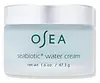
This calming moisturizer is formulated around Squalane and Lactobacillus Ferment to calm redness and hydrate skin.

What's inside
What's inside
 Key Ingredients
Benefits
Concerns
Ingredients Side-by-side
Water
Skin ConditioningCarthamus Tinctorius Seed Oil
Masking



Isopropyl Palmitate
Emollient


Tetrahexyldecyl Ascorbate
Antioxidant






Magnesium Ascorbyl Phosphate
Antioxidant
Ascorbyl Glucoside
Antioxidant
Cetyl Alcohol
Emollient

Glycerin
Humectant
Polyglyceryl-2 Stearate
Emulsifying
Glyceryl Stearate
Emollient
Stearyl Alcohol
Emollient
Stearic Acid
Cleansing
Inonotus Obliquus Extract
Skin ConditioningGanoderma Lucidum Extract
Skin Protecting
Butyrospermum Parkii Butter
Skin Conditioning
Phenethyl Alcohol
MaskingCaprylyl Glycol
Emollient
Ethylhexylglycerin
Skin ConditioningCalendula Officinalis Flower Extract
Masking

Rubus Chamaemorus Fruit Extract
Antioxidant
Ribes Nigrum Seed Oil
Emollient
Squalane
Emollient
Sodium PCA
Humectant
Xanthan Gum
EmulsifyingCitrus Aurantium Dulcis Peel Oil
Masking
Hyaluronic Acid
Humectant
Tocotrienols
Skin Conditioning
Curcuma Longa Root Extract
Antioxidant
Chlorella Pyrenoidosa Extract
Skin ConditioningAllantoin
Skin Conditioning
Ceramide NP
Skin Conditioning
Riboflavin
Cosmetic ColorantWater, Carthamus Tinctorius Seed Oil, Isopropyl Palmitate, Tetrahexyldecyl Ascorbate, Magnesium Ascorbyl Phosphate, Ascorbyl Glucoside, Cetyl Alcohol, Glycerin, Polyglyceryl-2 Stearate, Glyceryl Stearate, Stearyl Alcohol, Stearic Acid, Inonotus Obliquus Extract, Ganoderma Lucidum Extract, Butyrospermum Parkii Butter, Phenethyl Alcohol, Caprylyl Glycol, Ethylhexylglycerin, Calendula Officinalis Flower Extract, Rubus Chamaemorus Fruit Extract, Ribes Nigrum Seed Oil, Squalane, Sodium PCA, Xanthan Gum, Citrus Aurantium Dulcis Peel Oil, Hyaluronic Acid, Tocotrienols, Curcuma Longa Root Extract, Chlorella Pyrenoidosa Extract, Allantoin, Ceramide NP, Riboflavin
Water
Skin ConditioningGlycerin
Humectant
Caprylic/Capric Triglyceride
Masking
Squalane
Emollient
Isoamyl Laurate
Emollient
Undecane
EmollientCetearyl Alcohol
Emollient
Hectorite
AbsorbentCetearyl Olivate
Sorbitan Olivate
Emulsifying
Glyceryl Caprylate
EmollientUndaria Pinnatifida Extract
Skin ConditioningTremella Fuciformis Polysaccharide
Emulsion Stabilising
Hyaluronic Acid
Humectant
Betulin
Skin ConditioningTocopherol
Antioxidant
Pavlova Lutheri Extract
Skin ConditioningTerminalia Ferdinandiana Fruit Extract
Antioxidant
Laminaria Ochroleuca Extract
Skin Conditioning
Bisabolol
Antioxidant
Calendula Officinalis Flower Extract
Masking
Brassica Oleracea Italica Extract
AstringentZingiber Officinale Root Extract
Masking
Melia Azadirachta Leaf Extract
Skin ConditioningMelia Azadirachta Flower Extract
Skin ConditioningCorallina Officinalis Extract
Skin Conditioning
Coccinia Indica Fruit Extract
Skin Conditioning
Solanum Melongena Fruit Extract
Skin ConditioningAloe Barbadensis Flower Extract
EmollientOcimum Sanctum Leaf Extract
Skin ConditioningOcimum Basilicum Flower/Leaf Extract
TonicCurcuma Longa Root Extract
Antioxidant
Caesalpinia Spinosa Fruit Pod Extract
Helianthus Annuus Sprout Extract
Skin ConditioningMaltodextrin
Absorbent
Fucus Vesiculosus Extract
Emollient
Lactobacillus Ferment
Skin Conditioning
Tridecane
Perfuming
Sodium Stearoyl Glutamate
CleansingCaprylhydroxamic Acid
ChelatingTetrasodium Glutamate Diacetate
ChelatingSodium Hydroxide
BufferingCitric Acid
Buffering
Sodium Benzoate
Masking
Potassium Sorbate
Preservative
Water, Glycerin, Caprylic/Capric Triglyceride, Squalane, Isoamyl Laurate, Undecane, Cetearyl Alcohol, Hectorite, Cetearyl Olivate, Sorbitan Olivate, Glyceryl Caprylate, Undaria Pinnatifida Extract, Tremella Fuciformis Polysaccharide, Hyaluronic Acid, Betulin, Tocopherol, Pavlova Lutheri Extract, Terminalia Ferdinandiana Fruit Extract, Laminaria Ochroleuca Extract, Bisabolol, Calendula Officinalis Flower Extract, Brassica Oleracea Italica Extract, Zingiber Officinale Root Extract, Melia Azadirachta Leaf Extract, Melia Azadirachta Flower Extract, Corallina Officinalis Extract, Coccinia Indica Fruit Extract, Solanum Melongena Fruit Extract, Aloe Barbadensis Flower Extract, Ocimum Sanctum Leaf Extract, Ocimum Basilicum Flower/Leaf Extract, Curcuma Longa Root Extract, Caesalpinia Spinosa Fruit Pod Extract, Helianthus Annuus Sprout Extract, Maltodextrin, Fucus Vesiculosus Extract, Lactobacillus Ferment, Tridecane, Sodium Stearoyl Glutamate, Caprylhydroxamic Acid, Tetrasodium Glutamate Diacetate, Sodium Hydroxide, Citric Acid, Sodium Benzoate, Potassium Sorbate
Reviews
Ingredients Explained
These ingredients are found in both products.
Ingredients higher up in an ingredient list are typically present in a larger amount.
Calendula Officinalis Flower Extract comes from the marigold flower and has been used on skin for centuries for its calming effect.
In the lab, its active compounds appear to calm inflammation and support the early "healing" phase of minor wounds.
This is why Europe's medicines regulator has approved calendula extracts as a traditional remedy for minor skin inflammation and healing small wounds.
The stronger human evidence is around would/ulcer care rather than everyday cosmetic claims; a review that pulled together 14 studies found that calendula helped calm the early, inflamed stage of a wound and helped new skin tissue form faster.
Two studies also showed it shrank leg ulcers (the kind caused by poor circulation). Results were mixed for burns and for the skin irritation people get from radiation treatment, so it's not a sure thing there.
In cosmetics, it's mostly a skin conditioning and soothing agent.
The Cosmetic Ingredient Review panel concluded that calendula-derived ingredients are safe as used and that the ingredients are not irritating, sensitizing, or photosensitizing in clinical tests (though they may be mild eye irritants).
Typical use levels are quite low; industry data reported it used at under 0.5% (one supplier noted a 10-25% extract blend used at 1-10% in the finished product). Historical use goes up to 10%.
The only thing to keep in mind is if you have daisy/ragweed allergies. Calendula is in the same family and one patch-test study found 2% of dermatitis patients reacted to marigold. Be sure to patch test if you have sensitive or allergy-prone skin.
Learn more about Calendula Officinalis Flower ExtractCurcuma Longa Root Extract comes from the rhizome (underground stem) of the turmeric plant.
While the official EU Cosing Database lists this ingredient as a fragrance, it actually does more than give products a scent.
This ingredient contains a group of yellow pigments called curcuminoids (mostly curcumin) that give it genuine antioxidant and anti-inflammatory activity in skin.
Reviews of topical clinical studies have found turmeric/curcumin to be generally well-tolerated and useful across conditions like eczema and mild inflammation.
One thing working in its favor is that curcumin barely penetrates; in lab skin-permeation testing, the curcuminoids mostly stayed in the outermost layer of skin. This is a good thing because its soothing and antioxidant activity is a surface-level job anyway.
At this time, industry data shows there's no single "correct" cosmetic percentage. It's used across a wide range depending on the product and varies from tiny fractions of a percent up to a few percent.
Allergy-wise, curcumin is a documented (but uncommon) contact allergen. It can also cross react with related plants, so anyone with a turmeric/ginger/cinnamon allergy or reactive skin should patch test first.
Learn more about Curcuma Longa Root ExtractGlycerin (or glycerol) is a compound naturally found in your skin. It's a powerhouse humectant that pulls water into the stratum corneum.
Topically, glycerin does several things at once:
Your skin makes glycerin on its own (mostly from sebaceous oil breakdown) and shuttles it to your outermost layer of skin, or your epidermis, via aquaporin-3.
Aquaporin-3 is a transporter that is essential for normal skin hydration, elasticity, and repair. Interestingly, mice lacking in AQP3 have dry and less elastic skin that can be fully corrected with glycerin.
This ingredient is non-irritating, plays well with almost every ingredient, and works across all skin types. Typical use is anywhere between 3-10% but can go up to 79% in some leave-on products.
Just know very high concentrations (>40%) can feel tacky in low humidity.
Glycerin is the name for this ingredient in American English. British English uses Glycerol/Glycerine.
Learn more about GlycerinHyaluronic acid (HA) is a glycosaminoglycan (basically a long sugar chain) that your skin already makes on its own. In your skin, HA lives in the extracellular matrix and acts as the body's moisture reservoir.
Topically, HA is a humectant that binds water and helps skin look more plump, smooth, and hydrated.
The only catch is that HA isn't a single thing; it actually comes in a wide range of molecular weights (~50 - 2,000+ kDA) and size matters.
Some clinical evidence links low molecular weight versions to improved wrinkle depth, elasticity, anti-inflammatory effects, and barrier repair.
This is why the best HA serums blend the two sizes together so you get the best of both worlds.
The majority of cosmetic HA is produced by bacterial fermentation, typically using Streptococcus or Bacillus strains. Typical use levels in skincare sit around 0.1-2%.
A clinical study using a 0.2% low-molecular weight HA gel showed improvement in facial seborrheic dermatitis with excellent tolerance.
These are some other common types of Hyaluronic Acid:
Learn more about Hyaluronic AcidSqualane is the hydrogenated and shelf-stable form of squalene (a lipid that naturally occurs in human sebum).
It is an emollient and skin conditioning agent that is able to integrate seamlessly into the skin's lipid barrier without clogging pores.
This is due to how structurally similar it is to what your skin already produces.
Though it is mostly an emollient that helps soften and hydrate skin, it also has some humectant and occlusive action. Humectants help the skin retain moisture while occlusives seal it in, making squalane a triple-threat moisturizer.
Research shows it has antioxidant capabilities that help protect against stressors like UV exposure, specifically UVA induced oxidative stress. This study also found that it supports collagen biosynthesis in human dermal fibroblasts.
No clinical study has reported significant adverse effects and irritation reactions are very rare from this ingredient (even at 100% concentration).
Overall, it's a fantastic ingredient for hydration and is suitable for all skin types.
This depends on the source. Squalane can be derived from both plants and animals. Most squalane used in skincare comes from plants.
Please note: the source of squalane is only known if disclosed by the brand. We recommend reaching out to the brand if you have any questions about their squalane.
Read more about squalene with an "e".
Though squalane is often called an oil, it’s technically not one. It is a hydrocarbon, meaning it is only made of carbon and hydrogen. True oils are triglycerides and made of fatty acids and glycerol.
The term “oil-free” isn’t regulated so companies can define it however they want. Some exclude all oils, while others just avoid mineral oil or comedogenic oils.
Squalane has a comedogenic rating of 1 from the original 1972 study that tested raw ingredients under occlusion on rabbit ears. This system is not standardized or peer-reviewed, and using the raw ingredients is very different from how diluted cosmetic formulations are used on human skin.
A comedogenic rating of 1 means it is "unlikely to clog pores" according to the original rating system.
The overall formula of a product matters more than the individual ingredients on whether or not it will cause clogged pores.
Learn more about SqualaneWater. It's the most common cosmetic ingredient of all. You'll usually see it at the top of ingredient lists, meaning that it makes up the largest part of the product.
So why is it so popular? Water most often acts as a solvent - this means that it helps dissolve other ingredients into the formulation.
You'll also recognize water as that liquid we all need to stay alive. If you see this, drink a glass of water. Remember to stay hydrated!
Learn more about Water

