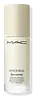
This hydrating serum is formulated around Niacinamide and Ceramide Ng to hydrate skin and refine skin texture.
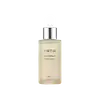
This calming serum is formulated around Panthenol and Centella Asiatica Extract to calm redness and strengthen the skin barrier.


What's inside
What's inside
 Key Ingredients
Benefits
Concerns
Ingredients Side-by-side
Water
Skin ConditioningDimethicone
Emollient

Butylene Glycol
Humectant

Glycerin
Humectant
Niacinamide
Smoothing









Trisiloxane
Skin Conditioning
Octyldodecyl Stearoyl Stearate
Emollient

Trehalose
Humectant
Paeonia Albiflora Flower Extract
TonicCholesterol
Emollient
Ceramide Ng
Skin Conditioning
Linoleic Acid
Cleansing
Salicylic Acid
Masking




Lactic Acid
Buffering
Glycolic Acid
Buffering
Citric Acid
Buffering
Algae Extract
Emollient
Saccharomyces Lysate Extract
Humectant
Betula Alba Bark Extract
Masking
Camellia Sinensis Leaf Extract
Antimicrobial
Thermus Thermophillus Ferment
Skin ConditioningLaminaria Saccharina Extract
Skin Protecting
Silybum Marianum Extract
Skin Conditioning
Caffeine
Skin Conditioning
Bis-PEG-18 Methyl Ether Dimethyl Silane
EmollientAcetyl Glucosamine
Skin Conditioning
Sodium Hyaluronate
Humectant
Sorbitol
Humectant
Sodium Magnesium Silicate
PEG-8
HumectantSucrose
Humectant
T-Butyl Alcohol
Perfuming

Polyacrylate Crosspolymer-6
Emulsion StabilisingOleth-10
EmulsifyingCarbomer
Emulsion StabilisingAmmonium Acryloyldimethyltaurate/Vp Copolymer
Xanthan Gum
EmulsifyingHydrogenated Lecithin
Emulsifying
Jojoba Wax PEG-120 Esters
Surfactant
Sodium Hydroxide
BufferingTromethamine
BufferingDi-C12-18 Alkyl Dimonium Chloride
Skin ConditioningSilica
Abrasive
Parfum
Masking
Benzyl Salicylate
Perfuming
Limonene
Perfuming
Linalool
Perfuming
CI 77891
Cosmetic ColorantSynthetic Fluorphlogopite
Tin Oxide
Abrasive
Mica
Cosmetic ColorantCaprylyl Glycol
Emollient
BHT
Antioxidant
Disodium EDTA
ChelatingHexylene Glycol
EmulsifyingTocopheryl Acetate
Antioxidant
Magnesium Ascorbyl Phosphate
Antioxidant
Phenoxyethanol
Preservative
Sodium Benzoate
Masking
Water, Dimethicone, Butylene Glycol, Glycerin, Niacinamide, Trisiloxane, Octyldodecyl Stearoyl Stearate, Trehalose, Paeonia Albiflora Flower Extract, Cholesterol, Ceramide Ng, Linoleic Acid, Salicylic Acid, Lactic Acid, Glycolic Acid, Citric Acid, Algae Extract, Saccharomyces Lysate Extract, Betula Alba Bark Extract, Camellia Sinensis Leaf Extract, Thermus Thermophillus Ferment, Laminaria Saccharina Extract, Silybum Marianum Extract, Caffeine, Bis-PEG-18 Methyl Ether Dimethyl Silane, Acetyl Glucosamine, Sodium Hyaluronate, Sorbitol, Sodium Magnesium Silicate, PEG-8, Sucrose, T-Butyl Alcohol, Polyacrylate Crosspolymer-6, Oleth-10, Carbomer, Ammonium Acryloyldimethyltaurate/Vp Copolymer, Xanthan Gum, Hydrogenated Lecithin, Jojoba Wax PEG-120 Esters, Sodium Hydroxide, Tromethamine, Di-C12-18 Alkyl Dimonium Chloride, Silica, Parfum, Benzyl Salicylate, Limonene, Linalool, CI 77891, Synthetic Fluorphlogopite, Tin Oxide, Mica, Caprylyl Glycol, BHT, Disodium EDTA, Hexylene Glycol, Tocopheryl Acetate, Magnesium Ascorbyl Phosphate, Phenoxyethanol, Sodium Benzoate
Water
Skin ConditioningDipropylene Glycol
HumectantGlycerin
Humectant
Hamamelis Virginiana Extract
Antiseborrhoeic
Butylene Glycol
Humectant
1,2-Hexanediol
Skin Conditioning
Arginine
Masking
Carbomer
Emulsion StabilisingCaprylyl Glycol
Emollient
Betaine
Humectant
Allantoin
Skin Conditioning
Panthenol
Skin Conditioning
Camellia Sinensis Leaf Extract
Antimicrobial
Rosmarinus Officinalis Leaf Extract
AntimicrobialChamomilla Recutita Flower Extract
Masking
Centella Asiatica Extract
Cleansing
Glycyrrhiza Glabra Root Extract
Bleaching
Adenosine
Skin Conditioning
Disodium EDTA
ChelatingPolygonum Cuspidatum Root Extract
Antioxidant
Scutellaria Baicalensis Root Extract
Astringent
Illicium Verum Fruit Extract
Perfuming
Sodium Hyaluronate
Humectant
Polyglutamic Acid
Skin Conditioning
Natto Gum
Copper Tripeptide-1
Skin Conditioning
Acetyl Hexapeptide-8
Humectant
Palmitoyl Pentapeptide-4
Skin Conditioning
Water, Dipropylene Glycol, Glycerin, Hamamelis Virginiana Extract, Butylene Glycol, 1,2-Hexanediol, Arginine, Carbomer, Caprylyl Glycol, Betaine, Allantoin, Panthenol, Camellia Sinensis Leaf Extract, Rosmarinus Officinalis Leaf Extract, Chamomilla Recutita Flower Extract, Centella Asiatica Extract, Glycyrrhiza Glabra Root Extract, Adenosine, Disodium EDTA, Polygonum Cuspidatum Root Extract, Scutellaria Baicalensis Root Extract, Illicium Verum Fruit Extract, Sodium Hyaluronate, Polyglutamic Acid, Natto Gum, Copper Tripeptide-1, Acetyl Hexapeptide-8, Palmitoyl Pentapeptide-4
Reviews
Ingredients Explained
These ingredients are found in both products.
Ingredients higher up in an ingredient list are typically present in a larger amount.
Butylene Glycol (or BG) is used within cosmetic products for a few different reasons:
Overall, Butylene Glycol is a safe and well-rounded ingredient that works well with other ingredients.
Though this ingredient works well with most skin types, some people with sensitive skin may experience a reaction such as allergic rashes, closed comedones, or itchiness.
Learn more about Butylene GlycolCamellia Sinensis Leaf Extract (tea extract) is one of the most well-researched plant extracts in skincare with an impressive resume.
Black tea, green tea, and oolong tea are all harvested from the Camellia Sinensis plant.
Studies show green tea extract and its catechins (like epigallocatechin gallate (EGCG)) help your skin cells product energy more efficiently and reducing the number of free-radicals that can damage your skin from the inside.
In lab-grown skin models, this translated to younger, healthier, and stronger skin.
There's also good sun protection data; researchers saw less DNA damage and redness on human skin when green tea was applied before UVB exposure. And the more they applied, the better the protection.
Needless to say, this ingredient shouldn't replace your sunscreen. But it is a great supportive ingredient that you can already find in many sunscreens and antioxidant serums.
A 2009 study found a 2% green tea lotion was effective for mild-to-moderate acne thanks to its anti-inflammatory and mild antimicrobial activity.
The quality of the extract matters a lot here:
Good extracts contain 50-90% catechins while lower quality ones are mostly there for marketing. We recommend reaching out to the brand if you have questions about the quality or source of their ingredients.
Human Repeated Insult Patch Testing showed no irritation or sensitization at use concentrations (0.86% in leave-on products and up to 30% as leaf water).
Learn more about Camellia Sinensis Leaf ExtractCaprylyl Glycol is a humectant, skin conditioner, emollient, and preservative booster derived from either caprylic acid or synthetically created.
Typical use levels vary from 0.3-1% as a preservative booster and go up to 2% to condition skin.
Because it is not a free-fatty acid, this ingredient is fungal acne safe (there's nothing for Malassezia to feed on).
Learn more about Caprylyl GlycolCarbomer is a synthetic thickening and gelling agent. It's basically the ingredient that gives a lot of serums, gels, creams, and sunscreens their smooth, non-sticky texture.
Although legally permitted at very high levels, carbomers are normally used at concentrations below 1%.
It also needs to be neutralized to actually thicken, and because it is a large molecule, it doesn't really penetrate the skin barrier.
Allergy-wise, the risk is very low. Clinical studies show carbomers have low potential for skin irritation/sensitization even at concentrations up to 100%.
A 2024 UK study patch-tested 1,302 patients and found true allergy to the parent group of carbomer to be rare with no confirmed relevant reactions.
Learn more about CarbomerDisodium EDTA is a chelating agent. It grabs onto and deactivates metal ions that sneak into your products from water, packaging, or air.
This ingredient mainly works behind the scenes and helps with:
On top of that, this ingredient can counteract the effects of hard water by binding to the minerals in it.
One thing worth knowing is that Disodium EDTA has been shown to be a mild penetration enhancer. It can help other ingredients absorb into skin more effectively which can be a double-edged sword (great for actives, but can also make the active too strong if you have sensitive skin).
Clinical patch testing showed no significant skin irritation at typical use concentrations and minimal dermal absorption.
You'll most likely see this ingredient near the end of an ingredient list. It's typically found in concentrations less than 1%.
Learn more about Disodium EDTAGlycerin (or glycerol) is a compound naturally found in your skin. It's a powerhouse humectant that pulls water into the stratum corneum.
Topically, glycerin does several things at once:
Your skin makes glycerin on its own (mostly from sebaceous oil breakdown) and shuttles it to your outermost layer of skin, or your epidermis, via aquaporin-3.
Aquaporin-3 is a transporter that is essential for normal skin hydration, elasticity, and repair. Interestingly, mice lacking in AQP3 have dry and less elastic skin that can be fully corrected with glycerin.
This ingredient is non-irritating, plays well with almost every ingredient, and works across all skin types. Typical use is anywhere between 3-10% but can go up to 79% in some leave-on products.
Just know very high concentrations (>40%) can feel tacky in low humidity.
Glycerin is the name for this ingredient in American English. British English uses Glycerol/Glycerine.
Learn more about GlycerinSodium Hyaluronate is the salt form of hyaluronic acid. It is a long sugar chain that is naturally found in your skin, joints, and connective tissue that maintains hydration and elasticity.
In skincare, it works as a humectant. It pulls water from the environment and deeper layers of skin and binds it to the surface.
Interestingly, the size of the molecule affects its behavior:
Some clinical evidence links low molecular weight versions to improved wrinkle depth, elasticity, anti-inflammatory effects, and barrier repair.
Many serums use a blend of both weights so you can get surface hydration plus longer-lasting and deeper effects.
You'll typically see concentrations between 0.1-2% for this ingredient.
Learn more about Sodium HyaluronateWater. It's the most common cosmetic ingredient of all. You'll usually see it at the top of ingredient lists, meaning that it makes up the largest part of the product.
So why is it so popular? Water most often acts as a solvent - this means that it helps dissolve other ingredients into the formulation.
You'll also recognize water as that liquid we all need to stay alive. If you see this, drink a glass of water. Remember to stay hydrated!
Learn more about Water

