Lumene Lumo Nordic Bloom Anti-Wrinkle & Firm Moisturizing V-Shape Serum Versus Lumene Lumo Nordic Bloom Vegan Collagen Eye Serum
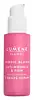
This anti-aging serum is formulated around Squalane to soften the look of wrinkles and hydrate skin.
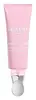
This anti-aging eye moisturizer is formulated around Sodium Hyaluronate to soften the look of wrinkles and hydrate skin.

What's inside
What's inside
 Key Ingredients
Benefits
Concerns
Ingredients Side-by-side
Water
Skin ConditioningCaprylic/Capric Glycerides
EmollientGlycerin
Humectant


Butylene Glycol
Humectant
Shea Butter Ethyl Esters
Emollient

Squalane
Emollient
Betaine
Humectant
Vaccinium Vitis-Idaea Fruit Juice
Skin ConditioningSodium Stearoyl Glutamate
CleansingCetearyl Alcohol
Emollient




Pullulan
Hippophae Rhamnoides Oil
Emollient

Vaccinium Vitis-Idaea Fruit Extract
Antioxidant
Rubus Chamaemorus Seed Oil
Skin Conditioning
Vaccinium Vitis-Idaea Seed Oil
Antioxidant
Sodium Carrageenan
Emulsion StabilisingHydrolyzed Hyaluronic Acid
Humectant
Phenoxyethanol
Preservative
Dipalmitoyl Hydroxyproline
Skin Conditioning
Propanediol
Solvent
Microcrystalline Cellulose
AbsorbentAcacia Senegal Gum
MaskingXanthan Gum
EmulsifyingTocopherol
Antioxidant


Mica
Cosmetic ColorantAlcohol Denat.
Antimicrobial


Palmitic Acid
Emollient
Helianthus Annuus Seed Oil
Emollient
Ethylhexylglycerin
Skin ConditioningSodium Gluconate
ChelatingCellulose Gum
Emulsion StabilisingMannose
HumectantSodium Mannose Phosphate
HumectantAdenosine
Skin Conditioning
Phenethyl Alcohol
MaskingTin Oxide
Abrasive
Maris Sal
Skin ConditioningRosmarinus Officinalis Leaf Extract
AntimicrobialParfum
Masking

CI 77491
Cosmetic ColorantCI 77891
Cosmetic ColorantWater, Caprylic/Capric Glycerides, Glycerin, Butylene Glycol, Shea Butter Ethyl Esters, Squalane, Betaine, Vaccinium Vitis-Idaea Fruit Juice, Sodium Stearoyl Glutamate, Cetearyl Alcohol, Pullulan, Hippophae Rhamnoides Oil, Vaccinium Vitis-Idaea Fruit Extract, Rubus Chamaemorus Seed Oil, Vaccinium Vitis-Idaea Seed Oil, Sodium Carrageenan, Hydrolyzed Hyaluronic Acid, Phenoxyethanol, Dipalmitoyl Hydroxyproline, Propanediol, Microcrystalline Cellulose, Acacia Senegal Gum, Xanthan Gum, Tocopherol, Mica, Alcohol Denat., Palmitic Acid, Helianthus Annuus Seed Oil, Ethylhexylglycerin, Sodium Gluconate, Cellulose Gum, Mannose, Sodium Mannose Phosphate, Adenosine, Phenethyl Alcohol, Tin Oxide, Maris Sal, Rosmarinus Officinalis Leaf Extract, Parfum, CI 77491, CI 77891
Water
Skin ConditioningDecyl Cocoate
Emollient
Caprylic/Capric Triglyceride
Masking
Butylene Glycol
Humectant
Glycerin
Humectant
Polyglyceryl-6 Stearate
Emollient
Glyceryl Stearate
Emollient
Prunus Amygdalus Dulcis Oil
Skin Conditioning
Pentylene Glycol
Skin Conditioning
Saccharide Isomerate
Humectant
Vaccinium Vitis-Idaea Fruit Extract
Antioxidant
Coco-Caprylate/Caprate
Emollient
Hydroxyacetophenone
Antioxidant
Xanthan Gum
EmulsifyingMicrocrystalline Cellulose
AbsorbentTocopherol
Antioxidant
Polyglyceryl-6 Behenate
Emulsion Stabilising
Sodium Stearoyl Glutamate
CleansingMica
Cosmetic ColorantDilinoleic Acid/Butanediol Copolymer
Alcohol Denat.
Antimicrobial
Sodium Gluconate
ChelatingC9-12 Alkane
SolventHelianthus Annuus Seed Oil
Emollient
Hydrolyzed Sodium Hyaluronate
Skin Conditioning
Hydrolyzed Rice Protein
Skin ConditioningSodium Hyaluronate
Humectant
Mannitol
Humectant
Cellulose Gum
Emulsion StabilisingSodium Hyaluronate Crosspolymer
Humectant
Citric Acid
Buffering
Sodium Citrate
BufferingCaprylyl Glycol
Emollient
Castor Oil/Ipdi Copolymer
Ceramide AP
Skin Conditioning
1,2-Hexanediol
Skin Conditioning
Glycine Soja Protein
EmulsifyingCyanocobalamin
Skin ConditioningSh-Polypeptide-69
Skin Protecting
Sodium Benzoate
Masking
Tin Oxide
Abrasive
Sodium Dextran Sulfate
Gel FormingSuperoxide Dismutase
Antioxidant
CI 77891
Cosmetic ColorantWater, Decyl Cocoate, Caprylic/Capric Triglyceride, Butylene Glycol, Glycerin, Polyglyceryl-6 Stearate, Glyceryl Stearate, Prunus Amygdalus Dulcis Oil, Pentylene Glycol, Saccharide Isomerate, Vaccinium Vitis-Idaea Fruit Extract, Coco-Caprylate/Caprate, Hydroxyacetophenone, Xanthan Gum, Microcrystalline Cellulose, Tocopherol, Polyglyceryl-6 Behenate, Sodium Stearoyl Glutamate, Mica, Dilinoleic Acid/Butanediol Copolymer, Alcohol Denat., Sodium Gluconate, C9-12 Alkane, Helianthus Annuus Seed Oil, Hydrolyzed Sodium Hyaluronate, Hydrolyzed Rice Protein, Sodium Hyaluronate, Mannitol, Cellulose Gum, Sodium Hyaluronate Crosspolymer, Citric Acid, Sodium Citrate, Caprylyl Glycol, Castor Oil/Ipdi Copolymer, Ceramide AP, 1,2-Hexanediol, Glycine Soja Protein, Cyanocobalamin, Sh-Polypeptide-69, Sodium Benzoate, Tin Oxide, Sodium Dextran Sulfate, Superoxide Dismutase, CI 77891
Ingredients Explained
These ingredients are found in both products.
Ingredients higher up in an ingredient list are typically present in a larger amount.
Alcohol Denat. is an alcohol with a denaturant property. It is created by mixing ethanol with other additives.
The "denat" part just means "denatured"; common denaturants include Denatonium Benzoate, t-butyl alcohol, and Diethyl Phthalate. This step makes the alcohol undrinkable (and lets brand skip taxes related to beverage alcohol).
This ingredient gets a bad rep because it is irritating and drying due to its astringent property. Astringents draw out natural oils in tissue to constrict pores and dry out your skin.
However, alcohol denat. is not all that bad.
Due to its low molecular weight, alcohol denat. tends to evaporate quickly. One study on pig skin found half of applied alcohol evaporated in 10 seconds and less than 3% stayed on skin.
This also helps other ingredients become better absorbed upon application.
Studies are conflicted about whether this ingredient causes skin dehydration. One study from 2005 found adding emollients to propanol-based sanitizer decreased skin dryness and irritation. Another study found irritation only occurs if your skin is already damaged.
Small amounts of alcohol are generally tolerated by oily skin or people who live in humid environments.
The rule of thumb is this ingredient will probably not affect your skin much if it is near the end of an ingredients list.
One thing to note:
People with ALDH2 (aldehyde dehydrogenase 2) deficiency may experience skin irritation from continued alcohol use. About 8% of the world's population have this deficiency.
The Cosmetic Ingredient Review Expert Panel has determined denatured alcohols to be safe for use in concentrations between 0.05% and 12% (depending on which denaturant is used).
Also...
This ingredient has antimicrobial and solvent properties.
The antimicrobial property helps preserve products and increase their shelf life. As a solvent, it helps dissolve other ingredients.
Look for formulas that contain glycerin, hyaluronic acid, or panthenol if you want to offset any drying effect.
This ingredient will trip away your skin's natural oils/lipids that help it lock in moisture. This can worsen dryness, trigger eczema flare-ups, and aggravate rosacea.
Be sure to patch test any product with this ingredient if you have dry or sensitive skin, eczema, or rosacea.
Learn more about Alcohol Denat.Butylene Glycol (or BG) is used within cosmetic products for a few different reasons:
Overall, Butylene Glycol is a safe and well-rounded ingredient that works well with other ingredients.
Though this ingredient works well with most skin types, some people with sensitive skin may experience a reaction such as allergic rashes, closed comedones, or itchiness.
Learn more about Butylene GlycolCellulose Gum is a water-soluble polymer that comes from cellulose. It is used to change the texture of a product and to help stabilize emulsions.
As an emulsifier, cellulose gum specifically thicken the texture of water-based products.
This ingredient is considered hypoallergenic and non-toxic. Cellulose Gum can be found in cosmetics, food, and other household goods such as paper products.
Learn more about Cellulose GumCi 77891 is a white pigment from Titanium dioxide. It is naturally found in minerals such as rutile and ilmenite.
It's main function is to add a white color to cosmetics. It can also be mixed with other colors to create different shades.
Ci 77891 is commonly found in sunscreens due to its ability to block UV rays.
Learn more about CI 77891Glycerin (or glycerol) is a compound naturally found in your skin. It's a powerhouse humectant that pulls water into the stratum corneum.
Topically, glycerin does several things at once:
Your skin makes glycerin on its own (mostly from sebaceous oil breakdown) and shuttles it to your outermost layer of skin, or your epidermis, via aquaporin-3.
Aquaporin-3 is a transporter that is essential for normal skin hydration, elasticity, and repair. Interestingly, mice lacking in AQP3 have dry and less elastic skin that can be fully corrected with glycerin.
This ingredient is non-irritating, plays well with almost every ingredient, and works across all skin types. Typical use is anywhere between 3-10% but can go up to 79% in some leave-on products.
Just know very high concentrations (>40%) can feel tacky in low humidity.
Glycerin is the name for this ingredient in American English. British English uses Glycerol/Glycerine.
Learn more about GlycerinHelianthus Annuus Seed Oil is a plant oil derived from the seeds of a sunflower.
It is rich in fatty acids, primarily linoleic acid and oleic acid. This gives it emollient and skin conditioning properties.
The reason this ingredient is so effective is because it forms a thin film on the skin that reduces transepidermal water loss (TEWL) while supplying linoleic acid to the stratum corneum to improve barrier strength.
The high linoleic acid content is particularly noteworthy for acne-prone skin.
Research suggests that acne-prone skin tends to be deficient in linoleic acid in sebum. Topical application may help replenish this to support a healthier follicular environment and less comedone-promoting sebum.
One randomized study found sunflower seed oil preserved skin barrier integrity in adult volunteers with and without atopic dermatitis (outperforming olive oil).
This ingredient is well-studied, gentle, and an effective emollient suitable for most skin types.
On fungal acne: This ingredient may not be Fungal acne (Malassezia folliculitis) safe. This is because it contains fatty acids with carbon chain lengths in the C11-C24 range.
Learn more about Helianthus Annuus Seed OilMica is a naturally occurring mineral used to add shimmer and color in cosmetics. It can also help improve the texture of a product or give it an opaque, white/silver color.
Serecite is the name for very fine but ragged grains of mica.
This ingredient is often coated with metal oxides like titanium dioxide. Trace amounts of heavy metals may be found in mica, but these metals are not harmful in our personal products.
Mica has been used since prehistoric times throughout the world. Ancient Egyptian, Indian, Greek, Roman, Aztec, and Chinese civilizations have used mica.
Learn more about MicaMicrocrystalline Cellulose is another name for refined wood pulp. It is used as an emulsifier and mattifying ingredient. As an emulsifier, it helps keep ingredients together.
Sodium Gluconate is the sodium salt of gluconic acid. In skincare, its main job is as a chelator.
Chelators grab onto stray metal ions like iron and copper that sneak in through water, raw materials, or manufacturing equipment. This stops them from triggering reactions that cause oils to go rancid, formulas to change color, and actives like vitamin C to fall apart.
This ingredient is often chosen as a biodegradable, gentler-sounding alternative to EDTA. It also pulls double duty as a mild humectant and pH buffer.
Typical use levels sit around 0.1-1% and supplier documents list up to 10% as an acceptable ceiling. Industry data found this ingredient family is mostly used well below 1% in leave on products.
Allergy risk is very low; animal testing has found it to be non-irritating to skin and eyes, mutagenicity assays came back negative, and there are no published reports of allergic contact dermatitis to it.
Learn more about Sodium GluconateSodium Stearoyl Glutamate is an amino-acid based emulsifier. It is made by combining stearic acid with L-glutamic acid and neutralizing it to a sodium salt.
As an emulsifier, it works mainly as an oil-in-water one and helps keep the oil and water in your formulas blended. It also contributes to a smooth, non-greasy skin feel.
This ingredient is biodegradable and commonly available in natural/COSMOS-certified grades.
Learn more about Sodium Stearoyl GlutamateTin Oxide is an inorganic oxide used to add opacity and volume to a product. In nature, it is already found in mineral form. The main ore of tin is an opaque and shiny mineral called casseterite.
Tin Oxide helps remove translucency in a product, or make it more opaque. Besides adding opacity, tin oxide is used for bulking to add volume.
Tocopherol is a fat-soluble antioxidant known as Vitamin E.
You'll find this ingredient in the vast majority of skincare (for good reason). It works to neutralize free radicals, or unstable molecules generated by UV exposure, pollution, and other environmental stressors, before they can cause oxidative damage to your skin cells.
Topically applied tocopherol has been shown to protect against UV damage by ramping up the skin's own natural defense enzymes.
It also acts as a skin conditioning agent; some studies show that regular topical use can improve the skin's water-binding capacity over 2-4 weeks.
This ingredient is especially loved for being a team player. When combined with Vitamin C, the photoprotective effect of both ingredients roughly doubles and the combo also helps reduce UV-induced DNA damage.
This ingredient has some brightening potential but it's more of a prevention ingredient than spot-fader. Cell studies show it can slow down melanin production but it's worth noting that it's not the most powerful brightener out there.
In formulations, it also serves as a stabilizer that helps protect other oxidation-prone ingredients from degrading.
Concentrations usually range from 0.1-1% in most leave-on products.
Learn more about TocopherolLingonberries are little red berries from arctic region. They are a great source of antioxidants and have been shown to help soothe inflammation.
The red color of the berries indicate high polyphenol content, the source of its antioxidants. Antioxidants help soothe the skin and protect cells against oxidative damage.
These berries also contain Vitamins A, B, and C.
Studies show the polyphenol content varies depending on region. Lingonberries grown in Alaska and Europe show high antioxidant content, while the lowest antioxidant content is found in eastern Canada.
Learn more about Vaccinium Vitis-Idaea Fruit ExtractWater. It's the most common cosmetic ingredient of all. You'll usually see it at the top of ingredient lists, meaning that it makes up the largest part of the product.
So why is it so popular? Water most often acts as a solvent - this means that it helps dissolve other ingredients into the formulation.
You'll also recognize water as that liquid we all need to stay alive. If you see this, drink a glass of water. Remember to stay hydrated!
Learn more about WaterXanthan gum is used as a stabilizer and thickener within cosmetic products. It helps give products a sticky, thick feeling - preventing them from being too runny.
On the technical side of things, xanthan gum is a polysaccharide - a combination consisting of multiple sugar molecules bonded together.
Xanthan gum is a pretty common and great ingredient. It is a natural, non-toxic, non-irritating ingredient that is also commonly used in food products.
Learn more about Xanthan Gum

