Lululun Hydra EX Mask Exosome Versus Quality First Quality 1st Super VC + Retinol + Super Delivery Eye Sheet
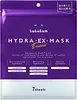
This brightening sheet mask is formulated around Glutathione and Arbutin to brighten dull-looking skin.
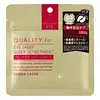
This brightening eye mask is formulated around Ascorbyl Tetraisopalmitate and Trisodium Ascorbyl Palmitate Phosphate to fade the look of dark spots and soften the look of wrinkles.

What's inside
What's inside
 Key Ingredients
Benefits
Concerns
Ingredients Side-by-side
Water
Skin ConditioningGlycerin
Humectant


Butylene Glycol
Humectant
Glycereth-26
Humectant
PEG/PPG/Polybutylene Glycol-8/5/3 Glycerin
HumectantBetaine
Humectant
Human Adipose Derived Mesenchymal Cell Exosomes
Skin ConditioningGlutathione



Arbutin
Antioxidant

Lecithin
Emollient
Linseed Acid
CleansingTocopheryl Acetate
Antioxidant
Ascorbyl Palmitate
Antioxidant


Oligopeptide-1
Skin Conditioning


Ceramide AP
Skin Conditioning
Ceramide NP
Skin Conditioning
Atelocollagen
Skin Conditioning
Hydroxypropyltrimonium Hyaluronate
Tocopherol
Antioxidant
Simmondsia Chinensis Seed Oil
Emollient
Olea Europaea Fruit Oil
Masking


Helianthus Annuus Seed Oil
Emollient
Dipotassium Glycyrrhizate
Humectant
Saccharide Isomerate
Humectant
Polyglyceryl-10 Isostearate
Skin Conditioning
PEG-75
HumectantPEG-40 Hydrogenated Castor Oil
Emulsifying
PEG-60 Hydrogenated Castor Oil
Emulsifying
Xanthan Gum
EmulsifyingCitric Acid
Buffering
Sodium Citrate
BufferingDisodium EDTA
ChelatingPropanediol
Solvent
Phenoxyethanol
Preservative
Methylparaben
Preservative

Water, Glycerin, Butylene Glycol, Glycereth-26, PEG/PPG/Polybutylene Glycol-8/5/3 Glycerin, Betaine, Human Adipose Derived Mesenchymal Cell Exosomes, Glutathione, Arbutin, Lecithin, Linseed Acid, Tocopheryl Acetate, Ascorbyl Palmitate, Oligopeptide-1, Ceramide AP, Ceramide NP, Atelocollagen, Hydroxypropyltrimonium Hyaluronate, Tocopherol, Simmondsia Chinensis Seed Oil, Olea Europaea Fruit Oil, Helianthus Annuus Seed Oil, Dipotassium Glycyrrhizate, Saccharide Isomerate, Polyglyceryl-10 Isostearate, PEG-75, PEG-40 Hydrogenated Castor Oil, PEG-60 Hydrogenated Castor Oil, Xanthan Gum, Citric Acid, Sodium Citrate, Disodium EDTA, Propanediol, Phenoxyethanol, Methylparaben
Water
Skin ConditioningDipropylene Glycol
HumectantGlycerin
Humectant
Ascorbyl Tetraisopalmitate
Antioxidant
Trisodium Ascorbyl Palmitate Phosphate
Antioxidant
Ascorbyl Palmitate
Antioxidant
Retinol
Skin Conditioning




Hydrogenated Retinol
Skin Conditioning
Glutathione
Hydrolyzed Hyaluronic Acid
Humectant
Niacinamide
Smoothing
Dipotassium Glycyrrhizate
Humectant
Hydrogenated Lecithin
Emulsifying
Glycine Soja Sterols
Emollient
Ceramide NP
Skin Conditioning
Phellodendron Amurense Bark Extract
Skin ConditioningArbutin
Antioxidant
Cerebrosides
EmollientButylene Glycol
Humectant
Lavandula Angustifolia Oil
Masking

Citrus Limon Peel Oil
Masking
Citrus Aurantifolia Oil
Cleansing
Lemongrass Oil
Juniperus Mexicana Oil
Masking
Rosmarinus Officinalis Leaf Oil
Masking
Linoleic Acid
Cleansing
Linolenic Acid
Cleansing
Lecithin
Emollient
Glucosylrutin
Antioxidant
Caprylic/Capric Triglyceride
Masking
Pentylene Glycol
Skin Conditioning
BHT
Antioxidant
Tripropylene Glycol
Antioxidant
PEG-60 Hydrogenated Castor Oil
Emulsifying
Xanthan Gum
EmulsifyingEthylhexylglycerin
Skin ConditioningCitric Acid
Buffering
Sodium Citrate
BufferingPotassium Hydroxide
BufferingEtidronic Acid
ChelatingWater, Dipropylene Glycol, Glycerin, Ascorbyl Tetraisopalmitate, Trisodium Ascorbyl Palmitate Phosphate, Ascorbyl Palmitate, Retinol, Hydrogenated Retinol, Glutathione, Hydrolyzed Hyaluronic Acid, Niacinamide, Dipotassium Glycyrrhizate, Hydrogenated Lecithin, Glycine Soja Sterols, Ceramide NP, Phellodendron Amurense Bark Extract, Arbutin, Cerebrosides, Butylene Glycol, Lavandula Angustifolia Oil, Citrus Limon Peel Oil, Citrus Aurantifolia Oil, Lemongrass Oil, Juniperus Mexicana Oil, Rosmarinus Officinalis Leaf Oil, Linoleic Acid, Linolenic Acid, Lecithin, Glucosylrutin, Caprylic/Capric Triglyceride, Pentylene Glycol, BHT, Tripropylene Glycol, PEG-60 Hydrogenated Castor Oil, Xanthan Gum, Ethylhexylglycerin, Citric Acid, Sodium Citrate, Potassium Hydroxide, Etidronic Acid
Reviews
Ingredients Explained
These ingredients are found in both products.
Ingredients higher up in an ingredient list are typically present in a larger amount.
Arbutin is a naturally occurring molecule (found in bearberry, cranberry, and blueberry) that is used in skincare as a gentle brightening agent to fade dark spots, melasma, and post-inflammatory hyperpigmentation.
Chemically, it is a sugar-bound form of hydroquinone.
It works mainly by inhibiting tyrosinase, the enzyme your skin uses to make melanin. This means less new pigment gets produced over time.
There are two forms you'll see on labels: beta-arbutin (listed as just "Arbutin") and alpha-arbutin (the more stable and effective of the two).
The evidence behind this is solid: it's less cytotoxic to melanocytes than hydroquinone and comparably effective with kojic acid for hyperpigmentation.
One human study using a 10% solution reduced UVR-induced hyperpigmentation by 43.5% (jumping to 63.3% when paired with aloesin).
More recent clinical work backs it up too; a 2025 study on a 5% alpha-arbutin + 2% kojic acid cream found it comparable to triple combination prescription formulas but with lower recurrence for melasma.
Typical usage in cosmetics serums land in the 1-2% range.
It's a well-tolerated, non-irritating, and non-photoreactive ingredient that also gives some antioxidant benefits too.
Learn more about ArbutinAscorbyl Palmitate is a fat-soluble form of vitamin C (Ascorbic Acid) made by combining it with palmitic acid.
It is able to blend easily into creams and oil-based formulas because it dissolves in oils rather than water.
As you may know, regular vitamin C is notorious for breaking down when exposed to sunlight and air. Ascorbyl Palmitate is more stable and degrades at a slower rate.
Research on whether it converts efficiently into active vitamin C once it's applied on your skin is still limited.
Some in-vitro studies suggest it may support collagen production, but it is not considered one of the stronger vitamin C derivatives, like:
Due to the palmitic acid base, this ingredient may not be fungal acne safe. Comedogenic studies have also shown this ingredient to have a rating of 2.
It's also worth keeping in mind that comedogenic and irritancy ratings are tested on individual ingredients, not finished formulas. The final product's formulation, concentration, and other ingredients all play a role in how something actually behaves on your skin.
Learn more about Ascorbyl PalmitateButylene Glycol (or BG) is used within cosmetic products for a few different reasons:
Overall, Butylene Glycol is a safe and well-rounded ingredient that works well with other ingredients.
Though this ingredient works well with most skin types, some people with sensitive skin may experience a reaction such as allergic rashes, closed comedones, or itchiness.
Learn more about Butylene GlycolCeramide NP (formerly known as Ceramide 3) is one of the skin's naturally occurring lipids.
Since ceramides are the major lipid components of the skin, they are crucial for maintaining skin barrier and hydration. Ceramide NP most closely mirrors the dominant kind in human skin amongst ceramide subtypes.
This ceramide works by slotting into gaps within the stratum corneum's lipid matrix to limit trans-epidermal water loss (TEWL) and shield the skin against external irritants.
A study with 312 patients found that using a ceramide-containing routine for 4 weeks reduced the severity of atopic dermatitis by over 61%.
Another clinical study in subjects aged 60 and older found that a ceramide body wash and moisturizer improved skin dryness and itchy skin in 15 days.
Overall, ceramides are considered non-irritating and safety tests have found little to no observable adverse effects from using this ingredient.
Ceramide NP is usually sourced from plants (like soybean or rice bran), or produced synthetically.
Learn more about Ceramide NPCitric Acid is an alpha hydroxy acid (AHA) naturally found in citrus fruits like oranges, lemons, and limes.
Like other AHAs, citric acid can exfoliate skin by breaking down the bonds that hold dead skin cells together. This helps reveal smoother and brighter skin underneath.
However, this exfoliating effect only happens at high concentrations (20%) which can be hard to find in cosmetic products.
Due to this, citric acid is usually included in small amounts as a pH adjuster. This helps keep products slightly more acidic and compatible with skin's natural pH.
In skincare formulas, citric acid can:
While it can provide some skin benefits, research shows lactic acid and glycolic acid are generally more effective and less irritating exfoliants.
Most citric acid used in skincare today is made by fermenting sugars (usually from molasses). This synthetic version is identical to the natural citrus form but easier to stabilize and use in formulations.
Rosacea skin has a lower threshold for acids generally, with 62.5% of rosacea subjects in one study reacting to lactic acid in a sting test. This is why we mark citric acid as a potential rosacea trigger.
However, this ingredient shows up as a pH adjuster or chelator at roughly 0.1-1% in many products. These low levels are unlikely to be an issue for rosacea skin and becomes a potential trigger at exfoliating concentrations (20%). Because everybody's skin is unique, we recommend a patch test if you are unsure.
Learn more about Citric AcidDipotassium Glycyrrhizate comes from licorice root.
Extracts of licorice have demonstrated to have antibacterial, anti‐inflammatory, antiviral, antioxidant properties.
One component, glabridin, has extra potent antioxidant and soothing properties. It has also been found to block pigmentation from UVB rays in guinea pigs.
Licorice Root also contains a flavonoid. Flavonoids are a natural substance from in plants. Flavonoids also have antioxidant properties.
Another component, glycyrrhizin, has been found to have anti-inflammatory and antimicrobial benefits. This may make licorice root extract effective at treating acne. However, more research is needed to support this.
Liquiritin is one of the flavone compounds found in licorice. It has been found to help lighten skin by preventing tyrosinase from reacting with tyrosine. When the two react, protein is converted to melanin. Melanin is the substance in your body that gives your features pigmentation.
Licorice root is native to Southern Europe and Asia. It has been used in traditional Chinese medicine to help with respiratory issues.
Learn more about Dipotassium GlycyrrhizateGlutathione is a tiny protein-like molecule (a "tripeptide" build from 3 amino acids: glycine, cysteine, and glutamic acid) that your body already makes on its own.
Inside your body, it acts as one of the skin's main antioxidants that help fight against free radicals.
In skincare, it's best known as a brightening ingredient that slows down tyrosinase, the key enzyme that makes skin pigment. It also nudges the skin toward making a lighter type of pigment instead of a darker one.
This is why you'll see it in products aimed at dark spots and uneven tone.
A small number of real human trials have found a topical glutathione lotion:
The honest caveat is that the current evidence is still thin (few studies, small groups, short timelines). Glutathione also doesn't absorb into skin very easily so results tend to be modest and fade if you stop using it.
One thing worth clearing up:
The scary side effects you may have heard about come from glutathione injected intravenously, which has real safety concerns. Applying it topically is a completely different thing and has a clean track record.
Most human studies used it around 2% (as Glutathione or Glutathione Disulfide) and a 2% oxidized glutathione lotion and a 2% S-acyl glutathione cream are the concentrations with actual clinical data behind them.
There's no established "ideal" percentage yet but 1-2% is the evidence-backed range.
Allergy-wise, there is very low risk for this ingredient; it was well-tolerated across the topical trials. Only one participant had mild temporary redness that cleared up on its own and another study reported no adverse reactions at all.
One trial had ~10% of users drop out for irritation was using a combination cream that also had 10% azelaic acid so the irritation likely wasn't from the glutathione. There's no notable contact-allergy signal for topical glutathione in the literature but patch-testing before first use is still sensible for those with sensitive skin.
Learn more about GlutathioneGlycerin (or glycerol) is a compound naturally found in your skin. It's a powerhouse humectant that pulls water into the stratum corneum.
Topically, glycerin does several things at once:
Your skin makes glycerin on its own (mostly from sebaceous oil breakdown) and shuttles it to your outermost layer of skin, or your epidermis, via aquaporin-3.
Aquaporin-3 is a transporter that is essential for normal skin hydration, elasticity, and repair. Interestingly, mice lacking in AQP3 have dry and less elastic skin that can be fully corrected with glycerin.
This ingredient is non-irritating, plays well with almost every ingredient, and works across all skin types. Typical use is anywhere between 3-10% but can go up to 79% in some leave-on products.
Just know very high concentrations (>40%) can feel tacky in low humidity.
Glycerin is the name for this ingredient in American English. British English uses Glycerol/Glycerine.
Learn more about GlycerinLecithin is a term for a group of substances found in the cell membranes of plants, animals, and humans. They are made up of phospholipids.
Thanks to its amphiphilic structure (water-loving head and oil-loving tail), it is a true multitasker:
It plays well with most ingredients and is typically used at 0.1-1%. However, concentrations up to 50% have been reported in moisturizers.
Learn more about LecithinPeg-60 Hydrogenated Castor Oil comes from hydrogenated castor oil. It is a solubilizer and emulsifier.
As a solubilizer, it helps dissolve ingredients into a water-based version. It is also an emulsifer. Emulsifier help prevent oils and water from separating. Both these properties help create evenly-spread and uniform products.
Basically, Peg-60 Hydrogenated Castor Oil helps hold ingredients together.
Learn more about PEG-60 Hydrogenated Castor OilSodium Citrate is the sodium salts of citric acid. In skincare, it is used to alter pH levels and acts as a preservative.
Its main functions are to maintain the pH of a product and neutralize metal ions.
The acidity of our skin is maintained by our glands and skin biome; normal pH level of skin is slightly acidic (~4.75-5.5).
Being slightly acidic allows our skin to create an "acid mantle". This acid mantle is a thin barrier that protects our skin from bacteria and contaminants.
Learn more about Sodium CitrateWater. It's the most common cosmetic ingredient of all. You'll usually see it at the top of ingredient lists, meaning that it makes up the largest part of the product.
So why is it so popular? Water most often acts as a solvent - this means that it helps dissolve other ingredients into the formulation.
You'll also recognize water as that liquid we all need to stay alive. If you see this, drink a glass of water. Remember to stay hydrated!
Learn more about WaterXanthan gum is used as a stabilizer and thickener within cosmetic products. It helps give products a sticky, thick feeling - preventing them from being too runny.
On the technical side of things, xanthan gum is a polysaccharide - a combination consisting of multiple sugar molecules bonded together.
Xanthan gum is a pretty common and great ingredient. It is a natural, non-toxic, non-irritating ingredient that is also commonly used in food products.
Learn more about Xanthan Gum

