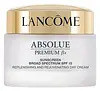
This anti-aging day moisturizer is formulated around Sodium Hyaluronate and Adenosine to soften the look of wrinkles and hydrate skin.
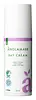
This barrier-repair moisturizer is formulated around Caprylic/Capric Triglyceride and Saccharide Isomerate to strengthen the skin barrier and hydrate skin.


What's inside
What's inside
 Key Ingredients
Benefits
Concerns
Ingredients Side-by-side
Butyl Methoxydibenzoylmethane 2%
UV Absorber
Ethylhexyl Salicylate 5%
UV Absorber
Octocrylene 8%
UV Absorber

Water
Skin ConditioningHydrogenated Polyisobutene
EmollientAlcohol Denat.
Antimicrobial


Bis-PEG-18 Methyl Ether Dimethyl Silane
EmollientGlycerin
Humectant


Cyclohexasiloxane
Emollient
Cetearyl Alcohol
Emollient




Dimethicone
Emollient
PEG-20
HumectantPrunus Armeniaca Kernel Oil
Masking
Petrolatum
Emollient
C13-14 Isoparaffin
Emollient
Tocopheryl Acetate
Antioxidant


Hydroxypropyl Tetrahydropyrantriol
Skin ConditioningHydrolyzed Malt Extract
Skin ConditioningSodium Hyaluronate
Humectant


Padina Pavonica Extract
Skin ConditioningSodium Hydroxide
BufferingHydrolyzed Soy Protein
Humectant
Adenosine
Skin Conditioning
PEG-100 Stearate
Surfactant
Polyacrylamide
Calcium Pantothenate
Dimethyl Isosorbide
SolventDimethiconol
Emollient
Limonene
Perfuming

Xanthan Gum
EmulsifyingLinalool
Perfuming
Dioscorea Villosa Root Extract
Skin Conditioning
Iron Oxides
Caprylyl Glycol
Emollient
Capryloyl Salicylic Acid
Exfoliating




Paraffin
Skin Conditioning
Acrylates/C10-30 Alkyl Acrylate Crosspolymer
Emulsion StabilisingDisodium EDTA
ChelatingButyrospermum Parkii Butter
Skin Conditioning
Butylene Glycol
Humectant
Cetyl Alcohol
Emollient
Cetearyl Glucoside
Emulsifying
Octyldodecanol
Emollient
Citronellol
Perfuming
Laureth-7
EmulsifyingHexyldecanol
Emollient
Glyceryl Stearate
Emollient
Parfum
Masking
Butyl Methoxydibenzoylmethane 2%, Ethylhexyl Salicylate 5%, Octocrylene 8%, Water, Hydrogenated Polyisobutene, Alcohol Denat., Bis-PEG-18 Methyl Ether Dimethyl Silane, Glycerin, Cyclohexasiloxane, Cetearyl Alcohol, Dimethicone, PEG-20, Prunus Armeniaca Kernel Oil, Petrolatum, C13-14 Isoparaffin, Tocopheryl Acetate, Hydroxypropyl Tetrahydropyrantriol, Hydrolyzed Malt Extract, Sodium Hyaluronate, Padina Pavonica Extract, Sodium Hydroxide, Hydrolyzed Soy Protein, Adenosine, PEG-100 Stearate, Polyacrylamide, Calcium Pantothenate, Dimethyl Isosorbide, Dimethiconol, Limonene, Xanthan Gum, Linalool, Dioscorea Villosa Root Extract, Iron Oxides, Caprylyl Glycol, Capryloyl Salicylic Acid, Paraffin, Acrylates/C10-30 Alkyl Acrylate Crosspolymer, Disodium EDTA, Butyrospermum Parkii Butter, Butylene Glycol, Cetyl Alcohol, Cetearyl Glucoside, Octyldodecanol, Citronellol, Laureth-7, Hexyldecanol, Glyceryl Stearate, Parfum
Water
Skin ConditioningCaprylic/Capric Triglyceride
Masking
Isopropyl Myristate
Emollient
Dicaprylyl Carbonate
EmollientGlycerin
Humectant
Glyceryl Stearate Citrate
Emollient
Propylene Glycol
Humectant
Stearyl Alcohol
Emollient
Carbomer
Emulsion StabilisingSaccharide Isomerate
Humectant
Tocopherol
Antioxidant
Ethylhexylglycerin
Skin ConditioningSodium Citrate
BufferingCitric Acid
Buffering
Sodium Hydroxide
BufferingLactic Acid
Buffering
Phenoxyethanol
Preservative
Sodium Benzoate
Masking
Water, Caprylic/Capric Triglyceride, Isopropyl Myristate, Dicaprylyl Carbonate, Glycerin, Glyceryl Stearate Citrate, Propylene Glycol, Stearyl Alcohol, Carbomer, Saccharide Isomerate, Tocopherol, Ethylhexylglycerin, Sodium Citrate, Citric Acid, Sodium Hydroxide, Lactic Acid, Phenoxyethanol, Sodium Benzoate
Reviews
Ingredients Explained
These ingredients are found in both products.
Ingredients higher up in an ingredient list are typically present in a larger amount.
Glycerin (or glycerol) is a compound naturally found in your skin. It's a powerhouse humectant that pulls water into the stratum corneum.
Topically, glycerin does several things at once:
Your skin makes glycerin on its own (mostly from sebaceous oil breakdown) and shuttles it to your outermost layer of skin, or your epidermis, via aquaporin-3.
Aquaporin-3 is a transporter that is essential for normal skin hydration, elasticity, and repair. Interestingly, mice lacking in AQP3 have dry and less elastic skin that can be fully corrected with glycerin.
This ingredient is non-irritating, plays well with almost every ingredient, and works across all skin types. Typical use is anywhere between 3-10% but can go up to 79% in some leave-on products.
Just know very high concentrations (>40%) can feel tacky in low humidity.
Glycerin is the name for this ingredient in American English. British English uses Glycerol/Glycerine.
Learn more about GlycerinSodium Hydroxide is also known as lye or caustic soda. It is used to adjust the pH of products; many ingredients require a specific pH to be effective.
In small amounts, sodium hydroxide is considered safe to use. However, large amounts may cause chemical burns due to its high alkaline.
Your skin has a natural pH and acid mantle. This acid mantle helps prevent harmful bacteria from breaking through. The acid mantle also helps keep your skin hydrated.
"Alkaline" refers to a high pH level. A low pH level would be considered acidic.
Learn more about Sodium HydroxideWater. It's the most common cosmetic ingredient of all. You'll usually see it at the top of ingredient lists, meaning that it makes up the largest part of the product.
So why is it so popular? Water most often acts as a solvent - this means that it helps dissolve other ingredients into the formulation.
You'll also recognize water as that liquid we all need to stay alive. If you see this, drink a glass of water. Remember to stay hydrated!
Learn more about Water

