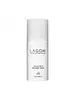
This barrier-repair moisturizer is formulated around Butyrospermum Parkii Butter and Panthenol to strengthen the skin barrier and hydrate skin.
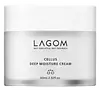
This barrier-repair moisturizer is formulated around Panthenol and Ceramide NP to strengthen the skin barrier and hydrate skin.

What's inside
What's inside
 Key Ingredients
Benefits
Concerns
Ingredients Side-by-side
Water
Skin ConditioningPropanediol
Solvent

Glycerin
Humectant
Cetyl Ethylhexanoate
Emollient1,2-Hexanediol
Skin Conditioning
Butylene Glycol
Humectant
Cetearyl Olivate


Cetearyl Alcohol
Emollient




Sorbitan Olivate
Emulsifying
Butyrospermum Parkii Butter
Skin Conditioning
Macadamia Integrifolia Seed Oil
Skin Conditioning
Glycereth-26
Humectant
Ammonium Acryloyldimethyltaurate/Vp Copolymer
Dimethicone
Emollient
Polyacrylate-13
Palmitic Acid
Emollient
Stearic Acid
Cleansing
Tocopheryl Acetate
Antioxidant


Polyisobutene
Panthenol
Skin Conditioning

Urea
Buffering

Parfum
Masking


Ethylhexylglycerin
Skin ConditioningHydrolyzed Gardenia Florida Extract
Antioxidant
Hydrolyzed Malt Extract
Skin ConditioningHydrolyzed Viola Tricolor Extract
Skin ProtectingPolysorbate 20
Emulsifying
Disodium EDTA
ChelatingSorbitan Isostearate
Emulsifying
Sodium Hyaluronate
Humectant

Ammonium Polyacryloyldimethyl Taurate
Emulsion StabilisingHyaluronic Acid
Humectant
Hydrolyzed Hyaluronic Acid
Humectant
Hydrolyzed Vegetable Protein
Skin ConditioningMaltodextrin
Absorbent
Leontopodium Alpinum Callus Culture Extract
Antioxidant
Limonene
Perfuming
Linalool
Perfuming
Citronellol
Perfuming
Water, Propanediol, Glycerin, Cetyl Ethylhexanoate, 1,2-Hexanediol, Butylene Glycol, Cetearyl Olivate, Cetearyl Alcohol, Sorbitan Olivate, Butyrospermum Parkii Butter, Macadamia Integrifolia Seed Oil, Glycereth-26, Ammonium Acryloyldimethyltaurate/Vp Copolymer, Dimethicone, Polyacrylate-13, Palmitic Acid, Stearic Acid, Tocopheryl Acetate, Polyisobutene, Panthenol, Urea, Parfum, Ethylhexylglycerin, Hydrolyzed Gardenia Florida Extract, Hydrolyzed Malt Extract, Hydrolyzed Viola Tricolor Extract, Polysorbate 20, Disodium EDTA, Sorbitan Isostearate, Sodium Hyaluronate, Ammonium Polyacryloyldimethyl Taurate, Hyaluronic Acid, Hydrolyzed Hyaluronic Acid, Hydrolyzed Vegetable Protein, Maltodextrin, Leontopodium Alpinum Callus Culture Extract, Limonene, Linalool, Citronellol
Water
Skin ConditioningGlycerin
Humectant
Butylene Glycol
Humectant
Hydrogenated Polydecene
EmollientCetyl Ethylhexanoate
EmollientCetearyl Alcohol
Emollient
Caprylic/Capric Triglyceride
Masking
Panthenol
Skin Conditioning
Polyglyceryl-3 Methylglucose Distearate
Emulsifying
1,2-Hexanediol
Skin Conditioning
Dimethicone
Emollient
Hydrogenated Lecithin
Emulsifying
Jojoba Esters
Emollient
Cetearyl Glucoside
Emulsifying
Polyacrylate-13
Hydroxyacetophenone
Antioxidant
Polymethylsilsesquioxane
Hydroxyethyl Acrylate/Sodium Acryloyldimethyl Taurate Copolymer
Emulsion StabilisingPolyisobutene
Caprylyl Glycol
Emollient
Synthetic Beeswax
Emulsion Stabilising
Citrus Aurantium Bergamia Fruit Oil
Masking
Xanthan Gum
EmulsifyingPolysorbate 20
Emulsifying
Sorbitan Isostearate
Emulsifying
Citrus Limon Peel Oil
Masking
Citric Acid
Buffering
Disodium EDTA
ChelatingSodium Citrate
BufferingSodium Hyaluronate
Humectant
Simmondsia Chinensis Seed Oil
Emollient
Citrus Nobilis Peel Oil
Masking
Citrus Aurantium Dulcis Peel Oil
Masking
Indole Acetic Acid
Skin ConditioningMyrothamnus Flabellifolia Callus Culture Extract
Antioxidant
Cymbopogon Schoenanthus Oil
Masking
Hydrolyzed Vegetable Protein
Skin ConditioningMaltodextrin
Absorbent
Tocopherol
Antioxidant
Macadamia Integrifolia Seed Oil
Skin Conditioning
Propanediol
Solvent
Vegetable Amino Acids
Skin ConditioningPentylene Glycol
Skin Conditioning
Pyrus Malus Fruit Water
MaskingCeramide NP
Skin Conditioning
Phytosphingosine
Skin Conditioning
Potassium Benzoate
Preservative
Potassium Sorbate
Preservative
Polyglutamic Acid
Skin Conditioning
Water, Glycerin, Butylene Glycol, Hydrogenated Polydecene, Cetyl Ethylhexanoate, Cetearyl Alcohol, Caprylic/Capric Triglyceride, Panthenol, Polyglyceryl-3 Methylglucose Distearate, 1,2-Hexanediol, Dimethicone, Hydrogenated Lecithin, Jojoba Esters, Cetearyl Glucoside, Polyacrylate-13, Hydroxyacetophenone, Polymethylsilsesquioxane, Hydroxyethyl Acrylate/Sodium Acryloyldimethyl Taurate Copolymer, Polyisobutene, Caprylyl Glycol, Synthetic Beeswax, Citrus Aurantium Bergamia Fruit Oil, Xanthan Gum, Polysorbate 20, Sorbitan Isostearate, Citrus Limon Peel Oil, Citric Acid, Disodium EDTA, Sodium Citrate, Sodium Hyaluronate, Simmondsia Chinensis Seed Oil, Citrus Nobilis Peel Oil, Citrus Aurantium Dulcis Peel Oil, Indole Acetic Acid, Myrothamnus Flabellifolia Callus Culture Extract, Cymbopogon Schoenanthus Oil, Hydrolyzed Vegetable Protein, Maltodextrin, Tocopherol, Macadamia Integrifolia Seed Oil, Propanediol, Vegetable Amino Acids, Pentylene Glycol, Pyrus Malus Fruit Water, Ceramide NP, Phytosphingosine, Potassium Benzoate, Potassium Sorbate, Polyglutamic Acid
Reviews
Ingredients Explained
These ingredients are found in both products.
Ingredients higher up in an ingredient list are typically present in a larger amount.
1,2-Hexanediol is a synthetic liquid and another multi-functional powerhouse.
It is a:
- Humectant, drawing moisture into the skin
- Emollient, helping to soften skin
- Solvent, dispersing and stabilizing formulas
- Preservative booster, enhancing the antimicrobial activity of other preservatives
Butylene Glycol (or BG) is used within cosmetic products for a few different reasons:
Overall, Butylene Glycol is a safe and well-rounded ingredient that works well with other ingredients.
Though this ingredient works well with most skin types, some people with sensitive skin may experience a reaction such as allergic rashes, closed comedones, or itchiness.
Learn more about Butylene GlycolCetearyl alcohol is a waxy mixture of two fatty alcohols: cetyl alcohol and stearyl alcohol. It is an emollient and emulsifier.
Despite having "alcohol" in its name, it has nothing to do with drying solvent alcohols; the FDA also allows "alcohol-free" products to contain fatty alcohols like this ingredient.
It plays several roles in a formula:
Typical use levels for this ingredient sit around 1-10% and the Cosmetic Ingredient Review Expert Panel has affirmed safety at concentrations up to 25% in leave-on products.
Multiple assessments have found it to be non-irritating and non-sensitizing to most people.
However, there have been some cases of allergic contact dermatitis in patients with chronically compromised skin barriers.
Cetearyl alcohol has a comedogenic rating of 2 and irritancy rating of 1. Both of these numbers come from the 1989 study that used rabbit ears; a "2" means mildly comedogenic and a "1" means low irritancy.
Here's the catch: rabbit skin is more sensitive than human skin and throws a lot of false positives. A 1996 reappraisal found that ingredients rated 1-2 in the rabbit ear tests are generally safe for humans.
Remember comedogenic ratings are unable to assess the entire formula of a product or how it will react on your skin. Just be sure to patch test if you are unsure about certain ingredients.
This ingredient is not fungal acne safe. Cetearyl alcohol is a fatty alcohol with chain lengths that fall within the range that Malassezia can metabolize.
A 2019 study has also observed Malassezia growth in the presence of this ingredient, confirming it to be not-fungal acne safe.
Learn more about Cetearyl AlcoholCetyl Ethylhexanoate is an emollient ester. It comes from cetearyl alcohol and 2-ethylhexanoic acid.
Cetyl Ethylhexanoate is an emollient that adds a velvety feel to skin without being greasy or oily. Emollients help trap moisture into your skin, keeping your skin soft and hydrated.
Dimethicone is a type of synthetic silicone created from natural materials such as quartz. It is also known as polydimethylsiloxane.
What it does:
Dimethicone comes in different viscosities:
Depending on the viscosity, dimethicone has different properties.
Ingredients lists don't always show which type is used, so we recommend reaching out to the brand if you have questions about the viscosity.
This ingredient is unlikely to cause irritation because it does not get absorbed into skin. However, people with silicone allergies should be careful about using this ingredient.
Note: Dimethicone may contribute to pilling. This is because it is not oil or water soluble, so pilling may occur when layered with products. When mixed with heavy oils in a formula, the outcome is also quite greasy.
Learn more about DimethiconeDisodium EDTA is a chelating agent. It grabs onto and deactivates metal ions that sneak into your products from water, packaging, or air.
This ingredient mainly works behind the scenes and helps with:
On top of that, this ingredient can counteract the effects of hard water by binding to the minerals in it.
One thing worth knowing is that Disodium EDTA has been shown to be a mild penetration enhancer. It can help other ingredients absorb into skin more effectively which can be a double-edged sword (great for actives, but can also make the active too strong if you have sensitive skin).
Clinical patch testing showed no significant skin irritation at typical use concentrations and minimal dermal absorption.
You'll most likely see this ingredient near the end of an ingredient list. It's typically found in concentrations less than 1%.
Learn more about Disodium EDTAGlycerin (or glycerol) is a compound naturally found in your skin. It's a powerhouse humectant that pulls water into the stratum corneum.
Topically, glycerin does several things at once:
Your skin makes glycerin on its own (mostly from sebaceous oil breakdown) and shuttles it to your outermost layer of skin, or your epidermis, via aquaporin-3.
Aquaporin-3 is a transporter that is essential for normal skin hydration, elasticity, and repair. Interestingly, mice lacking in AQP3 have dry and less elastic skin that can be fully corrected with glycerin.
This ingredient is non-irritating, plays well with almost every ingredient, and works across all skin types. Typical use is anywhere between 3-10% but can go up to 79% in some leave-on products.
Just know very high concentrations (>40%) can feel tacky in low humidity.
Glycerin is the name for this ingredient in American English. British English uses Glycerol/Glycerine.
Learn more about GlycerinWe don't have a description for Hydrolyzed Vegetable Protein yet.
This ingredient is also known as Macadamia Seed Oil. It's an emollient with a fatty acid profile that closely mirrors the skin's own lipid makeup.
The palmitoleic acid content is especially notable as it's somewhat rare in plant oils. Palmitoleic acid is something your skin already makes naturally. It helps keep cell membranes structured and plays a role in fighting off harmful microbes.
This palmitoleic content is also part of why macademia seed oil absorbs quickly and doesn't leave much of a greasy residue.
It also contains oleic acid, linoleic acid, and phytosterols that can help reduce redness.
In vitro research has shown the oil to have meaningful antioxidant activity, protect fats in the skin from oxidative damage, and slow down the enzyme that breaks down hyaluronic acid.
A 2024 clinical study found it effective at improving skin hydratino and reducing wrinkle appearance when formulated into nanoemulsions.
Because it carries oleic acid (C18) and palmitic acid (C16), this ingredient may not be fungal acne safe. This is because the Malassezia yeast metabolizes in the C11-24 chain length range.
You'll also see this ingredient listed as: Macadamia Ternifolia Seed Oil.
This is the same ingredient; M. ternifolia is an older INCI naming convention for the edible macadamia nut, while M. integrifolia is the species actually cultivated for oil production. Both names refer to the same oil.
Learn more about Macadamia Integrifolia Seed OilMaltodextrin is a plant-derived carbohydrate made by breaking down starch (usually from corn, potato, or rice). In cosmetic formulas, it's a multitasking absorbent, emulsion stabilizer, and skin conditioner.
This ingredient is mostly used to stabilize emulsions and improve the powdery, non-greasy feel of products (like dry shampoos).
Safety-wise, this ingredient is pretty solid; it's even recognized as a food additive. Both animal and clinical studies found no adverse effects at the levels used in cosmetics.
Industry data shows this ingredient is used up to 45.7% in spray products and up to 33% in powder products.
Learn more about MaltodextrinPanthenol is a common ingredient that helps hydrate and soothe the skin. It is found naturally in our skin and hair.
There are two forms of panthenol: D and L.
D-panthenol is also known as dexpanthenol. Most cosmetics use dexpanthenol or a mixture of D and L-panthenol.
Panthenol is famous due to its ability to go deeper into the skin's layers. Using this ingredient has numerous pros (and no cons):
Like hyaluronic acid, panthenol is a humectant. Humectants are able to bind and hold large amounts of water to keep skin hydrated.
This ingredient works well for wound healing. It works by increasing tissue in the wound and helps close open wounds.
Once oxidized, panthenol converts to pantothenic acid. Panthothenic acid is found in all living cells.
This ingredient is also referred to as pro-vitamin B5.
Learn more about PanthenolPolyacrylate-13 is a type of acrylate polymer. Acrylate polymers are commonly used as adhesives in cosmetics.
Polyacrylate-13 creates a film to protect the skin. It is also used to thicken and stabilize a product. It works by making water a gel-like consistency. This gel consistency helps suspend particles.
Polyacrylate-13 is a copolymer of acrylic acid, acrylamide, sodium acrylate, sodium acryloyldimethyltaurate monomers
Learn more about Polyacrylate-13Polyisobutene is a synthetic polymer made from isobutene.
It is a film-forming agent and helps bind ingredients together.
Polyisobutene is not absorbed by the skin.
Learn more about PolyisobutenePolysorbate 20 is a gentle, water-soluble emulsifier and mild surfactant. It stops oil and water from separating to keep your formulas blended and stable.
It also acts as a mild penetration enhancer by helping active ingredients absorb slightly better.
The common safety discussion around this ingredient involves a manufacturing byproduct called 1,4-dioxane.
Trace amounts can form during production but the EU's Scientific Committee on Consumer Safety has concluded that levels at/below 10 ppm in finished products are safe (commercial products consistently fall within acceptable margins).
True allergic reactions are uncommon and the CIR Expert Panel has confirmed this ingredient to be safe as used in cosmetics.
Because it is derived from lauric acid, it may not be fungal acne safe.
Learn more about Polysorbate 20Propanediol is an all-star ingredient. It softens, hydrates, and smooths the skin.
It’s often used to:
Propanediol is not likely to cause sensitivity and considered safe to use. It is derived from corn or petroleum with a clear color and no scent.
Learn more about PropanediolSodium Hyaluronate is the salt form of hyaluronic acid. It is a long sugar chain that is naturally found in your skin, joints, and connective tissue that maintains hydration and elasticity.
In skincare, it works as a humectant. It pulls water from the environment and deeper layers of skin and binds it to the surface.
Interestingly, the size of the molecule affects its behavior:
Some clinical evidence links low molecular weight versions to improved wrinkle depth, elasticity, anti-inflammatory effects, and barrier repair.
Many serums use a blend of both weights so you can get surface hydration plus longer-lasting and deeper effects.
You'll typically see concentrations between 0.1-2% for this ingredient.
Learn more about Sodium HyaluronateSorbitan Isostearate is an emulsifer. It is created from isostearic acid and sorbitol.
As an emulsifier, it keeps the water and oil ingredients from separating. This keeps formulas stable and smooth.
In a 24 hour occlusive patch test on 56 subjects, 10% sorbitan isostearate was completely non-irritating. Most formulas use less than 10%.
Because it's a fatty acid ester, it may not be fungal acne safe since the Malassezia yeast can utilize it as a nutrient source.
Learn more about Sorbitan IsostearateWater. It's the most common cosmetic ingredient of all. You'll usually see it at the top of ingredient lists, meaning that it makes up the largest part of the product.
So why is it so popular? Water most often acts as a solvent - this means that it helps dissolve other ingredients into the formulation.
You'll also recognize water as that liquid we all need to stay alive. If you see this, drink a glass of water. Remember to stay hydrated!
Learn more about Water


