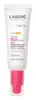
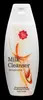
Labore Dermalab Revolutionaire Anti Pigmentation Brightening Physical Sunscreen SPF 50+ PA++++ Versus Viva Cosmetics Milk Cleanser Bengkuang
This mineral sunscreen covers the full UV range and blocks ~98% of UVB at SPF 50.
This cream makeup remover is made to dissolve makeup, sunscreen, and daily buildup.

What's inside
What's inside
 Key Ingredients
Benefits
Concerns
Ingredients Side-by-side
Water
Skin ConditioningZinc Oxide
Cosmetic Colorant


Dicaprylyl Ether
Emollient
Coco-Caprylate/Caprate
Emollient
Phenyl Trimethicone
Skin Conditioning
Caprylic/Capric Triglyceride
Masking
Polyhydroxystearic Acid
Emulsifying

Arachidyl Alcohol
Emollient
Niacinamide
Smoothing









Titanium Dioxide
Cosmetic Colorant
Triethoxycaprylylsilane
Behenyl Alcohol
Emollient
Hydroxyacetophenone
Antioxidant
Allantoin
Skin Conditioning
Nicotinamide Adenine Dinucleotide
Skin ConditioningMaltodextrin
Absorbent
Bacillus Lysate
Skin ProtectingGlycyrrhiza Glabra Root Extract
Bleaching
Squalane
Emollient
Cysteamine Hcl
Antioxidant
Lithospermum Erythrorhizon Root Extract
Skin ConditioningCyanocobalamin
Skin ConditioningTocopherol
Antioxidant
Artemisia Capillaris Flower Extract
Skin ConditioningBeta-Carotene
Skin ConditioningXanthophylls
Skin ConditioningPalmaria Palmata Extract
Skin Protecting

Ethylhexylglycerin
Skin ConditioningHelianthus Annuus Seed Oil
Emollient
Rosmarinus Officinalis Leaf Extract
AntimicrobialLactobacillus Ferment Lysate
Skin Conditioning
Crambe Abyssinica Seed Oil
Skin Conditioning
Arachidyl Glucoside
EmulsifyingHydroxyethyl Acrylate/Sodium Acryloyldimethyl Taurate Copolymer
Emulsion StabilisingPropanediol
Solvent
Polysorbate 60
Emulsifying
Dipropylene Glycol
HumectantPolyacrylate Crosspolymer-6
Emulsion StabilisingOryza Sativa Extract
Absorbent
Propylene Glycol
Humectant
Glycerin
Humectant
Silica
Abrasive
Polyglyceryl-10 Laurate
Skin Conditioning
1,2-Hexanediol
Skin Conditioning
Lecithin
Emollient
Aminomethyl Propanol
BufferingSorbitan Isostearate
Emulsifying
Pentylene Glycol
Skin Conditioning
Water, Zinc Oxide, Dicaprylyl Ether, Coco-Caprylate/Caprate, Phenyl Trimethicone, Caprylic/Capric Triglyceride, Polyhydroxystearic Acid, Arachidyl Alcohol, Niacinamide, Titanium Dioxide, Triethoxycaprylylsilane, Behenyl Alcohol, Hydroxyacetophenone, Allantoin, Nicotinamide Adenine Dinucleotide, Maltodextrin, Bacillus Lysate, Glycyrrhiza Glabra Root Extract, Squalane, Cysteamine Hcl, Lithospermum Erythrorhizon Root Extract, Cyanocobalamin, Tocopherol, Artemisia Capillaris Flower Extract, Beta-Carotene, Xanthophylls, Palmaria Palmata Extract, Ethylhexylglycerin, Helianthus Annuus Seed Oil, Rosmarinus Officinalis Leaf Extract, Lactobacillus Ferment Lysate, Crambe Abyssinica Seed Oil, Arachidyl Glucoside, Hydroxyethyl Acrylate/Sodium Acryloyldimethyl Taurate Copolymer, Propanediol, Polysorbate 60, Dipropylene Glycol, Polyacrylate Crosspolymer-6, Oryza Sativa Extract, Propylene Glycol, Glycerin, Silica, Polyglyceryl-10 Laurate, 1,2-Hexanediol, Lecithin, Aminomethyl Propanol, Sorbitan Isostearate, Pentylene Glycol







Reviews
Ingredients Explained
These ingredients are found in both products.
Ingredients higher up in an ingredient list are typically present in a larger amount.
Helianthus Annuus Seed Oil is a plant oil derived from the seeds of a sunflower.
It is rich in fatty acids, primarily linoleic acid and oleic acid. This gives it emollient and skin conditioning properties.
The reason this ingredient is so effective is because it forms a thin film on the skin that reduces transepidermal water loss (TEWL) while supplying linoleic acid to the stratum corneum to improve barrier strength.
The high linoleic acid content is particularly noteworthy for acne-prone skin.
Research suggests that acne-prone skin tends to be deficient in linoleic acid in sebum. Topical application may help replenish this to support a healthier follicular environment and less comedone-promoting sebum.
One randomized study found sunflower seed oil preserved skin barrier integrity in adult volunteers with and without atopic dermatitis (outperforming olive oil).
This ingredient is well-studied, gentle, and an effective emollient suitable for most skin types.
On fungal acne: This ingredient may not be Fungal acne (Malassezia folliculitis) safe. This is because it contains fatty acids with carbon chain lengths in the C11-C24 range.
Learn more about Helianthus Annuus Seed OilPropylene Glycol is a synthetic, colorless, odorless liquid that has been a staple in cosmetics for decades. It is a skin conditioning agent, humectant, and solvent.
As a humectant, it draw water to the skin to reduce flaking and restore suppleness. It's also a solvent that helps dissolve other actives and keeps formulas stable across temperature changes.
The CIR Expert Panel has confirmed this ingredient to be nontoxic and clinical studies show no sensitization at cosmetic use concentrations.
True allergic reactions are quite rare: a 15-year retrospective study of 6,751 patients found only 0.31% had a positive reaction (and less than half were considered clinically relevant).
It seemed that when sensitization does occur, it's most commonly linked to topical medication (like corticosteroids) and not cosmetics. Allergic contact dermatitis also appears largely limited to individuals with underlying skin conditions.
Overall, propylene glycol is a well-studied ingredient that most people can tolerate without issue.
Learn more about Propylene GlycolWater. It's the most common cosmetic ingredient of all. You'll usually see it at the top of ingredient lists, meaning that it makes up the largest part of the product.
So why is it so popular? Water most often acts as a solvent - this means that it helps dissolve other ingredients into the formulation.
You'll also recognize water as that liquid we all need to stay alive. If you see this, drink a glass of water. Remember to stay hydrated!
Learn more about Water

