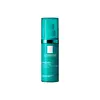
This acne moisturizer is formulated around Azelaic Acid and Salicylic Acid to clear breakouts and refine skin texture.


What's inside
What's inside
 Key Ingredients
Benefits
Concerns
Ingredients Side-by-side
Water
Skin ConditioningAzelaic Acid
Buffering









C15-19 Alkane
SolventGlycerin
Humectant

Triethyl Citrate
Masking

Diglycerin
Humectant
Salicylic Acid
Masking





Panthenol
Skin Conditioning
Silica
Abrasive
Ammonium Polyacryloyldimethyl Taurate
Emulsion StabilisingTaraxacum Officinale Rhizome/Root Extract
Skin ConditioningZinc Gluconate
Skin Conditioning
Glyceryl Stearate
Emollient
PEG-100 Stearate
Surfactant
Sodium Hyaluronate
Humectant

Sodium Hydroxide
BufferingSodium Phosphate
BufferingDisodium Phosphate
BufferingHydroxyethylcellulose
Emulsion StabilisingHydroxypropyl Starch Phosphate
Tetrasodium Glutamate Diacetate
ChelatingCitric Acid
Buffering
Trisodium Ethylenediamine Disuccinate
ChelatingPentylene Glycol
Skin Conditioning
Polysorbate 60
Emulsifying
Parfum
Masking
Water, Azelaic Acid, C15-19 Alkane, Glycerin, Triethyl Citrate, Diglycerin, Salicylic Acid, Panthenol, Silica, Ammonium Polyacryloyldimethyl Taurate, Taraxacum Officinale Rhizome/Root Extract, Zinc Gluconate, Glyceryl Stearate, PEG-100 Stearate, Sodium Hyaluronate, Sodium Hydroxide, Sodium Phosphate, Disodium Phosphate, Hydroxyethylcellulose, Hydroxypropyl Starch Phosphate, Tetrasodium Glutamate Diacetate, Citric Acid, Trisodium Ethylenediamine Disuccinate, Pentylene Glycol, Polysorbate 60, Parfum
Water
Skin ConditioningPropanediol
Solvent
Caprylic/Capric Triglyceride
Masking
Coconut Alkanes
Emollient
Ectoin 2%
Skin Conditioning
Hydrolyzed Sodium Hyaluronate
Skin Conditioning
Sodium Hyaluronate
Humectant
Maltodextrin
Absorbent
Phenoxyethanol
Preservative
Sodium Stearoyl Glutamate
CleansingPanthenol
Skin Conditioning
Cetearyl Alcohol
Emollient

Sclerotium Gum
Emulsion StabilisingXanthan Gum
EmulsifyingGlyceryl Stearate
Emollient
Jojoba Esters
Emollient
Coco-Caprylate/Caprate
Emollient
Ethylhexylglycerin
Skin ConditioningSodium Citrate
BufferingHelianthus Annuus Seed Wax
Skin Conditioning
Citric Acid
Buffering
Polyglyceryl-10 Stearate
Skin Conditioning
Avena Sativa Kernel Extract
Abrasive
Glycerin
Humectant
Leuconostoc/Radish Root Ferment Filtrate
Antimicrobial
Triethyl Citrate
Masking
Pentylene Glycol
Skin Conditioning
Polyglyceryl-6 Behenate
Emulsion Stabilising
Sodium Hyaluronate Crosspolymer
Humectant
Ceramide NP
Skin Conditioning
Hyaluronic Acid
Humectant
Ceramide AP
Skin Conditioning
Cholesterol
Emollient
Phytosphingosine
Skin Conditioning
Behenic Acid
Cleansing
Sodium Levulinate
Skin ConditioningPolyglycerin-3
Humectant
Potassium Sorbate
Preservative
Sodium Cetearyl Sulfate
Cleansing
Ceramide EOP
Skin Conditioning
Water, Propanediol, Caprylic/Capric Triglyceride, Coconut Alkanes, Ectoin 2%, Hydrolyzed Sodium Hyaluronate, Sodium Hyaluronate, Maltodextrin, Phenoxyethanol, Sodium Stearoyl Glutamate, Panthenol, Cetearyl Alcohol, Sclerotium Gum, Xanthan Gum, Glyceryl Stearate, Jojoba Esters, Coco-Caprylate/Caprate, Ethylhexylglycerin, Sodium Citrate, Helianthus Annuus Seed Wax, Citric Acid, Polyglyceryl-10 Stearate, Avena Sativa Kernel Extract, Glycerin, Leuconostoc/Radish Root Ferment Filtrate, Triethyl Citrate, Pentylene Glycol, Polyglyceryl-6 Behenate, Sodium Hyaluronate Crosspolymer, Ceramide NP, Hyaluronic Acid, Ceramide AP, Cholesterol, Phytosphingosine, Behenic Acid, Sodium Levulinate, Polyglycerin-3, Potassium Sorbate, Sodium Cetearyl Sulfate, Ceramide EOP
Reviews
Ingredients Explained
These ingredients are found in both products.
Ingredients higher up in an ingredient list are typically present in a larger amount.
Citric Acid is an alpha hydroxy acid (AHA) naturally found in citrus fruits like oranges, lemons, and limes.
Like other AHAs, citric acid can exfoliate skin by breaking down the bonds that hold dead skin cells together. This helps reveal smoother and brighter skin underneath.
However, this exfoliating effect only happens at high concentrations (20%) which can be hard to find in cosmetic products.
Due to this, citric acid is usually included in small amounts as a pH adjuster. This helps keep products slightly more acidic and compatible with skin's natural pH.
In skincare formulas, citric acid can:
While it can provide some skin benefits, research shows lactic acid and glycolic acid are generally more effective and less irritating exfoliants.
Most citric acid used in skincare today is made by fermenting sugars (usually from molasses). This synthetic version is identical to the natural citrus form but easier to stabilize and use in formulations.
Rosacea skin has a lower threshold for acids generally, with 62.5% of rosacea subjects in one study reacting to lactic acid in a sting test. This is why we mark citric acid as a potential rosacea trigger.
However, this ingredient shows up as a pH adjuster or chelator at roughly 0.1-1% in many products. These low levels are unlikely to be an issue for rosacea skin and becomes a potential trigger at exfoliating concentrations (20%). Because everybody's skin is unique, we recommend a patch test if you are unsure.
Learn more about Citric AcidGlycerin (or glycerol) is a compound naturally found in your skin. It's a powerhouse humectant that pulls water into the stratum corneum.
Topically, glycerin does several things at once:
Your skin makes glycerin on its own (mostly from sebaceous oil breakdown) and shuttles it to your outermost layer of skin, or your epidermis, via aquaporin-3.
Aquaporin-3 is a transporter that is essential for normal skin hydration, elasticity, and repair. Interestingly, mice lacking in AQP3 have dry and less elastic skin that can be fully corrected with glycerin.
This ingredient is non-irritating, plays well with almost every ingredient, and works across all skin types. Typical use is anywhere between 3-10% but can go up to 79% in some leave-on products.
Just know very high concentrations (>40%) can feel tacky in low humidity.
Glycerin is the name for this ingredient in American English. British English uses Glycerol/Glycerine.
Learn more about GlycerinGlyceryl Stearate is made by reacting glycerin with stearic acid (typically sourced from plant oils like palm or coconut). It's an emulsifier, emollient, and mild occlusive.
Emulsifiers help ingredients like oil and water stay mixed so your formula stays nicely blended and uniform in texture.
This ingredient is typically used in concentrations between 1-10%. Studies have found it to be non-sensitizing, non-phototoxic, and non-photoallergenic.
A close cousin of this ingredient is Glyceryl Stearate SE ("self-emulsifying"). This just has a small amount of sodium or potassium stearate added so it can emulsify without a co-emulsifier.
Since this ingredient is an ester of a C18 fatty acid, it may not be fungal acne safe. The Malassezia yeast can potentially metabolize within the C11-C24 range.
Fun fact: The human body also creates Glyceryl Stearate naturally.
Learn more about Glyceryl StearatePanthenol is a common ingredient that helps hydrate and soothe the skin. It is found naturally in our skin and hair.
There are two forms of panthenol: D and L.
D-panthenol is also known as dexpanthenol. Most cosmetics use dexpanthenol or a mixture of D and L-panthenol.
Panthenol is famous due to its ability to go deeper into the skin's layers. Using this ingredient has numerous pros (and no cons):
Like hyaluronic acid, panthenol is a humectant. Humectants are able to bind and hold large amounts of water to keep skin hydrated.
This ingredient works well for wound healing. It works by increasing tissue in the wound and helps close open wounds.
Once oxidized, panthenol converts to pantothenic acid. Panthothenic acid is found in all living cells.
This ingredient is also referred to as pro-vitamin B5.
Learn more about PanthenolPentylene Glycol (1,2-pentanediol) is a multitasking little diol with three main roles in a formula:
Research on alkanediols (the family pentylene glycol belongs to) show they work by disrupting microbial cell membranes. This disruption helps the primary preservative system in a product work more effectively at lower doses.
On the safety side, the Cosmetic Ingredient Review Expert Panel has concluded this ingredient to be safe as used in current cosmetic practices + concentrations.
Typical use levels in a formula run about 1-5%.
Learn more about Pentylene GlycolSodium Hyaluronate is the salt form of hyaluronic acid. It is a long sugar chain that is naturally found in your skin, joints, and connective tissue that maintains hydration and elasticity.
In skincare, it works as a humectant. It pulls water from the environment and deeper layers of skin and binds it to the surface.
Interestingly, the size of the molecule affects its behavior:
Some clinical evidence links low molecular weight versions to improved wrinkle depth, elasticity, anti-inflammatory effects, and barrier repair.
Many serums use a blend of both weights so you can get surface hydration plus longer-lasting and deeper effects.
You'll typically see concentrations between 0.1-2% for this ingredient.
Learn more about Sodium HyaluronateTriethyl Citrate comes from citric acid. It has masking, perfuming, and solvent properties. As a solvent, this ingredient helps disperse ingredients evenly in skincare.
One manufacturer claims this ingredient can:
According to perfume manufacturers, this ingredient is almost odorless but has a mild fruity, wine and plum scent. It can be used to mask the scent of other ingredients.
This ingredient can be plant-sourced or synthetic; it can naturally be found in cabbage and white wine.
Learn more about Triethyl CitrateWater. It's the most common cosmetic ingredient of all. You'll usually see it at the top of ingredient lists, meaning that it makes up the largest part of the product.
So why is it so popular? Water most often acts as a solvent - this means that it helps dissolve other ingredients into the formulation.
You'll also recognize water as that liquid we all need to stay alive. If you see this, drink a glass of water. Remember to stay hydrated!
Learn more about Water

