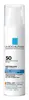
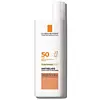
La Roche-Posay Anthelios UV Hydra Hydrating Face Sunscreen SPF 50 With Hyaluronic Acid Versus La Roche-Posay Anthelios Tinted Mineral Light Fluid Sunscreen SPF 50

What's inside
What's inside
 Key Ingredients
Benefits
Concerns
Ingredients Side-by-side
Butyl Methoxydibenzoylmethane 3%
UV Absorber
Homosalate 7%
Skin Conditioning
Ethylhexyl Salicylate 5%
UV Absorber
Octocrylene 7%
UV Absorber

Water
Skin ConditioningGlycerin
Humectant


C15-19 Alkane
SolventPropanediol
Solvent
C12-22 Alkyl Acrylate/Hydroxyethylacrylate Copolymer
StabilisingPanthenol
Skin Conditioning

Tocopherol
Antioxidant




Sodium Stearoyl Glutamate
CleansingCetearyl Alcohol
Emollient





Sclerotium Gum
Emulsion StabilisingHydroxyacetophenone
Antioxidant
Caprylyl Glycol
Emollient
Sodium Starch Octenylsuccinate
AbsorbentGlyceryl Stearate
Emollient
Jojoba Esters
Emollient
Helianthus Annuus Seed Wax
Skin Conditioning
Hydroxypropyl Starch Phosphate
Trisodium Ethylenediamine Disuccinate
Sodium Hyaluronate
Humectant
Pentylene Glycol
Skin Conditioning
Diethylhexyl Syringylidenemalonate
Skin ProtectingCassia Alata Leaf Extract
AstringentMaltodextrin
Absorbent
Citric Acid
Buffering
Caprylic/Capric Triglyceride
Masking
Polyglycerin-3
Humectant
Butyl Methoxydibenzoylmethane 3%, Homosalate 7%, Ethylhexyl Salicylate 5%, Octocrylene 7%, Water, Glycerin, C15-19 Alkane, Propanediol, C12-22 Alkyl Acrylate/Hydroxyethylacrylate Copolymer, Panthenol, Tocopherol, Sodium Stearoyl Glutamate, Cetearyl Alcohol, Sclerotium Gum, Hydroxyacetophenone, Caprylyl Glycol, Sodium Starch Octenylsuccinate, Glyceryl Stearate, Jojoba Esters, Helianthus Annuus Seed Wax, Hydroxypropyl Starch Phosphate, Trisodium Ethylenediamine Disuccinate, Sodium Hyaluronate, Pentylene Glycol, Diethylhexyl Syringylidenemalonate, Cassia Alata Leaf Extract, Maltodextrin, Citric Acid, Caprylic/Capric Triglyceride, Polyglycerin-3
Titanium Dioxide 11%
Cosmetic Colorant
Water
Skin ConditioningIsododecane
EmollientC12-15 Alkyl Benzoate
AntimicrobialDimethicone
Emollient
Undecane
EmollientTriethylhexanoin
MaskingIsohexadecane
EmollientStyrene/Acrylates Copolymer
Nylon-12

Caprylyl Methicone
Skin Conditioning
Butyloctyl Salicylate
Skin Conditioning
Phenethyl Benzoate
Emollient
Silica
Abrasive

Tridecane
Perfuming
Dicaprylyl Carbonate
EmollientDicaprylyl Ether
Emollient
Talc
Abrasive
Dimethicone/PEG-10/15 Crosspolymer
Aluminum Stearate
Cosmetic ColorantPentylene Glycol
Skin Conditioning
PEG-9 Polydimethylsiloxyethyl Dimethicone
Emulsifying
Iron Oxides
Alumina
Abrasive
Polyhydroxystearic Acid
Emulsifying
Phenoxyethanol
Preservative
Magnesium Sulfate
Propylene Glycol
Humectant
Caprylyl Glycol
Emollient
Aluminum Hydroxide
EmollientPEG-8 Laurate
Emulsifying
Stearic Acid
Cleansing
Disteardimonium Hectorite
StabilisingDiethylhexyl Syringylidenemalonate
Skin ProtectingTocopherol
Antioxidant
Propylene Carbonate
SolventCassia Alata Leaf Extract
AstringentMaltodextrin
Absorbent
Benzoic Acid
Masking
Disodium Stearoyl Glutamate
CleansingTitanium Dioxide 11%, Water, Isododecane, C12-15 Alkyl Benzoate, Dimethicone, Undecane, Triethylhexanoin, Isohexadecane, Styrene/Acrylates Copolymer, Nylon-12, Caprylyl Methicone, Butyloctyl Salicylate, Phenethyl Benzoate, Silica, Tridecane, Dicaprylyl Carbonate, Dicaprylyl Ether, Talc, Dimethicone/PEG-10/15 Crosspolymer, Aluminum Stearate, Pentylene Glycol, PEG-9 Polydimethylsiloxyethyl Dimethicone, Iron Oxides, Alumina, Polyhydroxystearic Acid, Phenoxyethanol, Magnesium Sulfate, Propylene Glycol, Caprylyl Glycol, Aluminum Hydroxide, PEG-8 Laurate, Stearic Acid, Disteardimonium Hectorite, Diethylhexyl Syringylidenemalonate, Tocopherol, Propylene Carbonate, Cassia Alata Leaf Extract, Maltodextrin, Benzoic Acid, Disodium Stearoyl Glutamate
Reviews
Ingredients Explained
These ingredients are found in both products.
Ingredients higher up in an ingredient list are typically present in a larger amount.
Caprylyl Glycol is a humectant, skin conditioner, emollient, and preservative booster derived from either caprylic acid or synthetically created.
Typical use levels vary from 0.3-1% as a preservative booster and go up to 2% to condition skin.
Because it is not a free-fatty acid, this ingredient is fungal acne safe (there's nothing for Malassezia to feed on).
Learn more about Caprylyl GlycolWe don't have a description for Cassia Alata Leaf Extract yet.
Diethylhexyl Syringylidenemalonate (DESM) is a photostabilizer, antioxidant, and SPF booster.
One of DESM's main roles is stabilizing UV filters, especially avobenzone. Avobenzone is notoriously unstable when exposed to sunlight. By enhancing the stability of these filters, DESM helps maintain the sunscreen's effectivess through wear. It also helps improve protection against long-wave UVA rays by increasing the wavelength of the formula.
Besides enhancing UVA protection, DESM can boost the SPF of high-SPF formulations by up to 5 units.
DESM also preserves the color integrity of cosmetic products and helps reduce the chance of yellowing of fading due to light exposure.
This ingredient is typically found in concentrations between 0.3% - 0.5%. There are currently no maximum usage limits by regulatory bodies.
Though this ingredient is a chemical UV filter, it can often be found in "100% mineral" sunscreens. This is due to regulatory loopholes.
Learn more about Diethylhexyl SyringylidenemalonateMaltodextrin is a plant-derived carbohydrate made by breaking down starch (usually from corn, potato, or rice). In cosmetic formulas, it's a multitasking absorbent, emulsion stabilizer, and skin conditioner.
This ingredient is mostly used to stabilize emulsions and improve the powdery, non-greasy feel of products (like dry shampoos).
Safety-wise, this ingredient is pretty solid; it's even recognized as a food additive. Both animal and clinical studies found no adverse effects at the levels used in cosmetics.
Industry data shows this ingredient is used up to 45.7% in spray products and up to 33% in powder products.
Learn more about MaltodextrinPentylene Glycol (1,2-pentanediol) is a multitasking little diol with three main roles in a formula:
Research on alkanediols (the family pentylene glycol belongs to) show they work by disrupting microbial cell membranes. This disruption helps the primary preservative system in a product work more effectively at lower doses.
On the safety side, the Cosmetic Ingredient Review Expert Panel has concluded this ingredient to be safe as used in current cosmetic practices + concentrations.
Typical use levels in a formula run about 1-5%.
Learn more about Pentylene GlycolTocopherol is a fat-soluble antioxidant known as Vitamin E.
You'll find this ingredient in the vast majority of skincare (for good reason). It works to neutralize free radicals, or unstable molecules generated by UV exposure, pollution, and other environmental stressors, before they can cause oxidative damage to your skin cells.
Topically applied tocopherol has been shown to protect against UV damage by ramping up the skin's own natural defense enzymes.
It also acts as a skin conditioning agent; some studies show that regular topical use can improve the skin's water-binding capacity over 2-4 weeks.
This ingredient is especially loved for being a team player. When combined with Vitamin C, the photoprotective effect of both ingredients roughly doubles and the combo also helps reduce UV-induced DNA damage.
This ingredient has some brightening potential but it's more of a prevention ingredient than spot-fader. Cell studies show it can slow down melanin production but it's worth noting that it's not the most powerful brightener out there.
In formulations, it also serves as a stabilizer that helps protect other oxidation-prone ingredients from degrading.
Concentrations usually range from 0.1-1% in most leave-on products.
Learn more about TocopherolWater. It's the most common cosmetic ingredient of all. You'll usually see it at the top of ingredient lists, meaning that it makes up the largest part of the product.
So why is it so popular? Water most often acts as a solvent - this means that it helps dissolve other ingredients into the formulation.
You'll also recognize water as that liquid we all need to stay alive. If you see this, drink a glass of water. Remember to stay hydrated!
Learn more about Water

