

What's inside
What's inside
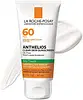 Key Ingredients
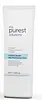
Benefits
Concerns
Ingredients Side-by-side
Butyl Methoxydibenzoylmethane 3%
UV Absorber


Homosalate 15%
Skin Conditioning
Ethylhexyl Salicylate 5%
UV Absorber
Octocrylene 7%
UV Absorber
Water
Skin ConditioningSilica
Abrasive
Dicaprylyl Carbonate
EmollientStyrene/Acrylates Copolymer
Butyloctyl Salicylate
Skin Conditioning
Methyl Methacrylate Crosspolymer
Nylon-12
PEG-100 Stearate

Glyceryl Stearate
Emollient
Perlite
AbsorbentBeeswax
Emulsion Stabilising

Ammonium Polyacryloyldimethyl Taurate
Emulsion StabilisingPhenoxyethanol
Preservative
PEG-8 Laurate
Emulsifying
Behenyl Alcohol
Emollient
Sodium Stearoyl Glutamate
CleansingChlorphenesin
Antimicrobial
P-Anisic Acid
MaskingXanthan Gum
EmulsifyingTocopherol
Antioxidant





Disodium EDTA
Arachidyl Alcohol
EmollientDiethylhexyl Syringylidenemalonate
Skin ProtectingPropylene Glycol
Humectant
Cassia Alata Leaf Extract
AstringentMaltodextrin
Absorbent
Stearyl Alcohol
Emollient
T-Butyl Alcohol
Perfuming


Caprylic/Capric Triglyceride
Masking
Butyl Methoxydibenzoylmethane 3%, Homosalate 15%, Ethylhexyl Salicylate 5%, Octocrylene 7%, Water, Silica, Dicaprylyl Carbonate, Styrene/Acrylates Copolymer, Butyloctyl Salicylate, Methyl Methacrylate Crosspolymer, Nylon-12, PEG-100 Stearate, Glyceryl Stearate, Perlite, Beeswax, Ammonium Polyacryloyldimethyl Taurate, Phenoxyethanol, PEG-8 Laurate, Behenyl Alcohol, Sodium Stearoyl Glutamate, Chlorphenesin, P-Anisic Acid, Xanthan Gum, Tocopherol, Disodium EDTA, Arachidyl Alcohol, Diethylhexyl Syringylidenemalonate, Propylene Glycol, Cassia Alata Leaf Extract, Maltodextrin, Stearyl Alcohol, T-Butyl Alcohol, Caprylic/Capric Triglyceride
Water
Skin ConditioningGlycerin
Humectant
Glyceryl Stearate
Emollient
C12-15 Alkyl Benzoate
AntimicrobialCaprylic/Capric Triglyceride
Masking
Dimethicone
Emollient
Behenyl Alcohol
Emollient
PEG-100 Stearate
Cyclopentasiloxane
Emollient
Dimethiconol
Emollient
Butyrospermum Parkii Butter
Skin Conditioning
Sodium Acrylates Copolymer
Sodium Hyaluronate Crosspolymer
Humectant
Sodium Hyaluronate
Humectant
Sodium Acetylated Hyaluronate
Humectant
Hydrolyzed Sodium Hyaluronate
Skin Conditioning
Sodium PCA
Humectant
Cetearyl Alcohol
Emollient
Ribose
HumectantSaccharide Isomerate
Humectant
Hydrogenated Starch Hydrolysate
HumectantAscophyllum Nodosum Extract
Skin ConditioningAsparagopsis Armata Extract
Skin ProtectingErythritol
Humectant
Chondrus Crispus
Masking
Ceramide NP
Skin Conditioning
Squalane
Emollient
Phenethyl Alcohol
Masking1,2-Hexanediol
Skin Conditioning
Xanthan Gum
EmulsifyingBisabolol
Masking
Sodium Citrate
BufferingPEG-7 Glyceryl Cocoate
Emulsifying
Niacinamide
Smoothing



Tocopheryl Acetate
Antioxidant
Lecithin
Emollient
Glycine Soja Sterols
Emollient
Parfum
Masking
Water, Glycerin, Glyceryl Stearate, C12-15 Alkyl Benzoate, Caprylic/Capric Triglyceride, Dimethicone, Behenyl Alcohol, PEG-100 Stearate, Cyclopentasiloxane, Dimethiconol, Butyrospermum Parkii Butter, Sodium Acrylates Copolymer, Sodium Hyaluronate Crosspolymer, Sodium Hyaluronate, Sodium Acetylated Hyaluronate, Hydrolyzed Sodium Hyaluronate, Sodium PCA, Cetearyl Alcohol, Ribose, Saccharide Isomerate, Hydrogenated Starch Hydrolysate, Ascophyllum Nodosum Extract, Asparagopsis Armata Extract, Erythritol, Chondrus Crispus, Ceramide NP, Squalane, Phenethyl Alcohol, 1,2-Hexanediol, Xanthan Gum, Bisabolol, Sodium Citrate, PEG-7 Glyceryl Cocoate, Niacinamide, Tocopheryl Acetate, Lecithin, Glycine Soja Sterols, Parfum
Reviews
Ingredients Explained
These ingredients are found in both products.
Ingredients higher up in an ingredient list are typically present in a larger amount.
Behenyl Alcohol is a type of fatty alcohol (these are different from the drying, solvent alcohols).
Fatty Alcohols have hydrating properties and are most often used as an emollient or to thicken a product. They are usually derived from natural fats and oils; behenyl alcohol is derived from the fats of vegetable oils.
Emollients help keep your skin soft and hydrated by creating a film that traps moisture in.
In 2000, Behenyl Alcohol was approved by the US as medicine to reduce the duration of cold sores.
Learn more about Behenyl AlcoholThis ingredient is an emollient, solvent, and texture enhancer. It is considered a skin-softener by helping the skin prevent moisture loss.
It helps thicken a product's formula and makes it easier to spread by dissolving clumping compounds.
Caprylic Triglyceride is made by combining glycerin with coconut oil, forming a clear liquid.
While there is an assumption Caprylic Triglyceride can clog pores due to it being derived from coconut oil, there is no research supporting this.
Learn more about Caprylic/Capric TriglycerideGlyceryl Stearate is a mix of glycerin and stearic acid.
It is used to stabilize the mixing of water and oil ingredients. By preventing these ingredients from separating, it can help elongate shelf life. It can also help thicken the product's texture.
As an emollient, it helps soften skin and supports barrier-replenishing ingredients.
In cosmetics, Glyceryl Stearate is often made from vegetable oils or synthetically produced.
This ingredient may not be fungal-acne safe
Fun fact: The human body also creates Glyceryl Stearate naturally.
Learn more about Glyceryl StearatePeg-100 Stearate is an emollient and emulsifier. As an emollient, it helps keep skin soft by trapping moisture in. On the other hand, emulsifiers help prevent oil and water from separating in a product.
PEGS are a hydrophilic polyether compound . There are 100 ethylene oxide monomers in Peg-100 Stearate. Peg-100 Stearate is polyethylene glycol ester of stearic acid.
Water. It's the most common cosmetic ingredient of all. You'll usually see it at the top of ingredient lists, meaning that it makes up the largest part of the product.
So why is it so popular? Water most often acts as a solvent - this means that it helps dissolve other ingredients into the formulation.
You'll also recognize water as that liquid we all need to stay alive. If you see this, drink a glass of water. Stay hydrated!
Learn more about WaterXanthan gum is used as a stabilizer and thickener within cosmetic products. It helps give products a sticky, thick feeling - preventing them from being too runny.
On the technical side of things, xanthan gum is a polysaccharide - a combination consisting of multiple sugar molecules bonded together.
Xanthan gum is a pretty common and great ingredient. It is a natural, non-toxic, non-irritating ingredient that is also commonly used in food products.
Learn more about Xanthan Gum
