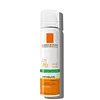
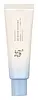
La Roche-Posay Anthelios Anti-Shine Invisible Fresh Mist Spray SPF 50 Versus Beauty of Joseon Relief Sun Aqua-Fresh Rice + B5 SPF 50+


What's inside
What's inside
 Key Ingredients
Benefits
Concerns
Ingredients Side-by-side
Butane
Water
Skin ConditioningIsopropyl Myristate
Emollient


Glycerin
Humectant


Diisopropyl Sebacate
EmollientEthylhexyl Salicylate
UV Absorber

Bis-Ethylhexyloxyphenol Methoxyphenyl Triazine
Skin Conditioning
Butyl Methoxydibenzoylmethane
UV Absorber
C12-15 Alkyl Benzoate
AntimicrobialDrometrizole Trisiloxane
UV Absorber
Dicaprylyl Carbonate
EmollientStyrene/Acrylates Copolymer
Caprylyl Glycol
Emollient
Carnosine
Skin Conditioning
Diisopropyl Adipate
EmollientDimethicone
Emollient
Disteardimonium Hectorite
StabilisingEthylhexyl Triazone
UV Absorber
Hydroxyacetophenone
Antioxidant


Isododecane
EmollientIsostearyl Alcohol
Emollient
Lauryl PEG/PPG-18/18 Methicone
Skin Conditioning
Methyl Methacrylate Crosspolymer

Nylon-12
P-Anisic Acid
Masking
Parfum
Masking


PEG-20
HumectantPEG-30 Dipolyhydroxystearate
Emulsifying
PEG-8 Laurate
Emulsifying
Poly C10-30 Alkyl Acrylate
Emulsion StabilisingPolymethylsilsesquioxane
Propanediol
Solvent
Propylene Carbonate
SolventSilica Silylate
Emollient
Sodium Chloride
MaskingSodium Dodecylbenzenesulfonate
CleansingTocopherol
Antioxidant


Trisodium Ethylenediamine Disuccinate
Butane, Water, Isopropyl Myristate, Glycerin, Diisopropyl Sebacate, Ethylhexyl Salicylate, Bis-Ethylhexyloxyphenol Methoxyphenyl Triazine, Butyl Methoxydibenzoylmethane, C12-15 Alkyl Benzoate, Drometrizole Trisiloxane, Dicaprylyl Carbonate, Styrene/Acrylates Copolymer, Caprylyl Glycol, Carnosine, Diisopropyl Adipate, Dimethicone, Disteardimonium Hectorite, Ethylhexyl Triazone, Hydroxyacetophenone, Isododecane, Isostearyl Alcohol, Lauryl PEG/PPG-18/18 Methicone, Methyl Methacrylate Crosspolymer, Nylon-12, P-Anisic Acid, Parfum, PEG-20, PEG-30 Dipolyhydroxystearate, PEG-8 Laurate, Poly C10-30 Alkyl Acrylate, Polymethylsilsesquioxane, Propanediol, Propylene Carbonate, Silica Silylate, Sodium Chloride, Sodium Dodecylbenzenesulfonate, Tocopherol, Trisodium Ethylenediamine Disuccinate
Water
Skin ConditioningOryza Sativa Seed Water
Antimicrobial
Dibutyl Adipate
EmollientButyloctyl Salicylate
Skin Conditioning
Ethylhexyl Triazone
UV Absorber
1,2-Hexanediol
Skin Conditioning
Drometrizole Trisiloxane
UV Absorber
Polyglyceryl-3 Distearate
Emulsifying
Terephthalylidene Dicamphor Sulfonic Acid
UV Absorber
Diethylamino Hydroxybenzoyl Hexyl Benzoate
UV Filter
Polymethylsilsesquioxane
Tromethamine
BufferingPanthenol
Skin Conditioning
Pentylene Glycol
Skin Conditioning
Glyceryl Stearate
Emollient
Silica
Abrasive

Caprylyl Methicone
Skin Conditioning
Avena Sativa Kernel Extract
Abrasive
Cynara Scolymus Leaf Extract
Skin ConditioningCamellia Sinensis Leaf Water
Masking
Hydrogenated Lecithin
Emulsifying
Oryza Sativa Bran Oil
Emollient
Sodium Hyaluronate
Humectant
Bis-Ethylhexyloxyphenol Methoxyphenyl Triazine
Skin Conditioning
Propanediol
Solvent
Potassium Cetyl Phosphate
EmulsifyingPoly C10-30 Alkyl Acrylate
Emulsion StabilisingMethylpropanediol
SolventCarbomer
Emulsion StabilisingAcrylates/C10-30 Alkyl Acrylate Crosspolymer
Emulsion StabilisingEthylhexylglycerin
Skin ConditioningXanthan Gum
EmulsifyingGlycerin
Humectant
Polyether-1
Polyquaternium-51
Skin Conditioning
Beta-Glucan
Skin Conditioning
Biosaccharide Gum-1
Humectant
Inositol
Humectant
Tocopherol
Antioxidant
Ferulic Acid
Antimicrobial
Citric Acid
Buffering
Ceramide NP
Skin Conditioning
Phytosphingosine
Skin Conditioning
Rice Amino Acids
Skin Conditioning
Rice Sh-Oligopeptide-1
Skin Conditioning
Water, Oryza Sativa Seed Water, Dibutyl Adipate, Butyloctyl Salicylate, Ethylhexyl Triazone, 1,2-Hexanediol, Drometrizole Trisiloxane, Polyglyceryl-3 Distearate, Terephthalylidene Dicamphor Sulfonic Acid, Diethylamino Hydroxybenzoyl Hexyl Benzoate, Polymethylsilsesquioxane, Tromethamine, Panthenol, Pentylene Glycol, Glyceryl Stearate, Silica, Caprylyl Methicone, Avena Sativa Kernel Extract, Cynara Scolymus Leaf Extract, Camellia Sinensis Leaf Water, Hydrogenated Lecithin, Oryza Sativa Bran Oil, Sodium Hyaluronate, Bis-Ethylhexyloxyphenol Methoxyphenyl Triazine, Propanediol, Potassium Cetyl Phosphate, Poly C10-30 Alkyl Acrylate, Methylpropanediol, Carbomer, Acrylates/C10-30 Alkyl Acrylate Crosspolymer, Ethylhexylglycerin, Xanthan Gum, Glycerin, Polyether-1, Polyquaternium-51, Beta-Glucan, Biosaccharide Gum-1, Inositol, Tocopherol, Ferulic Acid, Citric Acid, Ceramide NP, Phytosphingosine, Rice Amino Acids, Rice Sh-Oligopeptide-1
Reviews
Ingredients Explained
These ingredients are found in both products.
Ingredients higher up in an ingredient list are typically present in a larger amount.
You might know this ingredient as Tinosorb S or Bemotrizinol. It is a UV filter that covers both UVA and UVB rays.
This ingredient has two peak UV absorption peaks ( 310 and 340 nm) and is able to absorb both UV-A and UV-B rays. This ingredient works by preventing UV rays from reaching and damaging your skin.
On top of that - it is highly photostable and helps prevent the photodegration of other sunscreen ingredients such as avobenzone.
Tinosorb S is allowed in the EU, Australia, and Asia. It is close to being approved by the FDA and we'll hopefully get this ingredient in the U.S. by late 2026.
Fun fact: Tinosorb S is the most effective UV absorber at maximum concentration (measured by SPF) permitted in the EU.
This ingredient is oil-soluble, so your oil-cleansers will take this right off at night.
Learn more about Bis-Ethylhexyloxyphenol Methoxyphenyl TriazineDrometrizole Trisiloxane is a UV filter that provides both UV-A (344 nm) and UV-B (303 nm) protection.
This ingredient is photostable and studies show it to be generally safe and effective. The compound Meroxyl XL is owned by L'Oreal while Drometrizole trisiloxane can be found in other sunscreen brands.
It is currently approved for use in the EU, Canada, Australia, and Japan. However, it is not yet approved for use in the US.
This ingredient is often used with other sunscreen ingredients, such as Ecamsule.
Learn more about Drometrizole TrisiloxaneEthylhexyl Triazone is a modern chemical sunscreen that protects from UV-B radiation.
It is the most effective of existing UV-B filters, as it provides the highest level of photo-stable absorption. It protects from the entire UV-B range (280 to 320nm), with it's highest level of protection at 314nm.
Ethylhexyl Triazone is oil soluble, oderless and colorless, which mean it is able to be incorporated into a variety of different formulations.
It is not currently available within the United States due to slow changing FDA regulations. Outside of the US, it is used in formulations at concentrations up to 5%.
Learn more about Ethylhexyl TriazoneGlycerin (or glycerol) is a compound naturally found in your skin. It's a powerhouse humectant that pulls water into the stratum corneum.
Topically, glycerin does several things at once:
Your skin makes glycerin on its own (mostly from sebaceous oil breakdown) and shuttles it to your outermost layer of skin, or your epidermis, via aquaporin-3.
Aquaporin-3 is a transporter that is essential for normal skin hydration, elasticity, and repair. Interestingly, mice lacking in AQP3 have dry and less elastic skin that can be fully corrected with glycerin.
This ingredient is non-irritating, plays well with almost every ingredient, and works across all skin types. Typical use is anywhere between 3-10% but can go up to 79% in some leave-on products.
Just know very high concentrations (>40%) can feel tacky in low humidity.
Glycerin is the name for this ingredient in American English. British English uses Glycerol/Glycerine.
Learn more about GlycerinThis ingredient is a polymer made from acrylic acid esters and long-chain (C10–C30) alcohols.
It is used as an emulsion stabilizer and viscosity controlling agent. This helps products maintain a smooth and uniform texture.
Polymethylsilsesquioxane is a silicone used as a film forming agent.
When applied to the skin, this ingredient creates an invisible film on the surface. This film still allows oxygen to pass through, but prevents moisture from escaping. This can help condition and hydrate the skin. It also leaves a silky feel when applied.
Polymethylsilsesquioxane has not been shown to clog pores. It has been deemed safe to use up to 55%, but most cosmetics use much less.
If you have concerns about using this ingredient, we recommend speaking with a professional.
Learn more about PolymethylsilsesquioxanePropanediol is an all-star ingredient. It softens, hydrates, and smooths the skin.
It’s often used to:
Propanediol is not likely to cause sensitivity and considered safe to use. It is derived from corn or petroleum with a clear color and no scent.
Learn more about PropanediolTocopherol is a fat-soluble antioxidant known as Vitamin E.
You'll find this ingredient in the vast majority of skincare (for good reason). It works to neutralize free radicals, or unstable molecules generated by UV exposure, pollution, and other environmental stressors, before they can cause oxidative damage to your skin cells.
Topically applied tocopherol has been shown to protect against UV damage by ramping up the skin's own natural defense enzymes.
It also acts as a skin conditioning agent; some studies show that regular topical use can improve the skin's water-binding capacity over 2-4 weeks.
This ingredient is especially loved for being a team player. When combined with Vitamin C, the photoprotective effect of both ingredients roughly doubles and the combo also helps reduce UV-induced DNA damage.
This ingredient has some brightening potential but it's more of a prevention ingredient than spot-fader. Cell studies show it can slow down melanin production but it's worth noting that it's not the most powerful brightener out there.
In formulations, it also serves as a stabilizer that helps protect other oxidation-prone ingredients from degrading.
Concentrations usually range from 0.1-1% in most leave-on products.
Learn more about TocopherolWater. It's the most common cosmetic ingredient of all. You'll usually see it at the top of ingredient lists, meaning that it makes up the largest part of the product.
So why is it so popular? Water most often acts as a solvent - this means that it helps dissolve other ingredients into the formulation.
You'll also recognize water as that liquid we all need to stay alive. If you see this, drink a glass of water. Remember to stay hydrated!
Learn more about Water
