

What's inside
What's inside
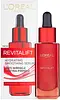 Key Ingredients
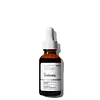
Benefits
Concerns
Ingredients Side-by-side
Water
Skin ConditioningAlcohol Denat.
Antimicrobial





Dipropylene Glycol
HumectantBifida Ferment Lysate
Skin Conditioning


Glycerin
Humectant

Bis-PEG-18 Methyl Ether Dimethyl Silane
EmollientPEG/PPG/Polybutylene Glycol-8/5/3 Glycerin
HumectantHydroxyethylpiperazine Ethane Sulfonic Acid
BufferingPPG-3 Myristyl Ether
EmollientCarbomer
Emulsion StabilisingTriethanolamine
BufferingSodium Hyaluronate
Humectant
Sodium Polyacrylate
Absorbent
Salicyloyl Phytosphingosine
Skin ConditioningAluminum Starch Octenylsuccinate
Absorbent
Adenosine
Skin Conditioning

Ammonium Polyacryloyldimethyl Taurate
Emulsion StabilisingHydrolyzed Soy Protein
Humectant
Acetyl Trifluoromethylphenyl Valylglycine
Skin ConditioningXanthan Gum
EmulsifyingPentylene Glycol
Skin ConditioningT-Butyl Alcohol
Perfuming
Faex Extract
Skin ConditioningBHT
Antioxidant
Retinyl Palmitate
Skin Conditioning




Tocopherol
Antioxidant
Methylparaben
Preservative


Sodium Benzoate
Masking
Phenoxyethanol
Preservative
Chlorphenesin
Antimicrobial
Linalool
Perfuming
Geraniol
Perfuming
Alpha-Isomethyl Ionone
Perfuming
Amyl Cinnamal
Perfuming
Limonene
Perfuming
Citronellol
Perfuming
Butylphenyl Methylpropional
Perfuming
Hexyl Cinnamal
Perfuming
Benzyl Alcohol
Perfuming
Benzyl Benzoate
Antimicrobial
Benzyl Salicylate
Perfuming
Parfum
Masking
Water, Alcohol Denat., Dipropylene Glycol, Bifida Ferment Lysate, Glycerin, Bis-PEG-18 Methyl Ether Dimethyl Silane, PEG/PPG/Polybutylene Glycol-8/5/3 Glycerin, Hydroxyethylpiperazine Ethane Sulfonic Acid, PPG-3 Myristyl Ether, Carbomer, Triethanolamine, Sodium Hyaluronate, Sodium Polyacrylate, Salicyloyl Phytosphingosine, Aluminum Starch Octenylsuccinate, Adenosine, Ammonium Polyacryloyldimethyl Taurate, Hydrolyzed Soy Protein, Acetyl Trifluoromethylphenyl Valylglycine, Xanthan Gum, Pentylene Glycol, T-Butyl Alcohol, Faex Extract, BHT, Retinyl Palmitate, Tocopherol, Methylparaben, Sodium Benzoate, Phenoxyethanol, Chlorphenesin, Linalool, Geraniol, Alpha-Isomethyl Ionone, Amyl Cinnamal, Limonene, Citronellol, Butylphenyl Methylpropional, Hexyl Cinnamal, Benzyl Alcohol, Benzyl Benzoate, Benzyl Salicylate, Parfum
Water
Skin ConditioningGlycerin
Humectant
Caprylic/Capric Triglyceride
Masking
Ethyl Linoleate
Emollient
Propanediol
Solvent
Dimethyl Isosorbide
SolventCetearyl Isononanoate
EmollientBisabolol
Masking
Hydroxypinacolone Retinoate
Skin Conditioning
Retinol
Skin Conditioning
Tasmannia Lanceolata Fruit/Leaf Extract
Antioxidant
Inulin Lauryl Carbamate
Emulsion StabilisingGlyceryl Stearate
Emollient
Ceteareth-12
EmulsifyingCeteareth-20
Cleansing
Cetearyl Alcohol
Emollient

Carrageenan
Xanthan Gum
EmulsifyingAcacia Senegal Gum
MaskingCetyl Palmitate
Emollient
Sucrose Laurate
Emollient
Polysorbate 20
Emulsifying
Isoceteth-20
Emulsifying
Rosmarinus Officinalis Leaf Extract
AntimicrobialHydroxymethoxyphenyl Decanone
Skin ConditioningBehentrimonium Chloride
Preservative
Trisodium Ethylenediamine Disuccinate
Disodium EDTA
Dehydroacetic Acid
Preservative
Benzoic Acid
Masking
Ethylhexylglycerin
Skin ConditioningPhenoxyethanol
Preservative
Chlorphenesin
Antimicrobial
Water, Glycerin, Caprylic/Capric Triglyceride, Ethyl Linoleate, Propanediol, Dimethyl Isosorbide, Cetearyl Isononanoate, Bisabolol, Hydroxypinacolone Retinoate, Retinol, Tasmannia Lanceolata Fruit/Leaf Extract, Inulin Lauryl Carbamate, Glyceryl Stearate, Ceteareth-12, Ceteareth-20, Cetearyl Alcohol, Carrageenan, Xanthan Gum, Acacia Senegal Gum, Cetyl Palmitate, Sucrose Laurate, Polysorbate 20, Isoceteth-20, Rosmarinus Officinalis Leaf Extract, Hydroxymethoxyphenyl Decanone, Behentrimonium Chloride, Trisodium Ethylenediamine Disuccinate, Disodium EDTA, Dehydroacetic Acid, Benzoic Acid, Ethylhexylglycerin, Phenoxyethanol, Chlorphenesin
Reviews
Ingredients Explained
These ingredients are found in both products.
Ingredients higher up in an ingredient list are typically present in a larger amount.
Chlorphenesin is a synthetic preservative. It helps protect a product against bacteria in order to extend shelf life. In most cases, Chlorphenesin is paired with other preservatives such as phenoxyethanol and caprylyl glycol.
Chlorphenesin is a biocide. This means it is able to help fight the microorganisms on our skin. It is also able to fight odor-releasing bacteria.
Chlorphenesin is soluble in both water and glycerin.
Studies show Chlorphenesin is easily absorbed by our skin. You should speak with a skincare professional if you have concerns about using Chlorphenesin.
Learn more about ChlorphenesinGlycerin is already naturally found in your skin. It helps moisturize and protect your skin.
A study from 2016 found glycerin to be more effective as a humectant than AHAs and hyaluronic acid.
As a humectant, it helps the skin stay hydrated by pulling moisture to your skin. The low molecular weight of glycerin allows it to pull moisture into the deeper layers of your skin.
Hydrated skin improves your skin barrier; Your skin barrier helps protect against irritants and bacteria.
Glycerin has also been found to have antimicrobial and antiviral properties. Due to these properties, glycerin is often used in wound and burn treatments.
In cosmetics, glycerin is usually derived from plants such as soybean or palm. However, it can also be sourced from animals, such as tallow or animal fat.
This ingredient is organic, colorless, odorless, and non-toxic.
Glycerin is the name for this ingredient in American English. British English uses Glycerol/Glycerine.
Learn more about GlycerinPhenoxyethanol is a preservative that has germicide, antimicrobial, and aromatic properties. Studies show that phenoxyethanol can prevent microbial growth. By itself, it has a scent that is similar to that of a rose.
It's often used in formulations along with Caprylyl Glycol to preserve the shelf life of products.
Water. It's the most common cosmetic ingredient of all. You'll usually see it at the top of ingredient lists, meaning that it makes up the largest part of the product.
So why is it so popular? Water most often acts as a solvent - this means that it helps dissolve other ingredients into the formulation.
You'll also recognize water as that liquid we all need to stay alive. If you see this, drink a glass of water. Stay hydrated!
Learn more about WaterXanthan gum is used as a stabilizer and thickener within cosmetic products. It helps give products a sticky, thick feeling - preventing them from being too runny.
On the technical side of things, xanthan gum is a polysaccharide - a combination consisting of multiple sugar molecules bonded together.
Xanthan gum is a pretty common and great ingredient. It is a natural, non-toxic, non-irritating ingredient that is also commonly used in food products.
Learn more about Xanthan Gum
