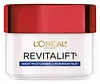
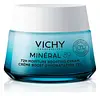
L'Oreal Paris Revitalift Anti Wrinkle Night Cream Versus Vichy Minéral 89 Moisture Boosting Creme 72H

What's inside
What's inside
 Key Ingredients
Benefits
Concerns
Ingredients Side-by-side
Water
Skin ConditioningGlycerin
Humectant


Dimethicone
Emollient
Hydrogenated Polyisobutene
EmollientCetyl Alcohol
Emollient


Glyceryl Stearate
Emollient
Aluminum Starch Octenylsuccinate
Absorbent
PEG-40 Stearate
Emulsifying
Prunus Armeniaca Kernel Oil
Masking
Shorea Robusta Seed Butter
Emollient
Paraffinum Liquidum
Emollient
Paraffin
Skin ConditioningZea Mays Kernel Extract
Stearic Acid
Cleansing
Stearyl Alcohol
Emollient
Microcrystalline Wax
Emulsion StabilisingSorbitan Tristearate
EmulsifyingGlycine Soja Protein
EmulsifyingTriethanolamine
BufferingIsohexadecane
EmollientSalicyloyl Phytosphingosine
Skin ConditioningMyristyl Alcohol
Emollient
Palmitic Acid
Emollient
Phenethyl Alcohol
MaskingHydrolyzed Soy Protein
Humectant
Caprylyl Glycol
Emollient
Acetyl Trifluoromethylphenyl Valylglycine
Skin ConditioningYeast Extract
Skin ConditioningPolysorbate 80
Emulsifying
Acrylamide/Sodium Acryloyldimethyltaurate Copolymer
Emulsion StabilisingRetinyl Palmitate
Skin Conditioning


Potassium Sorbate
Preservative
Sodium Benzoate
Masking
Phenoxyethanol
Preservative
Linalool
Perfuming




Geraniol
Perfuming
Alpha-Isomethyl Ionone
Perfuming
Amyl Cinnamal
Perfuming
Limonene
Perfuming
Citral
Perfuming
Citronellol
Perfuming
Butylphenyl Methylpropional
Perfuming
Hexyl Cinnamal
Perfuming
Benzyl Alcohol
Perfuming
Benzyl Benzoate
Antimicrobial
Benzyl Cinnamate
Perfuming
Benzyl Salicylate
Perfuming
Parfum
Masking
Water, Glycerin, Dimethicone, Hydrogenated Polyisobutene, Cetyl Alcohol, Glyceryl Stearate, Aluminum Starch Octenylsuccinate, PEG-40 Stearate, Prunus Armeniaca Kernel Oil, Shorea Robusta Seed Butter, Paraffinum Liquidum, Paraffin, Zea Mays Kernel Extract, Stearic Acid, Stearyl Alcohol, Microcrystalline Wax, Sorbitan Tristearate, Glycine Soja Protein, Triethanolamine, Isohexadecane, Salicyloyl Phytosphingosine, Myristyl Alcohol, Palmitic Acid, Phenethyl Alcohol, Hydrolyzed Soy Protein, Caprylyl Glycol, Acetyl Trifluoromethylphenyl Valylglycine, Yeast Extract, Polysorbate 80, Acrylamide/Sodium Acryloyldimethyltaurate Copolymer, Retinyl Palmitate, Potassium Sorbate, Sodium Benzoate, Phenoxyethanol, Linalool, Geraniol, Alpha-Isomethyl Ionone, Amyl Cinnamal, Limonene, Citral, Citronellol, Butylphenyl Methylpropional, Hexyl Cinnamal, Benzyl Alcohol, Benzyl Benzoate, Benzyl Cinnamate, Benzyl Salicylate, Parfum
Water
Skin ConditioningGlycerin
Humectant
Dicaprylyl Ether
Emollient
Pentylene Glycol
Skin Conditioning
Polyglyceryl-6 Distearate
Emulsifying
Niacinamide
Smoothing






Propanediol
Solvent
Cetyl Esters
Emollient
Jojoba Esters
Emollient
Cetearyl Isononanoate
Emollient
Squalane
Emollient
Behenyl Alcohol
Emollient
Adenosine
Skin Conditioning
Capryloyl Salicylic Acid
Exfoliating
Hydroxyacetophenone
Antioxidant
Mineral Salts
Skin ConditioningSodium Hyaluronate
Humectant
Trisodium Ethylenediamine Disuccinate
Vitreoscilla Ferment
Skin Conditioning
Tocopherol
Antioxidant
Acacia Decurrens Flower Cera
Emollient
Acrylamide/Sodium Acryloyldimethyltaurate Copolymer
Emulsion StabilisingCetyl Alcohol
Emollient
Helianthus Annuus Seed Cera
Emollient
Hydroxypropyl Starch Phosphate
Isohexadecane
EmollientPolyglycerin-3
Humectant
Polyglyceryl-3 Beeswax
Emulsifying
Polysorbate 80
Emulsifying
Sodium Stearoyl Glutamate
CleansingSorbitan Oleate
Emulsifying
Water, Glycerin, Dicaprylyl Ether, Pentylene Glycol, Polyglyceryl-6 Distearate, Niacinamide, Propanediol, Cetyl Esters, Jojoba Esters, Cetearyl Isononanoate, Squalane, Behenyl Alcohol, Adenosine, Capryloyl Salicylic Acid, Hydroxyacetophenone, Mineral Salts, Sodium Hyaluronate, Trisodium Ethylenediamine Disuccinate, Vitreoscilla Ferment, Tocopherol, Acacia Decurrens Flower Cera, Acrylamide/Sodium Acryloyldimethyltaurate Copolymer, Cetyl Alcohol, Helianthus Annuus Seed Cera, Hydroxypropyl Starch Phosphate, Isohexadecane, Polyglycerin-3, Polyglyceryl-3 Beeswax, Polysorbate 80, Sodium Stearoyl Glutamate, Sorbitan Oleate
Ingredients Explained
These ingredients are found in both products.
Ingredients higher up in an ingredient list are typically present in a larger amount.
This ingredient is a synthetic polymer used to stabilize formulas and give products a "gel-cream" feel.
When applied, this ingredient mostly stays on the surface of skin. Safety reviews have found these polymers safe in cosmetics when made to proper quality standards. Testing also shows they’re unlikely to cause irritation or sensitization at normal use levels.
Cetyl Alcohol is a fatty alcohol. Fatty Alcohols are most often used as an emollient or to thicken a product.
Its main roles are:
Though it has "alcohol" in the name, it is not related to denatured alcohol or ethyl alcohol.
The FDA allows products labeled "alcohol-free" to have fatty alcohols.
This ingredient may not be fungal acne safe. It is a primary fatty alcohol with a chain length above 12 carbons. A study from 2019 show Malassezia can feed on fatty alcohols in this range, so it may trigger fungal acne in those prone to it.
Learn more about Cetyl AlcoholGlycerin (or glycerol) is a compound naturally found in your skin. It's a powerhouse humectant that pulls water into the stratum corneum.
Topically, glycerin does several things at once:
Your skin makes glycerin on its own (mostly from sebaceous oil breakdown) and shuttles it to your outermost layer of skin, or your epidermis, via aquaporin-3.
Aquaporin-3 is a transporter that is essential for normal skin hydration, elasticity, and repair. Interestingly, mice lacking in AQP3 have dry and less elastic skin that can be fully corrected with glycerin.
This ingredient is non-irritating, plays well with almost every ingredient, and works across all skin types. Typical use is anywhere between 3-10% but can go up to 79% in some leave-on products.
Just know very high concentrations (>40%) can feel tacky in low humidity.
Glycerin is the name for this ingredient in American English. British English uses Glycerol/Glycerine.
Learn more about GlycerinIsohexadecane is added to enhance texture, emulsify, and to help cleanse. It is an isoparrafin. It is a component of petrolatum.
Due to its large size, Isohexadecane is not absorbed by the skin. Instead, it sits on top and acts as an emollient. Emollients help keep your skin soft and smooth by trapping moisture within.
Isohexadecane is often used in products designed to help oily skin. It is lightweight and non-greasy while helping to moisturize. When mixed with silicones, it gives a product a silky feel.
Learn more about IsohexadecanePolysorbate 80 is a synthetic surfactant and emulsifier derived from sorbitol and oleic acid.
It reduces the surface tension between oil and water phases to help them stay mixed and stable in a formulation. In other words, it prevents your formulas from separating into an oily mess.
The CIR Expert Panel has evaluated the scientific data and found this ingredient to be safe, non-irritating, and non-sensitizing at concentrations up to 5% (it's even approved by the FDA as an OTC eye drop ingredient).
Learn more about Polysorbate 80Water. It's the most common cosmetic ingredient of all. You'll usually see it at the top of ingredient lists, meaning that it makes up the largest part of the product.
So why is it so popular? Water most often acts as a solvent - this means that it helps dissolve other ingredients into the formulation.
You'll also recognize water as that liquid we all need to stay alive. If you see this, drink a glass of water. Remember to stay hydrated!
Learn more about Water
