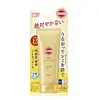
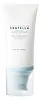
Kosé Suncut UV Perfect Essence SPF 50+ Versus SKIN1004 Madagascar Centella Hyalu-Cica Water-Fit Sun Serum SPF50+ PA++++
This chemical sunscreen covers the full UV range and blocks ~98% of UVB at SPF 50.
This chemical sunscreen covers the full UV range and blocks ~98% of UVB at SPF 50.


What's inside
What's inside
 Key Ingredients
Benefits
Concerns
Ingredients Side-by-side
Water
Skin ConditioningAlcohol
Antimicrobial




Ethylhexyl Methoxycinnamate
UV Absorber

C12-15 Alkyl Benzoate
AntimicrobialPropylene Glycol Dicaprylate/Dicaprate
EmollientEthylhexyl Triazone
UV Absorber
Bis-Ethylhexyloxyphenol Methoxyphenyl Triazine
UV Absorber
Diethylamino Hydroxybenzoyl Hexyl Benzoate
UV Filter
Isododecane
EmollientDipropylene Glycol
HumectantSilica
Abrasive


Diphenylsiloxy Phenyl Trimethicone
Skin Conditioning
Butylene Glycol
Humectant

Polysilicone-15
UV Filter
Stearoyl Inulin
EmollientTriethanolamine
BufferingDimethicone
Emollient
Acrylates/Beheneth-25 Methacrylate Copolymer
Dimethicone/Phenyl Vinyl Dimethicone Crosspolymer
Simmondsia Chinensis Seed Oil
Emollient

Acrylates/C10-30 Alkyl Acrylate Crosspolymer
Emulsion StabilisingCarbomer
Emulsion StabilisingXanthan Gum
EmulsifyingSodium Dilauramidoglutamide Lysine
HumectantLauroyl Lysine
Skin Conditioning
Sodium Lauroyl Glutamate
SurfactantTrimethylsiloxysilicate
Emollient
BHT
Antioxidant
Phenoxyethanol
Preservative
Chamomilla Recutita Flower Extract
Masking

Salvia Officinalis Leaf Extract
CleansingSodium Hyaluronate
Humectant

Hydrolyzed Collagen
Emollient
PEG-10 Hydrogenated Castor Oil
Emollient
Polyglyceryl-10 Stearate
Skin Conditioning
Water, Alcohol, Ethylhexyl Methoxycinnamate, C12-15 Alkyl Benzoate, Propylene Glycol Dicaprylate/Dicaprate, Ethylhexyl Triazone, Bis-Ethylhexyloxyphenol Methoxyphenyl Triazine, Diethylamino Hydroxybenzoyl Hexyl Benzoate, Isododecane, Dipropylene Glycol, Silica, Diphenylsiloxy Phenyl Trimethicone, Butylene Glycol, Polysilicone-15, Stearoyl Inulin, Triethanolamine, Dimethicone, Acrylates/Beheneth-25 Methacrylate Copolymer, Dimethicone/Phenyl Vinyl Dimethicone Crosspolymer, Simmondsia Chinensis Seed Oil, Acrylates/C10-30 Alkyl Acrylate Crosspolymer, Carbomer, Xanthan Gum, Sodium Dilauramidoglutamide Lysine, Lauroyl Lysine, Sodium Lauroyl Glutamate, Trimethylsiloxysilicate, BHT, Phenoxyethanol, Chamomilla Recutita Flower Extract, Salvia Officinalis Leaf Extract, Sodium Hyaluronate, Hydrolyzed Collagen, PEG-10 Hydrogenated Castor Oil, Polyglyceryl-10 Stearate
Water
Skin ConditioningDibutyl Adipate
EmollientPropanediol
Solvent
Diethylamino Hydroxybenzoyl Hexyl Benzoate
UV Filter
Polymethylsilsesquioxane
Ethylhexyl Triazone
UV Absorber
Methylene Bis-Benzotriazolyl Tetramethylbutylphenol
UV Filter
Niacinamide
Smoothing




Coco-Caprylate/Caprate
Emollient
Caprylyl Methicone
Skin Conditioning
Diethylhexyl Butamido Triazone
UV Absorber
Glycerin
Humectant
1,2-Hexanediol
Skin Conditioning
Butylene Glycol
Humectant
Pentylene Glycol
Skin Conditioning
Behenyl Alcohol
Emollient
Poly C10-30 Alkyl Acrylate
Emulsion StabilisingPolyglyceryl-3 Methylglucose Distearate
Emulsifying
Decyl Glucoside
Cleansing
Tromethamine
BufferingCarbomer
Emulsion StabilisingAcrylates/C10-30 Alkyl Acrylate Crosspolymer
Emulsion StabilisingSodium Stearoyl Glutamate
CleansingPolyacrylate Crosspolymer-6
Emulsion StabilisingEthylhexylglycerin
Skin ConditioningAdenosine
Skin Conditioning
Xanthan Gum
EmulsifyingCentella Asiatica Extract
Cleansing
T-Butyl Alcohol
Perfuming

Sodium Hyaluronate
Humectant
Betula Platyphylla Japonica Bark Extract
Skin ConditioningTocopherol
Antioxidant
Hydrolyzed Hyaluronic Acid
Humectant
Camellia Sinensis Leaf Extract
Antimicrobial
Ginkgo Biloba Leaf Extract
Skin Conditioning
Brassica Oleracea Italica Sprout Extract
EmollientCamellia Japonica Leaf Extract
Skin ConditioningEruca Sativa Leaf Extract
Skin ConditioningMedicago Sativa Extract
TonicTriticum Vulgare Sprout Extract
Skin ConditioningInositol
Humectant
Hyaluronic Acid
Humectant
Water, Dibutyl Adipate, Propanediol, Diethylamino Hydroxybenzoyl Hexyl Benzoate, Polymethylsilsesquioxane, Ethylhexyl Triazone, Methylene Bis-Benzotriazolyl Tetramethylbutylphenol, Niacinamide, Coco-Caprylate/Caprate, Caprylyl Methicone, Diethylhexyl Butamido Triazone, Glycerin, 1,2-Hexanediol, Butylene Glycol, Pentylene Glycol, Behenyl Alcohol, Poly C10-30 Alkyl Acrylate, Polyglyceryl-3 Methylglucose Distearate, Decyl Glucoside, Tromethamine, Carbomer, Acrylates/C10-30 Alkyl Acrylate Crosspolymer, Sodium Stearoyl Glutamate, Polyacrylate Crosspolymer-6, Ethylhexylglycerin, Adenosine, Xanthan Gum, Centella Asiatica Extract, T-Butyl Alcohol, Sodium Hyaluronate, Betula Platyphylla Japonica Bark Extract, Tocopherol, Hydrolyzed Hyaluronic Acid, Camellia Sinensis Leaf Extract, Ginkgo Biloba Leaf Extract, Brassica Oleracea Italica Sprout Extract, Camellia Japonica Leaf Extract, Eruca Sativa Leaf Extract, Medicago Sativa Extract, Triticum Vulgare Sprout Extract, Inositol, Hyaluronic Acid
Reviews
Ingredients Explained
These ingredients are found in both products.
Ingredients higher up in an ingredient list are typically present in a larger amount.
Acrylates/C10-30 Alkyl Acrylate Crosspolymer is a synthetic polymer. It is used to thicken, emulsify, and improve the texture of products.
As an emulsifier, it helps stabilize oil-in-water emulsions to give products an elegant feel when applied.
It can also form a thin protective film on skin. One study found that a formula using this polymer helped slow down how quickly other ingredients (like DEET) were absorbed through skin.
A 2024 study of over 1,300 patients confirmed that sensitization to this ingredient is rare. It is also non-mutagenic and has a clean track record.
Learn more about Acrylates/C10-30 Alkyl Acrylate CrosspolymerButylene Glycol (or BG) is used within cosmetic products for a few different reasons:
Overall, Butylene Glycol is a safe and well-rounded ingredient that works well with other ingredients.
Though this ingredient works well with most skin types, some people with sensitive skin may experience a reaction such as allergic rashes, closed comedones, or itchiness.
Learn more about Butylene GlycolCarbomer is a synthetic thickening and gelling agent. It's basically the ingredient that gives a lot of serums, gels, creams, and sunscreens their smooth, non-sticky texture.
Although legally permitted at very high levels, carbomers are normally used at concentrations below 1%.
It also needs to be neutralized to actually thicken, and because it is a large molecule, it doesn't really penetrate the skin barrier.
Allergy-wise, the risk is very low. Clinical studies show carbomers have low potential for skin irritation/sensitization even at concentrations up to 100%.
A 2024 UK study patch-tested 1,302 patients and found true allergy to the parent group of carbomer to be rare with no confirmed relevant reactions.
Learn more about CarbomerDiethylamino Hydroxybenzoyl Hexyl Benzoate (DHHB) is a chemical UV-A absorber. It is formulated for high UVA protection (320-400 nm).
DHHB is well-liked for:
DHHB has been approved by the EU, Japan, Taiwan, and South America for use up to 10%. Unfortunately, it has not been approved for use in the US or Canada due to slow regulatory processes.
This ingredient is soluble in oils, fats, and lipids.
Learn more about Diethylamino Hydroxybenzoyl Hexyl BenzoateEthylhexyl Triazone (aka Octyl Triazone) is an oil-soluble organic UVB filter. It has peak absorption around 314 nm, right in the middle of the UVB range.
This ingredient is described as one of the most effective UVB filters available and small concentrations are enough to deliver a high SPF thanks to its strong UV absorbing power.
Formulators love it for its stability; its ability to filter UV stays practically unchanged even under intense radiation and it can also help boost the photostability of less stable filters like avobenzone.
It's also a great pick for water resistant products because it's insoluble in water and has a good affinity for keratin.
Because it's a big, heavy molecule, the European Scientific Committee has found to to have very low dermal penetration and negative results for allergenicity.
In vitro testing also showed a low absorption rate and clean results on irritation.
Typical use levels are 1-5% with 5% being the maximum in the EU, Japan, and other markets that allow it. However, this ingredient is not approved yet in the US or Canada.
Learn more about Ethylhexyl TriazoneSodium Hyaluronate is the salt form of hyaluronic acid. It is a long sugar chain that is naturally found in your skin, joints, and connective tissue that maintains hydration and elasticity.
In skincare, it works as a humectant. It pulls water from the environment and deeper layers of skin and binds it to the surface.
Interestingly, the size of the molecule affects its behavior:
Some clinical evidence links low molecular weight versions to improved wrinkle depth, elasticity, anti-inflammatory effects, and barrier repair.
Many serums use a blend of both weights so you can get surface hydration plus longer-lasting and deeper effects.
You'll typically see concentrations between 0.1-2% for this ingredient.
Learn more about Sodium HyaluronateWater. It's the most common cosmetic ingredient of all. You'll usually see it at the top of ingredient lists, meaning that it makes up the largest part of the product.
So why is it so popular? Water most often acts as a solvent - this means that it helps dissolve other ingredients into the formulation.
You'll also recognize water as that liquid we all need to stay alive. If you see this, drink a glass of water. Remember to stay hydrated!
Learn more about WaterXanthan gum is used as a stabilizer and thickener within cosmetic products. It helps give products a sticky, thick feeling - preventing them from being too runny.
On the technical side of things, xanthan gum is a polysaccharide - a combination consisting of multiple sugar molecules bonded together.
Xanthan gum is a pretty common and great ingredient. It is a natural, non-toxic, non-irritating ingredient that is also commonly used in food products.
Learn more about Xanthan Gum

