

What's inside
What's inside
 Key Ingredients
Benefits
Concerns
Ingredients Side-by-side
Water
Skin ConditioningEthylhexyl Methoxycinnamate
UV Absorber


Diethylamino Hydroxybenzoyl Hexyl Benzoate
UV Filter
Cetyl Alcohol
Emollient

Glyceryl Stearate
Emollient
Ceteareth-20
Cleansing
Ceteareth-12
EmulsifyingCetearyl Alcohol
Emollient
Cetyl Palmitate
Emollient
Dimethicone
Emollient
Lactobacillus Ferment
Skin Conditioning
Avena Sativa Kernel Extract
Abrasive




Sodium Benzoate
Masking
Potassium Sorbate
Preservative
C12-15 Alkyl Benzoate
AntimicrobialUndecylenoyl Phenylalanine
Skin ConditioningMethylene Bis-Benzotriazolyl Tetramethylbutylphenol
UV Filter
Decyl Glucoside
CleansingPropylene Glycol
Humectant

Xanthan Gum
EmulsifyingButyrospermum Parkii Butter
Skin Conditioning
Ethylhexyl Triazone
UV Absorber
Octocrylene
UV Absorber
Saccharide Isomerate
Humectant
Citric Acid
Buffering





Sodium Citrate
BufferingParfum
Masking
Niacinamide
Smoothing



Pentaerythrityl Distearate
Emulsifying
Phenoxyethanol
Preservative
Ethylhexylglycerin
Skin ConditioningCaprylyl Glycol
Emollient
Polyacrylate Crosspolymer-11
Emulsion StabilisingKojic Acid
Antioxidant
Tocopheryl Acetate
Antioxidant
Collagen
Moisturising
Dipotassium Glycyrrhizate
Humectant
EDTA
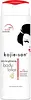
Water, Ethylhexyl Methoxycinnamate, Diethylamino Hydroxybenzoyl Hexyl Benzoate, Cetyl Alcohol, Glyceryl Stearate, Ceteareth-20, Ceteareth-12, Cetearyl Alcohol, Cetyl Palmitate, Dimethicone, Lactobacillus Ferment, Avena Sativa Kernel Extract, Sodium Benzoate, Potassium Sorbate, C12-15 Alkyl Benzoate, Undecylenoyl Phenylalanine, Methylene Bis-Benzotriazolyl Tetramethylbutylphenol, Decyl Glucoside, Propylene Glycol, Xanthan Gum, Butyrospermum Parkii Butter, Ethylhexyl Triazone, Octocrylene, Saccharide Isomerate, Citric Acid, Sodium Citrate, Parfum, Niacinamide, Pentaerythrityl Distearate, Phenoxyethanol, Ethylhexylglycerin, Caprylyl Glycol, Polyacrylate Crosspolymer-11, Kojic Acid, Tocopheryl Acetate, Collagen, Dipotassium Glycyrrhizate, EDTA
Water
Skin ConditioningParaffinum Liquidum
Emollient
Isohexadecane
EmollientGlycerin
Humectant
Isopropyl Palmitate
Emollient
PEG-40 Sorbitan Perisostearate
EmulsifyingCera Microcristallina
Emulsion Stabilising
Polyglyceryl-3 Diisostearate
Emulsifying
Sodium Hyaluronate
Humectant
Prunus Amygdalus Dulcis Oil
Skin Conditioning
Tocopherol
Antioxidant
Magnesium Sulfate
Sodium Citrate
BufferingCitric Acid
Buffering
Tocopheryl Acetate
Antioxidant
Potassium Sorbate
Preservative
Linalool
Perfuming
Limonene
Perfuming
Benzyl Alcohol
Perfuming

Geraniol
Perfuming
Citronellol
Perfuming
Alpha-Isomethyl Ionone
Perfuming
Benzyl Benzoate
Antimicrobial
BHT
Antioxidant
Parfum
Masking
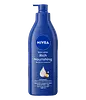
Water, Paraffinum Liquidum, Isohexadecane, Glycerin, Isopropyl Palmitate, PEG-40 Sorbitan Perisostearate, Cera Microcristallina, Polyglyceryl-3 Diisostearate, Sodium Hyaluronate, Prunus Amygdalus Dulcis Oil, Tocopherol, Magnesium Sulfate, Sodium Citrate, Citric Acid, Tocopheryl Acetate, Potassium Sorbate, Linalool, Limonene, Benzyl Alcohol, Geraniol, Citronellol, Alpha-Isomethyl Ionone, Benzyl Benzoate, BHT, Parfum
Reviews
Ingredients Explained
These ingredients are found in both products.
Ingredients higher up in an ingredient list are typically present in a larger amount.
Citric Acid is an alpha hydroxy acid (AHA) naturally found in citrus fruits like oranges, lemons, and limes.
Like other AHAs, citric acid can exfoliate skin by breaking down the bonds that hold dead skin cells together. This helps reveal smoother and brighter skin underneath.
However, this exfoliating effect only happens at high concentrations (20%) which can be hard to find in cosmetic products.
Due to this, citric acid is usually included in small amounts as a pH adjuster. This helps keep products slightly more acidic and compatible with skin's natural pH.
In skincare formulas, citric acid can:
While it can provide some skin benefits, research shows lactic acid and glycolic acid are generally more effective and less irritating exfoliants.
Most citric acid used in skincare today is made by fermenting sugars (usually from molasses). This synthetic version is identical to the natural citrus form but easier to stabilize and use in formulations.
Read more about some other popular AHA's here:
Learn more about Citric AcidParfum is a catch-all term for an ingredient or more that is used to give a scent to products.
Also called "fragrance", this ingredient can be a blend of hundreds of chemicals or plant oils. This means every product with "fragrance" or "parfum" in the ingredients list is a different mixture.
For instance, Habanolide is a proprietary trade name for a specific aroma chemical. When used as a fragrance ingredient in cosmetics, most aroma chemicals fall under the broad labeling category of “FRAGRANCE” or “PARFUM” according to EU and US regulations.
The term 'parfum' or 'fragrance' is not regulated in many countries. In many cases, it is up to the brand to define this term.
For instance, many brands choose to label themselves as "fragrance-free" because they are not using synthetic fragrances. However, their products may still contain ingredients such as essential oils that are considered a fragrance by INCI standards.
One example is Calendula flower extract. Calendula is an essential oil that still imparts a scent or 'fragrance'.
Depending on the blend, the ingredients in the mixture can cause allergies and sensitivities on the skin. Some ingredients that are known EU allergens include linalool and citronellol.
Parfum can also be used to mask or cover an unpleasant scent.
The bottom line is: not all fragrances/parfum/ingredients are created equally. If you are worried about fragrances, we recommend taking a closer look at an ingredient. And of course, we always recommend speaking with a professional.
Learn more about ParfumPotassium Sorbate is a preservative used to prevent yeast and mold in products. It is commonly found in both cosmetic and food products.
This ingredient comes from potassium salt derived from sorbic acid. Sorbic acid is a natural antibiotic and effective against fungus.
Both potassium sorbate and sorbic acid can be found in baked goods, cheeses, dried meats, dried fruit, ice cream, pickles, wine, yogurt, and more.
You'll often find this ingredient used with other preservatives.
Learn more about Potassium SorbateSodium Citrate is the sodium salts of citric acid. In skincare, it is used to alter pH levels and acts as a preservative.
Its main functions are to maintain the pH of a product and neutralize metal ions.
The acidity of our skin is maintained by our glands and skin biome; normal pH level of skin is slightly acidic (~4.75-5.5).
Being slightly acidic allows our skin to create an "acid mantle". This acid mantle is a thin barrier that protects our skin from bacteria and contaminants.
Learn more about Sodium CitrateTocopheryl Acetate is AKA Vitamin E. It is an antioxidant and protects your skin from free radicals. Free radicals damage the skin by breaking down collagen.
One study found using Tocopheryl Acetate with Vitamin C decreased the number of sunburned cells.
Tocopheryl Acetate is commonly found in both skincare and dietary supplements.
Learn more about Tocopheryl AcetateWater. It's the most common cosmetic ingredient of all. You'll usually see it at the top of ingredient lists, meaning that it makes up the largest part of the product.
So why is it so popular? Water most often acts as a solvent - this means that it helps dissolve other ingredients into the formulation.
You'll also recognize water as that liquid we all need to stay alive. If you see this, drink a glass of water. Stay hydrated!
Learn more about Water
