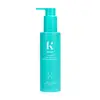
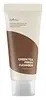
This gel cleanser uses mild cleansing ingredients, but contains alcohol that may feel drying for some.
This mild gel cleanser is made to cleanse while calming and soothing your skin.


What's inside
What's inside
 Key Ingredients
Benefits
Concerns
No concerns
Ingredients Side-by-side
Water
Skin ConditioningLauryl Glucoside
CleansingGlycerin
Humectant


Betaine
Humectant
Hydroxypropyl Methylcellulose
Emulsion StabilisingPEG-7 Glyceryl Cocoate
Emulsifying




Phenoxyethanol
Preservative
Sodium PCA
Humectant
Zinc PCA
Humectant




Sorbitol
Humectant
Camellia Sinensis Leaf
Perfuming

Centella Asiatica Extract
Cleansing
Dipotassium Glycyrrhizate
Humectant
Hydrolyzed Sodium Hyaluronate
Skin Conditioning
Resveratrol
Antioxidant

Sodium Hyaluronate
Humectant
Allantoin
Skin Conditioning
Disodium EDTA
Serine
Masking
Glycine
Buffering
Polysorbate 20
Emulsifying
Sodium Lauroyl Lactylate
EmulsifyingGlutamic Acid
Humectant
Alanine
Masking
Arginine
Masking
Lysine
Skin ConditioningHexylresorcinol
Antimicrobial
Isopropyl Alcohol
Solvent

Threonine
Ceramide NP
Skin Conditioning
Proline
Skin Conditioning
Ceramide AP
Skin Conditioning
Cholesterol
Emollient
Phytosphingosine
Skin Conditioning
Xanthan Gum
EmulsifyingCarbomer
Emulsion StabilisingCapric Acid
Cleansing
PEG-400
Emulsion StabilisingCeramide EOP
Skin Conditioning
Camellia Sinensis Leaf Water
Masking
Alpha-Glucan Oligosaccharide
Cleansing
Caprylic Acid
CleansingCaproic Acid
Cleansing
Water, Lauryl Glucoside, Glycerin, Betaine, Hydroxypropyl Methylcellulose, PEG-7 Glyceryl Cocoate, Phenoxyethanol, Sodium PCA, Zinc PCA, Sorbitol, Camellia Sinensis Leaf, Centella Asiatica Extract, Dipotassium Glycyrrhizate, Hydrolyzed Sodium Hyaluronate, Resveratrol, Sodium Hyaluronate, Allantoin, Disodium EDTA, Serine, Glycine, Polysorbate 20, Sodium Lauroyl Lactylate, Glutamic Acid, Alanine, Arginine, Lysine, Hexylresorcinol, Isopropyl Alcohol, Threonine, Ceramide NP, Proline, Ceramide AP, Cholesterol, Phytosphingosine, Xanthan Gum, Carbomer, Capric Acid, PEG-400, Ceramide EOP, Camellia Sinensis Leaf Water, Alpha-Glucan Oligosaccharide, Caprylic Acid, Caproic Acid
Water
Skin ConditioningGlycerin
Humectant
Sodium Cocoyl Alaninate
Surfactant
Disodium Cocoamphodiacetate
CleansingButylene Glycol
Humectant
Sodium Methyl Cocoyl Taurate
Cleansing
1,2-Hexanediol
Skin Conditioning
Lauryl Hydroxysultaine
CleansingXanthan Gum
EmulsifyingSodium Chloride
MaskingCaprylyl Glycol
Emollient
Acrylates/C10-30 Alkyl Acrylate Crosspolymer
Emulsion StabilisingCamellia Sinensis Leaf Powder
Camellia Sinensis Leaf
Perfuming
Camellia Sinensis Leaf Extract
Antimicrobial
Sodium Phytate
Malt Extract
Skin ProtectingHexylene Glycol
EmulsifyingOenothera Biennis Flower Extract
AstringentPinus Palustris Leaf Extract
TonicPueraria Thunbergiana Root Extract
Skin ConditioningUlmus Davidiana Root Extract
Skin Conditioning
Ethylhexylglycerin
Skin ConditioningHydrolyzed Glycosaminoglycans
HumectantPropanediol
Solvent
Sodium Hyaluronate Crosspolymer
Humectant
Sodium Hyaluronate
Humectant
Benzyl Glycol
SolventHydrolyzed Hyaluronic Acid
Humectant
Hyaluronic Acid
Humectant
Water, Glycerin, Sodium Cocoyl Alaninate, Disodium Cocoamphodiacetate, Butylene Glycol, Sodium Methyl Cocoyl Taurate, 1,2-Hexanediol, Lauryl Hydroxysultaine, Xanthan Gum, Sodium Chloride, Caprylyl Glycol, Acrylates/C10-30 Alkyl Acrylate Crosspolymer, Camellia Sinensis Leaf Powder, Camellia Sinensis Leaf, Camellia Sinensis Leaf Extract, Sodium Phytate, Malt Extract, Hexylene Glycol, Oenothera Biennis Flower Extract, Pinus Palustris Leaf Extract, Pueraria Thunbergiana Root Extract, Ulmus Davidiana Root Extract, Ethylhexylglycerin, Hydrolyzed Glycosaminoglycans, Propanediol, Sodium Hyaluronate Crosspolymer, Sodium Hyaluronate, Benzyl Glycol, Hydrolyzed Hyaluronic Acid, Hyaluronic Acid
Reviews
Ingredients Explained
These ingredients are found in both products.
Ingredients higher up in an ingredient list are typically present in a larger amount.
Camellia Sinensis Leaf is the leaf of the tea plant. These leaves are used to make white, oolong, green, and black tea.
Tea leaves have many benefits. It contains polyphenols, a strong antioxidant. Antioxidants help fight off free-radical molecules that damage skin cells. The antioxidants in green tea neutralize free-radicals from the sun. This gives the skin some extra UV protection, but should not replace sunscreen.
Many components of tea have anti-inflammatory properties. Polyphenols and L-theanine help soothe the skin and reduce irritation. L-theanine is an amino acid that makes up most of the amino acids found in tea leaves. The caffeine in Camellia Sinensis Leaf Extract helps calm inflamed blood vessels.
Research has shown both drinking Camellia Sinensis Leaf Tea (green tea, white tea, oolong, black tea) and applying it to the skin can help boost skin elasticity and hydration. Studies also show using tea extract may reduce sebum, or oil, production.
Learn more about Camellia Sinensis LeafGlycerin (or glycerol) is a compound naturally found in your skin. It's a powerhouse humectant that pulls water into the stratum corneum.
Topically, glycerin does several things at once:
Your skin makes glycerin on its own (mostly from sebaceous oil breakdown) and shuttles it to your outermost layer of skin, or your epidermis, via aquaporin-3.
Aquaporin-3 is a transporter that is essential for normal skin hydration, elasticity, and repair. Interestingly, mice lacking in AQP3 have dry and less elastic skin that can be fully corrected with glycerin.
This ingredient is non-irritating, plays well with almost every ingredient, and works across all skin types. Typical use is anywhere between 3-10% but can go up to 79% in some leave-on products.
Just know very high concentrations (>40%) can feel tacky in low humidity.
Glycerin is the name for this ingredient in American English. British English uses Glycerol/Glycerine.
Learn more about GlycerinSodium Hyaluronate is the salt form of hyaluronic acid. It is a long sugar chain that is naturally found in your skin, joints, and connective tissue that maintains hydration and elasticity.
In skincare, it works as a humectant. It pulls water from the environment and deeper layers of skin and binds it to the surface.
Interestingly, the size of the molecule affects its behavior:
Some clinical evidence links low molecular weight versions to improved wrinkle depth, elasticity, anti-inflammatory effects, and barrier repair.
Many serums use a blend of both weights so you can get surface hydration plus longer-lasting and deeper effects.
You'll typically see concentrations between 0.1-2% for this ingredient.
Learn more about Sodium HyaluronateWater. It's the most common cosmetic ingredient of all. You'll usually see it at the top of ingredient lists, meaning that it makes up the largest part of the product.
So why is it so popular? Water most often acts as a solvent - this means that it helps dissolve other ingredients into the formulation.
You'll also recognize water as that liquid we all need to stay alive. If you see this, drink a glass of water. Remember to stay hydrated!
Learn more about WaterXanthan gum is used as a stabilizer and thickener within cosmetic products. It helps give products a sticky, thick feeling - preventing them from being too runny.
On the technical side of things, xanthan gum is a polysaccharide - a combination consisting of multiple sugar molecules bonded together.
Xanthan gum is a pretty common and great ingredient. It is a natural, non-toxic, non-irritating ingredient that is also commonly used in food products.
Learn more about Xanthan Gum

