

What's inside
What's inside
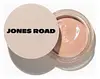 Key Ingredients
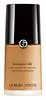
Benefits
Concerns
Ingredients Side-by-side
Water
Skin ConditioningCaprylic/Capric Triglyceride
Masking


C12-15 Alkyl Benzoate
AntimicrobialCaprylic/Capric/Succinic Triglyceride
EmollientPropanediol
Solvent
Simmondsia Chinensis Seed Oil
Emollient



Olea Europaea Fruit Oil
Masking


Coco-Caprylate/Caprate
Emollient
Diisostearyl Malate
EmollientC9-12 Alkane
SolventPolyhydroxystearic Acid
Emulsifying
Hydrogenated Castor Oil
Emollient
Ricinus Communis Seed Oil
Masking
Helianthus Annuus Seed Wax
Skin Conditioning
Stearalkonium Hectorite
Gel FormingEuphorbia Cerifera Wax
Polyglyceryl-3 Diisostearate
Emulsifying
Polyglyceryl-3 Polyricinoleate
Emulsifying
Phenoxyethanol
Preservative
Copernicia Cerifera Wax
Silica Silylate
Emollient
Sodium Chloride
MaskingPelargonium Graveolens Oil
Masking


Tocopheryl Acetate
Antioxidant


Polyglyceryl-6 Polyricinoleate
Emulsifying
Triethoxycaprylylsilane

Zingiber Officinale Root Oil
Masking
Lecithin
Emollient
Silica
Abrasive

Biosaccharide Gum-1
Humectant
Sodium Hyaluronate
Humectant


Mica
Cosmetic ColorantCI 77891
Cosmetic ColorantIron Oxides
Citronellol
Perfuming
Geraniol
Perfuming
Linalool
Perfuming
Limonene
Perfuming
Citral
Perfuming
Water, Caprylic/Capric Triglyceride, C12-15 Alkyl Benzoate, Caprylic/Capric/Succinic Triglyceride, Propanediol, Simmondsia Chinensis Seed Oil, Olea Europaea Fruit Oil, Coco-Caprylate/Caprate, Diisostearyl Malate, C9-12 Alkane, Polyhydroxystearic Acid, Hydrogenated Castor Oil, Ricinus Communis Seed Oil, Helianthus Annuus Seed Wax, Stearalkonium Hectorite, Euphorbia Cerifera Wax, Polyglyceryl-3 Diisostearate, Polyglyceryl-3 Polyricinoleate, Phenoxyethanol, Copernicia Cerifera Wax, Silica Silylate, Sodium Chloride, Pelargonium Graveolens Oil, Tocopheryl Acetate, Polyglyceryl-6 Polyricinoleate, Triethoxycaprylylsilane, Zingiber Officinale Root Oil, Lecithin, Silica, Biosaccharide Gum-1, Sodium Hyaluronate, Mica, CI 77891, Iron Oxides, Citronellol, Geraniol, Linalool, Limonene, Citral
Water
Skin ConditioningCyclopentasiloxane
Emollient
Glycerin
Humectant
Isododecane
EmollientAlcohol Denat.
Antimicrobial

Polyglyceryl-4 Isostearate
Emulsifying
Cetyl PEG/PPG-10/1 Dimethicone
Emulsifying
Hexyl Laurate
Emollient
Aluminum Starch Octenylsuccinate
Absorbent
Disteardimonium Hectorite
StabilisingPhenoxyethanol
Preservative
Acetylated Glycol Stearate
Emollient
Magnesium Sulfate
PEG-10 Dimethicone
Skin Conditioning
Trihydroxystearin
Skin Conditioning
Cellulose Gum
Emulsion StabilisingNylon-12

Limonene
Perfuming
Benzyl Salicylate
Perfuming
Benzyl Alcohol
Perfuming
Linalool
Perfuming
Pentaerythrityl Tetra-Di-T-Butyl Hydroxyhydrocinnamate
Antioxidant
Isobutane
Diphenyl Dimethicone
Emollient
Acrylonitrile/Methyl Methacrylate/Vinylidene Chloride Copolymer
Parfum
Masking
Disodium Stearoyl Glutamate
CleansingMethylparaben
Preservative
Butylphenyl Methylpropional
Perfuming
Aluminum Hydroxide
EmollientHexyl Cinnamal
Perfuming
Water, Cyclopentasiloxane, Glycerin, Isododecane, Alcohol Denat., Polyglyceryl-4 Isostearate, Cetyl PEG/PPG-10/1 Dimethicone, Hexyl Laurate, Aluminum Starch Octenylsuccinate, Disteardimonium Hectorite, Phenoxyethanol, Acetylated Glycol Stearate, Magnesium Sulfate, PEG-10 Dimethicone, Trihydroxystearin, Cellulose Gum, Nylon-12, Limonene, Benzyl Salicylate, Benzyl Alcohol, Linalool, Pentaerythrityl Tetra-Di-T-Butyl Hydroxyhydrocinnamate, Isobutane, Diphenyl Dimethicone, Acrylonitrile/Methyl Methacrylate/Vinylidene Chloride Copolymer, Parfum, Disodium Stearoyl Glutamate, Methylparaben, Butylphenyl Methylpropional, Aluminum Hydroxide, Hexyl Cinnamal
Reviews
Ingredients Explained
These ingredients are found in both products.
Ingredients higher up in an ingredient list are typically present in a larger amount.
Limonene is the compound that gives citrus peel its smell.
In skincare, it shows up as a standalone fragrance ingredient or as a natural compound of citrus and other essential oils.
You'll typically see this ingredient used in very small amounts; anything above 0.001% in a leave-on product or 0.01% in a rinse-off has to be named on the label in the EU. The citrus oils that carry it sit around 0.5-1% in a finished formula.
Fresh limonene is a weak allergen; the real issue is that it slowly reacts with air and then breaks down from oxidation to create hydroperoxides (which are strong sensitizers). This is why suppliers are required to keep the peroxide value below 20 mmol.
Positive reactions in people being investigated for eczema vary:
It's worth skipping if you have a known fragrance allergy or a compromised barrier, but the risk is low for most people.
Older or long-opened products are also more likely to bother you than fresh ones due to oxidation.
Learn more about LimoneneLinalool is a small, naturally occurring scent molecule found in plants like lavender, coriander, bergamot, and more.
It is one of the two most-used fragrance ingredients in cosmetics and added purely for smell. Since it's not used for a skin benefit, there's no "effective dose". Concentration depends on the fragrance load of the product.
The EU requires it to be named on the label above 0.001% in leave-on and 0.01% in rinse-off products.
Fresh linalool is a weak sensitizer but air exposure turns some of it into hydroperoxides, which are strong sensitizers. Those oxidation products are the actual allergy concern.
Patch-test clinics see positive reactions to linalool hydroperoxides in about 4% to 12% of dermatitis patients depending on country and test concentration.
Resassuringly, one analytical study found hydroperoxide levels in real fragranced products to be orders of magnitude below what induced sensitization in animal studies with no evidence of oxidation building up during normal storage.
The practical takeaway is that linalool is fine for most people but worth avoiding if you have a confirmed fragrance contact allergy or a badly compromised barrier.
Products stored a long time after opening are also the high-risk scenario since that is when oxidation happens.
The scent of linalool is described as floral, spicy tropical, and citrus-like.
Learn more about LinaloolPhenoxyethanol is one of the most widely used preservatives in skincare (and for good reason!).
It has a large spectrum of antimicrobial activity and especially effective bacteria, yeast, and mold while only having a weak effect on your skin's natural microbiome.
On a cellular level, it disrupts the cell membranes of microbes by poking holes that make the cell leak. This shuts down the chemical reactions the microbe needs to make energy so it can no longer survive.
Another perk of this ingredient is that it stays functional across a wide pH range (3-10).
You'll often see it paired with boosters like Ethylhexylglycerin; one study showed that a 1:9 ratio of Ethylhexylglycerin to Phenoxyethanol damages bacterial membranes as effectively as doubling the Phenoxyethanol concentration on its own.
Typical use concentrations range from 0.3-1% depending on the formula, and this ingredient is capped at 1% int the EU.
Safety-wise, the fear mongering does not hold up to the evidence. The EU's Scientific Committee on Consumer Safety and FDA consider it safe as a preservative at up to 1%, including for children of all ages.
Adverse systemic effects only showed up in animal studies at exposures roughly 200x higher than what people get from cosmetics. And despite its very widespread use, this ingredient is a rare sensitizer and allergic reactions are uncommon.
Learn more about PhenoxyethanolWater. It's the most common cosmetic ingredient of all. You'll usually see it at the top of ingredient lists, meaning that it makes up the largest part of the product.
So why is it so popular? Water most often acts as a solvent - this means that it helps dissolve other ingredients into the formulation.
You'll also recognize water as that liquid we all need to stay alive. If you see this, drink a glass of water. Remember to stay hydrated!
Learn more about Water

