

What's inside
What's inside
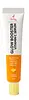 Key Ingredients
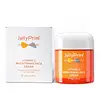
Benefits
Concerns
Ingredients Side-by-side
Water
Skin ConditioningHippophae Rhamnoides Fruit Extract
Skin Conditioning

Glycerin
Humectant


Methylpropanediol
SolventCaprylic/Capric Triglyceride
Masking
Cyclopentasiloxane
Emollient
Niacinamide
Smoothing






Betaine
Humectant
Citrus Limon Fruit Extract
Masking
Punica Granatum Fruit Extract
Antioxidant
Salix Alba Bark Extract
Astringent
Malpighia Emarginata Fruit Extract
Skin ConditioningTerminalia Ferdinandiana Fruit Extract
Antioxidant
Portulaca Oleracea Extract
Skin Conditioning
Citrus Paradisi Fruit Extract
Skin ConditioningSodium Hyaluronate
Humectant
Panthenol
Skin Conditioning
Xylitol
Humectant
Allantoin
Skin Conditioning
Ascorbic Acid
Antioxidant

Ascorbyl Glucoside
Antioxidant
Tetrahexyldecyl Ascorbate
Antioxidant
Sodium Riboflavin Phosphate
Skin ConditioningSodium Ascorbyl Phosphate
Antioxidant
Magnesium Ascorbyl Phosphate
Antioxidant
Menadione
MaskingGlutathione
Zea Mays Starch
AbsorbentMannitol
Humectant
Sucrose
Humectant
Adenosine
Skin Conditioning
Butylene Glycol
Humectant
Caprylyl Glycol
Emollient
Isohexadecane
EmollientCyclohexasiloxane
Emollient
Dimethicone
Emollient
Cetearyl Glucoside
EmulsifyingSorbitan Olivate
Emulsifying
Cetearyl Alcohol
Emollient

Sorbitan Oleate
Emulsifying
Polysorbate 80
Emulsifying
Xanthan Gum
EmulsifyingMicrocrystalline Cellulose
AbsorbentSodium Acrylate/Sodium Acryloyldimethyl Taurate Copolymer
Emulsion StabilisingGlyceryl Acrylate/Acrylic Acid Copolymer
HumectantAmmonium Acryloyldimethyltaurate/Vp Copolymer
Sodium Polyacrylate
Absorbent
Dimethicone/Vinyl Dimethicone Crosspolymer
Skin Conditioning
1,2-Hexanediol
Skin Conditioning
Benzyl Glycol
SolventEthylhexylglycerin
Skin ConditioningRaspberry Ketone
Masking
Disodium EDTA
CI 77891
Cosmetic ColorantCI 77492
Cosmetic ColorantCitrus Limon Peel Oil
Masking

Citral
Perfuming
Limonene
Perfuming
Water, Hippophae Rhamnoides Fruit Extract, Glycerin, Methylpropanediol, Caprylic/Capric Triglyceride, Cyclopentasiloxane, Niacinamide, Betaine, Citrus Limon Fruit Extract, Punica Granatum Fruit Extract, Salix Alba Bark Extract, Malpighia Emarginata Fruit Extract, Terminalia Ferdinandiana Fruit Extract, Portulaca Oleracea Extract, Citrus Paradisi Fruit Extract, Sodium Hyaluronate, Panthenol, Xylitol, Allantoin, Ascorbic Acid, Ascorbyl Glucoside, Tetrahexyldecyl Ascorbate, Sodium Riboflavin Phosphate, Sodium Ascorbyl Phosphate, Magnesium Ascorbyl Phosphate, Menadione, Glutathione, Zea Mays Starch, Mannitol, Sucrose, Adenosine, Butylene Glycol, Caprylyl Glycol, Isohexadecane, Cyclohexasiloxane, Dimethicone, Cetearyl Glucoside, Sorbitan Olivate, Cetearyl Alcohol, Sorbitan Oleate, Polysorbate 80, Xanthan Gum, Microcrystalline Cellulose, Sodium Acrylate/Sodium Acryloyldimethyl Taurate Copolymer, Glyceryl Acrylate/Acrylic Acid Copolymer, Ammonium Acryloyldimethyltaurate/Vp Copolymer, Sodium Polyacrylate, Dimethicone/Vinyl Dimethicone Crosspolymer, 1,2-Hexanediol, Benzyl Glycol, Ethylhexylglycerin, Raspberry Ketone, Disodium EDTA, CI 77891, CI 77492, Citrus Limon Peel Oil, Citral, Limonene
Water
Skin ConditioningPropylene Glycol
Humectant
Ethylhexyl Isononanoate
EmollientButylene Glycol Palmitate
EmollientEthyl Aspartate
Skin ConditioningSorbitan Olivate
Emulsifying
Cyclomethicone
Emollient
Disiloxane
Skin Conditioning
Alcohol
Antimicrobial

Asparagus Officinalis Extract
Skin ConditioningNitrous Oxide
3-O-Ethyl Ascorbic Acid
Skin Conditioning
Ascorbic Acid
Antioxidant
Xanthan Gum
EmulsifyingGlucose
Humectant
Isopropyl Alcohol
Solvent
Hydroxyacetophenone
Antioxidant
1,2-Hexanediol
Skin Conditioning
Water, Propylene Glycol, Ethylhexyl Isononanoate, Butylene Glycol Palmitate, Ethyl Aspartate, Sorbitan Olivate, Cyclomethicone, Disiloxane, Alcohol, Asparagus Officinalis Extract, Nitrous Oxide, 3-O-Ethyl Ascorbic Acid, Ascorbic Acid, Xanthan Gum, Glucose, Isopropyl Alcohol, Hydroxyacetophenone, 1,2-Hexanediol
Alternatives
Ingredients Explained
These ingredients are found in both products.
Ingredients higher up in an ingredient list are typically present in a larger amount.
1,2-Hexanediol is a synthetic liquid and another multi-functional powerhouse.
It is a:
- Humectant, drawing moisture into the skin
- Emollient, helping to soften skin
- Solvent, dispersing and stabilizing formulas
- Preservative booster, enhancing the antimicrobial activity of other preservatives
Ascorbic Acid is is pure Vitamin C. This form makes up the largest amount of vitamin C found naturally in our skin.
Not only is vitamin C great for your overall health and immune system, it also has plenty of benefits on your skin.
Vitamin C is best used for brightening skin. It improves dark spots, acne scars, and hyperpigmentation. This is because it blocks the process of skin darkening when exposed to UV.
Remember: Vitamin C should not replace sunscreen!
Your skin uses vitamin C to build collagen. Collagen is one key component in having a strong skin barrier and plump skin. Vitamin C also plays a role in regulating collagen, thus making it effective in improving wrinkles and fine lines.
Ascorbic acid shows potent antioxidant activity. As an antioxidant, it helps fight free-radicals. Free-radicals are molecules that may damage your skin cells. These antioxidants also protect skin against UV damage.
The best formulations include Vitamin E and/or ferulic acid. These two ingredients help stabilize and provide a boost in the benefits of ascorbic acid. This is because ascorbic acid becomes unstable when exposed to UV and air. In fact, you can tell your ascorbic acid has oxidized when it turns an orange-yellow color.
Ascorbic acid is generally compatible with other ingredients. However, using ascorbic acid with other active ingredients might cause irritation. Two ingredients: copper ions and benzoyl peroxide, will inactivate ascorbic acid completely.
Read more about other types of Vitamin C:
Foods rich with vitamin C include oranges, strawberries, broccoli, bell peppers, and more. When consuming Vitamin C, your skin receives a portion of the nutrients.
Learn more about Ascorbic AcidSorbitan Olivate is created from the fatty acids in olive oil and sorbitol.
This ingredient is an oil in water emulsifier. It helps stabilize a product by preventing oils and waters from separating. Sorbitan Olivate also helps hydrate the skin.
Manufacturers sell sorbitan olivate under the name OliveM 1000. OliveM 1000 a multifunctional ingredient. It is self-emulsifying. According to a manufacturer, OliveM 1000 does not disrupt natural skin biome.
Due to its olive oil base, this ingredient may not be fungal-acne safe.
Learn more about Sorbitan OlivateWater. It's the most common cosmetic ingredient of all. You'll usually see it at the top of ingredient lists, meaning that it makes up the largest part of the product.
So why is it so popular? Water most often acts as a solvent - this means that it helps dissolve other ingredients into the formulation.
You'll also recognize water as that liquid we all need to stay alive. If you see this, drink a glass of water. Stay hydrated!
Learn more about WaterXanthan gum is used as a stabilizer and thickener within cosmetic products. It helps give products a sticky, thick feeling - preventing them from being too runny.
On the technical side of things, xanthan gum is a polysaccharide - a combination consisting of multiple sugar molecules bonded together.
Xanthan gum is a pretty common and great ingredient. It is a natural, non-toxic, non-irritating ingredient that is also commonly used in food products.
Learn more about Xanthan Gum
