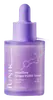
This anti-aging serum is formulated around Bakuchiol and Sodium DNA to soften the look of wrinkles.
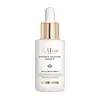
This ampoule is formulated around Anemarrhena Asphodeloides Root Extract to calm irritation.

What's inside
What's inside
 Key Ingredients
Benefits
Concerns
Ingredients Side-by-side
Water
Skin ConditioningHydrogenated Polyisobutene
EmollientGlycerin
Humectant


Butylene Glycol
Humectant
Glycol
HumectantSqualane
Emollient
1,2-Hexanediol
Skin Conditioning
Betaine
Humectant
Pentylene Glycol
Skin Conditioning
Chondrus Crispus Extract
Skin Conditioning


Saccharum Officinarum Extract
MoisturisingAcrylates/C10-30 Alkyl Acrylate Crosspolymer
Emulsion StabilisingHydrogenated Lecithin
Emulsifying
Tromethamine
BufferingXanthan Gum
EmulsifyingSodium Hyaluronate Crosspolymer
Humectant
Ethylhexylglycerin
Skin ConditioningAdenosine
Skin Conditioning
Dextrin
AbsorbentSodium Phytate
ChelatingSodium Hyaluronate
Humectant
Gardenia Florida Fruit Extract
Skin ConditioningCyanocobalamin
Skin ConditioningAnemarrhena Asphodeloides Root Extract
Skin Conditioning
Beta-Glucan
Skin Conditioning
Tocopherol
Antioxidant



Bakuchiol
Antimicrobial


Vitis Vinifera Fruit Extract
Skin ConditioningHydrolyzed Collagen
Emollient
Acetyl Hexapeptide-8
Humectant
Copper Tripeptide-1
Skin Conditioning
Palmitoyl Pentapeptide-4
Skin Conditioning
Sodium DNA
Skin Conditioning
Acetyl Tetrapeptide-5
Humectant
Palmitoyl Tripeptide-5
Skin Conditioning
Palmitoyl Tripeptide-1
Skin Conditioning
Water, Hydrogenated Polyisobutene, Glycerin, Butylene Glycol, Glycol, Squalane, 1,2-Hexanediol, Betaine, Pentylene Glycol, Chondrus Crispus Extract, Saccharum Officinarum Extract, Acrylates/C10-30 Alkyl Acrylate Crosspolymer, Hydrogenated Lecithin, Tromethamine, Xanthan Gum, Sodium Hyaluronate Crosspolymer, Ethylhexylglycerin, Adenosine, Dextrin, Sodium Phytate, Sodium Hyaluronate, Gardenia Florida Fruit Extract, Cyanocobalamin, Anemarrhena Asphodeloides Root Extract, Beta-Glucan, Tocopherol, Bakuchiol, Vitis Vinifera Fruit Extract, Hydrolyzed Collagen, Acetyl Hexapeptide-8, Copper Tripeptide-1, Palmitoyl Pentapeptide-4, Sodium DNA, Acetyl Tetrapeptide-5, Palmitoyl Tripeptide-5, Palmitoyl Tripeptide-1
Water
Skin ConditioningMethylpropanediol
SolventGlycerin
Humectant
Hydrogenated Polyisobutene
EmollientMethyl Gluceth-20
Humectant
1,2-Hexanediol
Skin Conditioning
Tuber Magnatum Extract
Skin ConditioningCollagen Extract
Skin Conditioning
Tocopherol
Antioxidant
Anemarrhena Asphodeloides Root Extract
Skin Conditioning
Laminaria Japonica Extract
Skin Protecting
Eclipta Prostrata Leaf Extract
Skin ConditioningPiper Methysticum Leaf/Root/Stem Extract
Skin ConditioningCentella Asiatica Extract
Cleansing
Phellodendron Amurense Bark Extract
Skin ConditioningTheobroma Cacao Seed Extract
Antioxidant
Saccharum Officinarum Extract
MoisturisingHouttuynia Cordata Extract
Skin Conditioning
Leontopodium Alpinum Extract
Skin ConditioningTilia Vulgaris Flower Extract
SoothingJasminum Officinale Flower Extract
Masking


Chamaecyparis Obtusa Leaf Extract
Skin ConditioningHydrogenated Lecithin
Emulsifying
Citrus Aurantium Dulcis Oil
Masking
Persea Gratissima Oil
Skin Conditioning

Olea Europaea Fruit Oil
Masking
Helianthus Annuus Seed Oil
Emollient
Citrus Nobilis Peel Oil
Masking
Litsea Cubeba Fruit Oil
Masking
Oenothera Biennis Oil
Emollient
Glycine Soja Oil
Emollient
Camellia Japonica Seed Oil
Emollient
Macadamia Ternifolia Seed Oil
Emollient
Hippophae Rhamnoides Fruit Oil
Skin Protecting
Sodium Hyaluronate
Humectant
Betula Platyphylla Japonica Juice
Skin Conditioning
Cananga Odorata Flower Oil
Masking
Ceteareth-20
Cleansing
Glyceryl Stearate Se
Emulsifying
Acrylates/C10-30 Alkyl Acrylate Crosspolymer
Emulsion StabilisingTromethamine
BufferingButylene Glycol
Humectant
Tocopheryl Acetate
Antioxidant
Panthenol
Skin Conditioning
Xanthan Gum
EmulsifyingGlyceryl Polymethacrylate
Adenosine
Skin Conditioning
Fructooligosaccharides
Humectant
Beta-Glucan
Skin Conditioning
Ceramide NP
Skin Conditioning
Hydrolyzed Hyaluronic Acid
Humectant
Dextrin
AbsorbentHydrolyzed Sodium Hyaluronate
Skin Conditioning
Xylitylglucoside
Humectant
Anhydroxylitol
Humectant
Xylitol
Humectant
Glucose
Humectant
Mannose
HumectantHydroxypropyltrimonium Hyaluronate
Sodium Acetylated Hyaluronate
Humectant
Sodium Hyaluronate Crosspolymer
Humectant
Potassium Hyaluronate
Skin ConditioningHyaluronic Acid
Humectant
Hydroxyacetophenone
Antioxidant
Limonene
Perfuming
Citral
Perfuming
Water, Methylpropanediol, Glycerin, Hydrogenated Polyisobutene, Methyl Gluceth-20, 1,2-Hexanediol, Tuber Magnatum Extract, Collagen Extract, Tocopherol, Anemarrhena Asphodeloides Root Extract, Laminaria Japonica Extract, Eclipta Prostrata Leaf Extract, Piper Methysticum Leaf/Root/Stem Extract, Centella Asiatica Extract, Phellodendron Amurense Bark Extract, Theobroma Cacao Seed Extract, Saccharum Officinarum Extract, Houttuynia Cordata Extract, Leontopodium Alpinum Extract, Tilia Vulgaris Flower Extract, Jasminum Officinale Flower Extract, Chamaecyparis Obtusa Leaf Extract, Hydrogenated Lecithin, Citrus Aurantium Dulcis Oil, Persea Gratissima Oil, Olea Europaea Fruit Oil, Helianthus Annuus Seed Oil, Citrus Nobilis Peel Oil, Litsea Cubeba Fruit Oil, Oenothera Biennis Oil, Glycine Soja Oil, Camellia Japonica Seed Oil, Macadamia Ternifolia Seed Oil, Hippophae Rhamnoides Fruit Oil, Sodium Hyaluronate, Betula Platyphylla Japonica Juice, Cananga Odorata Flower Oil, Ceteareth-20, Glyceryl Stearate Se, Acrylates/C10-30 Alkyl Acrylate Crosspolymer, Tromethamine, Butylene Glycol, Tocopheryl Acetate, Panthenol, Xanthan Gum, Glyceryl Polymethacrylate, Adenosine, Fructooligosaccharides, Beta-Glucan, Ceramide NP, Hydrolyzed Hyaluronic Acid, Dextrin, Hydrolyzed Sodium Hyaluronate, Xylitylglucoside, Anhydroxylitol, Xylitol, Glucose, Mannose, Hydroxypropyltrimonium Hyaluronate, Sodium Acetylated Hyaluronate, Sodium Hyaluronate Crosspolymer, Potassium Hyaluronate, Hyaluronic Acid, Hydroxyacetophenone, Limonene, Citral
Ingredients Explained
These ingredients are found in both products.
Ingredients higher up in an ingredient list are typically present in a larger amount.
1,2-Hexanediol is a synthetic liquid and another multi-functional powerhouse.
It is a:
- Humectant, drawing moisture into the skin
- Emollient, helping to soften skin
- Solvent, dispersing and stabilizing formulas
- Preservative booster, enhancing the antimicrobial activity of other preservatives
Acrylates/C10-30 Alkyl Acrylate Crosspolymer is a synthetic polymer. It is used to thicken, emulsify, and improve the texture of products.
As an emulsifier, it helps stabilize oil-in-water emulsions to give products an elegant feel when applied.
It can also form a thin protective film on skin. One study found that a formula using this polymer helped slow down how quickly other ingredients (like DEET) were absorbed through skin.
A 2024 study of over 1,300 patients confirmed that sensitization to this ingredient is rare. It is also non-mutagenic and has a clean track record.
Learn more about Acrylates/C10-30 Alkyl Acrylate CrosspolymerAdenosine is a purine nucleoside that your body already makes in every cell. In skincare, it acts mainly as a skin conditioning and anti-aging agent.
The way it works is fairly well mapped out:
Your skin has cells called fibroblasts that build collagen (the stuff that keeps skin firm and smooth). Adenosine basically flips a switch on these cells that tells them to get to work making more collagen and other proteins. These cells slow down on their own as skin ages, so Adenosine helps give them a little nudge to keep going.
The clinical backing is pretty solid too.
A blind, randomized, placebo-controlled trial of 126 women aged 45-65 tested a 0.1% cream twice daily and found real improvements in crow's feet and frown lines using a precise 3D skin-mapping technique; these changes showed up by week 3 and held at 2 months.
A later study using Adenosine-loaded dissolving microneedle patches reported gains in wrinkle depth, dermal density, elasticity, and hydration.
On concentrations, South Korea's Ministry of Food and Drug Safety has set 0.04% as the approved functional anti-wrinkle level. You'll typically see this ingredient used somewhere in the 0.04-0.1% range since it works at low doses.
This ingredient has been found safe for cosmetics with the data showing no irritation or sensitization.
Overall, this is a great ingredient for any anti-aging routine and has no photosensitizing effect, so it suits both AM and PM use.
Learn more about AdenosineThis ingredient is more commonly known as Zhi Mu root. You might see this ingredient listed under 'Volufiline' products.
That's because 'Volufiline' is comprised of this ingredient and Hydrogenated Polyisobutene.
Zhi Mu root is rich in sarsasapogenin. This compound has anti-inflammatory and soothing properties.
It is commonly used in East Asian medicine.
Learn more about Anemarrhena Asphodeloides Root ExtractBeta-Glucan is a soluble polysaccharide (a chain of glucose sugars) sourced from the cells walls of oats, baker's yeast, mushrooms, and seaweed.
It's a rare ingredient that pulls double-duty as a heavy-duty hydrator and skin-soothing repair agent.
On the surface, it acts as a humectant that holds water in place and reduces moisture loss for a plumper, smoother feel, while its anti-inflammatory and antioxidant properties make it a great pick for calming redness or sensitive skin
The more interesting story is underneath:
Despite its large molecular size, oat beta-glucan has been shown to penetrate the epidermis and reach the dermis by slipping between skin cells. Here, it interacts with fibroblasts and macrophages to nudge collagen synthesis and support wound repair.
A small 2005 split-face clinical study of 27 subjects found topical beta-glucan produced measurable reductions in wrinkle depth, height, and roughness after 8 weeks of use.
It is worth noting the trial was small and the penetration testing used frozen, irradiated skin so the anti-aging data is encouraging rather than definitive.
This ingredient gets along with pretty much everything and is typically used around 0.1-1%.
Fungal acne: This ingredient is not a food source for the Malassezia yeast because it is a glucose polysaccharide with no fatty acid or ester component.
Learn more about Beta-GlucanButylene Glycol (or BG) is used within cosmetic products for a few different reasons:
Overall, Butylene Glycol is a safe and well-rounded ingredient that works well with other ingredients.
Though this ingredient works well with most skin types, some people with sensitive skin may experience a reaction such as allergic rashes, closed comedones, or itchiness.
Learn more about Butylene GlycolDextrin is a starch-derived polysaccharide. It's made by partially breaking down corn, potato, or other plant starches.
Think of it as "half-processed" starch; it's less complex than the original but not fully broken down into sugar like maltodextrin.
In cosmetics, it mainly functions as a bulking agent, viscosity controller, binder, and absorbent. It helps thicken products, stabilize powders, and get certain textures a less "wet" feel.
This ingredient has a pretty solid safety profile; it's recognized as a safe food additive and its large molecular size means it doesn't meaningfully penetrate skin.
Human repeat insult patch tests using a rinse-off facial product containing 42.69% dextrin found no skin irritation or sensitization in 54 subjects.
Typical real-world usage is much lower: usually under 1% as a texture modifier and up to 40% in masks (rinse off products use less).
Learn more about DextrinGlycerin (or glycerol) is a compound naturally found in your skin. It's a powerhouse humectant that pulls water into the stratum corneum.
Topically, glycerin does several things at once:
Your skin makes glycerin on its own (mostly from sebaceous oil breakdown) and shuttles it to your outermost layer of skin, or your epidermis, via aquaporin-3.
Aquaporin-3 is a transporter that is essential for normal skin hydration, elasticity, and repair. Interestingly, mice lacking in AQP3 have dry and less elastic skin that can be fully corrected with glycerin.
This ingredient is non-irritating, plays well with almost every ingredient, and works across all skin types. Typical use is anywhere between 3-10% but can go up to 79% in some leave-on products.
Just know very high concentrations (>40%) can feel tacky in low humidity.
Glycerin is the name for this ingredient in American English. British English uses Glycerol/Glycerine.
Learn more about GlycerinHydrogenated Lecithin is a more stable version of lecithin.
It's made by taking lecithin (a phospholipid commonly found in soybeans and egg yolks) and hydrogenating it. This just means the unsaturated fatty acids are turned into saturated ones so they don't go bad as easily.
This ingredient is an emollient, emulsifier, and penetration enhancer. As an emollient, it helps soften and hydrate skin by trapping moisture within. As an emulsifier, it prevents oil and water ingredients from separating.
Hydrogenated Lecithin can form tiny spherical structures made of phospholipid bilayers called liposomes. These liposomes are able to capture compounds inside their structure and deliver them through the skin barrier.
Because phospholipids are a natural component of our cell membranes, this ingredient is inherently compatible with skin.
A 2021 study found lecithin-based surfactants were less harsh and more tolerable comared to Sodium Lauryl Sulfate (SLS).
Learn more about Hydrogenated LecithinHydrogenated Polyisobutene is a synthetic polymer. Polymers are compounds with high molecular weight. Hydrogenated Polyisobutene is an emollient and texture enhancer.
In one study, Hydrogenated Polyisobutene showed better skin hydration levels than Caprylic/Capric Triglyceride. As an emollient, it helps keep your skin soft and hydrated by trapping moisture in.
Hydrogenated Polyisobutene is often used as a mineral oil replacement.
Learn more about Hydrogenated PolyisobuteneThis ingredient is also called sugarcane extract. It is a moisturizing humectant and has skin soothing properties.
Similar to hyaluronic acid, sugarcane can attract moisture to your skin.
Glycolic acid is a derivative of sugarcane. While glycolic acid is an AHA with exfoliating properties, sugarcane is not an AHA.
A study from 2021 found the compounds in sugarcane extract to have antioxidant, antimicrobial, and anti-inflammatory activity. The study also suggests these compounds can inhibit skin ageing enzymes and promote collagen synthesis.
Learn more about Saccharum Officinarum ExtractSodium Hyaluronate is the salt form of hyaluronic acid. It is a long sugar chain that is naturally found in your skin, joints, and connective tissue that maintains hydration and elasticity.
In skincare, it works as a humectant. It pulls water from the environment and deeper layers of skin and binds it to the surface.
Interestingly, the size of the molecule affects its behavior:
Some clinical evidence links low molecular weight versions to improved wrinkle depth, elasticity, anti-inflammatory effects, and barrier repair.
Many serums use a blend of both weights so you can get surface hydration plus longer-lasting and deeper effects.
You'll typically see concentrations between 0.1-2% for this ingredient.
Learn more about Sodium HyaluronateSodium Hyaluronate Crosspolymer is a crosslinked version of sodium hyaluronate. This just means it's linked into a 3D mesh network that lets it be more stable and sit on skin as a cohesive, gel-like film rather than sinking into skin.
A 2016 human skin study found crosslinked HA increased epidermal water content by 7.6% over the control group and reduced transepidermal water loss by 27.8%.
A follow-up clinical trial found that a topical crosslinked HA serum applied after fillers, microneedling, or chemical peels was well-tolerated and enhanced skin quality at 14 / 28 days.
More recent research suggests that concentrations as low as 0.03% can act as a penetration enhancer for other skincare actives.
Learn more about Sodium Hyaluronate CrosspolymerTocopherol is a fat-soluble antioxidant known as Vitamin E.
You'll find this ingredient in the vast majority of skincare (for good reason). It works to neutralize free radicals, or unstable molecules generated by UV exposure, pollution, and other environmental stressors, before they can cause oxidative damage to your skin cells.
Topically applied tocopherol has been shown to protect against UV damage by ramping up the skin's own natural defense enzymes.
It also acts as a skin conditioning agent; some studies show that regular topical use can improve the skin's water-binding capacity over 2-4 weeks.
This ingredient is especially loved for being a team player. When combined with Vitamin C, the photoprotective effect of both ingredients roughly doubles and the combo also helps reduce UV-induced DNA damage.
This ingredient has some brightening potential but it's more of a prevention ingredient than spot-fader. Cell studies show it can slow down melanin production but it's worth noting that it's not the most powerful brightener out there.
In formulations, it also serves as a stabilizer that helps protect other oxidation-prone ingredients from degrading.
Concentrations usually range from 0.1-1% in most leave-on products.
Learn more about TocopherolTromethamine (aka THAM) is a synthetic amino acid that shows up in skincare as a helper ingredient.
It functions as a pH adjuster to help neutralize acidic ingredients and set a formula's pH to the right spot.
This matters a lot because a lot of actives (like vitamin C) needs a specific pH to work well and feel comfortable on skin.
Concentration use ranges from 0.1-1.0% depending on the formula.
Learn more about TromethamineWater. It's the most common cosmetic ingredient of all. You'll usually see it at the top of ingredient lists, meaning that it makes up the largest part of the product.
So why is it so popular? Water most often acts as a solvent - this means that it helps dissolve other ingredients into the formulation.
You'll also recognize water as that liquid we all need to stay alive. If you see this, drink a glass of water. Remember to stay hydrated!
Learn more about WaterXanthan gum is used as a stabilizer and thickener within cosmetic products. It helps give products a sticky, thick feeling - preventing them from being too runny.
On the technical side of things, xanthan gum is a polysaccharide - a combination consisting of multiple sugar molecules bonded together.
Xanthan gum is a pretty common and great ingredient. It is a natural, non-toxic, non-irritating ingredient that is also commonly used in food products.
Learn more about Xanthan Gum

