
What's inside
What's inside
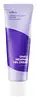 Key Ingredients
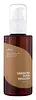
Benefits
Concerns
Ingredients Side-by-side
Allium Cepa Bulb Extract
Skin Conditioning


Propanediol
Solvent

Glycerin
Humectant
Water
Skin ConditioningButylene Glycol
Humectant
Caprylic/Capric Triglyceride
Masking
Niacinamide
Smoothing







1,2-Hexanediol
Skin Conditioning
Hydroxyethyl Acrylate/Sodium Acryloyldimethyl Taurate Copolymer
Emulsion StabilisingCetearyl Alcohol
Emollient



Vinyldimethicone

Carbomer
Emulsion StabilisingCetearyl Olivate
Sorbitol
Humectant
Sorbitan Olivate
Emulsifying
Biosaccharide Gum-1
Humectant
Sodium Polyacryloyldimethyl Taurate
Emulsion StabilisingSodium Ascorbyl Phosphate
Antioxidant

Tromethamine
BufferingMelia Azadirachta Leaf Extract
Skin ConditioningMelia Azadirachta Flower Extract
Skin ConditioningSorbitan Isostearate
Emulsifying
Hydrogenated Polydecene
EmollientEthylhexylglycerin
Skin ConditioningCitric Acid
Buffering

Adenosine
Skin Conditioning
Hydroxyethylcellulose
Emulsion StabilisingCoccinia Indica Fruit Extract
Skin ConditioningDisodium EDTA
Betaine
Humectant
Sodium Citrate
BufferingTranexamic Acid
Astringent
Allantoin
Skin Conditioning
Houttuynia Cordata Extract
Skin Conditioning
Panthenol
Skin Conditioning
Solanum Melongena Fruit Extract
Skin ConditioningTrideceth-10
CleansingHyaluronic Acid
Humectant
Hydrolyzed Hyaluronic Acid
Humectant
Sodium Hyaluronate
Humectant
Corallina Officinalis Extract
Skin Conditioning
Ocimum Sanctum Leaf Extract
Skin ConditioningCurcuma Longa Root Extract
Masking
Sodium Heparin
Skin ConditioningAllium Cepa Bulb Extract, Propanediol, Glycerin, Water, Butylene Glycol, Caprylic/Capric Triglyceride, Niacinamide, 1,2-Hexanediol, Hydroxyethyl Acrylate/Sodium Acryloyldimethyl Taurate Copolymer, Cetearyl Alcohol, Vinyldimethicone, Carbomer, Cetearyl Olivate, Sorbitol, Sorbitan Olivate, Biosaccharide Gum-1, Sodium Polyacryloyldimethyl Taurate, Sodium Ascorbyl Phosphate, Tromethamine, Melia Azadirachta Leaf Extract, Melia Azadirachta Flower Extract, Sorbitan Isostearate, Hydrogenated Polydecene, Ethylhexylglycerin, Citric Acid, Adenosine, Hydroxyethylcellulose, Coccinia Indica Fruit Extract, Disodium EDTA, Betaine, Sodium Citrate, Tranexamic Acid, Allantoin, Houttuynia Cordata Extract, Panthenol, Solanum Melongena Fruit Extract, Trideceth-10, Hyaluronic Acid, Hydrolyzed Hyaluronic Acid, Sodium Hyaluronate, Corallina Officinalis Extract, Ocimum Sanctum Leaf Extract, Curcuma Longa Root Extract, Sodium Heparin
Water
Skin ConditioningCamellia Sinensis Leaf Extract
Antimicrobial
Propanediol
Solvent
Caprylic/Capric Triglyceride
Masking
Glycerin
Humectant
Cetyl Ethylhexanoate
EmollientPolyglyceryl-3 Methylglucose Distearate
Emulsifying
Beeswax
Emulsion Stabilising
Ginkgo Biloba Leaf Extract
Skin Conditioning
Centella Asiatica Extract
Cleansing
Salix Alba Bark Extract
Astringent
Vaccinium Angustifolium Fruit Extract
Skin Protecting
Pinus Palustris Leaf Extract
TonicUlmus Davidiana Root Extract
Skin Conditioning
Oenothera Biennis Flower Extract
AstringentPueraria Lobata Root Extract
HumectantAllantoin
Skin Conditioning
Beta-Glucan
Skin Conditioning
Dipotassium Glycyrrhizate
Humectant
Acrylates/C10-30 Alkyl Acrylate Crosspolymer
Emulsion StabilisingXanthan Gum
EmulsifyingTromethamine
BufferingDisodium EDTA
1,2-Hexanediol
Skin Conditioning
Hydroxyacetophenone
Antioxidant
Water, Camellia Sinensis Leaf Extract, Propanediol, Caprylic/Capric Triglyceride, Glycerin, Cetyl Ethylhexanoate, Polyglyceryl-3 Methylglucose Distearate, Beeswax, Ginkgo Biloba Leaf Extract, Centella Asiatica Extract, Salix Alba Bark Extract, Vaccinium Angustifolium Fruit Extract, Pinus Palustris Leaf Extract, Ulmus Davidiana Root Extract, Oenothera Biennis Flower Extract, Pueraria Lobata Root Extract, Allantoin, Beta-Glucan, Dipotassium Glycyrrhizate, Acrylates/C10-30 Alkyl Acrylate Crosspolymer, Xanthan Gum, Tromethamine, Disodium EDTA, 1,2-Hexanediol, Hydroxyacetophenone
Reviews
Ingredients Explained
These ingredients are found in both products.
Ingredients higher up in an ingredient list are typically present in a larger amount.
1,2-Hexanediol is a synthetic liquid and another multi-functional powerhouse.
It is a:
- Humectant, drawing moisture into the skin
- Emollient, helping to soften skin
- Solvent, dispersing and stabilizing formulas
- Preservative booster, enhancing the antimicrobial activity of other preservatives
Allantoin is a soothing ingredient known for its protective and moisturizing properties; it's basically a quiet workhorse ingredient you can find in a huge range of cosmetics.
Though it can be derived from the comfrey plant, allantoin is produced synthetically for cosmetic products to ensure purity.
Research shows it can encourage your skin cells to turn over and renew by stimulating keratinocyte and fibroblast proliferation.
It also has mild keratolytic properties to help loosen and shed dead skin cells without being harsh.
Studies also suggest allantoin can help calm inflammation by dialing down some of the chemical signals your skin sends out when it is irritated.
This ingredient is typically used in the 0.1-0.5% range, and the FDA recognizes it as a skin protectant in OTC products up to 2%.
Overall, allantoin is a wonderful addition to most routines; it is stable across a wide pH range (~4-8), works well with other ingredients, and is considered non-sensitizing/non-irritating.
Fun fact: Allantoin is naturally occurring in comfrey root, beets, chamomile, and wheat sprouts. Our bodies even produce it as a byproduct of uric acid metabolism.
Learn more about AllantoinCaprylic/Capric Triglyceride (aka MCT Oil) is a lightweight emollient, solvent, and texture enhancer. It is considered a skin-softener by helping to prevent moisture loss.
Though it behaves like an oil, it is not technically one due to its chemical composition. One perk of this ingredient is that it is very stable, resistant to oxidation, and unlikely to go rancid.
In practice, that translates to a long shelf life and a consistently elegant skin feel.
While there is an assumption Caprylic Triglyceride can clog pores due to it being derived from coconut oil, there is no research supporting this. Just patch test if you have concerns.
Fractionated coconut oil and MCT Oil are both listed as Caprylic/Capric Triglyceride according to INCI. This is because INCI names are based on the ingredient’s final chemical composition and not its marketing name or source.
This ingredient is treated as the gold standard fungal acne safe oil. Even though it is coconut derived, the problematic lauric acid is stripped out.
This leaves just caprylic (C8) and capric (C10) acid. These chain lengths actually trend antifungal; a 2020 study found caprylic acid was enough to disrupt Malassezia furfur cell membrane, with a caprylic acid derivative damaging membrane structures at concentrations as low as 0.2%.
Learn more about Caprylic/Capric TriglycerideDisodium EDTA is a chelating agent. It grabs onto and deactivates metal ions that sneak into your products from water, packaging, or air.
This ingredient mainly works behind the scenes and helps with:
On top of that, this ingredient can counteract the effects of hard water by binding to the minerals in it.
One thing worth knowing is that Disodium EDTA has been shown to be a mild penetration enhancer. It can help other ingredients absorb into skin more effectively which can be a double-edged sword (great for actives, but can also make the active too strong if you have sensitive skin).
Clinical patch testing showed no significant skin irritation at typical use concentrations and minimal dermal absorption.
You'll most likely see this ingredient near the end of an ingredient list. It's typically found in concentrations less than 1%.
Learn more about Disodium EDTAGlycerin (or glycerol) is a compound naturally found in your skin. It's a powerhouse humectant that pulls water into the stratum corneum.
Topically, glycerin does several things at once:
Your skin makes glycerin on its own (mostly from sebaceous oil breakdown) and shuttles it to your outermost layer of skin, or your epidermis, via aquaporin-3.
Aquaporin-3 is a transporter that is essential for normal skin hydration, elasticity, and repair. Interestingly, mice lacking in AQP3 have dry and less elastic skin that can be fully corrected with glycerin.
This ingredient is non-irritating, plays well with almost every ingredient, and works across all skin types. Typical use is anywhere between 3-10% but can go up to 79% in some leave-on products.
Just know very high concentrations (>40%) can feel tacky in low humidity.
Glycerin is the name for this ingredient in American English. British English uses Glycerol/Glycerine.
Learn more about GlycerinPropanediol is an all-star ingredient. It softens, hydrates, and smooths the skin.
It’s often used to:
Propanediol is not likely to cause sensitivity and considered safe to use. It is derived from corn or petroleum with a clear color and no scent.
Learn more about PropanediolTromethamine helps balance the pH and improve the texture of a product. It is synthetically created.
As an emulsifier, Tromethamine prevents oil and water ingredients from separating. This helps stabilize the product and elongate a product's shelf life. Tromethamine also makes a product thicker.
Tromethamine helps balance the pH level of a product. Normal pH level of skin is slightly acidic (~4.75-5.5). The acidity of our skin is maintained by our glands and skin biome. Being slightly acidic allows our skin to create an "acid mantle". This acid mantle is a thin barrier that protects our skin from bacteria and contaminants.
Oral Tromethanmine is an anti-inflammatory drug but plays the role of masking, adding fragrance, and/or balancing pH in skincare.
1,3-Propanediol, 2-amino-2-(hydroxymethyl)-
Learn more about TromethamineWater. It's the most common cosmetic ingredient of all. You'll usually see it at the top of ingredient lists, meaning that it makes up the largest part of the product.
So why is it so popular? Water most often acts as a solvent - this means that it helps dissolve other ingredients into the formulation.
You'll also recognize water as that liquid we all need to stay alive. If you see this, drink a glass of water. Remember to stay hydrated!
Learn more about Water
