
What's inside
What's inside
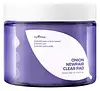 Key Ingredients
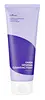
Benefits
Concerns
Ingredients Side-by-side
Allium Cepa Bulb Extract
Skin Conditioning


Butylene Glycol
Humectant

Glycerin
Humectant
Water
Skin Conditioning1,2-Hexanediol
Skin Conditioning
Niacinamide
Smoothing







Houttuynia Cordata Extract
Skin Conditioning
Sodium Heparin
Skin ConditioningPanthenol
Skin Conditioning
Allantoin
Skin Conditioning
Trehalose
Humectant
Sodium Hyaluronate
Humectant
Hydrolyzed Hyaluronic Acid
Humectant
Sodium Acetylated Hyaluronate
Humectant
Beta-Glucan
Skin Conditioning
Tranexamic Acid
Astringent
Sodium Ascorbyl Phosphate
Antioxidant

Gluconolactone
Skin Conditioning
Hydroxyethylcellulose
Emulsion StabilisingAdenosine
Skin Conditioning
Melia Azadirachta Flower Extract
Skin ConditioningCoccinia Indica Fruit Extract
Skin Conditioning
Citric Acid
Buffering

Ethylhexylglycerin
Skin ConditioningAllium Cepa Bulb Extract, Butylene Glycol, Glycerin, Water, 1,2-Hexanediol, Niacinamide, Houttuynia Cordata Extract, Sodium Heparin, Panthenol, Allantoin, Trehalose, Sodium Hyaluronate, Hydrolyzed Hyaluronic Acid, Sodium Acetylated Hyaluronate, Beta-Glucan, Tranexamic Acid, Sodium Ascorbyl Phosphate, Gluconolactone, Hydroxyethylcellulose, Adenosine, Melia Azadirachta Flower Extract, Coccinia Indica Fruit Extract, Citric Acid, Ethylhexylglycerin
Water
Skin ConditioningGlycerin
Humectant
Potassium Myristate
EmulsifyingAllium Cepa Bulb Extract
Skin Conditioning
Stearic Acid
Cleansing

Potassium Stearate
CleansingMyristic Acid
Cleansing

Glyceryl Stearate
Emollient
Palmitic Acid
Emollient
Coco-Betaine
Cleansing
Potassium Cocoyl Glycinate
Surfactant
Hydroxypropyl Starch Phosphate
Sodium C14-16 Olefin Sulfonate
Cleansing
Sorbitol
Humectant
Potassium Benzoate
Preservative
Butylene Glycol
Humectant
Sodium Chloride
MaskingCetearyl Alcohol
Emollient
Coccinia Indica Fruit Extract
Skin Conditioning
1,2-Hexanediol
Skin Conditioning
Eclipta Prostrata Extract
Skin Conditioning
Melia Azadirachta Leaf Extract
Skin ConditioningMelia Azadirachta Flower Extract
Skin ConditioningHydrogenated Polydecene
EmollientArachidic Acid
Cleansing
Sodium Citrate
BufferingTrisodium Ethylenediamine Disuccinate
Oleic Acid
Emollient
Solanum Melongena Fruit Extract
Skin ConditioningLauric Acid
Cleansing
Ocimum Sanctum Leaf Extract
Skin ConditioningCitric Acid
Buffering
Curcuma Longa Root Extract
Masking
Corallina Officinalis Extract
Skin Conditioning
Sodium Ascorbyl Phosphate
Antioxidant
Tranexamic Acid
Astringent
Disodium EDTA
Allantoin
Skin Conditioning
Houttuynia Cordata Extract
Skin Conditioning
Panthenol
Skin Conditioning
Sodium Heparin
Skin ConditioningWater, Glycerin, Potassium Myristate, Allium Cepa Bulb Extract, Stearic Acid, Potassium Stearate, Myristic Acid, Glyceryl Stearate, Palmitic Acid, Coco-Betaine, Potassium Cocoyl Glycinate, Hydroxypropyl Starch Phosphate, Sodium C14-16 Olefin Sulfonate, Sorbitol, Potassium Benzoate, Butylene Glycol, Sodium Chloride, Cetearyl Alcohol, Coccinia Indica Fruit Extract, 1,2-Hexanediol, Eclipta Prostrata Extract, Melia Azadirachta Leaf Extract, Melia Azadirachta Flower Extract, Hydrogenated Polydecene, Arachidic Acid, Sodium Citrate, Trisodium Ethylenediamine Disuccinate, Oleic Acid, Solanum Melongena Fruit Extract, Lauric Acid, Ocimum Sanctum Leaf Extract, Citric Acid, Curcuma Longa Root Extract, Corallina Officinalis Extract, Sodium Ascorbyl Phosphate, Tranexamic Acid, Disodium EDTA, Allantoin, Houttuynia Cordata Extract, Panthenol, Sodium Heparin
Reviews
Ingredients Explained
These ingredients are found in both products.
Ingredients higher up in an ingredient list are typically present in a larger amount.
1,2-Hexanediol is a synthetic liquid and another multi-functional powerhouse.
It is a:
- Humectant, drawing moisture into the skin
- Emollient, helping to soften skin
- Solvent, dispersing and stabilizing formulas
- Preservative booster, enhancing the antimicrobial activity of other preservatives
Allantoin is a soothing ingredient known for its protective and moisturizing properties; it's basically a quiet workhorse ingredient you can find in a huge range of cosmetics.
Though it can be derived from the comfrey plant, allantoin is produced synthetically for cosmetic products to ensure purity.
Research shows it can encourage your skin cells to turn over and renew by stimulating keratinocyte and fibroblast proliferation.
It also has mild keratolytic properties to help loosen and shed dead skin cells without being harsh.
Studies also suggest allantoin can help calm inflammation by dialing down some of the chemical signals your skin sends out when it is irritated.
This ingredient is typically used in the 0.1-0.5% range, and the FDA recognizes it as a skin protectant in OTC products up to 2%.
Overall, allantoin is a wonderful addition to most routines; it is stable across a wide pH range (~4-8), works well with other ingredients, and is considered non-sensitizing/non-irritating.
Fun fact: Allantoin is naturally occurring in comfrey root, beets, chamomile, and wheat sprouts. Our bodies even produce it as a byproduct of uric acid metabolism.
Learn more about AllantoinRed onion extract? This ingredient not only benefits our diet but also offers numerous benefits for the skin.
Like many other plant extracts, red onion is loaded with antioxidants and nutrients. The red color of the onion comes from its high anthocyanin content - and anthocyanin is a potent antioxidant.
Besides being rich in antioxidants, red onions also contain sulfur, sugars, Vitamin C, and biotin.
A study from 2018 found onion extract to be just as effective as healing surgical scars as traditional silicone gel.
Another study from 2008 showed using this ingredient helped reduce surgical scar texture, redness, and overall appearance in 60 patients.
According to a manufacturer, this ingredient can help with the following:
Another manufacturer from Spain claims onion extract can inhibit the release of allergy hormones and prostaglandin, or lipids found near tissue damage and infection spots.
This ingredient is water-soluble.
Learn more about Allium Cepa Bulb ExtractButylene Glycol (or BG) is used within cosmetic products for a few different reasons:
Overall, Butylene Glycol is a safe and well-rounded ingredient that works well with other ingredients.
Though this ingredient works well with most skin types, some people with sensitive skin may experience a reaction such as allergic rashes, closed comedones, or itchiness.
Learn more about Butylene GlycolCitric Acid is an alpha hydroxy acid (AHA) naturally found in citrus fruits like oranges, lemons, and limes.
Like other AHAs, citric acid can exfoliate skin by breaking down the bonds that hold dead skin cells together. This helps reveal smoother and brighter skin underneath.
However, this exfoliating effect only happens at high concentrations (20%) which can be hard to find in cosmetic products.
Due to this, citric acid is usually included in small amounts as a pH adjuster. This helps keep products slightly more acidic and compatible with skin's natural pH.
In skincare formulas, citric acid can:
While it can provide some skin benefits, research shows lactic acid and glycolic acid are generally more effective and less irritating exfoliants.
Most citric acid used in skincare today is made by fermenting sugars (usually from molasses). This synthetic version is identical to the natural citrus form but easier to stabilize and use in formulations.
Read more about some other popular AHA's here:
Learn more about Citric AcidCoccinia Indica Fruit Extract is also known as Ivy Gourd Fruit Extract. It has skin conditioning properties.
The fruit is rich in flavonoids, phenolic acids, terpenoids, and sterols that show antioxidant and anti-inflammatory effect in vitro. This is because the fruit contains a thick mucilage that forms a protective and soothing layer on the skin's surface.
The extract itself has demonstrated antioxidant, soothing, and potential anti-allergy properties.
Most of this research is done in vitro and dedicated clinical studies on topical application are still limited.
Learn more about Coccinia Indica Fruit ExtractGlycerin (or glycerol) is a compound naturally found in your skin. It's a powerhouse humectant that pulls water into the stratum corneum.
Topically, glycerin does several things at once:
Your skin makes glycerin on its own (mostly from sebaceous oil breakdown) and shuttles it to your outermost layer of skin, or your epidermis, via aquaporin-3.
Aquaporin-3 is a transporter that is essential for normal skin hydration, elasticity, and repair. Interestingly, mice lacking in AQP3 have dry and less elastic skin that can be fully corrected with glycerin.
This ingredient is non-irritating, plays well with almost every ingredient, and works across all skin types. Typical use is anywhere between 3-10% but can go up to 79% in some leave-on products.
Just know very high concentrations (>40%) can feel tacky in low humidity.
Glycerin is the name for this ingredient in American English. British English uses Glycerol/Glycerine.
Learn more about GlycerinHouttuynia Cordata Extract is more commonly known as Heart Leaf, Fish Mint, or Chameleon plant.
The components found in Heart Leaf give it antioxidant, hydrating, antimicrobial, and anti-inflammatory properties.
Heart Leaf is rich in flavonoids such as quercetin, apigenin, and more. It also contains polysaccharides, the most common type of carbs in food.
Flavonoids have been shown to be effective antioxidants. They help neutralize free-radical molecules. Free-radical molecules are unstable molecules that may damage our skin cells and DNA. The flavonoids in Heart Leaf also help soothe the skin.
Polysaccharides are naturally found in our skin. They play a role in hydrating and repairing the top layer of skin. The polysaccharides in Heart Leaf help moisturize our skin.
Studies show decanoyl acetaldehyde, a component of Heart Leaf oil, is effective at killing bacteria.
The name 'Fish Mint' comes from the herb's natural fishy smell. Is is native to southeast Asia and used throughout the continent for traditional cooking and medicine.
Learn more about Houttuynia Cordata ExtractMelia Azadirachta Flower Extract is from the Neem tree. Neem trees originate from India.
Melia Azadirachta Flower Extract contains antioxidants. Antioxidants help fight free-radicals. Free-radicals are molecules that may damage your skin cells, such as pollution.
The flowers of this tree are lilac colored.
Learn more about Melia Azadirachta Flower ExtractPanthenol is a common ingredient that helps hydrate and soothe the skin. It is found naturally in our skin and hair.
There are two forms of panthenol: D and L.
D-panthenol is also known as dexpanthenol. Most cosmetics use dexpanthenol or a mixture of D and L-panthenol.
Panthenol is famous due to its ability to go deeper into the skin's layers. Using this ingredient has numerous pros (and no cons):
Like hyaluronic acid, panthenol is a humectant. Humectants are able to bind and hold large amounts of water to keep skin hydrated.
This ingredient works well for wound healing. It works by increasing tissue in the wound and helps close open wounds.
Once oxidized, panthenol converts to pantothenic acid. Panthothenic acid is found in all living cells.
This ingredient is also referred to as pro-vitamin B5.
Learn more about PanthenolSodium Ascorbyl Phosphate (SAP) is a water-soluble form of Vitamin C. It is the salt of ascorbic acid.
This ingredient is commonly used in skincare because it's more formulation-stable while still offering the same benefits as pure ascorbic acid. Ascorbic acid is notorious for breaking down when exposed to sunlight and oxygen whereas SAP has been shown to be more stable.
Studies show SAP has anti-acne and antioxidant benefits. One study found 5% of SAP lotion to be an effective ingredient for treating acne vulgaris. This is because research shows that SAP may help control acne by reducing acne-causing bacteria and slowing the oxidation of skin oils caused by UV exposure.
In addition to acne, vitamin C is important for skin structure. Lab studies suggest SAP may support collagen production in skin cells, making it a great ingredient in anti-aging routines.
Vitamin C has many benefits: it helps reduce redness, improve skin texture, fade the appearance of dark spots, and brighten the skin.
Read more about other types of Vitamin C:
Learn more about Sodium Ascorbyl PhosphateWe don't have a description for Sodium Heparin yet.
Tranexamic Acid (TXA) is a synthetic lysine derivative that is becoming one of the most exciting brightening ingredients in skincare.
Originally used in medicine as an anti-hemorrhagic agent, its skin brightening potential was discovered by accident; patients taking it orally started noticing their melasma was fading.
Unlike most brighteners that target tyrosinase (the enzyme that synthesizes melanin), TXA works further upstream. It basically blocks your cells from receiving the signal to produce pigment.
This makes it one of the rare actives that works on three pathways at once:
This makes it effective for treating melasma, post-inflammatory hyperpigmentation (PIH), and sun-induced dark spots.
The most effective cosmetic concentration sits between 2-5% and going higher doesn't boost results.
Side effects are generally mild; occasional irritation, flaking, or dryness have been reported at the start of use. Overall, this ingredient is pretty well tolerated, even by sensitive skin types.
Another perk of this ingredient is that it does not cause photosensitivity, so it's safe to use in the AM and PM.
Learn more about Tranexamic AcidWater. It's the most common cosmetic ingredient of all. You'll usually see it at the top of ingredient lists, meaning that it makes up the largest part of the product.
So why is it so popular? Water most often acts as a solvent - this means that it helps dissolve other ingredients into the formulation.
You'll also recognize water as that liquid we all need to stay alive. If you see this, drink a glass of water. Remember to stay hydrated!
Learn more about Water

