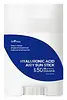
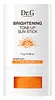
Isntree Hyaluronic Acid Airy Sun Stick SPF50+ PA++++ Versus Dr.G Brightening Tone-Up Sun Stick SPF 50+ PA++++
This chemical sunscreen covers the full UV range and blocks ~98% of UVB at SPF 50.
This mineral sunscreen covers the full UV range and blocks ~98% of UVB at SPF 50.

What's inside
What's inside
 Key Ingredients
Benefits
Concerns
Ingredients Side-by-side
Water
Skin ConditioningPolyethylene
Abrasive

Propylheptyl Caprylate
EmollientC12-15 Alkyl Benzoate
AntimicrobialHomosalate
Skin Conditioning

Silica
Abrasive

Ethylhexyl Methoxycinnamate
UV Absorber
Neopentyl Glycol Diheptanoate
EmollientVinyl Dimethicone/Methicone Silsesquioxane Crosspolymer

Ethylhexyl Salicylate
UV Absorber
Butylene Glycol
Humectant

Synthetic Fluorphlogopite
Niacinamide
Smoothing








Diethylamino Hydroxybenzoyl Hexyl Benzoate
UV Filter
Vinyldimethicone
Bis-Ethylhexyloxyphenol Methoxyphenyl Triazine
UV Absorber
Ozokerite
Emulsion StabilisingPolyglyceryl-4 Diisostearate/Polyhydroxystearate/Sebacate
Emulsifying

Pinus Pinaster Bark Extract
Antioxidant
Bambusa Vulgaris Water
Skin ConditioningMesembryanthemum Crystallinum Extract
HumectantHibiscus Sabdariffa Flower Extract
Skin ConditioningCeramide NP
Skin Conditioning
Glycerin
Humectant
Olea Europaea Fruit Oil
Masking


Laminaria Japonica Extract
Skin Protecting
Ulmus Davidiana Root Extract
Skin Conditioning
Aloe Barbadensis Leaf Extract
Emollient
Viola Mandshurica Flower Extract
Antioxidant
Dioscorea Japonica Root Extract
Skin Conditioning
Polyglyceryl-2 Dipolyhydroxystearate
Skin Conditioning
Polyurethane-11
Glyceryl Caprylate
EmollientSorbitan Sesquioleate
Emulsifying
Sodium Hyaluronate
Humectant
Adenosine
Skin Conditioning
Astaxanthin
Skin Conditioning
Pentylene Glycol
Skin Conditioning
Sodium Acetylated Hyaluronate
Humectant
Sodium Hyaluronate Crosspolymer
Humectant
Ascorbyl Propyl Hyaluronate
Skin Conditioning
Hydroxypropyltrimonium Hyaluronate
Hydrolyzed Sodium Hyaluronate
Skin Conditioning
Hydrolyzed Hyaluronic Acid
Humectant
Hyaluronic Acid
Humectant
Triethoxycaprylylsilane
Caprylyl Glycol
Emollient
Ethylhexylglycerin
Skin Conditioning1,2-Hexanediol
Skin Conditioning
Water, Polyethylene, Propylheptyl Caprylate, C12-15 Alkyl Benzoate, Homosalate, Silica, Ethylhexyl Methoxycinnamate, Neopentyl Glycol Diheptanoate, Vinyl Dimethicone/Methicone Silsesquioxane Crosspolymer, Ethylhexyl Salicylate, Butylene Glycol, Synthetic Fluorphlogopite, Niacinamide, Diethylamino Hydroxybenzoyl Hexyl Benzoate, Vinyldimethicone, Bis-Ethylhexyloxyphenol Methoxyphenyl Triazine, Ozokerite, Polyglyceryl-4 Diisostearate/Polyhydroxystearate/Sebacate, Pinus Pinaster Bark Extract, Bambusa Vulgaris Water, Mesembryanthemum Crystallinum Extract, Hibiscus Sabdariffa Flower Extract, Ceramide NP, Glycerin, Olea Europaea Fruit Oil, Laminaria Japonica Extract, Ulmus Davidiana Root Extract, Aloe Barbadensis Leaf Extract, Viola Mandshurica Flower Extract, Dioscorea Japonica Root Extract, Polyglyceryl-2 Dipolyhydroxystearate, Polyurethane-11, Glyceryl Caprylate, Sorbitan Sesquioleate, Sodium Hyaluronate, Adenosine, Astaxanthin, Pentylene Glycol, Sodium Acetylated Hyaluronate, Sodium Hyaluronate Crosspolymer, Ascorbyl Propyl Hyaluronate, Hydroxypropyltrimonium Hyaluronate, Hydrolyzed Sodium Hyaluronate, Hydrolyzed Hyaluronic Acid, Hyaluronic Acid, Triethoxycaprylylsilane, Caprylyl Glycol, Ethylhexylglycerin, 1,2-Hexanediol
Zinc Oxide
Cosmetic Colorant
Butylene Glycol Dicaprylate/Dicaprate
EmollientC12-15 Alkyl Benzoate
AntimicrobialHexyl Laurate
Emollient
Neopentyl Glycol Diheptanoate
EmollientOctyldodecanol
Emollient
Silica
Abrasive
Dibutyl Lauroyl Glutamide
Skin ConditioningPentaerythrityl Tetra-Di-T-Butyl Hydroxyhydrocinnamate
Antioxidant
Dipentaerythrityl Hexahydroxystearate/Hexastearate/Hexarosinate
Skin ConditioningPolyamide-8
EmollientDibutyl Ethylhexanoyl Glutamide
Skin ConditioningMica
Cosmetic ColorantTitanium Dioxide
Cosmetic Colorant
Polyhydroxystearic Acid
Emulsifying
Triethoxycaprylylsilane
Polyglyceryl-4 Isostearate
Emulsifying
1,2-Hexanediol
Skin Conditioning
Neopentyl Glycol Diethylhexanoate
Emollient
Ethylhexylglycerin
Skin ConditioningCI 77492
Cosmetic ColorantAluminum Hydroxide
EmollientCI 77491
Cosmetic ColorantCalamine
AbsorbentRuby Powder
Skin ConditioningWater
Skin ConditioningAscorbic Acid
Antioxidant
Niacinamide
Smoothing
Pinus Pinaster Bark Extract
Antioxidant
Caesalpinia Spinosa Fruit Extract
Skin ProtectingPanthenol
Skin Conditioning
Propanediol
Solvent
Butylene Glycol
Humectant
Kappaphycus Alvarezii Extract
Skin Conditioning
Buddleja Officinalis Flower Extract
UV FilterOenothera Biennis Flower Extract
AstringentPueraria Lobata Root Extract
HumectantPinus Palustris Leaf Extract
TonicUlmus Davidiana Root Extract
Skin Conditioning
Zinc Oxide, Butylene Glycol Dicaprylate/Dicaprate, C12-15 Alkyl Benzoate, Hexyl Laurate, Neopentyl Glycol Diheptanoate, Octyldodecanol, Silica, Dibutyl Lauroyl Glutamide, Pentaerythrityl Tetra-Di-T-Butyl Hydroxyhydrocinnamate, Dipentaerythrityl Hexahydroxystearate/Hexastearate/Hexarosinate, Polyamide-8, Dibutyl Ethylhexanoyl Glutamide, Mica, Titanium Dioxide, Polyhydroxystearic Acid, Triethoxycaprylylsilane, Polyglyceryl-4 Isostearate, 1,2-Hexanediol, Neopentyl Glycol Diethylhexanoate, Ethylhexylglycerin, CI 77492, Aluminum Hydroxide, CI 77491, Calamine, Ruby Powder, Water, Ascorbic Acid, Niacinamide, Pinus Pinaster Bark Extract, Caesalpinia Spinosa Fruit Extract, Panthenol, Propanediol, Butylene Glycol, Kappaphycus Alvarezii Extract, Buddleja Officinalis Flower Extract, Oenothera Biennis Flower Extract, Pueraria Lobata Root Extract, Pinus Palustris Leaf Extract, Ulmus Davidiana Root Extract
Reviews
Ingredients Explained
These ingredients are found in both products.
Ingredients higher up in an ingredient list are typically present in a larger amount.
1,2-Hexanediol is a synthetic liquid and another multi-functional powerhouse.
It is a:
- Humectant, drawing moisture into the skin
- Emollient, helping to soften skin
- Solvent, dispersing and stabilizing formulas
- Preservative booster, enhancing the antimicrobial activity of other preservatives
Butylene Glycol (or BG) is used within cosmetic products for a few different reasons:
Overall, Butylene Glycol is a safe and well-rounded ingredient that works well with other ingredients.
Though this ingredient works well with most skin types, some people with sensitive skin may experience a reaction such as allergic rashes, closed comedones, or itchiness.
Learn more about Butylene GlycolC12-15 Alkyl Benzoate is a lightweight emollient made by combinig benzoic acid with fatty alcohols that are 12-15 carbons long.
In cosmetics, it plays several roles:
The Cosmetic Review Expert Panel has concluded the alkyl benzoate group to be safe as used in cosmetics; it wasn't found to be a skin irritant and unlikely to be absorbed due to its low water solubility.
This report recorded almost 1000 reported uses with concentrations up to 59% in leave-on products but your cosmetics will typically use 0.5-15% depending on the product.
It's often called a "SPF booster": this is because it keeps UV filters properly dissolved and evenly distributed to support a sunscreen's performance. It doesn't actually raise SPF on its own.
Overall, this ingredient is well tolerated.
This ingredient is fungal acne safe because it is an ester of benzoic acid.
Think of this ingredient as two parts stuck together: an oily part and an acid part. Malassezia only gets a meal when it can snip off a fatty acid to eat. With C12-15 Alkyl Benzoate, the acid part is benzoic acid, which isn't a fatty acid and which the yeast can't use as food.
Benzoic acid is actually used as a preservative to stop yeast from growing.
The oily part is a blend of C12-15 fatty alcohols but fatty alcohols in this size range can support only a little Malassezia growth (mostly for one species of Malassezia as well).
In the ingredient, those alcohols stay locked inside the molecule. The yeast can only reach them by snipping the benzoate bond, and that type of bond is harder for it to cut than a normal fatty bond.
So not much gets released. And whatever does get snipped comes packaged with benzoic acid, which discourages yeast growth.
Learn more about C12-15 Alkyl BenzoateEthylhexylglycerin is created from glycerin. It is a multitasker ingredient that:
The CIR Expert Panel found minimal skin absorption or sensitization of any kind in a safety assessment. Though this ingredient is considered well-tolerated, a small number of cases of allergic dermatitis have been published since 2002. Just be sure to patch test if you are unsure.
Industry-reported use ranges from 8% in rinse-off products and 2% in leave-on formulations.
Learn more about EthylhexylglycerinNeopentyl Glycol Diheptanoate is a lightweight synthetic emollient that also helps improve how a product feels and spreads.
In a formula, it's a workhorse that:
The Cosmetic Ingredient Review panel has concluded this ingredient to be safe in cosmetics and found to be a non-ocular (eye) irritant at 100% in rabbits.
Usage levels vary depending on product type; industry surveys report it around 2.2% in baby products, 19.5% in hair sprays, and 1-20% in skincare.
Learn more about Neopentyl Glycol DiheptanoateNiacinamide is a multitasking form of vitamin B3 that strengthens the skin barrier, reduces pores and dark spots, regulates oil, and improves signs of aging.
And the best part? It's gentle and well-tolerated by most skin types, including sensitive and reactive skin.
You might have heard of "niacin flush", or the reddening of skin that causes itchiness. Niacinamide has not been found to cause this.
In very rare cases, some individuals may not be able to tolerate niacinamide at all or experience an allergic reaction to it.
If you are experiencing flaking, irritation, and dryness with this ingredient, be sure to double check all your products as this ingredient can be found in all categories of skincare.
When incorporating niacinamide into your routine, look out for concentration amounts. Typically, 5% niacinamide provides benefits such as fading dark spots. However, if you have sensitive skin, it is better to begin with a smaller concentration.
When you apply niacinamide to your skin, your body converts it into nicotinamide adenine dinucleotide (NAD). NAD is an essential coenzyme that is already found in your cells as "fuel" and powers countless biological processes.
In your skin, NAD helps repair cell damage, produce new healthy cells, support collagen production, strengthen the skin barrier, and fight environmental stressors (like UV and pollution).
Our natural NAD levels start to decline with age, leading to slower skin repair, visible aging, and a weaker skin barrier. By providing your skin niacinamide, you're recharging your skin's NAD levels. This leads to stronger, healthier, and younger looking skin.
Another name for vitamin B3 is nicotinamide. This vitamin is water-soluble and our bodies don't store it. We obtain Vitamin B3 from either food or skincare. Meat, fish, wheat, yeast, and leafy greens contain vitamin B3.
The type of niacinamide used in skincare is synthetically created.
Learn more about NiacinamideThis ingredient is also known as Maritime pine or pycnogenol. It has antioxidant and skin soothing properties.
Research on this ingredient is the strongest in the oral context. Studies have linked supplementation to improvements in skin hydration, elasticity, and melasma.
Evidence for topical effects is more limited. Like other botanical extracts, tolerance can vary. Patch testing is recommended for sensitive skin.
Learn more about Pinus Pinaster Bark ExtractSilica, also known as silicon dioxide, is a naturally occurring mineral. It is used as a fine, spherical, and porous powder in cosmetics.
Though it has exfoliant properties, the function of silica varies depending on the product.
The unique structure of silica enhances the spreadability and adds smoothness, making it a great texture enhancer.
It is also used as an active carrier, emulsifier, and mattifier due to its ability to absorb excess oil.
In some products, tiny microneedles called spicules are made from silica or hydrolyzed sponge. When you rub them in, they lightly polish away dead skin layers and enhance the penetration of active ingredients.
Learn more about SilicaTriethoxycaprylylsilane is a silicon-based surface modifier that makes sunscreens feel silky and makeup stay put.
Its main job is to coat mineral particles like titanium dioxide, zinc oxide, and color pigments in a thin, oily layer so they spread smoothly, don't clump, and stick to skin better.
This ingredient is typically used at low levels (up to 2.5% in eyeshadow and 1% in lipstick).
Learn more about TriethoxycaprylylsilaneThis tree is also known as the David Elm. It contains the ingredient bakuchiol.
Other great compounds found in this ingredient include galactose, glucose, and phenolics. The sugar content gives it great skin hydrating properties. Phenolics are potent antioxidants commonly found in fruits and veggies.
A 2020 study found the phenolics of this root to have an anti-inflammatory effect.
Fun fact: This ingredient is used in traditional Asian medicine.
Learn more about Ulmus Davidiana Root ExtractWater. It's the most common cosmetic ingredient of all. You'll usually see it at the top of ingredient lists, meaning that it makes up the largest part of the product.
So why is it so popular? Water most often acts as a solvent - this means that it helps dissolve other ingredients into the formulation.
You'll also recognize water as that liquid we all need to stay alive. If you see this, drink a glass of water. Remember to stay hydrated!
Learn more about Water

