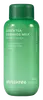
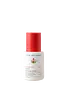
innisfree Green Tea Ceramide Milk Barrier Essence Versus From This Island Papua Red Fruit Potent Plumping Serum
This barrier-repair essence is formulated around Niacinamide and Ceramide NP to strengthen the skin barrier and hydrate skin.
This anti-aging serum is formulated around Bakuchiol and Acetyl Hexapeptide-8 to soften the look of wrinkles.


What's inside
What's inside
 Key Ingredients
Benefits
Concerns
Ingredients Side-by-side
Water
Skin ConditioningGlycerin
Humectant


Butylene Glycol
Humectant
Propanediol
Solvent
Hydrogenated Rice Bran Oil
Skin Conditioning
Betaine
Humectant
1,2-Hexanediol
Skin Conditioning
Mannitol
Humectant
Polyglycerin-3
Humectant
PPG-13-Decyltetradeceth-24
EmulsifyingHydrogenated Lecithin
Emulsifying
Pentylene Glycol
Skin Conditioning
Glyceryl Caprylate
EmollientXanthan Gum
EmulsifyingCarbomer
Emulsion StabilisingEthylhexylglycerin
Skin ConditioningCaprylic/Capric Triglyceride
Masking
Sodium Stearoyl Glutamate
CleansingTromethamine
BufferingHydroxyethyl Acrylate/Sodium Acryloyldimethyl Taurate Copolymer
Emulsion StabilisingSodium Metaphosphate
BufferingNiacinamide
Smoothing








Polyglyceryl-10 Stearate
Skin Conditioning

Sorbitan Isostearate
Emulsifying
Hyaluronic Acid
Humectant
Ceramide NP
Skin Conditioning
Phytosterols
Skin Conditioning
Camellia Sinensis Seed Oil
Humectant
Tocopherol
Antioxidant

Sodium Hyaluronate
Humectant
Camellia Sinensis Leaf Extract
Antimicrobial
Caprylyl Glycol
Emollient
Propylene Glycol
Humectant
Glyceryl Oleate
Emollient

Lecithin
Emollient
Lauryl Glucoside
CleansingHydrolyzed Hyaluronic Acid
Humectant
Polyglyceryl-6 Laurate
Emulsifying
Myristyl Glucoside
CleansingSodium Hyaluronate Crosspolymer
Humectant
Sodium Trimetaphosphate
BufferingSodium Acetylated Hyaluronate
Humectant
Acetyl Tetrapeptide-2
Skin Conditioning
Water, Glycerin, Butylene Glycol, Propanediol, Hydrogenated Rice Bran Oil, Betaine, 1,2-Hexanediol, Mannitol, Polyglycerin-3, PPG-13-Decyltetradeceth-24, Hydrogenated Lecithin, Pentylene Glycol, Glyceryl Caprylate, Xanthan Gum, Carbomer, Ethylhexylglycerin, Caprylic/Capric Triglyceride, Sodium Stearoyl Glutamate, Tromethamine, Hydroxyethyl Acrylate/Sodium Acryloyldimethyl Taurate Copolymer, Sodium Metaphosphate, Niacinamide, Polyglyceryl-10 Stearate, Sorbitan Isostearate, Hyaluronic Acid, Ceramide NP, Phytosterols, Camellia Sinensis Seed Oil, Tocopherol, Sodium Hyaluronate, Camellia Sinensis Leaf Extract, Caprylyl Glycol, Propylene Glycol, Glyceryl Oleate, Lecithin, Lauryl Glucoside, Hydrolyzed Hyaluronic Acid, Polyglyceryl-6 Laurate, Myristyl Glucoside, Sodium Hyaluronate Crosspolymer, Sodium Trimetaphosphate, Sodium Acetylated Hyaluronate, Acetyl Tetrapeptide-2
Water
Skin ConditioningButylene Glycol
Humectant
Glycerin
Humectant
Glycereth-26
Humectant
Propanediol
Solvent
1,2-Hexanediol
Skin Conditioning
Methyl Trimethicone
Skin Conditioning
Caprylic/Capric Triglyceride
Masking
Pentylene Glycol
Skin Conditioning
Glyceryl Stearate
Emollient
Behenyl Alcohol
Emollient
Bakuchiol
Antimicrobial
Pandanus Conoideus Fruit Oil
Emollient
Hydrogenated Lecithin
Emulsifying
Hydroxyacetophenone
Antioxidant
Hydroxyethyl Acrylate/Sodium Acryloyldimethyl Taurate Copolymer
Emulsion StabilisingDipotassium Glycyrrhizate
Humectant
Allantoin
Skin Conditioning
Sodium Polyacryloyldimethyl Taurate
Emulsion StabilisingGlucosylrutin
Antioxidant
Adenosine
Skin Conditioning
Tocopheryl Acetate
Antioxidant
Benzotriazolyl Dodecyl P-Cresol
UV AbsorberAcrylates/C10-30 Alkyl Acrylate Crosspolymer
Emulsion StabilisingTromethamine
BufferingEthylhexylglycerin
Skin ConditioningCananga Odorata Flower Oil
Masking


Hyaluronic Acid
Humectant
Sodium Hyaluronate
Humectant
Hydrolyzed Hyaluronic Acid
Humectant
Citric Acid
Buffering
Caprylyl Glycol
Emollient
Sodium Phytate
ChelatingSorbitan Isostearate
Emulsifying
Tremella Fuciformis Extract
Humectant
Ethyl Hexanediol
SolventAcetyl Hexapeptide-8
Humectant
Solanum Lycopersicum Fruit Extract
Antioxidant
Ascorbyl Glucoside
Antioxidant
Phenoxyethanol
Preservative
Resveratrol
Antioxidant
Magnesium Chloride
Panthenol
Skin Conditioning
Calcium Gluconate
HumectantPyridoxine Hcl
Skin ConditioningTocopherol
Antioxidant
Acetyl Glucosamine
Skin Conditioning
Panax Ginseng Root Extract
Emollient
Yeast Extract
Skin ConditioningHibiscus Sabdariffa Flower Extract
Skin ConditioningCyanocobalamin
Skin ConditioningHydrolyzed Sodium Hyaluronate
Skin Conditioning
Hydroxypropyltrimonium Hyaluronate
Potassium Hyaluronate
Skin ConditioningDimethylsilanol Hyaluronate
Humectant
Sodium Acetylated Hyaluronate
Humectant
PEG-9 Diglycidyl Ether/Sodium Hyaluronate Crosspolymer
Skin ConditioningSodium Hyaluronate Crosspolymer
Humectant
Sodium Hyaluronate Dimethylsilanol
HumectantSodium Benzoate
Masking
Water, Butylene Glycol, Glycerin, Glycereth-26, Propanediol, 1,2-Hexanediol, Methyl Trimethicone, Caprylic/Capric Triglyceride, Pentylene Glycol, Glyceryl Stearate, Behenyl Alcohol, Bakuchiol, Pandanus Conoideus Fruit Oil, Hydrogenated Lecithin, Hydroxyacetophenone, Hydroxyethyl Acrylate/Sodium Acryloyldimethyl Taurate Copolymer, Dipotassium Glycyrrhizate, Allantoin, Sodium Polyacryloyldimethyl Taurate, Glucosylrutin, Adenosine, Tocopheryl Acetate, Benzotriazolyl Dodecyl P-Cresol, Acrylates/C10-30 Alkyl Acrylate Crosspolymer, Tromethamine, Ethylhexylglycerin, Cananga Odorata Flower Oil, Hyaluronic Acid, Sodium Hyaluronate, Hydrolyzed Hyaluronic Acid, Citric Acid, Caprylyl Glycol, Sodium Phytate, Sorbitan Isostearate, Tremella Fuciformis Extract, Ethyl Hexanediol, Acetyl Hexapeptide-8, Solanum Lycopersicum Fruit Extract, Ascorbyl Glucoside, Phenoxyethanol, Resveratrol, Magnesium Chloride, Panthenol, Calcium Gluconate, Pyridoxine Hcl, Tocopherol, Acetyl Glucosamine, Panax Ginseng Root Extract, Yeast Extract, Hibiscus Sabdariffa Flower Extract, Cyanocobalamin, Hydrolyzed Sodium Hyaluronate, Hydroxypropyltrimonium Hyaluronate, Potassium Hyaluronate, Dimethylsilanol Hyaluronate, Sodium Acetylated Hyaluronate, PEG-9 Diglycidyl Ether/Sodium Hyaluronate Crosspolymer, Sodium Hyaluronate Crosspolymer, Sodium Hyaluronate Dimethylsilanol, Sodium Benzoate
Reviews
Ingredients Explained
These ingredients are found in both products.
Ingredients higher up in an ingredient list are typically present in a larger amount.
1,2-Hexanediol is a synthetic liquid and another multi-functional powerhouse.
It is a:
- Humectant, drawing moisture into the skin
- Emollient, helping to soften skin
- Solvent, dispersing and stabilizing formulas
- Preservative booster, enhancing the antimicrobial activity of other preservatives
Butylene Glycol (or BG) is used within cosmetic products for a few different reasons:
Overall, Butylene Glycol is a safe and well-rounded ingredient that works well with other ingredients.
Though this ingredient works well with most skin types, some people with sensitive skin may experience a reaction such as allergic rashes, closed comedones, or itchiness.
Learn more about Butylene GlycolCaprylic/Capric Triglyceride (aka MCT Oil) is a lightweight emollient, solvent, and texture enhancer. It is considered a skin-softener by helping to prevent moisture loss.
Though it behaves like an oil, it is not technically one due to its chemical composition. One perk of this ingredient is that it is very stable, resistant to oxidation, and unlikely to go rancid.
In practice, that translates to a long shelf life and a consistently elegant skin feel.
While there is an assumption Caprylic Triglyceride can clog pores due to it being derived from coconut oil, there is no research supporting this. Just patch test if you have concerns.
Fractionated coconut oil and MCT Oil are both listed as Caprylic/Capric Triglyceride according to INCI. This is because INCI names are based on the ingredient’s final chemical composition and not its marketing name or source.
This ingredient is treated as the gold standard fungal acne safe oil. Even though it is coconut derived, the problematic lauric acid is stripped out.
This leaves just caprylic (C8) and capric (C10) acid. These chain lengths actually trend antifungal; a 2020 study found caprylic acid was enough to disrupt Malassezia furfur cell membrane, with a caprylic acid derivative damaging membrane structures at concentrations as low as 0.2%.
Learn more about Caprylic/Capric TriglycerideCaprylyl Glycol is a humectant, skin conditioner, emollient, and preservative booster derived from either caprylic acid or synthetically created.
Typical use levels vary from 0.3-1% as a preservative booster and go up to 2% to condition skin.
Because it is not a free-fatty acid, this ingredient is fungal acne safe (there's nothing for Malassezia to feed on).
Learn more about Caprylyl GlycolEthylhexylglycerin is created from glycerin. It is a multitasker ingredient that:
The CIR Expert Panel found minimal skin absorption or sensitization of any kind in a safety assessment. Though this ingredient is considered well-tolerated, a small number of cases of allergic dermatitis have been published since 2002. Just be sure to patch test if you are unsure.
Industry-reported use ranges from 8% in rinse-off products and 2% in leave-on formulations.
Learn more about EthylhexylglycerinGlycerin (or glycerol) is a compound naturally found in your skin. It's a powerhouse humectant that pulls water into the stratum corneum.
Topically, glycerin does several things at once:
Your skin makes glycerin on its own (mostly from sebaceous oil breakdown) and shuttles it to your outermost layer of skin, or your epidermis, via aquaporin-3.
Aquaporin-3 is a transporter that is essential for normal skin hydration, elasticity, and repair. Interestingly, mice lacking in AQP3 have dry and less elastic skin that can be fully corrected with glycerin.
This ingredient is non-irritating, plays well with almost every ingredient, and works across all skin types. Typical use is anywhere between 3-10% but can go up to 79% in some leave-on products.
Just know very high concentrations (>40%) can feel tacky in low humidity.
Glycerin is the name for this ingredient in American English. British English uses Glycerol/Glycerine.
Learn more about GlycerinHyaluronic acid (HA) is a glycosaminoglycan (basically a long sugar chain) that your skin already makes on its own. In your skin, HA lives in the extracellular matrix and acts as the body's moisture reservoir.
Topically, HA is a humectant that binds water and helps skin look more plump, smooth, and hydrated.
The only catch is that HA isn't a single thing; it actually comes in a wide range of molecular weights (~50 - 2,000+ kDA) and size matters.
Some clinical evidence links low molecular weight versions to improved wrinkle depth, elasticity, anti-inflammatory effects, and barrier repair.
This is why the best HA serums blend the two sizes together so you get the best of both worlds.
The majority of cosmetic HA is produced by bacterial fermentation, typically using Streptococcus or Bacillus strains. Typical use levels in skincare sit around 0.1-2%.
A clinical study using a 0.2% low-molecular weight HA gel showed improvement in facial seborrheic dermatitis with excellent tolerance.
These are some other common types of Hyaluronic Acid:
Learn more about Hyaluronic AcidHydrogenated Lecithin is a more stable version of lecithin.
It's made by taking lecithin (a phospholipid commonly found in soybeans and egg yolks) and hydrogenating it. This just means the unsaturated fatty acids are turned into saturated ones so they don't go bad as easily.
This ingredient is an emollient, emulsifier, and penetration enhancer. As an emollient, it helps soften and hydrate skin by trapping moisture within. As an emulsifier, it prevents oil and water ingredients from separating.
Hydrogenated Lecithin can form tiny spherical structures made of phospholipid bilayers called liposomes. These liposomes are able to capture compounds inside their structure and deliver them through the skin barrier.
Because phospholipids are a natural component of our cell membranes, this ingredient is inherently compatible with skin.
A 2021 study found lecithin-based surfactants were less harsh and more tolerable comared to Sodium Lauryl Sulfate (SLS).
Learn more about Hydrogenated LecithinHydrolyzed Hyaluronic Acid is hyaluronic acid (HA) that is broken down into lower molecular weight fragments.
It's a humectant that pulls and holds water in the skin to help with hydration, plumpness, and reduce transepidermal water loss.
Because hydrolyzed hyaluronic acid is smaller in size, it can slip past your outermost layer of skin more easily than full-sized HA.
Most formulations will combine all sizes to get the best of both worlds.
Typical usage levels range from 0.01-1%. Any percentage higher than 2% might become goopy and tacky.
Learn more about Hydrolyzed Hyaluronic AcidThis is a synthetic polymer. It helps improve the texture of products by adding thickness and gel-like feel.
It is also an emulsifer, meaning it prevents ingredients such as oil and water from separating. It also helps evenly disperse other ingredients.
Pentylene Glycol (1,2-pentanediol) is a multitasking little diol with three main roles in a formula:
Research on alkanediols (the family pentylene glycol belongs to) show they work by disrupting microbial cell membranes. This disruption helps the primary preservative system in a product work more effectively at lower doses.
On the safety side, the Cosmetic Ingredient Review Expert Panel has concluded this ingredient to be safe as used in current cosmetic practices + concentrations.
Typical use levels in a formula run about 1-5%.
Learn more about Pentylene GlycolPropanediol is an all-star ingredient. It softens, hydrates, and smooths the skin.
It’s often used to:
Propanediol is not likely to cause sensitivity and considered safe to use. It is derived from corn or petroleum with a clear color and no scent.
Learn more about PropanediolSodium Acetylated Hyaluronate is a type of Hyaluronic Acid.
Hyaluronic Acids help moisturize, soothe, and protect the skin.
Read about common types of Hyaluronic Acid here:
Learn more about Sodium Acetylated HyaluronateSodium Hyaluronate is the salt form of hyaluronic acid. It is a long sugar chain that is naturally found in your skin, joints, and connective tissue that maintains hydration and elasticity.
In skincare, it works as a humectant. It pulls water from the environment and deeper layers of skin and binds it to the surface.
Interestingly, the size of the molecule affects its behavior:
Some clinical evidence links low molecular weight versions to improved wrinkle depth, elasticity, anti-inflammatory effects, and barrier repair.
Many serums use a blend of both weights so you can get surface hydration plus longer-lasting and deeper effects.
You'll typically see concentrations between 0.1-2% for this ingredient.
Learn more about Sodium HyaluronateSodium Hyaluronate Crosspolymer is a crosslinked version of sodium hyaluronate. This just means it's linked into a 3D mesh network that lets it be more stable and sit on skin as a cohesive, gel-like film rather than sinking into skin.
A 2016 human skin study found crosslinked HA increased epidermal water content by 7.6% over the control group and reduced transepidermal water loss by 27.8%.
A follow-up clinical trial found that a topical crosslinked HA serum applied after fillers, microneedling, or chemical peels was well-tolerated and enhanced skin quality at 14 / 28 days.
More recent research suggests that concentrations as low as 0.03% can act as a penetration enhancer for other skincare actives.
Learn more about Sodium Hyaluronate CrosspolymerSorbitan Isostearate is an emulsifer. It is created from isostearic acid and sorbitol.
As an emulsifier, it keeps the water and oil ingredients from separating. This keeps formulas stable and smooth.
In a 24 hour occlusive patch test on 56 subjects, 10% sorbitan isostearate was completely non-irritating. Most formulas use less than 10%.
Because it's a fatty acid ester, it may not be fungal acne safe since the Malassezia yeast can utilize it as a nutrient source.
Learn more about Sorbitan IsostearateTocopherol is a fat-soluble antioxidant known as Vitamin E.
You'll find this ingredient in the vast majority of skincare (for good reason). It works to neutralize free radicals, or unstable molecules generated by UV exposure, pollution, and other environmental stressors, before they can cause oxidative damage to your skin cells.
Topically applied tocopherol has been shown to protect against UV damage by ramping up the skin's own natural defense enzymes.
It also acts as a skin conditioning agent; some studies show that regular topical use can improve the skin's water-binding capacity over 2-4 weeks.
This ingredient is especially loved for being a team player. When combined with Vitamin C, the photoprotective effect of both ingredients roughly doubles and the combo also helps reduce UV-induced DNA damage.
This ingredient has some brightening potential but it's more of a prevention ingredient than spot-fader. Cell studies show it can slow down melanin production but it's worth noting that it's not the most powerful brightener out there.
In formulations, it also serves as a stabilizer that helps protect other oxidation-prone ingredients from degrading.
Concentrations usually range from 0.1-1% in most leave-on products.
Learn more about TocopherolTromethamine (aka THAM) is a synthetic amino acid that shows up in skincare as a helper ingredient.
It functions as a pH adjuster to help neutralize acidic ingredients and set a formula's pH to the right spot.
This matters a lot because a lot of actives (like vitamin C) needs a specific pH to work well and feel comfortable on skin.
Concentration use ranges from 0.1-1.0% depending on the formula.
Learn more about TromethamineWater. It's the most common cosmetic ingredient of all. You'll usually see it at the top of ingredient lists, meaning that it makes up the largest part of the product.
So why is it so popular? Water most often acts as a solvent - this means that it helps dissolve other ingredients into the formulation.
You'll also recognize water as that liquid we all need to stay alive. If you see this, drink a glass of water. Remember to stay hydrated!
Learn more about Water

