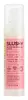
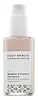
iNNBEAUTY PROJECT Slushy Serum Moisturizer Crush Versus alpyn beauty Vitamin C & Bearberry Instant Glow Serum
This hydrating serum is formulated around Bakuchiol and Sodium Hyaluronate to hydrate skin and refine skin texture.
This brightening serum is formulated around 3-O-Ethyl Ascorbic Acid and Arctostaphylos Uva Ursi Leaf Extract to brighten dull-looking skin and fade the look of dark spots.

What's inside
What's inside
 Key Ingredients
Benefits
Concerns
Ingredients Side-by-side
Water
Skin ConditioningDimethicone
Emollient

Hydrogenated Vegetable Oil
Emollient





Stearic Acid
Cleansing
1,2-Hexanediol
Skin Conditioning
Cetyl Ethylhexanoate
EmollientBakuchiol
Antimicrobial








Sodium Hyaluronate
Humectant

Citrus Junos Seed Oil
Emollient
Curcuma Longa Root Extract
Antioxidant
Boerhavia Diffusa Root Extract
Skin Protecting
Pinus Pinaster Bark Extract
Antioxidant
Limnanthes Alba Seed Oil
Skin Conditioning
Betaine
Humectant
Copernicia Cerifera Wax
Carbomer
Emulsion StabilisingPropanediol
Solvent
Caprylic/Capric Triglyceride
Masking
Glycerin
Humectant
Xanthan Gum
EmulsifyingDextrin
AbsorbentTin Oxide
Abrasive
Tocopherol
Antioxidant
Sorbitol
Humectant
Phosphatidylcholine
EmulsifyingDocosahexaenoic Acid
Skin Conditioning
Eicosapentaenoic Acid
Emollient
Synthetic Fluorphlogopite
Citrus Junos Peel Oil
Astringent
Sodium Phytate
Tetrasodium Glutamate Diacetate
Phytosphingosine
Skin Conditioning
Monascus Extract
Skin ConditioningTocopheryl Acetate
Antioxidant
Tromethamine
BufferingTitanium Dioxide
Cosmetic Colorant

Ethylhexylglycerin
Skin ConditioningWater, Dimethicone, Hydrogenated Vegetable Oil, Stearic Acid, 1,2-Hexanediol, Cetyl Ethylhexanoate, Bakuchiol, Sodium Hyaluronate, Citrus Junos Seed Oil, Curcuma Longa Root Extract, Boerhavia Diffusa Root Extract, Pinus Pinaster Bark Extract, Limnanthes Alba Seed Oil, Betaine, Copernicia Cerifera Wax, Carbomer, Propanediol, Caprylic/Capric Triglyceride, Glycerin, Xanthan Gum, Dextrin, Tin Oxide, Tocopherol, Sorbitol, Phosphatidylcholine, Docosahexaenoic Acid, Eicosapentaenoic Acid, Synthetic Fluorphlogopite, Citrus Junos Peel Oil, Sodium Phytate, Tetrasodium Glutamate Diacetate, Phytosphingosine, Monascus Extract, Tocopheryl Acetate, Tromethamine, Titanium Dioxide, Ethylhexylglycerin
Aloe Barbadensis Leaf Juice
Skin Conditioning
Cetearyl Alcohol
Emollient
Glycerin
Humectant
Squalane
Emollient
Capryloyl Glycerin/Sebacic Acid Copolymer
Skin ConditioningDiheptyl Succinate
EmollientMica
Cosmetic ColorantTitanium Dioxide
Cosmetic Colorant
Bakuchiol
Antimicrobial
Tocopherol
Antioxidant
3-O-Ethyl Ascorbic Acid
Skin Conditioning

Glycolic Acid
Buffering


Sodium Phytate
Sodium Hyaluronate
Humectant
Hydrolyzed Sodium Hyaluronate
Skin Conditioning
Azelaic Acid
Buffering
Zinc Oxide
Cosmetic Colorant
Xanthan Gum
EmulsifyingLinoleic Acid
Cleansing
Cetearyl Glucoside
Emulsifying
Arnica Montana Flower Extract
Masking
Simmondsia Chinensis Seed Wax
Skin Conditioning
Borago Officinalis Extract
Emollient
Calendula Officinalis Flower Extract
Masking
Chamomilla Recutita Flower Extract
Masking
Salvia Officinalis Leaf Extract
CleansingDehydroacetic Acid
Preservative
Benzyl Alcohol
Perfuming


Potassium Sorbate
Preservative
Lactic Acid
Buffering
Tripeptide-29
Skin Conditioning
Hydrolyzed Lupine Protein
Skin ConditioningCentella Asiatica Meristem Cell Culture
Antioxidant
Lavandula Angustifolia Oil
Masking
Citrus Aurantium Dulcis Oil
Masking
Helianthus Annuus Seed Oil
Emollient
Arctostaphylos Uva Ursi Leaf Extract
Skin Conditioning
Water
Skin ConditioningGlycyrrhiza Glabra Root Extract
Bleaching
Ethylhexylglycerin
Skin ConditioningTin Oxide
Abrasive
Caesalpinia Sappan Bark Extract
Skin ConditioningAloe Barbadensis Leaf Juice, Cetearyl Alcohol, Glycerin, Squalane, Capryloyl Glycerin/Sebacic Acid Copolymer, Diheptyl Succinate, Mica, Titanium Dioxide, Bakuchiol, Tocopherol, 3-O-Ethyl Ascorbic Acid, Glycolic Acid, Sodium Phytate, Sodium Hyaluronate, Hydrolyzed Sodium Hyaluronate, Azelaic Acid, Zinc Oxide, Xanthan Gum, Linoleic Acid, Cetearyl Glucoside, Arnica Montana Flower Extract, Simmondsia Chinensis Seed Wax, Borago Officinalis Extract, Calendula Officinalis Flower Extract, Chamomilla Recutita Flower Extract, Salvia Officinalis Leaf Extract, Dehydroacetic Acid, Benzyl Alcohol, Potassium Sorbate, Lactic Acid, Tripeptide-29, Hydrolyzed Lupine Protein, Centella Asiatica Meristem Cell Culture, Lavandula Angustifolia Oil, Citrus Aurantium Dulcis Oil, Helianthus Annuus Seed Oil, Arctostaphylos Uva Ursi Leaf Extract, Water, Glycyrrhiza Glabra Root Extract, Ethylhexylglycerin, Tin Oxide, Caesalpinia Sappan Bark Extract
Reviews
Ingredients Explained
These ingredients are found in both products.
Ingredients higher up in an ingredient list are typically present in a larger amount.
Bakuchiol is a plant-derived antioxidant from the seeds of the Psoralea corylifolia plant. It has antimicrobial, emollient, skin conditioning, and antioxidant properties.
You'll likely see it called a "retinol replacement" but the two are technically not related. This is because bakuchiol is able to flip many of the same switches in your skin cells to tell them to:
1) produce more collagen (type I, III, and IV)
2) activate the same genes retinoids do
Unlike retinoids, this ingredient will not increase photosensitivity and is safe to use during pregnancy (but please still check in with your doctor!).
The flagship clinical trial from Dhaliwal et al. 2019 found 0.5% bakuchiol (twice daily) and 0.5% retinol (once daily) reduced wrinkles and hyperpigmentation equally, but bakuchiol had significantly less irritation.
Systematic reviews also back this up:
Bakuchiol is comparable to retinol for photoaging but with better tolerability. It also has mild antibacterial properties against Cutibacterium acnes and antifungal activity in vitro against Candida and dermatophytes.
The reason bakuchiol works well is due to its structure; it is a meroterpene phenol, or a hybrid molecule. The phenol half acts as an antioxidant while the terpene half is fat-loving. This helps the molecule slip through the skin barrier.
This ingredient is usually used between 0.5-2%. Only one case of contact dermatitis has ever been reported for this ingredient.
Learn more about BakuchiolEthylhexylglycerin is created from glycerin. It is a multitasker ingredient that:
The CIR Expert Panel found minimal skin absorption or sensitization of any kind in a safety assessment. Though this ingredient is considered well-tolerated, a small number of cases of allergic dermatitis have been published since 2002. Just be sure to patch test if you are unsure.
Industry-reported use ranges from 8% in rinse-off products and 2% in leave-on formulations.
Learn more about EthylhexylglycerinGlycerin (or glycerol) is a compound naturally found in your skin. It's a powerhouse humectant that pulls water into the stratum corneum.
Topically, glycerin does several things at once:
Your skin makes glycerin on its own (mostly from sebaceous oil breakdown) and shuttles it to your outermost layer of skin, or your epidermis, via aquaporin-3.
Aquaporin-3 is a transporter that is essential for normal skin hydration, elasticity, and repair. Interestingly, mice lacking in AQP3 have dry and less elastic skin that can be fully corrected with glycerin.
This ingredient is non-irritating, plays well with almost every ingredient, and works across all skin types. Typical use is anywhere between 3-10% but can go up to 79% in some leave-on products.
Just know very high concentrations (>40%) can feel tacky in low humidity.
Glycerin is the name for this ingredient in American English. British English uses Glycerol/Glycerine.
Learn more about GlycerinSodium Hyaluronate is the salt form of hyaluronic acid. It is a long sugar chain that is naturally found in your skin, joints, and connective tissue that maintains hydration and elasticity.
In skincare, it works as a humectant. It pulls water from the environment and deeper layers of skin and binds it to the surface.
Interestingly, the size of the molecule affects its behavior:
Some clinical evidence links low molecular weight versions to improved wrinkle depth, elasticity, anti-inflammatory effects, and barrier repair.
Many serums use a blend of both weights so you can get surface hydration plus longer-lasting and deeper effects.
You'll typically see concentrations between 0.1-2% for this ingredient.
Learn more about Sodium HyaluronateSodium Phytate is the synthetic salt form of phytic acid. Phytic acid is an antioxidant and can be found in plant seeds.
Sodium Phytate is a chelating agent. Chelating agents help prevent metals from binding to water. This helps stabilize the ingredients and the product.
Tin Oxide is an inorganic oxide used to add opacity and volume to a product. In nature, it is already found in mineral form. The main ore of tin is an opaque and shiny mineral called casseterite.
Tin Oxide helps remove translucency in a product, or make it more opaque. Besides adding opacity, tin oxide is used for bulking to add volume.
Titanium Dioxide (TD) is a mineral UV filter widely used in sunscreens and cosmetics.
It's one of only two UV filters officially classified as "mineral" by regulatory agencies (the other being Zinc Oxide).
A really common myth is that mineral filters work by reflecting UV light off your skin like tiny mirrors.
They don't only do that; modern research shows TD protects mostly by absorbing UV radiation, the same way chemical filters do.
When researchers measured this, reflection accounted for only about 4-5% of the protection (and less than SPF 2 on its own). The other ~95% comes from absorption: the UV photons hit the particle and their energy gets soaked up by its semiconductor band gap rather than bouncing off.
So "reflects vs. absorbs" was never really the right way to split mineral from chemical filters.
TD gives broad-spectrum protection that's strongest in the UVB and UVA-2 range and weaker in the UVA-1 range. Its UVA protection isn't quite as strong as Zinc Oxide's which is why you'll often see the two paired together.
Together, they make a solid broad-spectrum system.
TD is a great pick for sensitive, acne-prone, or redness-prone skin because it's non-irritating and chemically inert. Regulatory reviews classify it as a non-sensitizer and mild-to-non-irritant.
It's also unlikely to cause the "eye sting" some chemical filters are known for.
The main trade-off is cosmetic; TD can leave a white cast and has a thicker texture. This is why mineral sunscreens are often less cosmetically elegant than chemical or hybrid formulas (and harder to shade-match on deeper skin tones).
Formulators often use micronized or nano-sized TD to cut down on white case and improve spreadability. Smaller particles scatter less visible light so the formula looks less chalky while still filtering UV.
TD is almost always bundled with coatings like Alumina, Silica, Stearic Acid, or Dimethicone. These coatings do two important jobs:
TD can be used at up to 25% in a finished sunscreen; this is the regulatory ceiling in both the US and the EU.
In practice, the amount in any given product varies a lot depending on the target SPF and whether it's paired with other UV filters.
TD is one of the most heavily vetted sunscreen ingredients out there. It is approved as a UV filter in all major markets worldwide, including the US, EU, UK, Japan, Korea, China, Australia, and Canada.
The safety evidence is solid. There was an old worry that nano particles might absorb through skin into the body but multiple studies (including on damaged, sunburned, and UV-irradiated skin) have shown that TD stays on the surface and the layer of dead skin cells on top of everything else.
There's also no evidence of carcinogenicity, mutagenicity, or reproductive toxicity from dermal exposure of this ingredient.
For those who have seen the headline about a 2022 EU ban on TD, that was on TD as a food additive (a complete separate use from topical sunscreen).
There are ongoing questions about how nano-TD might affect marine ecosystems. As of now, there has been no conclusive evidence that any form of TD (or any other sunscreen filter) harms coral reefs or marine life.
The science is still developing and it's a space worth watching rather than packing over.
However, several destinations have reef-safety sunscreen rules that restrict certain chemical filters and steer visitors toward mineral, non-nano options. If you're traveling somewhere with these rules, a non-nano mineral sunscreen is the safe bet.
Learn more about Titanium DioxideTocopherol is a fat-soluble antioxidant known as Vitamin E.
You'll find this ingredient in the vast majority of skincare (for good reason). It works to neutralize free radicals, or unstable molecules generated by UV exposure, pollution, and other environmental stressors, before they can cause oxidative damage to your skin cells.
Topically applied tocopherol has been shown to protect against UV damage by ramping up the skin's own natural defense enzymes.
It also acts as a skin conditioning agent; some studies show that regular topical use can improve the skin's water-binding capacity over 2-4 weeks.
This ingredient is especially loved for being a team player. When combined with Vitamin C, the photoprotective effect of both ingredients roughly doubles and the combo also helps reduce UV-induced DNA damage.
This ingredient has some brightening potential but it's more of a prevention ingredient than spot-fader. Cell studies show it can slow down melanin production but it's worth noting that it's not the most powerful brightener out there.
In formulations, it also serves as a stabilizer that helps protect other oxidation-prone ingredients from degrading.
Concentrations usually range from 0.1-1% in most leave-on products.
Learn more about TocopherolWater. It's the most common cosmetic ingredient of all. You'll usually see it at the top of ingredient lists, meaning that it makes up the largest part of the product.
So why is it so popular? Water most often acts as a solvent - this means that it helps dissolve other ingredients into the formulation.
You'll also recognize water as that liquid we all need to stay alive. If you see this, drink a glass of water. Remember to stay hydrated!
Learn more about WaterXanthan gum is used as a stabilizer and thickener within cosmetic products. It helps give products a sticky, thick feeling - preventing them from being too runny.
On the technical side of things, xanthan gum is a polysaccharide - a combination consisting of multiple sugar molecules bonded together.
Xanthan gum is a pretty common and great ingredient. It is a natural, non-toxic, non-irritating ingredient that is also commonly used in food products.
Learn more about Xanthan Gum

