House of Dohwa Rice Bran Facial Moisturizer Versus Peach & Lily Transparen C Pro Brightening Moisturizer
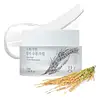
This barrier-repair moisturizer is formulated around Limnanthes Alba Seed Oil and Sodium Hyaluronate to strengthen the skin barrier and hydrate skin.
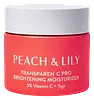
This brightening moisturizer is formulated around Ascorbyl Tetraisopalmitate and Glycyrrhiza Glabra Root Extract to brighten dull-looking skin and fade the look of dark spots.

What's inside
What's inside
 Key Ingredients
Benefits
Concerns
Ingredients Side-by-side
Water
Skin ConditioningButylene Glycol
Humectant

Caprylic/Capric Triglyceride
Masking
Glycerin
Humectant
Limnanthes Alba Seed Oil
Skin Conditioning


Cetearyl Alcohol
Emollient



1,2-Hexanediol
Skin Conditioning
Pentylene Glycol
Skin Conditioning
Vinyl Dimethicone

Polyglyceryl-3 Methylglucose Distearate
Emulsifying
Cetearyl Olivate
Sorbitan Olivate
Emulsifying
Hydroxyethyl Acrylate/Sodium Acryloyldimethyl Taurate Copolymer
Emulsion StabilisingGlucose
Humectant
Chlorella Vulgaris Extract
Skin ConditioningSodium Polyacryloyldimethyl Taurate
Emulsion StabilisingFructose
Humectant
Fructooligosaccharides
Humectant
Hydrogenated Polydecene
EmollientSodium Hyaluronate
Humectant


Ethylhexylglycerin
Skin ConditioningOryza Sativa Extract
Absorbent

Xanthan Gum
EmulsifyingSorbitan Isostearate
Emulsifying
Trisodium Ethylenediamine Disuccinate
ChelatingTrideceth-10
CleansingHydrolyzed Corn Starch
HumectantSucrose
Humectant
Citrus Aurantium Bergamia Fruit Oil
Masking


Oryza Sativa Bran Extract
Skin Conditioning
Phaseolus Radiatus Seed Extract
Skin ConditioningTocopherol
Antioxidant


Phaseolus Radiatus Extract
Skin ConditioningSea Salt
Abrasive
Aspergillus Ferment
Skin ConditioningTriticum Vulgare Sprout Extract
Skin ConditioningOryza Sativa Germ Extract
EmollientSesamum Indicum Sprout Extract
HumectantGlycine Soja Sprout Extract
EmollientPhaseolus Radiatus Sprout Extract
HumectantBetula Platyphylla Japonica Bark Extract
Skin ConditioningRumex Crispus Root Extract
Skin ConditioningWater, Butylene Glycol, Caprylic/Capric Triglyceride, Glycerin, Limnanthes Alba Seed Oil, Cetearyl Alcohol, 1,2-Hexanediol, Pentylene Glycol, Vinyl Dimethicone, Polyglyceryl-3 Methylglucose Distearate, Cetearyl Olivate, Sorbitan Olivate, Hydroxyethyl Acrylate/Sodium Acryloyldimethyl Taurate Copolymer, Glucose, Chlorella Vulgaris Extract, Sodium Polyacryloyldimethyl Taurate, Fructose, Fructooligosaccharides, Hydrogenated Polydecene, Sodium Hyaluronate, Ethylhexylglycerin, Oryza Sativa Extract, Xanthan Gum, Sorbitan Isostearate, Trisodium Ethylenediamine Disuccinate, Trideceth-10, Hydrolyzed Corn Starch, Sucrose, Citrus Aurantium Bergamia Fruit Oil, Oryza Sativa Bran Extract, Phaseolus Radiatus Seed Extract, Tocopherol, Phaseolus Radiatus Extract, Sea Salt, Aspergillus Ferment, Triticum Vulgare Sprout Extract, Oryza Sativa Germ Extract, Sesamum Indicum Sprout Extract, Glycine Soja Sprout Extract, Phaseolus Radiatus Sprout Extract, Betula Platyphylla Japonica Bark Extract, Rumex Crispus Root Extract
Water
Skin ConditioningButylene Glycol
Humectant
Ascorbyl Tetraisopalmitate
Antioxidant
Glycerin
Humectant
Caprylic/Capric Triglyceride
Masking
Hydrogenated Polydecene
EmollientPolyglyceryl-6 Distearate
Emulsifying
1,2-Hexanediol
Skin Conditioning
Dipropylene Glycol
HumectantCetearyl Alcohol
Emollient
Candelilla/Jojoba/Rice Bran Polyglyceryl-3 Esters
Emulsifying
Citrus Junos Fruit Extract
Skin ConditioningBacillus/Spirodela Polyrhiza Extract/Volcanic Ash Extract Ferment Filtrate
Skin ConditioningBacillus/Houttuynia Cordata Leaf Extract/Volcanic Ash Ferment Filtrate
Skin ConditioningSodium Hyaluronate
Humectant
Hydrolyzed Hyaluronic Acid
Humectant
Hyaluronic Acid
Humectant
Hydrolyzed Sodium Hyaluronate
Skin Conditioning
Camellia Sinensis Leaf Extract
Antimicrobial

Polygonum Cuspidatum Root Extract
Antioxidant
Scutellaria Baicalensis Root Extract
Astringent
Zingiber Officinale Root Extract
Masking
Tremella Fuciformis Extract
Humectant
Sodium Hyaluronate Crosspolymer
Humectant
Glycyrrhiza Glabra Root Extract
Bleaching
Arginine
Masking
Centella Asiatica Extract
Cleansing
Lactobacillus/Papaya Fruit Ferment Extract
Abrasive
Chamomilla Recutita Flower Extract
Masking
Ananas Sativus Fruit Extract
Skin ConditioningFerulic Acid
Antimicrobial
Morus Alba Root Extract
BleachingCetearyl Olivate
Tocopherol
Antioxidant
Carbomer
Emulsion StabilisingAllantoin
Skin Conditioning
Sorbitan Olivate
Emulsifying
Xanthan Gum
EmulsifyingPaeonia Albiflora Root Extract
Skin ConditioningRosmarinus Officinalis Leaf Extract
AntimicrobialEthylhexylglycerin
Skin ConditioningCaprylyl Glycol
Emollient
Pentylene Glycol
Skin Conditioning
Sodium Polyacryloyldimethyl Taurate
Emulsion StabilisingSodium Phytate
ChelatingWater, Butylene Glycol, Ascorbyl Tetraisopalmitate, Glycerin, Caprylic/Capric Triglyceride, Hydrogenated Polydecene, Polyglyceryl-6 Distearate, 1,2-Hexanediol, Dipropylene Glycol, Cetearyl Alcohol, Candelilla/Jojoba/Rice Bran Polyglyceryl-3 Esters, Citrus Junos Fruit Extract, Bacillus/Spirodela Polyrhiza Extract/Volcanic Ash Extract Ferment Filtrate, Bacillus/Houttuynia Cordata Leaf Extract/Volcanic Ash Ferment Filtrate, Sodium Hyaluronate, Hydrolyzed Hyaluronic Acid, Hyaluronic Acid, Hydrolyzed Sodium Hyaluronate, Camellia Sinensis Leaf Extract, Polygonum Cuspidatum Root Extract, Scutellaria Baicalensis Root Extract, Zingiber Officinale Root Extract, Tremella Fuciformis Extract, Sodium Hyaluronate Crosspolymer, Glycyrrhiza Glabra Root Extract, Arginine, Centella Asiatica Extract, Lactobacillus/Papaya Fruit Ferment Extract, Chamomilla Recutita Flower Extract, Ananas Sativus Fruit Extract, Ferulic Acid, Morus Alba Root Extract, Cetearyl Olivate, Tocopherol, Carbomer, Allantoin, Sorbitan Olivate, Xanthan Gum, Paeonia Albiflora Root Extract, Rosmarinus Officinalis Leaf Extract, Ethylhexylglycerin, Caprylyl Glycol, Pentylene Glycol, Sodium Polyacryloyldimethyl Taurate, Sodium Phytate
Reviews
Ingredients Explained
These ingredients are found in both products.
Ingredients higher up in an ingredient list are typically present in a larger amount.
1,2-Hexanediol is a synthetic liquid and another multi-functional powerhouse.
It is a:
- Humectant, drawing moisture into the skin
- Emollient, helping to soften skin
- Solvent, dispersing and stabilizing formulas
- Preservative booster, enhancing the antimicrobial activity of other preservatives
Butylene Glycol (or BG) is used within cosmetic products for a few different reasons:
Overall, Butylene Glycol is a safe and well-rounded ingredient that works well with other ingredients.
Though this ingredient works well with most skin types, some people with sensitive skin may experience a reaction such as allergic rashes, closed comedones, or itchiness.
Learn more about Butylene GlycolCaprylic/Capric Triglyceride (aka MCT Oil) is a lightweight emollient, solvent, and texture enhancer. It is considered a skin-softener by helping to prevent moisture loss.
Though it behaves like an oil, it is not technically one due to its chemical composition. One perk of this ingredient is that it is very stable, resistant to oxidation, and unlikely to go rancid.
In practice, that translates to a long shelf life and a consistently elegant skin feel.
While there is an assumption Caprylic Triglyceride can clog pores due to it being derived from coconut oil, there is no research supporting this. Just patch test if you have concerns.
Fractionated coconut oil and MCT Oil are both listed as Caprylic/Capric Triglyceride according to INCI. This is because INCI names are based on the ingredient’s final chemical composition and not its marketing name or source.
This ingredient is treated as the gold standard fungal acne safe oil. Even though it is coconut derived, the problematic lauric acid is stripped out.
This leaves just caprylic (C8) and capric (C10) acid. These chain lengths actually trend antifungal; a 2020 study found caprylic acid was enough to disrupt Malassezia furfur cell membrane, with a caprylic acid derivative damaging membrane structures at concentrations as low as 0.2%.
Learn more about Caprylic/Capric TriglycerideCetearyl alcohol is a waxy mixture of two fatty alcohols: cetyl alcohol and stearyl alcohol. It is an emollient and emulsifier.
Despite having "alcohol" in its name, it has nothing to do with drying solvent alcohols; the FDA also allows "alcohol-free" products to contain fatty alcohols like this ingredient.
It plays several roles in a formula:
Typical use levels for this ingredient sit around 1-10% and the Cosmetic Ingredient Review Expert Panel has affirmed safety at concentrations up to 25% in leave-on products.
Multiple assessments have found it to be non-irritating and non-sensitizing to most people.
However, there have been some cases of allergic contact dermatitis in patients with chronically compromised skin barriers.
Cetearyl alcohol has a comedogenic rating of 2 and irritancy rating of 1. Both of these numbers come from the 1989 study that used rabbit ears; a "2" means mildly comedogenic and a "1" means low irritancy.
Here's the catch: rabbit skin is more sensitive than human skin and throws a lot of false positives. A 1996 reappraisal found that ingredients rated 1-2 in the rabbit ear tests are generally safe for humans.
Remember comedogenic ratings are unable to assess the entire formula of a product or how it will react on your skin. Just be sure to patch test if you are unsure about certain ingredients.
This ingredient is not fungal acne safe. Cetearyl alcohol is a fatty alcohol with chain lengths that fall within the range that Malassezia can metabolize.
A 2019 study has also observed Malassezia growth in the presence of this ingredient, confirming it to be not-fungal acne safe.
Learn more about Cetearyl AlcoholCetearyl Olivate is a plant-derived emulsifier and texture enhancer. It helps keep the oil and water phases from separating so your formulas stay stable.
You'll likely see it combined with Sorbitan Olivate (together sold as the trade name Olivem 1000). This combination generates a liquid crystal structure that closely resemble the lipid organization of the stratum corneum.
These "skin-like" liquid crystals improve skin barrier integrity and promote the delivery of actives into the skin.
This ingredient is well-tolerated and has no significant sensitization data.
Because it is derived from the fatty acids in olive oil, this ingredient may not be fungal acne safe.
Learn more about Cetearyl OlivateEthylhexylglycerin is created from glycerin. It is a multitasker ingredient that:
The CIR Expert Panel found minimal skin absorption or sensitization of any kind in a safety assessment. Though this ingredient is considered well-tolerated, a small number of cases of allergic dermatitis have been published since 2002. Just be sure to patch test if you are unsure.
Industry-reported use ranges from 8% in rinse-off products and 2% in leave-on formulations.
Learn more about EthylhexylglycerinGlycerin (or glycerol) is a compound naturally found in your skin. It's a powerhouse humectant that pulls water into the stratum corneum.
Topically, glycerin does several things at once:
Your skin makes glycerin on its own (mostly from sebaceous oil breakdown) and shuttles it to your outermost layer of skin, or your epidermis, via aquaporin-3.
Aquaporin-3 is a transporter that is essential for normal skin hydration, elasticity, and repair. Interestingly, mice lacking in AQP3 have dry and less elastic skin that can be fully corrected with glycerin.
This ingredient is non-irritating, plays well with almost every ingredient, and works across all skin types. Typical use is anywhere between 3-10% but can go up to 79% in some leave-on products.
Just know very high concentrations (>40%) can feel tacky in low humidity.
Glycerin is the name for this ingredient in American English. British English uses Glycerol/Glycerine.
Learn more about GlycerinHydrogenated Polydecene is a synthetic emollient. It forms a non-occlusive film on the skin's surface to provide a silky feel without being greasy.
In vivo studies in volunteers with atopic and dry skin showed no irritation or intolerance. The volunteers also saw a positive effect in dryness, scaling, and roughness after 28 days of use.
Concentrations up to 100% in guinea pig tests found it to be non-sensitizing and completely safe for use in cosmetics.
Learn more about Hydrogenated PolydecenePentylene Glycol (1,2-pentanediol) is a multitasking little diol with three main roles in a formula:
Research on alkanediols (the family pentylene glycol belongs to) show they work by disrupting microbial cell membranes. This disruption helps the primary preservative system in a product work more effectively at lower doses.
On the safety side, the Cosmetic Ingredient Review Expert Panel has concluded this ingredient to be safe as used in current cosmetic practices + concentrations.
Typical use levels in a formula run about 1-5%.
Learn more about Pentylene GlycolSodium Hyaluronate is the salt form of hyaluronic acid. It is a long sugar chain that is naturally found in your skin, joints, and connective tissue that maintains hydration and elasticity.
In skincare, it works as a humectant. It pulls water from the environment and deeper layers of skin and binds it to the surface.
Interestingly, the size of the molecule affects its behavior:
Some clinical evidence links low molecular weight versions to improved wrinkle depth, elasticity, anti-inflammatory effects, and barrier repair.
Many serums use a blend of both weights so you can get surface hydration plus longer-lasting and deeper effects.
You'll typically see concentrations between 0.1-2% for this ingredient.
Learn more about Sodium HyaluronateThis is a lab-made ingredient that plays a huge role in improving the texture of a formula.
It's used to thicken watery gel-creams, prevent water + oil from separating, and give products a silky, non-greasy glide.
Safety-wise, a panel of independent toxicologists reviewed this ingredient and concluded it to be safe in cosmetics in the present practices of use and concentration.
A separate sensitization patch test on humans also showed no evidence of allergic reactivity, and a true allergy to this ingredient is considered rare.
Typical usage levels range from 0.015%-3% in leave-on products and 0.078%-3.2% in rinse-off products.
Learn more about Sodium Polyacryloyldimethyl TaurateSorbitan Olivate is created from the fatty acids in olive oil and sorbitol.
This ingredient is an oil in water emulsifier. It helps stabilize a product by preventing oils and waters from separating. Sorbitan Olivate also helps hydrate the skin.
This ingredient is also known as part of Olivem 1000, with Cetearyl Olivate being the other part.
According to a manufacturer, this ingredient helps preserve the natural microbiome of skin. Having a healthy microbiome helps keep our skin healthy and protects against harmful bacteria.
Please note, having a healthy microbiome is different from fungal acne; a healthy microbiome includes small amounts of yeast that normally live on your skin without causing problems.
Fungal acne happens when one type of yeast (Malassezia) grows out of control. This is usually because it's feeding on certain oils or fatty acids. Due to the olive oil base, this ingredient may not be fungal acne safe.
Learn more about Sorbitan OlivateTocopherol is a fat-soluble antioxidant known as Vitamin E.
You'll find this ingredient in the vast majority of skincare (for good reason). It works to neutralize free radicals, or unstable molecules generated by UV exposure, pollution, and other environmental stressors, before they can cause oxidative damage to your skin cells.
Topically applied tocopherol has been shown to protect against UV damage by ramping up the skin's own natural defense enzymes.
It also acts as a skin conditioning agent; some studies show that regular topical use can improve the skin's water-binding capacity over 2-4 weeks.
This ingredient is especially loved for being a team player. When combined with Vitamin C, the photoprotective effect of both ingredients roughly doubles and the combo also helps reduce UV-induced DNA damage.
This ingredient has some brightening potential but it's more of a prevention ingredient than spot-fader. Cell studies show it can slow down melanin production but it's worth noting that it's not the most powerful brightener out there.
In formulations, it also serves as a stabilizer that helps protect other oxidation-prone ingredients from degrading.
Concentrations usually range from 0.1-1% in most leave-on products.
Learn more about TocopherolWater. It's the most common cosmetic ingredient of all. You'll usually see it at the top of ingredient lists, meaning that it makes up the largest part of the product.
So why is it so popular? Water most often acts as a solvent - this means that it helps dissolve other ingredients into the formulation.
You'll also recognize water as that liquid we all need to stay alive. If you see this, drink a glass of water. Remember to stay hydrated!
Learn more about WaterXanthan gum is used as a stabilizer and thickener within cosmetic products. It helps give products a sticky, thick feeling - preventing them from being too runny.
On the technical side of things, xanthan gum is a polysaccharide - a combination consisting of multiple sugar molecules bonded together.
Xanthan gum is a pretty common and great ingredient. It is a natural, non-toxic, non-irritating ingredient that is also commonly used in food products.
Learn more about Xanthan Gum

