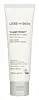
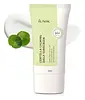
Holika Holika Less On Skin Vegan Shield Mineral Sun Cream SPF 50+ Versus iUNIK Centella Calming Daily Sunscreen SPF50+ PA++++
This hybrid sunscreen covers the full UV range and blocks ~98% of UVB at SPF 50.
This chemical sunscreen covers the full UV range and blocks ~98% of UVB at SPF 50.

What's inside
What's inside
 Key Ingredients
Benefits
Concerns
Ingredients Side-by-side
Water
Skin ConditioningZinc Oxide
Cosmetic Colorant


Caprylyl Methicone
Skin Conditioning
Propylheptyl Caprylate
EmollientButyloctyl Salicylate
Skin Conditioning
Cyclohexasiloxane
Emollient
Polyglyceryl-3 Polydimethylsiloxyethyl Dimethicone
Skin Conditioning
Isododecane
EmollientPropanediol
Solvent

Phenyl Trimethicone
Skin Conditioning
Methyl Methacrylate Crosspolymer
Vp/Eicosene Copolymer
Selaginella Lepidophylla Extract
EmollientSodium Hyaluronate
Humectant


Disteardimonium Hectorite
StabilisingMagnesium Sulfate
Triethoxycaprylylsilane
Polyglyceryl-2 Dipolyhydroxystearate
Skin Conditioning

Lauryl Polyglyceryl-3 Polydimethylsiloxyethyl Dimethicone
Skin Conditioning
1,2-Hexanediol
Skin Conditioning
Glyceryl Caprylate
EmollientCaprylyl Glycol
Emollient
Ethylhexylglycerin
Skin ConditioningTocopherol
Antioxidant



Squalane
Emollient
Allantoin
Skin Conditioning

Glyceryl Glucoside
Humectant
Butylene Glycol
Humectant
Madecassoside
Antioxidant
Glycerin
Humectant
Water, Zinc Oxide, Caprylyl Methicone, Propylheptyl Caprylate, Butyloctyl Salicylate, Cyclohexasiloxane, Polyglyceryl-3 Polydimethylsiloxyethyl Dimethicone, Isododecane, Propanediol, Phenyl Trimethicone, Methyl Methacrylate Crosspolymer, Vp/Eicosene Copolymer, Selaginella Lepidophylla Extract, Sodium Hyaluronate, Disteardimonium Hectorite, Magnesium Sulfate, Triethoxycaprylylsilane, Polyglyceryl-2 Dipolyhydroxystearate, Lauryl Polyglyceryl-3 Polydimethylsiloxyethyl Dimethicone, 1,2-Hexanediol, Glyceryl Caprylate, Caprylyl Glycol, Ethylhexylglycerin, Tocopherol, Squalane, Allantoin, Glyceryl Glucoside, Butylene Glycol, Madecassoside, Glycerin
Centella Asiatica Extract 49%
Cleansing
Water
Skin ConditioningDibutyl Adipate
EmollientDiethylamino Hydroxybenzoyl Hexyl Benzoate
UV Filter
Ethylhexyl Triazone
UV Absorber
Glycerin
Humectant
Niacinamide
Smoothing


Polymethyl Methacrylate
Methylene Bis-Benzotriazolyl Tetramethylbutylphenol
UV Filter
Polysilicone-15
UV Filter
1,2-Hexanediol
Skin Conditioning
Beta-Glucan
Skin Conditioning
Allantoin
Skin Conditioning
Butylene Glycol
Humectant
Pentylene Glycol
Skin Conditioning
Arachidyl Alcohol
Emollient
Sodium Stearoyl Glutamate
CleansingPolyglyceryl-3 Methylglucose Distearate
Emulsifying
Sorbitan Sesquioleate
Emulsifying
Behenyl Alcohol
Emollient
Decyl Glucoside
Cleansing
Caprylyl Glycol
Emollient
Arachidyl Glucoside
EmulsifyingHydroxyacetophenone
Antioxidant
Acrylates/C10-30 Alkyl Acrylate Crosspolymer
Emulsion StabilisingCarbomer
Emulsion StabilisingPolyacrylate Crosspolymer-6
Emulsion StabilisingAdenosine
Skin Conditioning
Dipotassium Glycyrrhizate
Humectant
Glucose
Humectant
T-Butyl Alcohol
Perfuming




Xanthan Gum
EmulsifyingTromethamine
BufferingDisodium EDTA
ChelatingCentella Asiatica Extract 49%, Water, Dibutyl Adipate, Diethylamino Hydroxybenzoyl Hexyl Benzoate, Ethylhexyl Triazone, Glycerin, Niacinamide, Polymethyl Methacrylate, Methylene Bis-Benzotriazolyl Tetramethylbutylphenol, Polysilicone-15, 1,2-Hexanediol, Beta-Glucan, Allantoin, Butylene Glycol, Pentylene Glycol, Arachidyl Alcohol, Sodium Stearoyl Glutamate, Polyglyceryl-3 Methylglucose Distearate, Sorbitan Sesquioleate, Behenyl Alcohol, Decyl Glucoside, Caprylyl Glycol, Arachidyl Glucoside, Hydroxyacetophenone, Acrylates/C10-30 Alkyl Acrylate Crosspolymer, Carbomer, Polyacrylate Crosspolymer-6, Adenosine, Dipotassium Glycyrrhizate, Glucose, T-Butyl Alcohol, Xanthan Gum, Tromethamine, Disodium EDTA
Reviews
Ingredients Explained
These ingredients are found in both products.
Ingredients higher up in an ingredient list are typically present in a larger amount.
1,2-Hexanediol is a synthetic liquid and another multi-functional powerhouse.
It is a:
- Humectant, drawing moisture into the skin
- Emollient, helping to soften skin
- Solvent, dispersing and stabilizing formulas
- Preservative booster, enhancing the antimicrobial activity of other preservatives
Allantoin is a soothing ingredient known for its protective and moisturizing properties; it's basically a quiet workhorse ingredient you can find in a huge range of cosmetics.
Though it can be derived from the comfrey plant, allantoin is produced synthetically for cosmetic products to ensure purity.
Research shows it can encourage your skin cells to turn over and renew by stimulating keratinocyte and fibroblast proliferation.
It also has mild keratolytic properties to help loosen and shed dead skin cells without being harsh.
Studies also suggest allantoin can help calm inflammation by dialing down some of the chemical signals your skin sends out when it is irritated.
This ingredient is typically used in the 0.1-0.5% range, and the FDA recognizes it as a skin protectant in OTC products up to 2%.
Overall, allantoin is a wonderful addition to most routines; it is stable across a wide pH range (~4-8), works well with other ingredients, and is considered non-sensitizing/non-irritating.
Fun fact: Allantoin is naturally occurring in comfrey root, beets, chamomile, and wheat sprouts. Our bodies even produce it as a byproduct of uric acid metabolism.
Learn more about AllantoinButylene Glycol (or BG) is used within cosmetic products for a few different reasons:
Overall, Butylene Glycol is a safe and well-rounded ingredient that works well with other ingredients.
Though this ingredient works well with most skin types, some people with sensitive skin may experience a reaction such as allergic rashes, closed comedones, or itchiness.
Learn more about Butylene GlycolCaprylyl Glycol is a humectant, skin conditioner, emollient, and preservative booster derived from either caprylic acid or synthetically created.
Typical use levels vary from 0.3-1% as a preservative booster and go up to 2% to condition skin.
Because it is not a free-fatty acid, this ingredient is fungal acne safe (there's nothing for Malassezia to feed on).
Learn more about Caprylyl GlycolGlycerin (or glycerol) is a compound naturally found in your skin. It's a powerhouse humectant that pulls water into the stratum corneum.
Topically, glycerin does several things at once:
Your skin makes glycerin on its own (mostly from sebaceous oil breakdown) and shuttles it to your outermost layer of skin, or your epidermis, via aquaporin-3.
Aquaporin-3 is a transporter that is essential for normal skin hydration, elasticity, and repair. Interestingly, mice lacking in AQP3 have dry and less elastic skin that can be fully corrected with glycerin.
This ingredient is non-irritating, plays well with almost every ingredient, and works across all skin types. Typical use is anywhere between 3-10% but can go up to 79% in some leave-on products.
Just know very high concentrations (>40%) can feel tacky in low humidity.
Glycerin is the name for this ingredient in American English. British English uses Glycerol/Glycerine.
Learn more about GlycerinWater. It's the most common cosmetic ingredient of all. You'll usually see it at the top of ingredient lists, meaning that it makes up the largest part of the product.
So why is it so popular? Water most often acts as a solvent - this means that it helps dissolve other ingredients into the formulation.
You'll also recognize water as that liquid we all need to stay alive. If you see this, drink a glass of water. Remember to stay hydrated!
Learn more about Water

