

What's inside
What's inside
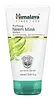 Key Ingredients
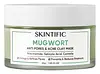
Benefits
Concerns
Ingredients Side-by-side
Water
Skin ConditioningKaolin
Abrasive



Melia Azadirachta Leaf Extract
Skin ConditioningPropylene Glycol
Humectant


Bentonite
Absorbent
Fuller's Earth
Abrasive
Curcuma Longa Root Extract
Masking
Parfum
Masking
Sodium Methylparaben
Preservative

Imidazolidinyl Urea
Preservative
DMDM Hydantoin
Preservative
Xanthan Gum
EmulsifyingDisodium EDTA
Sodium Propylparaben
Preservative
Citric Acid
Buffering

Sodium Lauryl Sulfate
Cleansing

Water
Skin ConditioningMontmorillonite
AbsorbentGlycerin
Humectant

Artemisia Vulgaris Extract
Skin Conditioning
Cetearyl Alcohol
Emollient




Oryza Sativa Bran Oil
Emollient
Methylpropanediol
SolventEthylhexyl Palmitate
Emollient
CI 77891
Cosmetic ColorantMagnesium Aluminometasilicate
AbsorbentGlyceryl Stearate
Emollient
Volcanic Soil
Skin Conditioning
PEG-100 Stearate
Surfactant
1,2-Hexanediol
Skin Conditioning
Hydroxyacetophenone
Antioxidant
Xanthan Gum
EmulsifyingCetearyl Glucoside
Emulsifying
Allantoin
Skin Conditioning
Chlorphenesin
Antimicrobial
Niacinamide
Smoothing



Centella Asiatica Extract
Cleansing
Ceramide As
Skin Conditioning
Ceramide EOP
Skin Conditioning
Ceramide AP
Skin Conditioning
Sodium Hyaluronate
Humectant
Alchemilla Vulgaris Extract
AstringentBisabolol
Antioxidant
Silica
Abrasive
Ethylhexylglycerin
Skin ConditioningDisodium EDTA
Pentylene Glycol
Skin Conditioning
Sophora Flavescens Root Extract
Antioxidant
Trehalose
Humectant
Opuntia Ficus-Indica Stem Extract
Skin Conditioning
Ophiopogon Japonicus Root Extract
Skin ConditioningHydrogenated Lecithin
Emulsifying
Butylene Glycol
Humectant
Glucose
Humectant
Lactobacillus Ferment
Skin Conditioning
Parfum
Masking
Ceramide NP
Skin Conditioning
Zingiber Officinale Root Extract
Masking
Propylene Glycol
Humectant
Salicylic Acid
Masking
Gentiana Scabra Extract
HumectantAmylopectin
Dextrin
AbsorbentFomes Officinalis Extract
Skin ProtectingPyrus Malus Bark Extract
AstringentCeramide Ns
Skin Conditioning
Ceramide Ng
Skin Conditioning
Propylparaben
Preservative
Glycyrrhiza Inflata Root Extract
Skin Conditioning
Royal Jelly Extract
Skin Conditioning
CI 77492
Cosmetic ColorantWater, Montmorillonite, Glycerin, Artemisia Vulgaris Extract, Cetearyl Alcohol, Oryza Sativa Bran Oil, Methylpropanediol, Ethylhexyl Palmitate, CI 77891, Magnesium Aluminometasilicate, Glyceryl Stearate, Volcanic Soil, PEG-100 Stearate, 1,2-Hexanediol, Hydroxyacetophenone, Xanthan Gum, Cetearyl Glucoside, Allantoin, Chlorphenesin, Niacinamide, Centella Asiatica Extract, Ceramide As, Ceramide EOP, Ceramide AP, Sodium Hyaluronate, Alchemilla Vulgaris Extract, Bisabolol, Silica, Ethylhexylglycerin, Disodium EDTA, Pentylene Glycol, Sophora Flavescens Root Extract, Trehalose, Opuntia Ficus-Indica Stem Extract, Ophiopogon Japonicus Root Extract, Hydrogenated Lecithin, Butylene Glycol, Glucose, Lactobacillus Ferment, Parfum, Ceramide NP, Zingiber Officinale Root Extract, Propylene Glycol, Salicylic Acid, Gentiana Scabra Extract, Amylopectin, Dextrin, Fomes Officinalis Extract, Pyrus Malus Bark Extract, Ceramide Ns, Ceramide Ng, Propylparaben, Glycyrrhiza Inflata Root Extract, Royal Jelly Extract, CI 77492
Reviews
Ingredients Explained
These ingredients are found in both products.
Ingredients higher up in an ingredient list are typically present in a larger amount.
Disodium EDTA is a chelating agent. It grabs onto and deactivates metal ions that sneak into your products from water, packaging, or air.
This ingredient mainly works behind the scenes and helps with:
On top of that, this ingredient can counteract the effects of hard water by binding to the minerals in it.
One thing worth knowing is that Disodium EDTA has been shown to be a mild penetration enhancer. It can help other ingredients absorb into skin more effectively which can be a double-edged sword (great for actives, but can also make the active too strong if you have sensitive skin).
Clinical patch testing showed no significant skin irritation at typical use concentrations and minimal dermal absorption.
You'll most likely see this ingredient near the end of an ingredient list. It's typically found in concentrations less than 1%.
Learn more about Disodium EDTAParfum is a catch-all term for an ingredient or more that is used to give a scent to products.
Also called "fragrance", this ingredient can be a blend of hundreds of chemicals or plant oils. This means every product with "fragrance" or "parfum" in the ingredients list is a different mixture.
For instance, Habanolide is a proprietary trade name for a specific aroma chemical. When used as a fragrance ingredient in cosmetics, most aroma chemicals fall under the broad labeling category of “FRAGRANCE” or “PARFUM” according to EU and US regulations.
The term 'parfum' or 'fragrance' is not regulated in many countries. In many cases, it is up to the brand to define this term.
For instance, many brands choose to label themselves as "fragrance-free" because they are not using synthetic fragrances. However, their products may still contain ingredients such as essential oils that are considered a fragrance by INCI standards.
One example is Calendula flower extract. Calendula is an essential oil that still imparts a scent or 'fragrance'.
Depending on the blend, the ingredients in the mixture can cause allergies and sensitivities on the skin. Some ingredients that are known EU allergens include linalool and citronellol.
Parfum can also be used to mask or cover an unpleasant scent.
The bottom line is: not all fragrances/parfum/ingredients are created equally. If you are worried about fragrances, we recommend taking a closer look at an ingredient. And of course, we always recommend speaking with a professional.
Learn more about ParfumPropylene Glycol is a synthetic, colorless, odorless liquid that has been a staple in cosmetics for decades. It is a skin conditioning agent, humectant, and solvent.
As a humectant, it draw water to the skin to reduce flaking and restore suppleness. It's also a solvent that helps dissolve other actives and keeps formulas stable across temperature changes.
The CIR Expert Panel has confirmed this ingredient to be nontoxic and clinical studies show no sensitization at cosmetic use concentrations.
True allergic reactions are quite rare: a 15-year retrospective study of 6,751 patients found only 0.31% had a positive reaction (and less than half were considered clinically relevant).
It seemed that when sensitization does occur, it's most commonly linked to topical medication (like corticosteroids) and not cosmetics. Allergic contact dermatitis also appears largely limited to individuals with underlying skin conditions.
Overall, propylene glycol is a well-studied ingredient that most people can tolerate without issue.
Learn more about Propylene GlycolWater. It's the most common cosmetic ingredient of all. You'll usually see it at the top of ingredient lists, meaning that it makes up the largest part of the product.
So why is it so popular? Water most often acts as a solvent - this means that it helps dissolve other ingredients into the formulation.
You'll also recognize water as that liquid we all need to stay alive. If you see this, drink a glass of water. Remember to stay hydrated!
Learn more about WaterXanthan gum is used as a stabilizer and thickener within cosmetic products. It helps give products a sticky, thick feeling - preventing them from being too runny.
On the technical side of things, xanthan gum is a polysaccharide - a combination consisting of multiple sugar molecules bonded together.
Xanthan gum is a pretty common and great ingredient. It is a natural, non-toxic, non-irritating ingredient that is also commonly used in food products.
Learn more about Xanthan Gum
