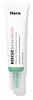
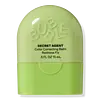
Hero Cosmetics Rescue Balm Color Correcting Green Cream Versus Bubble Secret Agent Color Correcting Balm Redness Fix

What's inside
What's inside
 Key Ingredients
Benefits
Concerns
Ingredients Side-by-side
Water
Skin ConditioningDipropylene Glycol
HumectantIsononyl Isononanoate
EmollientButylene Glycol
Humectant

Octyldodecanol
Emollient
Diethylhexyl Carbonate
EmollientButyloctyl Salicylate
Skin Conditioning
Butyrospermum Parkii Butter
Skin Conditioning


Polyglyceryl-3 Polyricinoleate
Emulsifying
Silica
Abrasive


Panthenol
Skin Conditioning


Sodium Chloride
MaskingDisteardimonium Hectorite
StabilisingMica
Cosmetic ColorantHydrogenated Poly(C6-14 Olefin)
EmollientHydrogenated Polydecene
EmollientHydrogenated Polyisobutene
EmollientPolyglyceryl-4 Diisostearate/Polyhydroxystearate/Sebacate
Emulsifying
Beta-Glucan
Skin Conditioning
Tocopheryl Acetate
Antioxidant


Spirulina Platensis Powder
Skin ProtectingTheobroma Cacao Fruit Powder
Skin ConditioningRh-Polypeptide-1
Skin Conditioning
Sh-Oligopeptide-1
Skin Conditioning
Sh-Oligopeptide-2
Skin Conditioning
Rh-Polypeptide-62
Skin Conditioning
Rh-Polypeptide-3
Skin Conditioning
Allantoin
Skin Conditioning
Glycerin
Humectant
Synthetic Beeswax
Emulsion Stabilising
Polyglyceryl-2 Triisostearate
Emulsifying
Propylene Carbonate
SolventSorbitan Isostearate
Emulsifying
Acrylates/Ammonium Methacrylate Copolymer
Xanthan Gum
EmulsifyingCaprylyl Glycol
Emollient
Triethoxycaprylylsilane

Diglycerin
Humectant
Aluminum Hydroxide
EmollientBoron Nitride
Absorbent
1,2-Hexanediol
Skin Conditioning
Sodium Benzoate
Masking
Potassium Sorbate
Preservative
Ethylhexylglycerin
Skin ConditioningCI 77891
Cosmetic ColorantCI 77491
Cosmetic ColorantCI 77492
Cosmetic ColorantCI 77499
Cosmetic ColorantCI 77288
Cosmetic ColorantWater, Dipropylene Glycol, Isononyl Isononanoate, Butylene Glycol, Octyldodecanol, Diethylhexyl Carbonate, Butyloctyl Salicylate, Butyrospermum Parkii Butter, Polyglyceryl-3 Polyricinoleate, Silica, Panthenol, Sodium Chloride, Disteardimonium Hectorite, Mica, Hydrogenated Poly(C6-14 Olefin), Hydrogenated Polydecene, Hydrogenated Polyisobutene, Polyglyceryl-4 Diisostearate/Polyhydroxystearate/Sebacate, Beta-Glucan, Tocopheryl Acetate, Spirulina Platensis Powder, Theobroma Cacao Fruit Powder, Rh-Polypeptide-1, Sh-Oligopeptide-1, Sh-Oligopeptide-2, Rh-Polypeptide-62, Rh-Polypeptide-3, Allantoin, Glycerin, Synthetic Beeswax, Polyglyceryl-2 Triisostearate, Propylene Carbonate, Sorbitan Isostearate, Acrylates/Ammonium Methacrylate Copolymer, Xanthan Gum, Caprylyl Glycol, Triethoxycaprylylsilane, Diglycerin, Aluminum Hydroxide, Boron Nitride, 1,2-Hexanediol, Sodium Benzoate, Potassium Sorbate, Ethylhexylglycerin, CI 77891, CI 77491, CI 77492, CI 77499, CI 77288
Water
Skin ConditioningIsononyl Isononanoate
EmollientC13-15 Alkane
SolventPropanediol
Solvent
Dicaprylyl Carbonate
EmollientC12-15 Alkyl Benzoate
AntimicrobialPolyglyceryl-3 Polyricinoleate
Emulsifying
Butyloctyl Salicylate
Skin Conditioning
Polyglyceryl-4 Diisostearate/Polyhydroxystearate/Sebacate
Emulsifying
Hdi/Trimethylol Hexyllactone Crosspolymer
Silica
Abrasive
Squalane
Emollient
Disteardimonium Hectorite
StabilisingIsononanoic Acid
Hydrogenated Lecithin
Emulsifying
Ricinus Communis Seed Oil
Masking

Niacinamide
Smoothing



Allantoin
Skin Conditioning
Isopropyl Titanium Triisostearate
Emollient
Avena Sativa Kernel Extract
Abrasive
Glycerin
Humectant
Potassium Sorbate
Preservative
Octadecenedioic Acid
Emulsifying
Helianthus Annuus Seed Extract
Skin Conditioning
Tocopherol
Antioxidant
Cellulose Acetate
Acrylates/Ammonium Methacrylate Copolymer
Propylene Glycol Stearate
Skin Conditioning
Magnesium Stearate
Cosmetic ColorantSodium Chloride
MaskingSodium Benzoate
Masking
Sodium Hydroxide
BufferingTetrasodium Glutamate Diacetate
Sodium Glycolate
BufferingSodium Formate
Buffering
Alpha-Arbutin
Antioxidant
Terminalia Ferdinandiana Fruit Extract
Antioxidant
Bakuchiol
Antimicrobial
CI 77891
Cosmetic ColorantCI 77492
Cosmetic ColorantCI 77491
Cosmetic ColorantCI 77499
Cosmetic ColorantChromium
Water, Isononyl Isononanoate, C13-15 Alkane, Propanediol, Dicaprylyl Carbonate, C12-15 Alkyl Benzoate, Polyglyceryl-3 Polyricinoleate, Butyloctyl Salicylate, Polyglyceryl-4 Diisostearate/Polyhydroxystearate/Sebacate, Hdi/Trimethylol Hexyllactone Crosspolymer, Silica, Squalane, Disteardimonium Hectorite, Isononanoic Acid, Hydrogenated Lecithin, Ricinus Communis Seed Oil, Niacinamide, Allantoin, Isopropyl Titanium Triisostearate, Avena Sativa Kernel Extract, Glycerin, Potassium Sorbate, Octadecenedioic Acid, Helianthus Annuus Seed Extract, Tocopherol, Cellulose Acetate, Acrylates/Ammonium Methacrylate Copolymer, Propylene Glycol Stearate, Magnesium Stearate, Sodium Chloride, Sodium Benzoate, Sodium Hydroxide, Tetrasodium Glutamate Diacetate, Sodium Glycolate, Sodium Formate, Alpha-Arbutin, Terminalia Ferdinandiana Fruit Extract, Bakuchiol, CI 77891, CI 77492, CI 77491, CI 77499, Chromium
Reviews
Ingredients Explained
These ingredients are found in both products.
Ingredients higher up in an ingredient list are typically present in a larger amount.
We don't have a description for Acrylates/Ammonium Methacrylate Copolymer yet.
Allantoin is a soothing ingredient known for its protective and moisturizing properties; it's basically a quiet workhorse ingredient you can find in a huge range of cosmetics.
Though it can be derived from the comfrey plant, allantoin is produced synthetically for cosmetic products to ensure purity.
Research shows it can encourage your skin cells to turn over and renew by stimulating keratinocyte and fibroblast proliferation.
It also has mild keratolytic properties to help loosen and shed dead skin cells without being harsh.
Studies also suggest allantoin can help calm inflammation by dialing down some of the chemical signals your skin sends out when it is irritated.
This ingredient is typically used in the 0.1-0.5% range, and the FDA recognizes it as a skin protectant in OTC products up to 2%.
Overall, allantoin is a wonderful addition to most routines; it is stable across a wide pH range (~4-8), works well with other ingredients, and is considered non-sensitizing/non-irritating.
Fun fact: Allantoin is naturally occurring in comfrey root, beets, chamomile, and wheat sprouts. Our bodies even produce it as a byproduct of uric acid metabolism.
Learn more about AllantoinButyloctyl Salicylate is a chemical UV filter structurally similar to octisalate. It is a photostabilizer, SPF booster, emollient and solvent. This ingredient helps evenly spread out ingredients.
According to a manufacturer, it is suitable for pairing with micro Titanium Dioxide, Zinc Oxide, and pigments.
Photostabilizers help stabilize UV-filters and prevents them from degrading quickly.
Learn more about Butyloctyl SalicylateCi 77491 is also hydrated iron III oxide. It's sole purpose is to give a red/pink hue to products.
Iron III oxides are classified as inorganic chemicals for coloring.
Synthetically created Ci 77491 is considered safer than those naturally found. This is because the synthetically created version may contain less impurities. Iron oxides are generally non-toxic and non-allergenic.
Learn more about CI 77491CI 77492 is also hydrated iron III oxide. It's sole purpose is to give a yellow hue to products.
Iron III oxides are classified as inorganic chemicals for coloring.
Synthetically created CI 77492 is considered safer than those naturally found. This is because the synthetically created version may contain less impurities. Iron oxides are generally non-toxic and non-allergenic.
Learn more about CI 77492Ci 77499 is also hydrated iron III oxide. It is created from mixing red and black iron oxides. This helps give shades of darkness to a product.
Iron III oxides are classified as inorganic chemicals for coloring.
Ci 77891 is a white pigment from Titanium dioxide. It is naturally found in minerals such as rutile and ilmenite.
It's main function is to add a white color to cosmetics. It can also be mixed with other colors to create different shades.
Ci 77891 is commonly found in sunscreens due to its ability to block UV rays.
Learn more about CI 77891Disteardimonium Hectorite comes from the clay mineral named hectorite. It is used to add thickness to a product.
It can also help stabilize a product by helping to disperse other ingredients.
Hectorite is a rare, white clay mineral.
Learn more about Disteardimonium HectoriteGlycerin (or glycerol) is a compound naturally found in your skin. It's a powerhouse humectant that pulls water into the stratum corneum.
Topically, glycerin does several things at once:
Your skin makes glycerin on its own (mostly from sebaceous oil breakdown) and shuttles it to your outermost layer of skin, or your epidermis, via aquaporin-3.
Aquaporin-3 is a transporter that is essential for normal skin hydration, elasticity, and repair. Interestingly, mice lacking in AQP3 have dry and less elastic skin that can be fully corrected with glycerin.
This ingredient is non-irritating, plays well with almost every ingredient, and works across all skin types. Typical use is anywhere between 3-10% but can go up to 79% in some leave-on products.
Just know very high concentrations (>40%) can feel tacky in low humidity.
Glycerin is the name for this ingredient in American English. British English uses Glycerol/Glycerine.
Learn more about GlycerinIsononyl Isononanoate is a synthetic skin-conditioner and texture enhancer. It is created from nonanoic acid, a fatty acid found in cocoa and lavender oil.
As an emollient, Isononyl Isononanoate helps keep your skin soft and smooth. This is because emollients create a barrier on the skin to trap moisture in.
Isononyl Isononanoate helps give products a velvet feel and improves spreadability.
Learn more about Isononyl IsononanoatePolyglyceryl-3 Polyricinoleate is a plant-derived emulsifier made by combining glycerin and ricinoleic acid.
It works well for giving buttery lip balms and low-viscosity water-in-oil emulsions a non-greasy and pleasant skin feel.
Typical concentrations range from 0.1-3%.
This ingredient is mild and non-irritating in nature.
Because it is derived from ricinoleic acid, this ingredient may not be fungal acne safe. Ricinoleic acid is an unsaturated fatty acid that the Malassezia yeast can metabolize.
Learn more about Polyglyceryl-3 PolyricinoleateThis ingredient is a water-in-oil emulsifier and is sometimes known by its trade name, Isolan GPS. It helps create stable emulsions by bridging oil and water phases without adding a greasy feel.
Common usage levels sit between 2-5% for this ingredient.
Potassium Sorbate is a preservative used to prevent yeast and mold in products. It is commonly found in both cosmetic and food products.
This ingredient comes from potassium salt derived from sorbic acid. Sorbic acid is a natural antibiotic and effective against fungus.
Both potassium sorbate and sorbic acid can be found in baked goods, cheeses, dried meats, dried fruit, ice cream, pickles, wine, yogurt, and more.
You'll often find this ingredient used with other preservatives.
Learn more about Potassium SorbateSilica, also known as silicon dioxide, is a naturally occurring mineral. It is used as a fine, spherical, and porous powder in cosmetics.
Though it has exfoliant properties, the function of silica varies depending on the product.
The unique structure of silica enhances the spreadability and adds smoothness, making it a great texture enhancer.
It is also used as an active carrier, emulsifier, and mattifier due to its ability to absorb excess oil.
In some products, tiny microneedles called spicules are made from silica or hydrolyzed sponge. When you rub them in, they lightly polish away dead skin layers and enhance the penetration of active ingredients.
Learn more about SilicaSodium Benzoate is a preservative. It's used in both cosmetic and food products to inhibit the growth of mold and bacteria. It is typically produced synthetically.
Both the US FDA and EU Health Committee have approved the use of sodium benzoate. In the US, levels of 0.1% (of the total product) are allowed.
Sodium benzoate works as a preservative by inhibiting the growth of bacteria inside of cells. It prevents the cell from fermenting a type of sugar using an enzyme called phosphofructokinase.
It is the salt of benzoic acid. Foods containing sodium benzoate include soda, salad dressings, condiments, fruit juices, wines, and snack foods.
Studies for using ascorbic acid and sodium benzoate in cosmetics are lacking, especially in skincare routines with multiple steps.
We always recommend speaking with a professional, such as a dermatologist, if you have any concerns.
Learn more about Sodium BenzoateChances are, you eat sodium chloride every day. Sodium Chloride is also known as table salt. This ingredient has many purposes in skincare: thickener, emulsifier, and exfoliator.
You'll most likely find this ingredient in cleansers where it is used to create a gel-like texture. As an emulsifier, it also prevents ingredients from separating.
You might see people debate whether Sodium Chloride is comedogenic, but there actually haven't been any comedogenic tests done on it. Either way, the overall formulation of a product matters a lot more than any single ingredient.
You might see this ingredient used in scrubs as a primary exfoliating ingredient.
Learn more about Sodium ChlorideWater. It's the most common cosmetic ingredient of all. You'll usually see it at the top of ingredient lists, meaning that it makes up the largest part of the product.
So why is it so popular? Water most often acts as a solvent - this means that it helps dissolve other ingredients into the formulation.
You'll also recognize water as that liquid we all need to stay alive. If you see this, drink a glass of water. Remember to stay hydrated!
Learn more about Water

