
What's inside
What's inside
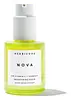 Key Ingredients
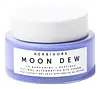
Benefits
Concerns
Ingredients Side-by-side
Water
Skin ConditioningTetrahexyldecyl Ascorbate
Antioxidant






Glycerin
Humectant

C9-12 Alkane
SolventSodium Stearoyl Glutamate
CleansingPropanediol
Solvent
Cetearyl Olivate

Sorbitan Olivate
Emulsifying
Arctostaphylos Uva-Ursi Leaf Extract
Skin ConditioningCurcuma Longa Root Extract
Masking
Terminalia Chebula Fruit Extract
Skin ConditioningTerminalia Ferdinandiana Fruit Extract
Antioxidant
Hyaluronic Acid
Humectant

Polyglyceryl-6 Stearate
Emollient
Sclerotium Gum
Emulsion StabilisingPolyglyceryl-6 Polyricinoleate
Emulsifying
Sodium Levulinate
Skin ConditioningSodium Anisate
AntimicrobialMelia Azadirachta Flower Extract
Skin ConditioningCoco-Caprylate/Caprate
Emollient
Butylene Glycol
Humectant
Melia Azadirachta Leaf Extract
Skin ConditioningOcimum Sanctum Leaf Extract
Skin ConditioningSodium Phytate
Averrhoa Carambola Fruit Extract
Skin ConditioningPolyglyceryl-6 Behenate
Emulsion Stabilising
Ocimum Basilicum Flower/Leaf Extract
TonicTocopheryl Acetate
Antioxidant
Echinacea Purpurea Extract
MoisturisingAnanas Sativus Fruit Juice
Skin ConditioningCorallina Officinalis Extract
Skin Conditioning
Leuconostoc/Radish Root Ferment Filtrate
Antimicrobial
Citric Acid
Buffering

Water, Tetrahexyldecyl Ascorbate, Glycerin, C9-12 Alkane, Sodium Stearoyl Glutamate, Propanediol, Cetearyl Olivate, Sorbitan Olivate, Arctostaphylos Uva-Ursi Leaf Extract, Curcuma Longa Root Extract, Terminalia Chebula Fruit Extract, Terminalia Ferdinandiana Fruit Extract, Hyaluronic Acid, Polyglyceryl-6 Stearate, Sclerotium Gum, Polyglyceryl-6 Polyricinoleate, Sodium Levulinate, Sodium Anisate, Melia Azadirachta Flower Extract, Coco-Caprylate/Caprate, Butylene Glycol, Melia Azadirachta Leaf Extract, Ocimum Sanctum Leaf Extract, Sodium Phytate, Averrhoa Carambola Fruit Extract, Polyglyceryl-6 Behenate, Ocimum Basilicum Flower/Leaf Extract, Tocopheryl Acetate, Echinacea Purpurea Extract, Ananas Sativus Fruit Juice, Corallina Officinalis Extract, Leuconostoc/Radish Root Ferment Filtrate, Citric Acid
Water
Skin ConditioningCaprylic/Capric Triglyceride
Masking
Octyldodecanol
Emollient
Glycerin
Humectant
Cetearyl Alcohol
Emollient

Squalane
Emollient
Butyrospermum Parkii Butter
Skin Conditioning
Glyceryl Stearate
Emollient
Vaccinium Myrtillus Seed Oil
Skin Conditioning
Cetearyl Olivate
Melia Azadirachta Flower Extract
Skin ConditioningGlyceryl Caprylate
EmollientSorbitan Olivate
Emulsifying
Bakuchiol
Antimicrobial



Pullulan
Aloe Barbadensis Flower Extract
EmollientChenopodium Quinoa Seed Extract
Skin ConditioningCoccinia Indica Fruit Extract
Skin ConditioningCorallina Officinalis Extract
Skin Conditioning
Melia Azadirachta Leaf Extract
Skin ConditioningRosa Damascena Extract
MaskingTremella Fuciformis Sporocarp Extract
Antioxidant
Vaccinium Angustifolium Fruit Extract
Skin Protecting
Vanilla Planifolia Fruit Extract
Skin Conditioning
Citrus Aurantium Amara Leaf/Twig Extract
Skin ConditioningCitrus Aurantium Dulcis Peel Extract
Emulsion Stabilising
Musa Sapientum Fruit Extract
Skin ConditioningPyrus Malus Fruit Extract
Skin Conditioning
Rubus Idaeus Fruit Extract
AstringentLavandula Angustifolia Flower/Leaf/Stem Extract
Masking
Gleditsia Triacanthos Seed Extract
Ocimum Basilicum Flower/Leaf Extract
TonicCurcuma Longa Root Extract
Masking
Ocimum Sanctum Leaf Extract
Skin ConditioningSolanum Melongena Fruit Extract
Skin ConditioningDecyl Glucoside
Cleansing
Lauryl Glucoside
CleansingSodium Stearoyl Glutamate
CleansingCetyl Hydroxyethylcellulose
Emulsion StabilisingCitric Acid
Buffering
Caprylhydroxamic Acid
Alcohol
Antimicrobial


Hydrated Silica
Abrasive
Sodium Nitrate
SoothingDisodium Phosphate
BufferingSilica Dimethyl Silylate
EmollientSodium Phosphate
BufferingCaprylyl Glycol
Emollient
Sodium Benzoate
Masking
Water, Caprylic/Capric Triglyceride, Octyldodecanol, Glycerin, Cetearyl Alcohol, Squalane, Butyrospermum Parkii Butter, Glyceryl Stearate, Vaccinium Myrtillus Seed Oil, Cetearyl Olivate, Melia Azadirachta Flower Extract, Glyceryl Caprylate, Sorbitan Olivate, Bakuchiol, Pullulan, Aloe Barbadensis Flower Extract, Chenopodium Quinoa Seed Extract, Coccinia Indica Fruit Extract, Corallina Officinalis Extract, Melia Azadirachta Leaf Extract, Rosa Damascena Extract, Tremella Fuciformis Sporocarp Extract, Vaccinium Angustifolium Fruit Extract, Vanilla Planifolia Fruit Extract, Citrus Aurantium Amara Leaf/Twig Extract, Citrus Aurantium Dulcis Peel Extract, Musa Sapientum Fruit Extract, Pyrus Malus Fruit Extract, Rubus Idaeus Fruit Extract, Lavandula Angustifolia Flower/Leaf/Stem Extract, Gleditsia Triacanthos Seed Extract, Ocimum Basilicum Flower/Leaf Extract, Curcuma Longa Root Extract, Ocimum Sanctum Leaf Extract, Solanum Melongena Fruit Extract, Decyl Glucoside, Lauryl Glucoside, Sodium Stearoyl Glutamate, Cetyl Hydroxyethylcellulose, Citric Acid, Caprylhydroxamic Acid, Alcohol, Hydrated Silica, Sodium Nitrate, Disodium Phosphate, Silica Dimethyl Silylate, Sodium Phosphate, Caprylyl Glycol, Sodium Benzoate
Reviews
Ingredients Explained
These ingredients are found in both products.
Ingredients higher up in an ingredient list are typically present in a larger amount.
Cetearyl Olivate is an emulsifier and texture enhancer. It is derived from the fatty acids of olive oil and Cetearyl alcohol, and is biodegradable.
As an emulsifier, it is used to prevent oils and waters from separating. It can also
This ingredient is also known as part of Olivem 1000, with Sorbitan Olivate being the other part.
According to a manufacturer, this ingredient helps preserve the natural microbiome of skin. Having a healthy microbiome helps keep our skin healthy and protects against harmful bacteria.
Please note, having a healthy microbiome is different from fungal acne; a healthy microbiome includes small amounts of yeast that normally live on your skin without causing problems.
Fungal acne happens when one type of yeast (Malassezia) grows out of control. This is usually because it's feeding on certain oils or fatty acids. Due to the olive oil base, this ingredient may feed that yeast, so it may not be fungal acne safe.
Learn more about Cetearyl OlivateCitric Acid is an alpha hydroxy acid (AHA) naturally found in citrus fruits like oranges, lemons, and limes.
Like other AHAs, citric acid can exfoliate skin by breaking down the bonds that hold dead skin cells together. This helps reveal smoother and brighter skin underneath.
However, this exfoliating effect only happens at high concentrations (20%) which can be hard to find in cosmetic products.
Due to this, citric acid is usually included in small amounts as a pH adjuster. This helps keep products slightly more acidic and compatible with skin's natural pH.
In skincare formulas, citric acid can:
While it can provide some skin benefits, research shows lactic acid and glycolic acid are generally more effective and less irritating exfoliants.
Most citric acid used in skincare today is made by fermenting sugars (usually from molasses). This synthetic version is identical to the natural citrus form but easier to stabilize and use in formulations.
Read more about some other popular AHA's here:
Learn more about Citric AcidCorallina Officinalis Extract is from the red seaweed, Corallina Officinalis. This seaweed is found all over the world but is most common in the rocky shores of Great Britain and Ireland.
Corallina Officinalis Extract contains antioxidant and emollient properties.
Extracted polysaccharides, galactose and xylose, in red algae showed antioxidant activity. Antioxidants help with anti-aging by neutralizing free-radical molecules. Free-radical molecules may damage your skin cells and DNA. Galactose is also a PHA.
Corallina Officinalis is structurally similar to coral due to its high calcium content.
Learn more about Corallina Officinalis ExtractCurcuma Longa Root Extract is from the spice, turmeric. Besides being a healthy and delicious spice, turmeric also has plenty of skincare benefits. It has anti-inflammatory, antioxidant, and anti-microbial properties.
Turmeric contains curcumin, an antioxidant. Antioxidants help neutralize unstable free-radical molecules. Free-radical molecules may damage your skin's cells and DNA. Curcumin may help with anti-aging.
Curcumin also has anti-inflammatory properties and can help soothe skin and reduce irritation. On top of that, curcumin has been shown to help prevent hyperpigmentation from sun damage.
The anti-microbial property of turmeric can make it effective in treating acne. This property has also been shown to help regulate the production of sebum.
Learn more about Curcuma Longa Root ExtractGlycerin (or glycerol) is a compound naturally found in your skin. It's a powerhouse humectant that pulls water into the stratum corneum.
Topically, glycerin does several things at once:
Your skin makes glycerin on its own (mostly from sebaceous oil breakdown) and shuttles it to your outermost layer of skin, or your epidermis, via aquaporin-3.
Aquaporin-3 is a transporter that is essential for normal skin hydration, elasticity, and repair. Interestingly, mice lacking in AQP3 have dry and less elastic skin that can be fully corrected with glycerin.
This ingredient is non-irritating, plays well with almost every ingredient, and works across all skin types. Typical use is anywhere between 3-10% but can go up to 79% in some leave-on products.
Just know very high concentrations (>40%) can feel tacky in low humidity.
Glycerin is the name for this ingredient in American English. British English uses Glycerol/Glycerine.
Learn more about GlycerinMelia Azadirachta Flower Extract is from the Neem tree. Neem trees originate from India.
Melia Azadirachta Flower Extract contains antioxidants. Antioxidants help fight free-radicals. Free-radicals are molecules that may damage your skin cells, such as pollution.
The flowers of this tree are lilac colored.
Learn more about Melia Azadirachta Flower ExtractMelia Azadirachta Leaf Extract is extract from the neem plant.
The leaves of this tree contain flavonoids and polyphenols. These two compounds are antioxidants, anti-inflammatory, and antibacterial. Further research is needed as to their effects when applied on skin.
We don't have a description for Ocimum Basilicum Flower/Leaf Extract yet.
Ocimum Sanctum Leaf Extract comes from the Holy Basil plant. Holy Basil is native to India.
Holy Basil is rich in antioxidants due to its high romarinic acid, ferulic acid, and rutin content. This gives it skin brightening and soothing properties.
While Holy Basil has many claims to help fight acne, more research is needed.
One thing to note is the presence of tannins; tannins are naturally found in nature. However, this compound may be skin-sensitizing.
Learn more about Ocimum Sanctum Leaf ExtractSodium Stearoyl Glutamate is an amino-acid based emulsifier. It is made by combining stearic acid with L-glutamic acid and neutralizing it to a sodium salt.
As an emulsifier, it works mainly as an oil-in-water one and helps keep the oil and water in your formulas blended. It also contributes to a smooth, non-greasy skin feel.
This ingredient is biodegradable and commonly available in natural/COSMOS-certified grades.
Learn more about Sodium Stearoyl GlutamateSorbitan Olivate is created from the fatty acids in olive oil and sorbitol.
This ingredient is an oil in water emulsifier. It helps stabilize a product by preventing oils and waters from separating. Sorbitan Olivate also helps hydrate the skin.
This ingredient is also known as part of Olivem 1000, with Cetearyl Olivate being the other part.
According to a manufacturer, this ingredient helps preserve the natural microbiome of skin. Having a healthy microbiome helps keep our skin healthy and protects against harmful bacteria.
Please note, having a healthy microbiome is different from fungal acne; a healthy microbiome includes small amounts of yeast that normally live on your skin without causing problems.
Fungal acne happens when one type of yeast (Malassezia) grows out of control. This is usually because it's feeding on certain oils or fatty acids. Due to the olive oil base, this ingredient may not be fungal acne safe.
Learn more about Sorbitan OlivateWater. It's the most common cosmetic ingredient of all. You'll usually see it at the top of ingredient lists, meaning that it makes up the largest part of the product.
So why is it so popular? Water most often acts as a solvent - this means that it helps dissolve other ingredients into the formulation.
You'll also recognize water as that liquid we all need to stay alive. If you see this, drink a glass of water. Remember to stay hydrated!
Learn more about Water
