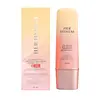
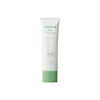
Her Hyness UV Adapt Hya Water Sunscreen SPF 50+ PA++++ Versus House of Hur Matcha Light Sun Cream SPF50+ PA++++
This hybrid sunscreen covers the full UV range and blocks ~98% of UVB at SPF 50.
This chemical sunscreen covers the full UV range and blocks ~98% of UVB at SPF 50.


What's inside
What's inside
 Key Ingredients
Benefits
Concerns
No concerns
Ingredients Side-by-side
Water
Skin ConditioningBis-Ethylhexyloxyphenol Methoxyphenyl Triazine
UV Absorber
Butyl Methoxydibenzoylmethane
UV Absorber
Acrylates/C12-22 Alkyl Methacrylate Copolymer
Octocrylene
UV Absorber


Titanium Dioxide
Cosmetic Colorant
Ethylhexyl Salicylate
UV Absorber
Zinc Oxide
Cosmetic Colorant
Glycerin
Humectant


Phospholipids
Skin Conditioning
Glycereth-26
Humectant
Aluminum Hydroxide
EmollientHydroxyethyl Urea
Humectant
Niacinamide
Smoothing








Polymethyl Methacrylate
Gossypium Herbaceum Seed Extract
Skin ConditioningPunica Granatum Seed Extract
Skin ConditioningFructooligosaccharides
Humectant
Royal Jelly
Acetyl Glucosamine
Skin Conditioning
Butylene Glycol
Humectant
Potassium Olivoyl PCA
CleansingGalactoarabinan
1,2-Hexanediol
Skin Conditioning
Lecithin
Emollient
Hydrogenated Lecithin
Emulsifying
Dipotassium Glycyrrhizate
Humectant
Astaxanthin
Skin Conditioning
Xanthophylls
Skin ConditioningResveratrol
Antioxidant
Chamaecyparis Obtusa Leaf Extract
Skin ConditioningArginine
Masking
Coco-Glucoside
Cleansing
Sodium Hyaluronate
Humectant
Ceramide NP
Skin Conditioning
Tromethamine
BufferingPhenoxyethanol
Preservative
Lactobacillus Ferment
Skin Conditioning
Disodium Lauryl Sulfosuccinate
CleansingPentylene Glycol
Skin Conditioning
Caprylyl Glycol
Emollient
Ethylhexylglycerin
Skin ConditioningWater, Bis-Ethylhexyloxyphenol Methoxyphenyl Triazine, Butyl Methoxydibenzoylmethane, Acrylates/C12-22 Alkyl Methacrylate Copolymer, Octocrylene, Titanium Dioxide, Ethylhexyl Salicylate, Zinc Oxide, Glycerin, Phospholipids, Glycereth-26, Aluminum Hydroxide, Hydroxyethyl Urea, Niacinamide, Polymethyl Methacrylate, Gossypium Herbaceum Seed Extract, Punica Granatum Seed Extract, Fructooligosaccharides, Royal Jelly, Acetyl Glucosamine, Butylene Glycol, Potassium Olivoyl PCA, Galactoarabinan, 1,2-Hexanediol, Lecithin, Hydrogenated Lecithin, Dipotassium Glycyrrhizate, Astaxanthin, Xanthophylls, Resveratrol, Chamaecyparis Obtusa Leaf Extract, Arginine, Coco-Glucoside, Sodium Hyaluronate, Ceramide NP, Tromethamine, Phenoxyethanol, Lactobacillus Ferment, Disodium Lauryl Sulfosuccinate, Pentylene Glycol, Caprylyl Glycol, Ethylhexylglycerin
Water
Skin ConditioningDibutyl Adipate
EmollientPropanediol
Solvent
Butyloctyl Salicylate
Skin Conditioning
1,2-Hexanediol
Skin Conditioning
C12-15 Alkyl Benzoate
AntimicrobialEthylhexyl Triazone
UV Absorber
Niacinamide
Smoothing
Bis-Ethylhexyloxyphenol Methoxyphenyl Triazine
UV Absorber
Methylene Bis-Benzotriazolyl Tetramethylbutylphenol
UV Filter
Silica
Abrasive
Behenyl Alcohol
Emollient
Butylene Glycol
Humectant
Diethylamino Hydroxybenzoyl Hexyl Benzoate
UV Filter
Isononyl Isononanoate
EmollientCamellia Sinensis Leaf Water
Masking
Acrylates/Stearyl Acrylate/Dimethicone Methacrylate Copolymer

Diphenylsiloxy Phenyl Trimethicone
Skin Conditioning
Panthenol
Skin Conditioning
Potassium Cetyl Phosphate
EmulsifyingAmmonium Acryloyldimethyltaurate/Vp Copolymer
Poly C10-30 Alkyl Acrylate
Emulsion StabilisingDecyl Glucoside
Cleansing
Tromethamine
BufferingAcrylates/C10-30 Alkyl Acrylate Crosspolymer
Emulsion StabilisingPolyester-5
Allantoin
Skin Conditioning
Ethylhexylglycerin
Skin ConditioningAdenosine
Skin Conditioning
Glycerin
Humectant
Disodium EDTA
ChelatingCamellia Sinensis Leaf Extract
Antimicrobial
Ozothamnus Diosmifolius Extract
Xanthan Gum
EmulsifyingMaltodextrin
Absorbent
Mannitol
Humectant
Caprylyl Glycol
Emollient
Epigallocatechin Gallate
Antioxidant
Acetyl Tetrapeptide-2
Skin Conditioning
Sh-Decapeptide-5 Sp
Skin Conditioning
Water, Dibutyl Adipate, Propanediol, Butyloctyl Salicylate, 1,2-Hexanediol, C12-15 Alkyl Benzoate, Ethylhexyl Triazone, Niacinamide, Bis-Ethylhexyloxyphenol Methoxyphenyl Triazine, Methylene Bis-Benzotriazolyl Tetramethylbutylphenol, Silica, Behenyl Alcohol, Butylene Glycol, Diethylamino Hydroxybenzoyl Hexyl Benzoate, Isononyl Isononanoate, Camellia Sinensis Leaf Water, Acrylates/Stearyl Acrylate/Dimethicone Methacrylate Copolymer, Diphenylsiloxy Phenyl Trimethicone, Panthenol, Potassium Cetyl Phosphate, Ammonium Acryloyldimethyltaurate/Vp Copolymer, Poly C10-30 Alkyl Acrylate, Decyl Glucoside, Tromethamine, Acrylates/C10-30 Alkyl Acrylate Crosspolymer, Polyester-5, Allantoin, Ethylhexylglycerin, Adenosine, Glycerin, Disodium EDTA, Camellia Sinensis Leaf Extract, Ozothamnus Diosmifolius Extract, Xanthan Gum, Maltodextrin, Mannitol, Caprylyl Glycol, Epigallocatechin Gallate, Acetyl Tetrapeptide-2, Sh-Decapeptide-5 Sp
Reviews
Ingredients Explained
These ingredients are found in both products.
Ingredients higher up in an ingredient list are typically present in a larger amount.
1,2-Hexanediol is a synthetic liquid and another multi-functional powerhouse.
It is a:
- Humectant, drawing moisture into the skin
- Emollient, helping to soften skin
- Solvent, dispersing and stabilizing formulas
- Preservative booster, enhancing the antimicrobial activity of other preservatives
This ingredient is better known as bemotrizinol or Tinosorb S and is one of the best broad-spectrum UV filters in modern sunscreen.
It works by absorbing UV light across a whole range (280-400 nm) with peaks around 310 nm (UVB) and 340-345 nm (UVA). This means it covers UVB plus the deeper UVA wavelengths that drive photoaging and pigmentation.
Another pro?
It's exceptionally photostable, barely degrades in sunlight, and acts as a "bodyguard" for less stable filters.
That's why you'll see it paired with avobenzone or octinoxate; this team up ensures they keep working through sun exposure.
Safety reviews have been reassuring across the board. This ingredient shows low absorption through the skin, rarely irritates, and lab studies found it doesn't act like a hormone in the body (a concern that's been raised about some older sunscreen filters).
On maximum concentrations:
In 2026, the US F.D.A finally added it as an OTC sunscreen ingredient at concentrations up to 6% for adults / children 6 months and older
Learn more about Bis-Ethylhexyloxyphenol Methoxyphenyl TriazineButylene Glycol (or BG) is used within cosmetic products for a few different reasons:
Overall, Butylene Glycol is a safe and well-rounded ingredient that works well with other ingredients.
Though this ingredient works well with most skin types, some people with sensitive skin may experience a reaction such as allergic rashes, closed comedones, or itchiness.
Learn more about Butylene GlycolCaprylyl Glycol is a humectant, skin conditioner, emollient, and preservative booster derived from either caprylic acid or synthetically created.
Typical use levels vary from 0.3-1% as a preservative booster and go up to 2% to condition skin.
Because it is not a free-fatty acid, this ingredient is fungal acne safe (there's nothing for Malassezia to feed on).
Learn more about Caprylyl GlycolEthylhexylglycerin is created from glycerin. It is a multitasker ingredient that:
The CIR Expert Panel found minimal skin absorption or sensitization of any kind in a safety assessment. Though this ingredient is considered well-tolerated, a small number of cases of allergic dermatitis have been published since 2002. Just be sure to patch test if you are unsure.
Industry-reported use ranges from 8% in rinse-off products and 2% in leave-on formulations.
Learn more about EthylhexylglycerinGlycerin (or glycerol) is a compound naturally found in your skin. It's a powerhouse humectant that pulls water into the stratum corneum.
Topically, glycerin does several things at once:
Your skin makes glycerin on its own (mostly from sebaceous oil breakdown) and shuttles it to your outermost layer of skin, or your epidermis, via aquaporin-3.
Aquaporin-3 is a transporter that is essential for normal skin hydration, elasticity, and repair. Interestingly, mice lacking in AQP3 have dry and less elastic skin that can be fully corrected with glycerin.
This ingredient is non-irritating, plays well with almost every ingredient, and works across all skin types. Typical use is anywhere between 3-10% but can go up to 79% in some leave-on products.
Just know very high concentrations (>40%) can feel tacky in low humidity.
Glycerin is the name for this ingredient in American English. British English uses Glycerol/Glycerine.
Learn more about GlycerinNiacinamide is a multitasking form of vitamin B3 that strengthens the skin barrier, reduces pores and dark spots, regulates oil, and improves signs of aging.
And the best part? It's gentle and well-tolerated by most skin types, including sensitive and reactive skin.
You might have heard of "niacin flush", or the reddening of skin that causes itchiness. Niacinamide has not been found to cause this.
In very rare cases, some individuals may not be able to tolerate niacinamide at all or experience an allergic reaction to it.
If you are experiencing flaking, irritation, and dryness with this ingredient, be sure to double check all your products as this ingredient can be found in all categories of skincare.
When incorporating niacinamide into your routine, look out for concentration amounts. Typically, 5% niacinamide provides benefits such as fading dark spots. However, if you have sensitive skin, it is better to begin with a smaller concentration.
When you apply niacinamide to your skin, your body converts it into nicotinamide adenine dinucleotide (NAD). NAD is an essential coenzyme that is already found in your cells as "fuel" and powers countless biological processes.
In your skin, NAD helps repair cell damage, produce new healthy cells, support collagen production, strengthen the skin barrier, and fight environmental stressors (like UV and pollution).
Our natural NAD levels start to decline with age, leading to slower skin repair, visible aging, and a weaker skin barrier. By providing your skin niacinamide, you're recharging your skin's NAD levels. This leads to stronger, healthier, and younger looking skin.
Another name for vitamin B3 is nicotinamide. This vitamin is water-soluble and our bodies don't store it. We obtain Vitamin B3 from either food or skincare. Meat, fish, wheat, yeast, and leafy greens contain vitamin B3.
The type of niacinamide used in skincare is synthetically created.
Learn more about NiacinamideTromethamine (aka THAM) is a synthetic amino acid that shows up in skincare as a helper ingredient.
It functions as a pH adjuster to help neutralize acidic ingredients and set a formula's pH to the right spot.
This matters a lot because a lot of actives (like vitamin C) needs a specific pH to work well and feel comfortable on skin.
Concentration use ranges from 0.1-1.0% depending on the formula.
Learn more about TromethamineWater. It's the most common cosmetic ingredient of all. You'll usually see it at the top of ingredient lists, meaning that it makes up the largest part of the product.
So why is it so popular? Water most often acts as a solvent - this means that it helps dissolve other ingredients into the formulation.
You'll also recognize water as that liquid we all need to stay alive. If you see this, drink a glass of water. Remember to stay hydrated!
Learn more about Water

