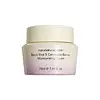
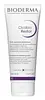
Haruharu Wonder Black Rice 5 Ceramide Barrier Moisturizing Cream Versus Bioderma Cicabio Restor Protective Soothing Care
This barrier-repair moisturizer is formulated around Ceramide NP and Oryza Sativa Extract to strengthen the skin barrier and hydrate skin.
This barrier-repair moisturizer is formulated around Butyrospermum Parkii Oil and Panthenol to strengthen the skin barrier and calm redness.


What's inside
What's inside
 Key Ingredients
Benefits
Concerns
Ingredients Side-by-side
Water
Skin ConditioningGlycerin
Humectant


Butylene Glycol
Humectant
Caprylic/Capric Triglyceride
Masking
Dicaprylyl Carbonate
Emollient1,2-Hexanediol
Skin Conditioning
Ceramide NP
Skin Conditioning



Sodium Acrylate/Sodium Acryloyldimethyl Taurate Copolymer
Emulsion StabilisingCetearyl Olivate


Polyisobutene
Hydrogenated Lecithin
Emulsifying
Polyglyceryl-3 Distearate
Emulsifying
Sorbitan Olivate
Emulsifying
Cetearyl Alcohol
Emollient



Carbomer
Emulsion StabilisingArginine
Masking
Mannitol
Humectant
Stearic Acid
Cleansing
Arachidyl Alcohol
Emollient
Allantoin
Skin Conditioning
Xanthan Gum
EmulsifyingBehenyl Alcohol
Emollient
Ethylhexylglycerin
Skin ConditioningSorbitan Oleate
Emulsifying
Caprylyl/Capryl Glucoside
CleansingArachidyl Glucoside
EmulsifyingGlyceryl Stearate Citrate
Emollient
Hydrogenated Olive Oil Decyl Esters
Emulsion Stabilising
Oryza Sativa Extract
Absorbent
Phyllostachys Pubescens Shoot Bark Extract
Skin ConditioningDisodium EDTA
Aspergillus Ferment
Skin ConditioningHydrogenated Olive Oil Stearyl Esters
Emulsion Stabilising
Ceramide Ns
Skin Conditioning
Phytosphingosine
Skin Conditioning
Cholesterol
Emollient
Oryza Sativa Lees Extract
Skin ConditioningPanax Ginseng Root Extract
Emollient
Tocopherol
Antioxidant


Ceramide As
Skin Conditioning
Ceramide AP
Skin Conditioning
Cyclodextrin
AbsorbentCeramide EOP
Skin Conditioning
Water, Glycerin, Butylene Glycol, Caprylic/Capric Triglyceride, Dicaprylyl Carbonate, 1,2-Hexanediol, Ceramide NP, Sodium Acrylate/Sodium Acryloyldimethyl Taurate Copolymer, Cetearyl Olivate, Polyisobutene, Hydrogenated Lecithin, Polyglyceryl-3 Distearate, Sorbitan Olivate, Cetearyl Alcohol, Carbomer, Arginine, Mannitol, Stearic Acid, Arachidyl Alcohol, Allantoin, Xanthan Gum, Behenyl Alcohol, Ethylhexylglycerin, Sorbitan Oleate, Caprylyl/Capryl Glucoside, Arachidyl Glucoside, Glyceryl Stearate Citrate, Hydrogenated Olive Oil Decyl Esters, Oryza Sativa Extract, Phyllostachys Pubescens Shoot Bark Extract, Disodium EDTA, Aspergillus Ferment, Hydrogenated Olive Oil Stearyl Esters, Ceramide Ns, Phytosphingosine, Cholesterol, Oryza Sativa Lees Extract, Panax Ginseng Root Extract, Tocopherol, Ceramide As, Ceramide AP, Cyclodextrin, Ceramide EOP
Water
Skin ConditioningButyrospermum Parkii Oil
Emollient
Glycerin
Humectant
Panthenol
Skin Conditioning
Butylene Glycol
Humectant
Behenyl Alcohol
Emollient
Hydrogenated Castor Oil
Emollient
Propanediol
Solvent
Jojoba Esters
Emollient
Capryloyl Glycine
CleansingSqualane
Emollient
Sucrose Stearate
EmollientHelianthus Annuus Seed Wax
Skin Conditioning
Pentylene Glycol
Skin Conditioning
Sodium Citrate
BufferingSucrose Laurate
Emollient
Sodium Polyacrylate
Absorbent
Polyacrylate Crosspolymer-6
Emulsion StabilisingXanthan Gum
EmulsifyingSodium Hydroxide
BufferingPolyglycerin-3
Humectant
Mannitol
Humectant
Sodium Hyaluronate
Humectant
Xylitol
Humectant
Rhamnose
HumectantAcetyl Dipeptide-1 Cetyl Ester
Skin Conditioning
Acacia Decurrens Flower Wax
Emollient
Water, Butyrospermum Parkii Oil, Glycerin, Panthenol, Butylene Glycol, Behenyl Alcohol, Hydrogenated Castor Oil, Propanediol, Jojoba Esters, Capryloyl Glycine, Squalane, Sucrose Stearate, Helianthus Annuus Seed Wax, Pentylene Glycol, Sodium Citrate, Sucrose Laurate, Sodium Polyacrylate, Polyacrylate Crosspolymer-6, Xanthan Gum, Sodium Hydroxide, Polyglycerin-3, Mannitol, Sodium Hyaluronate, Xylitol, Rhamnose, Acetyl Dipeptide-1 Cetyl Ester, Acacia Decurrens Flower Wax
Reviews
Ingredients Explained
These ingredients are found in both products.
Ingredients higher up in an ingredient list are typically present in a larger amount.
Behenyl Alcohol is a type of fatty alcohol (these are different from the drying, solvent alcohols).
Fatty Alcohols have hydrating properties and are most often used as an emollient or to thicken a product. They are usually derived from natural fats and oils; behenyl alcohol is derived from the fats of vegetable oils.
Emollients help keep your skin soft and hydrated by creating a film that traps moisture in.
In 2000, Behenyl Alcohol was approved by the US as medicine to reduce the duration of cold sores.
Learn more about Behenyl AlcoholButylene Glycol (or BG) is used within cosmetic products for a few different reasons:
Overall, Butylene Glycol is a safe and well-rounded ingredient that works well with other ingredients.
Though this ingredient works well with most skin types, some people with sensitive skin may experience a reaction such as allergic rashes, closed comedones, or itchiness.
Learn more about Butylene GlycolGlycerin (or glycerol) is a compound naturally found in your skin. It's a powerhouse humectant that pulls water into the stratum corneum.
Topically, glycerin does several things at once:
Your skin makes glycerin on its own (mostly from sebaceous oil breakdown) and shuttles it to your outermost layer of skin, or your epidermis, via aquaporin-3.
Aquaporin-3 is a transporter that is essential for normal skin hydration, elasticity, and repair. Interestingly, mice lacking in AQP3 have dry and less elastic skin that can be fully corrected with glycerin.
This ingredient is non-irritating, plays well with almost every ingredient, and works across all skin types. Typical use is anywhere between 3-10% but can go up to 79% in some leave-on products.
Just know very high concentrations (>40%) can feel tacky in low humidity.
Glycerin is the name for this ingredient in American English. British English uses Glycerol/Glycerine.
Learn more about GlycerinMannitol is a sugar alcohol. It is a humectant and moisturizes the skin. In vitro (not tested on a living organism), mannitol displays antioxidant properties.
When found in aqueous solutions, mannitol tends to become acidic. This is because it loses a hydrogen ion. This is why mannitol can often be found with pH adjusting ingredients, such as sodium bicarbonate.
Fun fact: Mannitol can be found in foods as a sweetener. It can be naturally found in mushrooms, algae, fruits, and veggies.
Learn more about MannitolWater. It's the most common cosmetic ingredient of all. You'll usually see it at the top of ingredient lists, meaning that it makes up the largest part of the product.
So why is it so popular? Water most often acts as a solvent - this means that it helps dissolve other ingredients into the formulation.
You'll also recognize water as that liquid we all need to stay alive. If you see this, drink a glass of water. Remember to stay hydrated!
Learn more about WaterXanthan gum is used as a stabilizer and thickener within cosmetic products. It helps give products a sticky, thick feeling - preventing them from being too runny.
On the technical side of things, xanthan gum is a polysaccharide - a combination consisting of multiple sugar molecules bonded together.
Xanthan gum is a pretty common and great ingredient. It is a natural, non-toxic, non-irritating ingredient that is also commonly used in food products.
Learn more about Xanthan Gum

