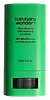
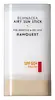
Haruharu Wonder Black Bamboo Daily Soothing Sun Shield SPF 50+ Versus Rawquest Echinacea Airy Sun Stick SPF50+ PA++++
This chemical sunscreen covers the full UV range and blocks ~98% of UVB at SPF 50.
This chemical sunscreen covers the full UV range and blocks ~98% of UVB at SPF 50.

What's inside
What's inside
 Key Ingredients
Benefits
Concerns
Ingredients Side-by-side
Water
Skin ConditioningDibutyl Adipate
EmollientSynthetic Wax
Abrasive

Methyl Methacrylate Crosspolymer

Butyloctyl Salicylate
Skin Conditioning

Caprylyl Trimethicone
Skin Conditioning
Butylene Glycol
Humectant

Propylheptyl Caprylate
EmollientDiethylamino Hydroxybenzoyl Hexyl Benzoate
UV Filter
Isododecane
EmollientBis-Ethylhexyloxyphenol Methoxyphenyl Triazine
UV Absorber
Caprylyl Methicone
Skin Conditioning
Ethylhexyl Triazone
UV Absorber
Polysilicone-15
UV Filter
Ceresin
Emulsion StabilisingCamellia Japonica Seed Oil
Emollient


Diphenylsiloxy Phenyl Trimethicone
Skin Conditioning
Niacinamide
Smoothing









Polyglyceryl-3 Polyricinoleate
Emulsifying
Lauryl Polyglyceryl-3 Polydimethylsiloxyethyl Dimethicone
Skin Conditioning
Dimethicone/Vinyl Dimethicone Crosspolymer
Skin Conditioning
Sodium Chloride
Masking1,2-Hexanediol
Skin Conditioning
Polyglyceryl-4 Diisostearate/Polyhydroxystearate/Sebacate
Emulsifying
Vinyl Dimethicone/Methicone Silsesquioxane Crosspolymer
Caprylyl Glycol
Emollient
Glyceryl Caprylate
EmollientPhyllostachys Nigra Leaf Extract
Skin ConditioningPhyllostachys Pubescens Shoot Bark Extract
Skin ConditioningAdenosine
Skin Conditioning
Aspergillus Ferment
Skin ConditioningTocopherol
Antioxidant

Dipropylene Glycol
HumectantPentylene Glycol
Skin Conditioning
Bambusa Vulgaris Water
Skin ConditioningBetaine
Humectant
Ectoin
Skin Conditioning
Panthenol
Skin Conditioning
Water, Dibutyl Adipate, Synthetic Wax, Methyl Methacrylate Crosspolymer, Butyloctyl Salicylate, Caprylyl Trimethicone, Butylene Glycol, Propylheptyl Caprylate, Diethylamino Hydroxybenzoyl Hexyl Benzoate, Isododecane, Bis-Ethylhexyloxyphenol Methoxyphenyl Triazine, Caprylyl Methicone, Ethylhexyl Triazone, Polysilicone-15, Ceresin, Camellia Japonica Seed Oil, Diphenylsiloxy Phenyl Trimethicone, Niacinamide, Polyglyceryl-3 Polyricinoleate, Lauryl Polyglyceryl-3 Polydimethylsiloxyethyl Dimethicone, Dimethicone/Vinyl Dimethicone Crosspolymer, Sodium Chloride, 1,2-Hexanediol, Polyglyceryl-4 Diisostearate/Polyhydroxystearate/Sebacate, Vinyl Dimethicone/Methicone Silsesquioxane Crosspolymer, Caprylyl Glycol, Glyceryl Caprylate, Phyllostachys Nigra Leaf Extract, Phyllostachys Pubescens Shoot Bark Extract, Adenosine, Aspergillus Ferment, Tocopherol, Dipropylene Glycol, Pentylene Glycol, Bambusa Vulgaris Water, Betaine, Ectoin, Panthenol
Butylene Glycol Dicaprylate/Dicaprate
EmollientSynthetic Wax
Abrasive
Dimethicone
Emollient
Octocrylene
UV Absorber

Vinyl Dimethicone/Methicone Silsesquioxane Crosspolymer
Silica
Abrasive
Methyl Methacrylate Crosspolymer
Ethylhexyl Methoxycinnamate
UV Absorber
Cetyl Ethylhexanoate
EmollientDicaprylyl Carbonate
EmollientEthylhexyl Salicylate
UV Absorber
Diethylamino Hydroxybenzoyl Hexyl Benzoate
UV Filter
Bis-Ethylhexyloxyphenol Methoxyphenyl Triazine
UV Absorber
Tocopheryl Acetate
Antioxidant
Ozokerite
Emulsion StabilisingEchinacea Purpurea Extract
MoisturisingTrifolium Pratense Extract
Skin ConditioningCitrus Aurantium Dulcis Peel Oil
Masking
Cymbopogon Martini Oil
Masking
Rosa Damascena Flower Oil
Masking

Sodium Hyaluronate
Humectant
Bisabolol
Antioxidant
Lauryl Polyglyceryl-3 Polydimethylsiloxyethyl Dimethicone
Skin Conditioning
Water
Skin ConditioningButylene Glycol
Humectant
Glycerin
Humectant
Dipotassium Phosphate
BufferingAcetyl Glutamine
Skin ConditioningMethylpropanediol
SolventTocopherol
Antioxidant
1,2-Hexanediol
Skin Conditioning
Cellulose Gum
Emulsion StabilisingHydrolyzed Hyaluronic Acid
Humectant
Sodium Acetylated Hyaluronate
Humectant
Dehydroacetic Acid
Preservative
Limonene
Perfuming
Geraniol
Perfuming
Linalool
Perfuming
Citral
Perfuming
Butylene Glycol Dicaprylate/Dicaprate, Synthetic Wax, Dimethicone, Octocrylene, Vinyl Dimethicone/Methicone Silsesquioxane Crosspolymer, Silica, Methyl Methacrylate Crosspolymer, Ethylhexyl Methoxycinnamate, Cetyl Ethylhexanoate, Dicaprylyl Carbonate, Ethylhexyl Salicylate, Diethylamino Hydroxybenzoyl Hexyl Benzoate, Bis-Ethylhexyloxyphenol Methoxyphenyl Triazine, Tocopheryl Acetate, Ozokerite, Echinacea Purpurea Extract, Trifolium Pratense Extract, Citrus Aurantium Dulcis Peel Oil, Cymbopogon Martini Oil, Rosa Damascena Flower Oil, Sodium Hyaluronate, Bisabolol, Lauryl Polyglyceryl-3 Polydimethylsiloxyethyl Dimethicone, Water, Butylene Glycol, Glycerin, Dipotassium Phosphate, Acetyl Glutamine, Methylpropanediol, Tocopherol, 1,2-Hexanediol, Cellulose Gum, Hydrolyzed Hyaluronic Acid, Sodium Acetylated Hyaluronate, Dehydroacetic Acid, Limonene, Geraniol, Linalool, Citral
Reviews
Ingredients Explained
These ingredients are found in both products.
Ingredients higher up in an ingredient list are typically present in a larger amount.
1,2-Hexanediol is a synthetic liquid and another multi-functional powerhouse.
It is a:
- Humectant, drawing moisture into the skin
- Emollient, helping to soften skin
- Solvent, dispersing and stabilizing formulas
- Preservative booster, enhancing the antimicrobial activity of other preservatives
This ingredient is better known as bemotrizinol or Tinosorb S and is one of the best broad-spectrum UV filters in modern sunscreen.
It works by absorbing UV light across a whole range (280-400 nm) with peaks around 310 nm (UVB) and 340-345 nm (UVA). This means it covers UVB plus the deeper UVA wavelengths that drive photoaging and pigmentation.
Another pro?
It's exceptionally photostable, barely degrades in sunlight, and acts as a "bodyguard" for less stable filters.
That's why you'll see it paired with avobenzone or octinoxate; this team up ensures they keep working through sun exposure.
Safety reviews have been reassuring across the board. This ingredient shows low absorption through the skin, rarely irritates, and lab studies found it doesn't act like a hormone in the body (a concern that's been raised about some older sunscreen filters).
On maximum concentrations:
In 2026, the US F.D.A finally added it as an OTC sunscreen ingredient at concentrations up to 6% for adults / children 6 months and older
Learn more about Bis-Ethylhexyloxyphenol Methoxyphenyl TriazineButylene Glycol (or BG) is used within cosmetic products for a few different reasons:
Overall, Butylene Glycol is a safe and well-rounded ingredient that works well with other ingredients.
Though this ingredient works well with most skin types, some people with sensitive skin may experience a reaction such as allergic rashes, closed comedones, or itchiness.
Learn more about Butylene GlycolDiethylamino Hydroxybenzoyl Hexyl Benzoate (DHHB) is a chemical UV-A absorber. It is formulated for high UVA protection (320-400 nm).
DHHB is well-liked for:
DHHB has been approved by the EU, Japan, Taiwan, and South America for use up to 10%. Unfortunately, it has not been approved for use in the US or Canada due to slow regulatory processes.
This ingredient is soluble in oils, fats, and lipids.
Learn more about Diethylamino Hydroxybenzoyl Hexyl BenzoateLauryl Polyglyceryl-3 Polydimethylsiloxyethyl Dimethicone is a type of silicone.
This ingredient comes as a powder made up of small, porous, microbeads. It is used to add a silky feel to products and also helps absorb oil.
Synthetic Wax is a manufactured hydrocarbon wax. In formulas, it works as an occlusive emollient that helps reduce water loss and improves the spreadability of products.
Research comparing synthetic wax to traditional mineral-derived products found that formulas containing it perform as well for skin hydration.
It is considered non-comedogenic and vegan-friendly.
This ingredient has a well-established safety record by the CIR Expert Panel for Cosmetic Ingredient Safety.
Synthetic Waxes are straight/branched-chain hydrocarbons with no ester bond or fatty acids. That means there is nothing for the Malassezia yeast to feed on.
Learn more about Synthetic WaxTocopherol is a fat-soluble antioxidant known as Vitamin E.
You'll find this ingredient in the vast majority of skincare (for good reason). It works to neutralize free radicals, or unstable molecules generated by UV exposure, pollution, and other environmental stressors, before they can cause oxidative damage to your skin cells.
Topically applied tocopherol has been shown to protect against UV damage by ramping up the skin's own natural defense enzymes.
It also acts as a skin conditioning agent; some studies show that regular topical use can improve the skin's water-binding capacity over 2-4 weeks.
This ingredient is especially loved for being a team player. When combined with Vitamin C, the photoprotective effect of both ingredients roughly doubles and the combo also helps reduce UV-induced DNA damage.
This ingredient has some brightening potential but it's more of a prevention ingredient than spot-fader. Cell studies show it can slow down melanin production but it's worth noting that it's not the most powerful brightener out there.
In formulations, it also serves as a stabilizer that helps protect other oxidation-prone ingredients from degrading.
Concentrations usually range from 0.1-1% in most leave-on products.
Learn more about TocopherolThis ingredient is used in makeup and skincare to thicken formulas, reduce shine, and give skin a silky-smooth feel.
It’s a white silicone powder that sits in fine lines and pores to blur their appearance though its effectiveness depends on the particle size.
You'll typically find this ingredient in amounts between 0.1-20%.
Learn more about Vinyl Dimethicone/Methicone Silsesquioxane CrosspolymerWater. It's the most common cosmetic ingredient of all. You'll usually see it at the top of ingredient lists, meaning that it makes up the largest part of the product.
So why is it so popular? Water most often acts as a solvent - this means that it helps dissolve other ingredients into the formulation.
You'll also recognize water as that liquid we all need to stay alive. If you see this, drink a glass of water. Remember to stay hydrated!
Learn more about Water

