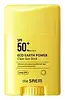
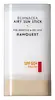
The Saem Eco Earth Power Clear Sun Stick SPF 50+ PA++++ Versus Rawquest Echinacea Airy Sun Stick SPF50+ PA++++
This chemical sunscreen covers the full UV range and blocks ~98% of UVB at SPF 50.
This chemical sunscreen covers the full UV range and blocks ~98% of UVB at SPF 50.

What's inside
What's inside
 Key Ingredients
Benefits
Concerns
Ingredients Side-by-side
Butylene Glycol Dicaprylate/Dicaprate
EmollientOctyldodecanol
Emollient
Diisostearyl Malate
EmollientOctocrylene
UV Absorber



Ethylhexyl Methoxycinnamate
UV Absorber
Diethylamino Hydroxybenzoyl Hexyl Benzoate
UV Filter
Ethylhexyl Salicylate
UV Absorber
Dibutyl Ethylhexanoyl Glutamide
Skin ConditioningDibutyl Lauroyl Glutamide
Skin ConditioningBis-Ethylhexyloxyphenol Methoxyphenyl Triazine
UV Absorber
Silica Silylate
Emollient
Glycyrrhiza Glabra Root Extract
Bleaching






Epilobium Angustifolium Extract
Skin ConditioningAverrhoa Carambola Fruit Extract
Skin ConditioningLepidium Meyenii Root Extract
Skin ConditioningMoringa Oleifera Seed Oil
Emollient



Persea Gratissima Oil
Skin Conditioning
Rosa Canina Fruit Oil
Emollient
Water
Skin ConditioningLavandula Angustifolia Oil
Masking


Citrus Aurantifolia Oil
Cleansing
Citrus Limon Peel Oil
Masking
Rosmarinus Officinalis Leaf Oil
Masking
Amyris Balsamifera Bark Oil
Masking
Citrus Aurantium Bergamia Fruit Oil
Masking
Thymus Vulgaris Flower/Leaf Oil
Masking
Cupressus Sempervirens Leaf/Nut/Stem Oil
Emollient
Cedrus Atlantica Bark Oil
Masking
Citrus Aurantium Dulcis Oil
Masking
Citrus Grandis Peel Oil
Masking
Boswellia Carterii Oil
Masking
Anthemis Nobilis Flower Oil
Masking
Salvia Sclarea Oil
Masking
Melaleuca Alternifolia Leaf Oil
Antioxidant

Illicium Verum Fruit/Seed Oil
Masking
Cymbopogon Martini Oil
Masking
Butylene Glycol
Humectant
Phenoxyethanol
Preservative
Ethylhexylglycerin
Skin ConditioningCaprylyl Glycol
Emollient
1,2-Hexanediol
Skin Conditioning
Parfum
Masking
Butylene Glycol Dicaprylate/Dicaprate, Octyldodecanol, Diisostearyl Malate, Octocrylene, Ethylhexyl Methoxycinnamate, Diethylamino Hydroxybenzoyl Hexyl Benzoate, Ethylhexyl Salicylate, Dibutyl Ethylhexanoyl Glutamide, Dibutyl Lauroyl Glutamide, Bis-Ethylhexyloxyphenol Methoxyphenyl Triazine, Silica Silylate, Glycyrrhiza Glabra Root Extract, Epilobium Angustifolium Extract, Averrhoa Carambola Fruit Extract, Lepidium Meyenii Root Extract, Moringa Oleifera Seed Oil, Persea Gratissima Oil, Rosa Canina Fruit Oil, Water, Lavandula Angustifolia Oil, Citrus Aurantifolia Oil, Citrus Limon Peel Oil, Rosmarinus Officinalis Leaf Oil, Amyris Balsamifera Bark Oil, Citrus Aurantium Bergamia Fruit Oil, Thymus Vulgaris Flower/Leaf Oil, Cupressus Sempervirens Leaf/Nut/Stem Oil, Cedrus Atlantica Bark Oil, Citrus Aurantium Dulcis Oil, Citrus Grandis Peel Oil, Boswellia Carterii Oil, Anthemis Nobilis Flower Oil, Salvia Sclarea Oil, Melaleuca Alternifolia Leaf Oil, Illicium Verum Fruit/Seed Oil, Cymbopogon Martini Oil, Butylene Glycol, Phenoxyethanol, Ethylhexylglycerin, Caprylyl Glycol, 1,2-Hexanediol, Parfum
Butylene Glycol Dicaprylate/Dicaprate
EmollientSynthetic Wax
Abrasive

Dimethicone
Emollient
Octocrylene
UV Absorber
Vinyl Dimethicone/Methicone Silsesquioxane Crosspolymer
Silica
Abrasive
Methyl Methacrylate Crosspolymer
Ethylhexyl Methoxycinnamate
UV Absorber
Cetyl Ethylhexanoate
EmollientDicaprylyl Carbonate
EmollientEthylhexyl Salicylate
UV Absorber
Diethylamino Hydroxybenzoyl Hexyl Benzoate
UV Filter
Bis-Ethylhexyloxyphenol Methoxyphenyl Triazine
UV Absorber
Tocopheryl Acetate
Antioxidant
Ozokerite
Emulsion StabilisingEchinacea Purpurea Extract
MoisturisingTrifolium Pratense Extract
Skin ConditioningCitrus Aurantium Dulcis Peel Oil
Masking
Cymbopogon Martini Oil
Masking
Rosa Damascena Flower Oil
Masking
Sodium Hyaluronate
Humectant

Bisabolol
Antioxidant
Lauryl Polyglyceryl-3 Polydimethylsiloxyethyl Dimethicone
Skin Conditioning
Water
Skin ConditioningButylene Glycol
Humectant
Glycerin
Humectant
Dipotassium Phosphate
BufferingAcetyl Glutamine
Skin ConditioningMethylpropanediol
SolventTocopherol
Antioxidant
1,2-Hexanediol
Skin Conditioning
Cellulose Gum
Emulsion StabilisingHydrolyzed Hyaluronic Acid
Humectant
Sodium Acetylated Hyaluronate
Humectant
Dehydroacetic Acid
Preservative
Limonene
Perfuming
Geraniol
Perfuming
Linalool
Perfuming
Citral
Perfuming
Butylene Glycol Dicaprylate/Dicaprate, Synthetic Wax, Dimethicone, Octocrylene, Vinyl Dimethicone/Methicone Silsesquioxane Crosspolymer, Silica, Methyl Methacrylate Crosspolymer, Ethylhexyl Methoxycinnamate, Cetyl Ethylhexanoate, Dicaprylyl Carbonate, Ethylhexyl Salicylate, Diethylamino Hydroxybenzoyl Hexyl Benzoate, Bis-Ethylhexyloxyphenol Methoxyphenyl Triazine, Tocopheryl Acetate, Ozokerite, Echinacea Purpurea Extract, Trifolium Pratense Extract, Citrus Aurantium Dulcis Peel Oil, Cymbopogon Martini Oil, Rosa Damascena Flower Oil, Sodium Hyaluronate, Bisabolol, Lauryl Polyglyceryl-3 Polydimethylsiloxyethyl Dimethicone, Water, Butylene Glycol, Glycerin, Dipotassium Phosphate, Acetyl Glutamine, Methylpropanediol, Tocopherol, 1,2-Hexanediol, Cellulose Gum, Hydrolyzed Hyaluronic Acid, Sodium Acetylated Hyaluronate, Dehydroacetic Acid, Limonene, Geraniol, Linalool, Citral
Ingredients Explained
These ingredients are found in both products.
Ingredients higher up in an ingredient list are typically present in a larger amount.
1,2-Hexanediol is a synthetic liquid and another multi-functional powerhouse.
It is a:
- Humectant, drawing moisture into the skin
- Emollient, helping to soften skin
- Solvent, dispersing and stabilizing formulas
- Preservative booster, enhancing the antimicrobial activity of other preservatives
This ingredient is better known as bemotrizinol or Tinosorb S and is one of the best broad-spectrum UV filters in modern sunscreen.
It works by absorbing UV light across a whole range (280-400 nm) with peaks around 310 nm (UVB) and 340-345 nm (UVA). This means it covers UVB plus the deeper UVA wavelengths that drive photoaging and pigmentation.
Another pro?
It's exceptionally photostable, barely degrades in sunlight, and acts as a "bodyguard" for less stable filters.
That's why you'll see it paired with avobenzone or octinoxate; this team up ensures they keep working through sun exposure.
Safety reviews have been reassuring across the board. This ingredient shows low absorption through the skin, rarely irritates, and lab studies found it doesn't act like a hormone in the body (a concern that's been raised about some older sunscreen filters).
On maximum concentrations:
In 2026, the US F.D.A finally added it as an OTC sunscreen ingredient at concentrations up to 6% for adults / children 6 months and older
Learn more about Bis-Ethylhexyloxyphenol Methoxyphenyl TriazineButylene Glycol (or BG) is used within cosmetic products for a few different reasons:
Overall, Butylene Glycol is a safe and well-rounded ingredient that works well with other ingredients.
Though this ingredient works well with most skin types, some people with sensitive skin may experience a reaction such as allergic rashes, closed comedones, or itchiness.
Learn more about Butylene GlycolThis is a lightweight diester (caprylic/capric acid + butylene glycol) with emollient and skin conditioning properties.
According to a manufacturer, this ingredient can help add a "cushiony" oil phase without making it heavy.
Cymbopogon Martini Oil is the volatile oil expressed from the herb palmarosa, Cymbopogon martini, Gramineae
Diethylamino Hydroxybenzoyl Hexyl Benzoate (DHHB) is a chemical UV-A absorber. It is formulated for high UVA protection (320-400 nm).
DHHB is well-liked for:
DHHB has been approved by the EU, Japan, Taiwan, and South America for use up to 10%. Unfortunately, it has not been approved for use in the US or Canada due to slow regulatory processes.
This ingredient is soluble in oils, fats, and lipids.
Learn more about Diethylamino Hydroxybenzoyl Hexyl BenzoateThis ingredient is also known as Octinoxate and is one of the oldest and most widely used chemical UV filters in skincare.
It has a simple job: soap up UVB radiation (290-320 nm), the wavelengths responsible for sunburn and a big chunk of long-term sun damage.
In formulas, it's always paired with a separate UVA filter because octinoxate solely protects skin from UVB.
Because it's an oil-soluble liquid, it's easy to blend into the oil phase of lotions/creams and gives a cosmetically elegant feel.
The one quirk about formulating this ingredient is photostability; the molecule slowly changes shape into a less effective version when sunlight hits it. So the longer you're in the sun, the weaker its protection gets. The drop can be more than 30% in some formulas.
It also doesn't play nice with Avobenzone (the common UVA filter) since avobenzone destabilizes octinoxate and the two degrade each other. But don't worry: brands have solved this issue by adding photostabilizers like Tinosorb S to prevent degradation and keep SPF stable under heavy UV exposure.
The maximum allowed level is 10% in the EU and Australia, 7.5% in the US and Canada, and 20% in Japan.
The Cosmetic Ingredient Review Panel has concluded this ingredient to be safe in cosmetics up to 10%.
One last thing worth knowing for context:
Octinoxate has been the subject of ongoing review in Europe where the Scientific Committee on Consumer Safety's (SCCS) 2025 final opinion is that this ingredient is an endocrine-active substance.
Lab and animal studies suggest it can act a bit like a hormone in the body (mildly mimicking estrogen and slightly blocking male hormones). It's important to know this hasn't really been shown to happen in everyday human use.
This ingredient is also banned in Hawaii over coral reef concerns.
Learn more about Ethylhexyl MethoxycinnamateEthylhexyl Salicylate (also called Octisalate or Octyl Salicylate) is an oil-soluble organic UV filter that's been used in sunscreen since the 1950's.
It absorbs UVB light in the 280-320 nm range with a peak absorbance around 306 nm.
You'll often see it paired with other UV filters to boost overall SPF because octisalate is a fairly week filter on its own.
The reason you'll see it so often is because it can help solubilize and stabilize the trickier filters like oxybenzone and avobenzone.
Unlike these filters, octisalate has pretty good photostability and doesn't create skin-damaging free radicals when exposed to sunlight.
The fatty-alcohol part of the molecule also gives it a light, emollient feel so it doubles as a nice texture enhancer.
Usage levels vary around the world:
Safety-wise, this ingredient has a pretty reassuring track record. The EU's Scientific Committee on Consumer Products (SCCP) found very low skin penetration in human skin tests and negative results for irritation, phototoxicity, and photoallergy.
The real-world allergy risk is pretty low too; a 2012 European study of 1,031 people recorded only 2 reactions to it (a rate of 0.19%).
You might have seen scary headlines about sunscreen getting into your blood.
In 2019, the FDA found that several chemical filters can absorb through the skin and show up in the bloodstream at small but measurable levels.
Here's the important part: these tiny levels are just a cutoff the FDA uses to decide which ingredients need more testing and doesn't mean anything harmful was found.
The researchers were clear that the results are no reason to stop wearing sunscreen.
Learn more about Ethylhexyl SalicylateOctocrylene is an oil-soluble organic UV filter that mainly absorbs UVB and short wave UVA II light.
Its real superpower is teamwork: octocrylene is remarkably photostable and is most famous for stabilizing avobenzone (the workhorse UVA filter).
This ingredient is commonly used to enhance both UVB and UVA protection due to its unique property in stabilizing avobenzone. It also pulls double duty by boosting water resistance and giving formulas a smooth, spreadable feel.
The EU's Scientific Committee on Consumer Safety (SCCS) has deemed octocrylene to be safe as a UV-filter at concentrations up to 10% (capped at 9% in propellant sprays). The US also permits it up to 10%.
Two things worth knowing:
You'll usually see this ingredient used in concentrations between 2-10% (higher amounts when used as a stabilizer for avobenzone).
Learn more about OctocryleneWater. It's the most common cosmetic ingredient of all. You'll usually see it at the top of ingredient lists, meaning that it makes up the largest part of the product.
So why is it so popular? Water most often acts as a solvent - this means that it helps dissolve other ingredients into the formulation.
You'll also recognize water as that liquid we all need to stay alive. If you see this, drink a glass of water. Remember to stay hydrated!
Learn more about Water

