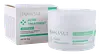
This acne day moisturizer is formulated around Niacinamide and Salicylic Acid to clear breakouts and balance excess oil.
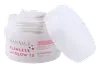
This brightening day moisturizer is formulated around Niacinamide and Oryza Sativa Extract to brighten dull-looking skin and fade the look of dark spots.

What's inside
What's inside
 Key Ingredients
Benefits
Concerns
Ingredients Side-by-side
Water
Skin ConditioningButylene Glycol
Humectant

Dimethicone
Emollient

Niacinamide
Smoothing









Ethyl Macadamiate
Skin Conditioning

Ethylhexyl Olivate
Skin Conditioning
Glycerin
Humectant
Acrylates/Beheneth-25 Methacrylate Copolymer
Helianthus Annuus Seed Oil
Emollient
Titanium Dioxide
Cosmetic Colorant

Propanediol
Solvent
Glycine Soja Oil
Emollient


Cetearyl Olivate
Phenoxyethanol
Preservative
Salicylic Acid
Masking


Sorbitan Olivate
Emulsifying
Cetearyl Alcohol
Emollient

Cetyl Palmitate
Emollient
Aminomethyl Propanol
BufferingButyl Methoxydibenzoylmethane
UV Absorber
Ethylhexyl Methoxycinnamate
UV Absorber
Parfum
Masking

Polyglyceryl-3 Diisostearate
Emulsifying
Sorbitan Palmitate
Emulsifying
Carbomer
Emulsion StabilisingDisodium EDTA
ChelatingOctocrylene
UV Absorber
Oryza Sativa Extract
Absorbent
Oryza Sativa Germ Extract
EmollientDimethicone/Vinyl Dimethicone Crosspolymer
Skin Conditioning
Sorbitan Oleate
Emulsifying
Platycarya Strobilacea Extract
Skin ConditioningPsoralea Corylifolia Fruit Extract
Skin ConditioningSophora Flavescens Root Extract
Antioxidant
Triethylene Glycol
Masking
BHT
Antioxidant
Xanthan Gum
EmulsifyingHydrogen Dimethicone
Lecithin
Emollient
Silica
Abrasive
Isoceteth-10
Emulsifying2-Aminobutanol
BufferingTocopherol
Antioxidant
Water, Butylene Glycol, Dimethicone, Niacinamide, Ethyl Macadamiate, Ethylhexyl Olivate, Glycerin, Acrylates/Beheneth-25 Methacrylate Copolymer, Helianthus Annuus Seed Oil, Titanium Dioxide, Propanediol, Glycine Soja Oil, Cetearyl Olivate, Phenoxyethanol, Salicylic Acid, Sorbitan Olivate, Cetearyl Alcohol, Cetyl Palmitate, Aminomethyl Propanol, Butyl Methoxydibenzoylmethane, Ethylhexyl Methoxycinnamate, Parfum, Polyglyceryl-3 Diisostearate, Sorbitan Palmitate, Carbomer, Disodium EDTA, Octocrylene, Oryza Sativa Extract, Oryza Sativa Germ Extract, Dimethicone/Vinyl Dimethicone Crosspolymer, Sorbitan Oleate, Platycarya Strobilacea Extract, Psoralea Corylifolia Fruit Extract, Sophora Flavescens Root Extract, Triethylene Glycol, BHT, Xanthan Gum, Hydrogen Dimethicone, Lecithin, Silica, Isoceteth-10, 2-Aminobutanol, Tocopherol
Water
Skin ConditioningButylene Glycol
Humectant
Dimethicone
Emollient
Niacinamide
Smoothing
Ethyl Macadamiate
Skin Conditioning
Ethylhexyl Olivate
Skin Conditioning
Glycerin
Humectant
Acrylates/Beheneth-25 Methacrylate Copolymer
Helianthus Annuus Seed Oil
Emollient
Titanium Dioxide
Cosmetic Colorant
Glycine Soja Oil
Emollient
Cetearyl Olivate
Phenoxyethanol
Preservative
Sorbitan Olivate
Emulsifying
Cetearyl Alcohol
Emollient
Cetyl Palmitate
Emollient
Aminomethyl Propanol
BufferingButyl Methoxydibenzoylmethane
UV Absorber
Ethylhexyl Methoxycinnamate
UV Absorber
Polyglyceryl-3 Diisostearate
Emulsifying
Sorbitan Palmitate
Emulsifying
Carbomer
Emulsion StabilisingDisodium EDTA
ChelatingOctocrylene
UV Absorber
Oryza Sativa Extract
Absorbent
Oryza Sativa Germ Extract
EmollientTriethylene Glycol
Masking
BHT
Antioxidant
Parfum
Masking
Glycyrrhiza Glabra Root Extract
Bleaching
Xanthan Gum
EmulsifyingHydrogen Dimethicone
Lecithin
Emollient
Silica
Abrasive
Isoceteth-10
Emulsifying2-Aminobutanol
BufferingTocopherol
Antioxidant
Water, Butylene Glycol, Dimethicone, Niacinamide, Ethyl Macadamiate, Ethylhexyl Olivate, Glycerin, Acrylates/Beheneth-25 Methacrylate Copolymer, Helianthus Annuus Seed Oil, Titanium Dioxide, Glycine Soja Oil, Cetearyl Olivate, Phenoxyethanol, Sorbitan Olivate, Cetearyl Alcohol, Cetyl Palmitate, Aminomethyl Propanol, Butyl Methoxydibenzoylmethane, Ethylhexyl Methoxycinnamate, Polyglyceryl-3 Diisostearate, Sorbitan Palmitate, Carbomer, Disodium EDTA, Octocrylene, Oryza Sativa Extract, Oryza Sativa Germ Extract, Triethylene Glycol, BHT, Parfum, Glycyrrhiza Glabra Root Extract, Xanthan Gum, Hydrogen Dimethicone, Lecithin, Silica, Isoceteth-10, 2-Aminobutanol, Tocopherol
Ingredients Explained
These ingredients are found in both products.
Ingredients higher up in an ingredient list are typically present in a larger amount.
We don't have a description for 2-Aminobutanol yet.
We don't have a description for Acrylates/Beheneth-25 Methacrylate Copolymer yet.
Aminomethyl Propanol is used to adjust the pH of products. It is also used as a base to create other organic compounds. Having a balanced pH is important for protecting your skin.
Aminomethyl propanol is safe to use in cosmetics up to 1%. It is soluble in water.
BHT is a synthetic antioxidant and preservative.
As an antioxidant, it helps your body fight off free-radicals. Free-radicals are molecules that may damage your skin cells.
As a preservative, it is used to stabilize products and prevent them from degrading. Specifically, BHT prevents degradation from oxidation.
The concerns related to BHT come from oral studies; this ingredient is currently allowed for use by both the FDA and EU.
However, it was recently restricted for use in the UK as of April 2024.
Learn more about BHTAlso known as Avobenzone, this ingredient is an oil-soluble used to absorb the full spectrum of UVA rays (peak 357 nm).
It's one of the most effective UVA filters available but has a major caveat of photostability: avobenzone is susceptible to photodegradation.
This means it can lose efficacy when exposed to sunlight without the help of a stabilizing agent.
Studies show antioxidants (like vitamin E or vitamin C) and some UV filters (like octocrylene and Tinosorb S) can meaningfully improve its stability in a formulation.
The maximum allowable concentration according to regulation is 3% in the US + Canada, and 5% in the EU, Australia, China, Korea, and ASEAN countries.
It has a well-support safety profile: a comprehensive 2025 review found minimal toxicity with no evidence of carcinogenicity.
Overall, avobenzone is a safe and regulated ingredient used in sunscreen for over 40 years.
Learn more about Butyl MethoxydibenzoylmethaneButylene Glycol (or BG) is used within cosmetic products for a few different reasons:
Overall, Butylene Glycol is a safe and well-rounded ingredient that works well with other ingredients.
Though this ingredient works well with most skin types, some people with sensitive skin may experience a reaction such as allergic rashes, closed comedones, or itchiness.
Learn more about Butylene GlycolCarbomer is a synthetic thickening and gelling agent. It's basically the ingredient that gives a lot of serums, gels, creams, and sunscreens their smooth, non-sticky texture.
Although legally permitted at very high levels, carbomers are normally used at concentrations below 1%.
It also needs to be neutralized to actually thicken, and because it is a large molecule, it doesn't really penetrate the skin barrier.
Allergy-wise, the risk is very low. Clinical studies show carbomers have low potential for skin irritation/sensitization even at concentrations up to 100%.
A 2024 UK study patch-tested 1,302 patients and found true allergy to the parent group of carbomer to be rare with no confirmed relevant reactions.
Learn more about CarbomerCetearyl alcohol is a waxy mixture of two fatty alcohols: cetyl alcohol and stearyl alcohol. It is an emollient and emulsifier.
Despite having "alcohol" in its name, it has nothing to do with drying solvent alcohols; the FDA also allows "alcohol-free" products to contain fatty alcohols like this ingredient.
It plays several roles in a formula:
Typical use levels for this ingredient sit around 1-10% and the Cosmetic Ingredient Review Expert Panel has affirmed safety at concentrations up to 25% in leave-on products.
Multiple assessments have found it to be non-irritating and non-sensitizing to most people.
However, there have been some cases of allergic contact dermatitis in patients with chronically compromised skin barriers.
Cetearyl alcohol has a comedogenic rating of 2 and irritancy rating of 1. Both of these numbers come from the 1989 study that used rabbit ears; a "2" means mildly comedogenic and a "1" means low irritancy.
Here's the catch: rabbit skin is more sensitive than human skin and throws a lot of false positives. A 1996 reappraisal found that ingredients rated 1-2 in the rabbit ear tests are generally safe for humans.
Remember comedogenic ratings are unable to assess the entire formula of a product or how it will react on your skin. Just be sure to patch test if you are unsure about certain ingredients.
This ingredient is not fungal acne safe. Cetearyl alcohol is a fatty alcohol with chain lengths that fall within the range that Malassezia can metabolize.
A 2019 study has also observed Malassezia growth in the presence of this ingredient, confirming it to be not-fungal acne safe.
Learn more about Cetearyl AlcoholCetearyl Olivate is a plant-derived emulsifier and texture enhancer. It helps keep the oil and water phases from separating so your formulas stay stable.
You'll likely see it combined with Sorbitan Olivate (together sold as the trade name Olivem 1000). This combination generates a liquid crystal structure that closely resemble the lipid organization of the stratum corneum.
These "skin-like" liquid crystals improve skin barrier integrity and promote the delivery of actives into the skin.
This ingredient is well-tolerated and has no significant sensitization data.
Because it is derived from the fatty acids in olive oil, this ingredient may not be fungal acne safe.
Learn more about Cetearyl OlivateCetyl Palmitate is a wax-ester that pulls triple duty as an emollient, thickener, and emulsion enhancer.
It helps enhance the texture of products by giving a smooth, silky feel while helping to stabilize the formula. The emollient action softens skin and reduces moisture loss.
This ingredient is considered safe and human testing of concentrations between 2.5-2.7% were found minimal irritation. Just know, there have been very rare cases of the palmitate family causing contact dermatitis.
This ingredient may not be fungal acne safe because it contains a C16 ester (palmitic acid) that falls into the C11-24 range that Malassezia can feed on.
Learn more about Cetyl PalmitateDimethicone is a type of synthetic silicone created from natural materials such as quartz. It is also known as polydimethylsiloxane.
What it does:
Dimethicone comes in different viscosities:
Depending on the viscosity, dimethicone has different properties.
Ingredients lists don't always show which type is used, so we recommend reaching out to the brand if you have questions about the viscosity.
This ingredient is unlikely to cause irritation because it does not get absorbed into skin. However, people with silicone allergies should be careful about using this ingredient.
Note: Dimethicone may contribute to pilling. This is because it is not oil or water soluble, so pilling may occur when layered with products. When mixed with heavy oils in a formula, the outcome is also quite greasy.
Learn more about DimethiconeDisodium EDTA is a chelating agent. It grabs onto and deactivates metal ions that sneak into your products from water, packaging, or air.
This ingredient mainly works behind the scenes and helps with:
On top of that, this ingredient can counteract the effects of hard water by binding to the minerals in it.
One thing worth knowing is that Disodium EDTA has been shown to be a mild penetration enhancer. It can help other ingredients absorb into skin more effectively which can be a double-edged sword (great for actives, but can also make the active too strong if you have sensitive skin).
Clinical patch testing showed no significant skin irritation at typical use concentrations and minimal dermal absorption.
You'll most likely see this ingredient near the end of an ingredient list. It's typically found in concentrations less than 1%.
Learn more about Disodium EDTAEthyl Macadamiate isn't fungal acne safe.
This ingredient is also known as Octinoxate and is one of the oldest and most widely used chemical UV filters in skincare.
It has a simple job: soap up UVB radiation (290-320 nm), the wavelengths responsible for sunburn and a big chunk of long-term sun damage.
In formulas, it's always paired with a separate UVA filter because octinoxate solely protects skin from UVB.
Because it's an oil-soluble liquid, it's easy to blend into the oil phase of lotions/creams and gives a cosmetically elegant feel.
The one quirk about formulating this ingredient is photostability; the molecule slowly changes shape into a less effective version when sunlight hits it. So the longer you're in the sun, the weaker its protection gets. The drop can be more than 30% in some formulas.
It also doesn't play nice with Avobenzone (the common UVA filter) since avobenzone destabilizes octinoxate and the two degrade each other. But don't worry: brands have solved this issue by adding photostabilizers like Tinosorb S to prevent degradation and keep SPF stable under heavy UV exposure.
The maximum allowed level is 10% in the EU and Australia, 7.5% in the US and Canada, and 20% in Japan.
The Cosmetic Ingredient Review Panel has concluded this ingredient to be safe in cosmetics up to 10%.
One last thing worth knowing for context:
Octinoxate has been the subject of ongoing review in Europe where the Scientific Committee on Consumer Safety's (SCCS) 2025 final opinion is that this ingredient is an endocrine-active substance.
Lab and animal studies suggest it can act a bit like a hormone in the body (mildly mimicking estrogen and slightly blocking male hormones). It's important to know this hasn't really been shown to happen in everyday human use.
This ingredient is also banned in Hawaii over coral reef concerns.
Learn more about Ethylhexyl MethoxycinnamateEthylhexyl Olivate isn't fungal acne safe.
Glycerin (or glycerol) is a compound naturally found in your skin. It's a powerhouse humectant that pulls water into the stratum corneum.
Topically, glycerin does several things at once:
Your skin makes glycerin on its own (mostly from sebaceous oil breakdown) and shuttles it to your outermost layer of skin, or your epidermis, via aquaporin-3.
Aquaporin-3 is a transporter that is essential for normal skin hydration, elasticity, and repair. Interestingly, mice lacking in AQP3 have dry and less elastic skin that can be fully corrected with glycerin.
This ingredient is non-irritating, plays well with almost every ingredient, and works across all skin types. Typical use is anywhere between 3-10% but can go up to 79% in some leave-on products.
Just know very high concentrations (>40%) can feel tacky in low humidity.
Glycerin is the name for this ingredient in American English. British English uses Glycerol/Glycerine.
Learn more about GlycerinGlycine Soja Oil is a plant-derived oil from soybean seeds. Like other oils, it is rich in essential fatty acids (mostly linoleic and oleic) that support skin hydration and barrier function.
The fatty acids are able to integrate into the lipid matrix of the stratum corneum to help soften skin and reduce water loss.
On top of that, soybean oil is rich in vitamins like vitamin E, a potent antioxidant.
Research on soybean's active components also point to anti-inflammatory, collagen-stimulating, antioxidant activity, and protection against UV-induced oxidative damage.
Most of this research applies to the broader soybean plant and not just the oil fraction alone.
This ingredient does carry a comedogenic rating of 3 from the old rabbit-ear assay. Just remember testing finished products in humans showed that formulas built with "comedogenic" ingredients are not necessarily comedogenic themselves. It's worth patch testing if you're breakout prone, and always listen to your skin.
This ingredient may not be fungal acne safe due to the oleic acid content.
Learn more about Glycine Soja OilHelianthus Annuus Seed Oil is a plant oil derived from the seeds of a sunflower.
It is rich in fatty acids, primarily linoleic acid and oleic acid. This gives it emollient and skin conditioning properties.
The reason this ingredient is so effective is because it forms a thin film on the skin that reduces transepidermal water loss (TEWL) while supplying linoleic acid to the stratum corneum to improve barrier strength.
The high linoleic acid content is particularly noteworthy for acne-prone skin.
Research suggests that acne-prone skin tends to be deficient in linoleic acid in sebum. Topical application may help replenish this to support a healthier follicular environment and less comedone-promoting sebum.
One randomized study found sunflower seed oil preserved skin barrier integrity in adult volunteers with and without atopic dermatitis (outperforming olive oil).
This ingredient is well-studied, gentle, and an effective emollient suitable for most skin types.
On fungal acne: This ingredient may not be Fungal acne (Malassezia folliculitis) safe. This is because it contains fatty acids with carbon chain lengths in the C11-C24 range.
Learn more about Helianthus Annuus Seed OilHydrogen dimethicone is a silicone-based ingredient. It is mainly used to alter the texture and spread of a product without adding "stickiness".
We don't have a description for Isoceteth-10 yet.
Lecithin is a term for a group of substances found in the cell membranes of plants, animals, and humans. They are made up of phospholipids.
Thanks to its amphiphilic structure (water-loving head and oil-loving tail), it is a true multitasker:
It plays well with most ingredients and is typically used at 0.1-1%. However, concentrations up to 50% have been reported in moisturizers.
Learn more about LecithinNiacinamide is a multitasking form of vitamin B3 that strengthens the skin barrier, reduces pores and dark spots, regulates oil, and improves signs of aging.
And the best part? It's gentle and well-tolerated by most skin types, including sensitive and reactive skin.
You might have heard of "niacin flush", or the reddening of skin that causes itchiness. Niacinamide has not been found to cause this.
In very rare cases, some individuals may not be able to tolerate niacinamide at all or experience an allergic reaction to it.
If you are experiencing flaking, irritation, and dryness with this ingredient, be sure to double check all your products as this ingredient can be found in all categories of skincare.
When incorporating niacinamide into your routine, look out for concentration amounts. Typically, 5% niacinamide provides benefits such as fading dark spots. However, if you have sensitive skin, it is better to begin with a smaller concentration.
When you apply niacinamide to your skin, your body converts it into nicotinamide adenine dinucleotide (NAD). NAD is an essential coenzyme that is already found in your cells as "fuel" and powers countless biological processes.
In your skin, NAD helps repair cell damage, produce new healthy cells, support collagen production, strengthen the skin barrier, and fight environmental stressors (like UV and pollution).
Our natural NAD levels start to decline with age, leading to slower skin repair, visible aging, and a weaker skin barrier. By providing your skin niacinamide, you're recharging your skin's NAD levels. This leads to stronger, healthier, and younger looking skin.
Another name for vitamin B3 is nicotinamide. This vitamin is water-soluble and our bodies don't store it. We obtain Vitamin B3 from either food or skincare. Meat, fish, wheat, yeast, and leafy greens contain vitamin B3.
The type of niacinamide used in skincare is synthetically created.
Learn more about NiacinamideOctocrylene is an oil-soluble organic UV filter that mainly absorbs UVB and short wave UVA II light.
Its real superpower is teamwork: octocrylene is remarkably photostable and is most famous for stabilizing avobenzone (the workhorse UVA filter).
This ingredient is commonly used to enhance both UVB and UVA protection due to its unique property in stabilizing avobenzone. It also pulls double duty by boosting water resistance and giving formulas a smooth, spreadable feel.
The EU's Scientific Committee on Consumer Safety (SCCS) has deemed octocrylene to be safe as a UV-filter at concentrations up to 10% (capped at 9% in propellant sprays). The US also permits it up to 10%.
Two things worth knowing:
You'll usually see this ingredient used in concentrations between 2-10% (higher amounts when used as a stabilizer for avobenzone).
Learn more about OctocryleneOryza Sativa Extract comes from the rice grain, Oryza sativa. Rice extract has wound healing, antioxidant, anti-inflammatory, and hydrating properties.
Rice grains contain numerous antioxidants which may help with anti-aging, such as vitamin E. Antioxidants help stabilize free-radical molecules. Unstable free-radical molecules may damage your skin cells and accelerate signs of aging.
A study from 2002 found rice to help increase the rate of wound healing. The same study found an improvement of skin barrier function in the patients after taking rice baths.
Numerous in-vitro studies have found rice water to help decrease sun damage by increasing collagen production and inhibiting the process of tyrosinase.
Long story short- tyrosinase is an enzyme that controls melanin production. Our bodies start producing melanin (AKA tanning) when exposed to UV radiation to protect against damage. Rice water is found to partially block this process.
Though more research is needed on rice's ability to help with UV protection, recent studies seem promising.
Wondering why rice is hydrating? The protein in rice have emollient properties. Emollients create a barrier on the skin to trap moisture in, keeping your skin moisturized.
Some rice extract may have mildly-exfoliating properties. These are mainly limited to Oryza Sativa (Rice) Bran and Oryza Sativa (Rice) Germ Powder.
This rice was first cultivated in China over 10,000 years ago. Many cultures throughout Asia have used rice water on skin and hair for centuries.
Learn more about Oryza Sativa ExtractWe don't have a description for Oryza Sativa Germ Extract yet.
Parfum is a catch-all term for an ingredient or more that is used to give a scent to products.
Also called "fragrance", this ingredient can be a blend of hundreds of chemicals or plant oils. This means every product with "fragrance" or "parfum" in the ingredients list is a different mixture.
For instance, Habanolide is a proprietary trade name for a specific aroma chemical. When used as a fragrance ingredient in cosmetics, most aroma chemicals fall under the broad labeling category of “FRAGRANCE” or “PARFUM” according to EU and US regulations.
The term 'parfum' or 'fragrance' is not regulated in many countries. In many cases, it is up to the brand to define this term.
For instance, many brands choose to label themselves as "fragrance-free" because they are not using synthetic fragrances. However, their products may still contain ingredients such as essential oils that are considered a fragrance by INCI standards.
One example is Calendula flower extract. Calendula is an essential oil that still imparts a scent or 'fragrance'.
Depending on the blend, the ingredients in the mixture can cause allergies and sensitivities on the skin. Some ingredients that are known EU allergens include linalool and citronellol.
Parfum can also be used to mask or cover an unpleasant scent.
The bottom line is: not all fragrances/parfum/ingredients are created equally. If you are worried about fragrances, we recommend taking a closer look at an ingredient. And of course, we always recommend speaking with a professional.
Learn more about ParfumPhenoxyethanol is one of the most widely used preservatives in skincare (and for good reason!).
It has a large spectrum of antimicrobial activity and especially effective bacteria, yeast, and mold while only having a weak effect on your skin's natural microbiome.
On a cellular level, it disrupts the cell membranes of microbes by poking holes that make the cell leak. This shuts down the chemical reactions the microbe needs to make energy so it can no longer survive.
Another perk of this ingredient is that it stays functional across a wide pH range (3-10).
You'll often see it paired with boosters like Ethylhexylglycerin; one study showed that a 1:9 ratio of Ethylhexylglycerin to Phenoxyethanol damages bacterial membranes as effectively as doubling the Phenoxyethanol concentration on its own.
Typical use concentrations range from 0.3-1% depending on the formula, and this ingredient is capped at 1% int the EU.
Safety-wise, the fear mongering does not hold up to the evidence. The EU's Scientific Committee on Consumer Safety and FDA consider it safe as a preservative at up to 1%, including for children of all ages.
Adverse systemic effects only showed up in animal studies at exposures roughly 200x higher than what people get from cosmetics. And despite its very widespread use, this ingredient is a rare sensitizer and allergic reactions are uncommon.
Learn more about PhenoxyethanolPolyglyceryl-3 Diisostearate is a plant-derived, oil-soluble emulsifier. It keeps water-in-oil emulsions stable to prevent the ingredients from separating.
On the safety front, it's considered non-irritating and well-tolerated (it can even be found in formulations for baby skin).
This ingredient may not be fungal acne safe because research has shown that the Malassezia species can grow in the presence of fatty acid esters with chain lengths above C12 (and this one is C18).
While it does have a comedogenic rating of 4, the comedogenic rating scale was developed from rabbit ear models which has limited clinical relevance to human skin. Studies also show that comedogenic ingredients cannot predict how the overall formula will behave on human skin.
Learn more about Polyglyceryl-3 DiisostearateSilica, also known as silicon dioxide, is a naturally occurring mineral. It is used as a fine, spherical, and porous powder in cosmetics.
Though it has exfoliant properties, the function of silica varies depending on the product.
The unique structure of silica enhances the spreadability and adds smoothness, making it a great texture enhancer.
It is also used as an active carrier, emulsifier, and mattifier due to its ability to absorb excess oil.
In some products, tiny microneedles called spicules are made from silica or hydrolyzed sponge. When you rub them in, they lightly polish away dead skin layers and enhance the penetration of active ingredients.
Learn more about SilicaSorbitan Olivate is created from the fatty acids in olive oil and sorbitol.
This ingredient is an oil in water emulsifier. It helps stabilize a product by preventing oils and waters from separating. Sorbitan Olivate also helps hydrate the skin.
This ingredient is also known as part of Olivem 1000, with Cetearyl Olivate being the other part.
According to a manufacturer, this ingredient helps preserve the natural microbiome of skin. Having a healthy microbiome helps keep our skin healthy and protects against harmful bacteria.
Please note, having a healthy microbiome is different from fungal acne; a healthy microbiome includes small amounts of yeast that normally live on your skin without causing problems.
Fungal acne happens when one type of yeast (Malassezia) grows out of control. This is usually because it's feeding on certain oils or fatty acids. Due to the olive oil base, this ingredient may not be fungal acne safe.
Learn more about Sorbitan OlivateSorbitan Palmitate is an emulsifier.
It is created by reacting sorbitol with palmitic acid.
Titanium Dioxide (TD) is a mineral UV filter widely used in sunscreens and cosmetics.
It's one of only two UV filters officially classified as "mineral" by regulatory agencies (the other being Zinc Oxide).
A really common myth is that mineral filters work by reflecting UV light off your skin like tiny mirrors.
They don't only do that; modern research shows TD protects mostly by absorbing UV radiation, the same way chemical filters do.
When researchers measured this, reflection accounted for only about 4-5% of the protection (and less than SPF 2 on its own). The other ~95% comes from absorption: the UV photons hit the particle and their energy gets soaked up by its semiconductor band gap rather than bouncing off.
So "reflects vs. absorbs" was never really the right way to split mineral from chemical filters.
TD gives broad-spectrum protection that's strongest in the UVB and UVA-2 range and weaker in the UVA-1 range. Its UVA protection isn't quite as strong as Zinc Oxide's which is why you'll often see the two paired together.
Together, they make a solid broad-spectrum system.
TD is a great pick for sensitive, acne-prone, or redness-prone skin because it's non-irritating and chemically inert. Regulatory reviews classify it as a non-sensitizer and mild-to-non-irritant.
It's also unlikely to cause the "eye sting" some chemical filters are known for.
The main trade-off is cosmetic; TD can leave a white cast and has a thicker texture. This is why mineral sunscreens are often less cosmetically elegant than chemical or hybrid formulas (and harder to shade-match on deeper skin tones).
Formulators often use micronized or nano-sized TD to cut down on white case and improve spreadability. Smaller particles scatter less visible light so the formula looks less chalky while still filtering UV.
TD is almost always bundled with coatings like Alumina, Silica, Stearic Acid, or Dimethicone. These coatings do two important jobs:
TD can be used at up to 25% in a finished sunscreen; this is the regulatory ceiling in both the US and the EU.
In practice, the amount in any given product varies a lot depending on the target SPF and whether it's paired with other UV filters.
TD is one of the most heavily vetted sunscreen ingredients out there. It is approved as a UV filter in all major markets worldwide, including the US, EU, UK, Japan, Korea, China, Australia, and Canada.
The safety evidence is solid. There was an old worry that nano particles might absorb through skin into the body but multiple studies (including on damaged, sunburned, and UV-irradiated skin) have shown that TD stays on the surface and the layer of dead skin cells on top of everything else.
There's also no evidence of carcinogenicity, mutagenicity, or reproductive toxicity from dermal exposure of this ingredient.
For those who have seen the headline about a 2022 EU ban on TD, that was on TD as a food additive (a complete separate use from topical sunscreen).
There are ongoing questions about how nano-TD might affect marine ecosystems. As of now, there has been no conclusive evidence that any form of TD (or any other sunscreen filter) harms coral reefs or marine life.
The science is still developing and it's a space worth watching rather than packing over.
However, several destinations have reef-safety sunscreen rules that restrict certain chemical filters and steer visitors toward mineral, non-nano options. If you're traveling somewhere with these rules, a non-nano mineral sunscreen is the safe bet.
Learn more about Titanium DioxideTocopherol is a fat-soluble antioxidant known as Vitamin E.
You'll find this ingredient in the vast majority of skincare (for good reason). It works to neutralize free radicals, or unstable molecules generated by UV exposure, pollution, and other environmental stressors, before they can cause oxidative damage to your skin cells.
Topically applied tocopherol has been shown to protect against UV damage by ramping up the skin's own natural defense enzymes.
It also acts as a skin conditioning agent; some studies show that regular topical use can improve the skin's water-binding capacity over 2-4 weeks.
This ingredient is especially loved for being a team player. When combined with Vitamin C, the photoprotective effect of both ingredients roughly doubles and the combo also helps reduce UV-induced DNA damage.
This ingredient has some brightening potential but it's more of a prevention ingredient than spot-fader. Cell studies show it can slow down melanin production but it's worth noting that it's not the most powerful brightener out there.
In formulations, it also serves as a stabilizer that helps protect other oxidation-prone ingredients from degrading.
Concentrations usually range from 0.1-1% in most leave-on products.
Learn more about TocopherolTriethylene Glycol is a fragrance.
Water. It's the most common cosmetic ingredient of all. You'll usually see it at the top of ingredient lists, meaning that it makes up the largest part of the product.
So why is it so popular? Water most often acts as a solvent - this means that it helps dissolve other ingredients into the formulation.
You'll also recognize water as that liquid we all need to stay alive. If you see this, drink a glass of water. Remember to stay hydrated!
Learn more about WaterXanthan gum is used as a stabilizer and thickener within cosmetic products. It helps give products a sticky, thick feeling - preventing them from being too runny.
On the technical side of things, xanthan gum is a polysaccharide - a combination consisting of multiple sugar molecules bonded together.
Xanthan gum is a pretty common and great ingredient. It is a natural, non-toxic, non-irritating ingredient that is also commonly used in food products.
Learn more about Xanthan Gum

