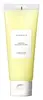
This smoothing exfoliator is formulated around Cellulose and Lactic Acid to refine skin texture and brighten dull-looking skin.

What's inside
What's inside
 Key Ingredients
Benefits
Concerns
Ingredients Side-by-side
Pyrus Malus Fruit Water
MaskingWater
Skin ConditioningCellulose
Absorbent
Butylene Glycol
Humectant

Steartrimonium Methosulfate
Carbomer
Emulsion StabilisingAnanas Sativus Fruit Extract
Skin ConditioningIsopropyl Alcohol
Solvent




1,2-Hexanediol
Skin Conditioning
Allantoin
Skin Conditioning


Ethylhexylglycerin
Skin ConditioningPaullinia Cupana Seed Extract
Skin ConditioningSophora Angustifolia Root Extract
Skin ConditioningCurcuma Longa Root Extract
Antioxidant

Citrus Paradisi Seed Oil
Perfuming

Polyglyceryl-4 Caprate
EmulsifyingBetaine Salicylate
Antimicrobial


Lactic Acid
Buffering




Pentylene Glycol
Skin Conditioning
Sodium Hyaluronate
Humectant
Aspalathus Linearis Extract
Skin ConditioningGlycyrrhiza Glabra Root Extract
Bleaching
Cucurbita Pepo Fruit Extract
Skin Conditioning
Citrus Paradisi Fruit Extract
Skin ConditioningDaucus Carota Sativa Root Extract
Skin Conditioning
Mangifera Indica Fruit Extract
Skin ConditioningMusa Sapientum Fruit Extract
Skin ConditioningCitrus Aurantium Dulcis Fruit Extract
MaskingCapsicum Annuum Fruit Extract
Antimicrobial
Yucca Schidigera Root Extract
Skin ConditioningCommiphora Abyssinica Resin Extract
Skin ConditioningPerilla Frutescens Leaf Extract
MaskingC12-14 Pareth-12
EmulsifyingCaprylyl Glycol
Emollient
Limonene
Perfuming
Pyrus Malus Fruit Water, Water, Cellulose, Butylene Glycol, Steartrimonium Methosulfate, Carbomer, Ananas Sativus Fruit Extract, Isopropyl Alcohol, 1,2-Hexanediol, Allantoin, Ethylhexylglycerin, Paullinia Cupana Seed Extract, Sophora Angustifolia Root Extract, Curcuma Longa Root Extract, Citrus Paradisi Seed Oil, Polyglyceryl-4 Caprate, Betaine Salicylate, Lactic Acid, Pentylene Glycol, Sodium Hyaluronate, Aspalathus Linearis Extract, Glycyrrhiza Glabra Root Extract, Cucurbita Pepo Fruit Extract, Citrus Paradisi Fruit Extract, Daucus Carota Sativa Root Extract, Mangifera Indica Fruit Extract, Musa Sapientum Fruit Extract, Citrus Aurantium Dulcis Fruit Extract, Capsicum Annuum Fruit Extract, Yucca Schidigera Root Extract, Commiphora Abyssinica Resin Extract, Perilla Frutescens Leaf Extract, C12-14 Pareth-12, Caprylyl Glycol, Limonene
Water
Skin ConditioningCellulose
Absorbent
Butylene Glycol
Humectant
Propylene Glycol
Humectant
Alcohol
Antimicrobial
1,2-Hexanediol
Skin Conditioning
Bromelain
Skin Conditioning
Ananas Sativus Fruit Extract
Skin ConditioningPapain
Skin Conditioning
Carica Papaya Fruit Extract
Skin ConditioningCitric Acid
Buffering
Lactic Acid
Buffering
Malic Acid
Buffering
Salicylic Acid
Masking
Tartaric Acid
Buffering
Glycolic Acid
Buffering
Zingiber Officinale Root Extract
Masking
Glycerin
Humectant
Rosa Centifolia Flower Extract
Astringent
Cocos Nucifera Fruit Extract
Emollient

Prunus Amygdalus Dulcis Oil
Skin Conditioning
Salix Alba Bark Extract
Astringent
Saccharum Officinarum Extract
MoisturisingAcer Saccharum Extract
Skin ConditioningCamellia Japonica Leaf Extract
Skin ConditioningCitrus Paradisi Seed Extract
Masking
Phellodendron Amurense Bark Extract
Skin ConditioningMannitol
Humectant
Psidium Guajava Leaf Extract
AstringentCamellia Sinensis Leaf Extract
Antimicrobial
Mangifera Indica Fruit Extract
Skin ConditioningMusa Sapientum Fruit Extract
Skin ConditioningPassiflora Edulis Fruit Extract
Skin ConditioningCitrus Aurantium Dulcis Fruit Extract
MaskingCitrus Limon Fruit Extract
Masking
Vaccinium Myrtillus Fruit Extract
Skin ConditioningMagnolia Officinalis Bark Extract
Antimicrobial
Sodium Hyaluronate
Humectant
Ethylhexylglycerin
Skin ConditioningGluconolactone
Chelating
Polysorbate 20
Emulsifying
Carbomer
Emulsion StabilisingTromethamine
BufferingPropanediol
Solvent
Disodium EDTA
ChelatingPhenoxyethanol
Preservative
Benzyl Alcohol
Perfuming
Parfum
Masking
Water, Cellulose, Butylene Glycol, Propylene Glycol, Alcohol, 1,2-Hexanediol, Bromelain, Ananas Sativus Fruit Extract, Papain, Carica Papaya Fruit Extract, Citric Acid, Lactic Acid, Malic Acid, Salicylic Acid, Tartaric Acid, Glycolic Acid, Zingiber Officinale Root Extract, Glycerin, Rosa Centifolia Flower Extract, Cocos Nucifera Fruit Extract, Prunus Amygdalus Dulcis Oil, Salix Alba Bark Extract, Saccharum Officinarum Extract, Acer Saccharum Extract, Camellia Japonica Leaf Extract, Citrus Paradisi Seed Extract, Phellodendron Amurense Bark Extract, Mannitol, Psidium Guajava Leaf Extract, Camellia Sinensis Leaf Extract, Mangifera Indica Fruit Extract, Musa Sapientum Fruit Extract, Passiflora Edulis Fruit Extract, Citrus Aurantium Dulcis Fruit Extract, Citrus Limon Fruit Extract, Vaccinium Myrtillus Fruit Extract, Magnolia Officinalis Bark Extract, Sodium Hyaluronate, Ethylhexylglycerin, Gluconolactone, Polysorbate 20, Carbomer, Tromethamine, Propanediol, Disodium EDTA, Phenoxyethanol, Benzyl Alcohol, Parfum
Reviews
Ingredients Explained
These ingredients are found in both products.
Ingredients higher up in an ingredient list are typically present in a larger amount.
1,2-Hexanediol is a synthetic liquid and another multi-functional powerhouse.
It is a:
- Humectant, drawing moisture into the skin
- Emollient, helping to soften skin
- Solvent, dispersing and stabilizing formulas
- Preservative booster, enhancing the antimicrobial activity of other preservatives
This extract comes from the pineapple fruit. Its main claim to fame is bromelain, a gentle exfoliator that helps remove dead skin cells from the outermost layer of skin.
Exfoliation from bromelain is considered a gentler alternative to physical or chemical exfoliants; this makes it suitable for sensitive skin types.
Beyond exfoliation, this extract also contains natural sugars with humectant properties and some vitamin C.
Overall, this is a well-tolerated and low-risk ingredient unless you have a pineapple allergy.
Learn more about Ananas Sativus Fruit ExtractButylene Glycol (or BG) is used within cosmetic products for a few different reasons:
Overall, Butylene Glycol is a safe and well-rounded ingredient that works well with other ingredients.
Though this ingredient works well with most skin types, some people with sensitive skin may experience a reaction such as allergic rashes, closed comedones, or itchiness.
Learn more about Butylene GlycolCarbomer is a synthetic thickening and gelling agent. It's basically the ingredient that gives a lot of serums, gels, creams, and sunscreens their smooth, non-sticky texture.
Although legally permitted at very high levels, carbomers are normally used at concentrations below 1%.
It also needs to be neutralized to actually thicken, and because it is a large molecule, it doesn't really penetrate the skin barrier.
Allergy-wise, the risk is very low. Clinical studies show carbomers have low potential for skin irritation/sensitization even at concentrations up to 100%.
A 2024 UK study patch-tested 1,302 patients and found true allergy to the parent group of carbomer to be rare with no confirmed relevant reactions.
Learn more about CarbomerCellulose is the main component of plant cell walls. It is used as an emulsifier, absorbent, and texture enhancer.
This ingredient has many functions:
Fun fact: Cellulose is the most abundant form of organic polymer on Earth.
Learn more about CelluloseCitrus Aurantium Dulcis Fruit Extract is more commonly known as the bitter orange. Native to Southeast Asia, this extract is commonly found in both cosmetics and foods.
The bitter orange possesses antibacterial and antioxidant properties.
It can also be mildly exfoliating due to the citric acid, an AHA.
Citrus fruits are rich in flavonoids, alkaloids, and vitamin C.
Learn more about Citrus Aurantium Dulcis Fruit ExtractEthylhexylglycerin is created from glycerin. It is a multitasker ingredient that:
The CIR Expert Panel found minimal skin absorption or sensitization of any kind in a safety assessment. Though this ingredient is considered well-tolerated, a small number of cases of allergic dermatitis have been published since 2002. Just be sure to patch test if you are unsure.
Industry-reported use ranges from 8% in rinse-off products and 2% in leave-on formulations.
Learn more about EthylhexylglycerinLactic Acid is another well-loved alpha hydroxy acid (AHA). It is gentler than glycolic acid but still highly effective.
Its main role is to exfoliate the surface of the skin by loosening the “glue” that holds dead skin cells together. Shedding those old cells leads to smoother, softer, and more even-toned skin.
Because lactic acid molecules are larger than glycolic acid, they don’t penetrate as deeply. This means they’re less likely to sting or irritate, making it a great choice for beginners or those with sensitive skin.
Like glycolic acid, it can:
Lactic acid also acts as a humectant (like hyaluronic acid). It can draw water into the skin to improve hydration and also plays a role in the skin's natural moisturizing factor (NMF) in the form of sodium lactate.
Studies show it can boost ceramide production to strengthen the skin barrier and even help balance the skin’s microbiome.
To get results, choose products with a pH between 3-4.
Lower strengths (5-12%) focus on surface exfoliation; higher strengths (12% and up) can reach deeper in the dermis (deeper, supportive layer) to improve skin texture and firmness over time.
Though it was originally derived from milk, most modern lactic acid used in skincare is vegan. It is made through non-dairy fermentation to create a bio-identical and stable form suitable for all formulations.
When lactic acid shows up near the end of an ingredient list, it usually means the brand added just a tiny amount to adjust the product’s pH.
Legend has it that Cleopatra used to bathe in sour milk to help reduce wrinkles.
Lactic acid is truly a gentle multitasker: it exfoliates, hydrates, strengthens, and brightens. It's a great ingredient for giving your skin a smooth, glowing, and healthy look without the harshness of stronger acids.
Read more about some other popular AHA's here:
Learn more about Lactic AcidWe don't have a description for Mangifera Indica Fruit Extract yet.
This ingredient is also known as banana fruit extract. It has moisturizing and antioxidant properties.
Bananas are nutrient rich in vitamins A, B, C, E, and minerals like magnesium.
Early studies suggest it may also help reduce hyperpigmentation by interrupting certain skin processes but more research is needed.
Learn more about Musa Sapientum Fruit ExtractSodium Hyaluronate is the salt form of hyaluronic acid. It is a long sugar chain that is naturally found in your skin, joints, and connective tissue that maintains hydration and elasticity.
In skincare, it works as a humectant. It pulls water from the environment and deeper layers of skin and binds it to the surface.
Interestingly, the size of the molecule affects its behavior:
Some clinical evidence links low molecular weight versions to improved wrinkle depth, elasticity, anti-inflammatory effects, and barrier repair.
Many serums use a blend of both weights so you can get surface hydration plus longer-lasting and deeper effects.
You'll typically see concentrations between 0.1-2% for this ingredient.
Learn more about Sodium HyaluronateWater. It's the most common cosmetic ingredient of all. You'll usually see it at the top of ingredient lists, meaning that it makes up the largest part of the product.
So why is it so popular? Water most often acts as a solvent - this means that it helps dissolve other ingredients into the formulation.
You'll also recognize water as that liquid we all need to stay alive. If you see this, drink a glass of water. Remember to stay hydrated!
Learn more about Water

