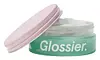
This moisturizer is formulated around Orbignya Oleifera Seed Oil to hydrate skin.
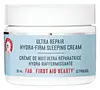
This anti-aging night moisturizer is formulated around Butyrospermum Parkii Butter and Niacinamide to soften the look of wrinkles and hydrate skin.

What's inside
What's inside
 Key Ingredients
Benefits
Concerns
Ingredients Side-by-side
Water
Skin ConditioningPhytosteryl/Isostearyl/Cetyl/Stearyl/Behenyl Dimer Dilinoleate
Skin Conditioning

Orbignya Oleifera Seed Oil
Emollient

Glycerin
Humectant

Phytosteryl/Behenyl/Octyldodecyl Lauroyl Glutamate
Skin ConditioningTheobroma Grandiflorum Seed Butter
Skin Conditioning
Cetearyl Olivate
Glyceryl Stearate
Emollient
Cetearyl Alcohol
Emollient




1,2-Hexanediol
Skin Conditioning
Lactobacillus Ferment Lysate Filtrate
Skin ConditioningSorbitan Olivate
Emulsifying
Ethyl Linoleate
Emollient

Inulin Lauryl Carbamate
Emulsion StabilisingChlorella Vulgaris Extract
Skin ConditioningLeuconostoc/Radish Root Ferment Filtrate
Antimicrobial
Tocopherol
Antioxidant





Arginine
Masking
Sclerotium Gum
Emulsion StabilisingPropanediol
Solvent
Sorbitan Isostearate
Emulsifying
Lactic Acid
Buffering




Dimethicone
Emollient
Hydroxyethyl Acrylate/Sodium Acryloyldimethyl Taurate Copolymer
Emulsion StabilisingHydroxyacetophenone
Antioxidant
Water, Phytosteryl/Isostearyl/Cetyl/Stearyl/Behenyl Dimer Dilinoleate, Orbignya Oleifera Seed Oil, Glycerin, Phytosteryl/Behenyl/Octyldodecyl Lauroyl Glutamate, Theobroma Grandiflorum Seed Butter, Cetearyl Olivate, Glyceryl Stearate, Cetearyl Alcohol, 1,2-Hexanediol, Lactobacillus Ferment Lysate Filtrate, Sorbitan Olivate, Ethyl Linoleate, Inulin Lauryl Carbamate, Chlorella Vulgaris Extract, Leuconostoc/Radish Root Ferment Filtrate, Tocopherol, Arginine, Sclerotium Gum, Propanediol, Sorbitan Isostearate, Lactic Acid, Dimethicone, Hydroxyethyl Acrylate/Sodium Acryloyldimethyl Taurate Copolymer, Hydroxyacetophenone
Water
Skin ConditioningGlycerin
Humectant
Caprylic/Capric Triglyceride
Masking
Butyrospermum Parkii Butter
Skin Conditioning
Dimethicone
Emollient
Glyceryl Stearate
Emollient
C10-18 Triglycerides
Emollient
Ethylhexyl Palmitate
Emollient
Lactobacillus Ferment
Skin Conditioning
Jojoba Esters
Emollient
Cetyl Alcohol
Emollient
Niacinamide
Smoothing


Spilanthes Acmella Flower Extract
Skin ConditioningHelianthus Annuus Seed Cera
Emollient
Acacia Decurrens Flower Cera
Emollient
Algae Extract
Emollient
Palmitoyl Tripeptide-38
Skin Conditioning
Sodium Hyaluronate
Humectant
Avena Sativa Kernel Flour
Abrasive
Palmitoyl Hexapeptide-12
Skin Conditioning
Palmitoyl Tetrapeptide-7
Skin Conditioning
Camellia Sinensis Leaf Extract
Antimicrobial
Chrysanthemum Parthenium Extract
Skin ConditioningGlycyrrhiza Glabra Root Extract
Bleaching
Hydroxypropyl Cyclodextrin
MaskingSodium Lactate
Buffering
Butylene Glycol
Humectant
PEG-75 Stearate
Surfactant
Acrylates/C10-30 Alkyl Acrylate Crosspolymer
Emulsion StabilisingCeteth-20
CleansingSteareth-20
CleansingPolyglycerin-3
Humectant
Carbomer
Emulsion StabilisingPolysorbate 20
Emulsifying
Phenoxyethanol
Preservative
Xanthan Gum
EmulsifyingTetrasodium EDTA
ChelatingSodium Hydroxide
BufferingWater, Glycerin, Caprylic/Capric Triglyceride, Butyrospermum Parkii Butter, Dimethicone, Glyceryl Stearate, C10-18 Triglycerides, Ethylhexyl Palmitate, Lactobacillus Ferment, Jojoba Esters, Cetyl Alcohol, Niacinamide, Spilanthes Acmella Flower Extract, Helianthus Annuus Seed Cera, Acacia Decurrens Flower Cera, Algae Extract, Palmitoyl Tripeptide-38, Sodium Hyaluronate, Avena Sativa Kernel Flour, Palmitoyl Hexapeptide-12, Palmitoyl Tetrapeptide-7, Camellia Sinensis Leaf Extract, Chrysanthemum Parthenium Extract, Glycyrrhiza Glabra Root Extract, Hydroxypropyl Cyclodextrin, Sodium Lactate, Butylene Glycol, PEG-75 Stearate, Acrylates/C10-30 Alkyl Acrylate Crosspolymer, Ceteth-20, Steareth-20, Polyglycerin-3, Carbomer, Polysorbate 20, Phenoxyethanol, Xanthan Gum, Tetrasodium EDTA, Sodium Hydroxide
Reviews
Ingredients Explained
These ingredients are found in both products.
Ingredients higher up in an ingredient list are typically present in a larger amount.
Dimethicone is a type of synthetic silicone created from natural materials such as quartz. It is also known as polydimethylsiloxane.
What it does:
Dimethicone comes in different viscosities:
Depending on the viscosity, dimethicone has different properties.
Ingredients lists don't always show which type is used, so we recommend reaching out to the brand if you have questions about the viscosity.
This ingredient is unlikely to cause irritation because it does not get absorbed into skin. However, people with silicone allergies should be careful about using this ingredient.
Note: Dimethicone may contribute to pilling. This is because it is not oil or water soluble, so pilling may occur when layered with products. When mixed with heavy oils in a formula, the outcome is also quite greasy.
Learn more about DimethiconeGlycerin (or glycerol) is a compound naturally found in your skin. It's a powerhouse humectant that pulls water into the stratum corneum.
Topically, glycerin does several things at once:
Your skin makes glycerin on its own (mostly from sebaceous oil breakdown) and shuttles it to your outermost layer of skin, or your epidermis, via aquaporin-3.
Aquaporin-3 is a transporter that is essential for normal skin hydration, elasticity, and repair. Interestingly, mice lacking in AQP3 have dry and less elastic skin that can be fully corrected with glycerin.
This ingredient is non-irritating, plays well with almost every ingredient, and works across all skin types. Typical use is anywhere between 3-10% but can go up to 79% in some leave-on products.
Just know very high concentrations (>40%) can feel tacky in low humidity.
Glycerin is the name for this ingredient in American English. British English uses Glycerol/Glycerine.
Learn more about GlycerinGlyceryl Stearate is made by reacting glycerin with stearic acid (typically sourced from plant oils like palm or coconut). It's an emulsifier, emollient, and mild occlusive.
Emulsifiers help ingredients like oil and water stay mixed so your formula stays nicely blended and uniform in texture.
This ingredient is typically used in concentrations between 1-10%. Studies have found it to be non-sensitizing, non-phototoxic, and non-photoallergenic.
A close cousin of this ingredient is Glyceryl Stearate SE ("self-emulsifying"). This just has a small amount of sodium or potassium stearate added so it can emulsify without a co-emulsifier.
Since this ingredient is an ester of a C18 fatty acid, it may not be fungal acne safe. The Malassezia yeast can potentially metabolize within the C11-C24 range.
Fun fact: The human body also creates Glyceryl Stearate naturally.
Learn more about Glyceryl StearateWater. It's the most common cosmetic ingredient of all. You'll usually see it at the top of ingredient lists, meaning that it makes up the largest part of the product.
So why is it so popular? Water most often acts as a solvent - this means that it helps dissolve other ingredients into the formulation.
You'll also recognize water as that liquid we all need to stay alive. If you see this, drink a glass of water. Remember to stay hydrated!
Learn more about Water

