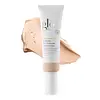
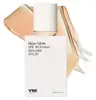
Glo Skin Beauty C-Shield Anti-Pollution Moisture Tint SPF 30 Versus YSE Beauty Skin Glow SPF 30 Primer

What's inside
What's inside
 Key Ingredients
Benefits
Concerns
Ingredients Side-by-side
Butyl Methoxydibenzoylmethane 3%
UV Absorber
Ethylhexyl Salicylate 5%
UV Absorber
Zinc Oxide 21.3%
Cosmetic Colorant
Water
Skin ConditioningSqualane
Emollient


Isoeicosane
EmollientDimethicone
Emollient

Glycerin
Humectant
Cetyl Dimethicone
Emollient
Silica
Abrasive

Sorbitan Sesquioleate
Emulsifying

Tocopheryl Acetate
Antioxidant


Triethoxycaprylylsilane
Hydroxyethyl Acrylate/Sodium Acryloyldimethyl Taurate Copolymer
Emulsion StabilisingIsohexadecane
EmollientPolysorbate 60
Emulsifying
Phenoxyethanol
Preservative
Caprylyl Glycol
Emollient
Hexylene Glycol
EmulsifyingEthylhexylglycerin
Skin ConditioningBisabolol
Antioxidant

Chamomilla Recutita Flower Extract
Masking
Citric Acid
Buffering
Tetrahexyldecyl Ascorbate
Antioxidant

Titanium Dioxide
Cosmetic Colorant
Iron Oxides
Butyl Methoxydibenzoylmethane 3%, Ethylhexyl Salicylate 5%, Zinc Oxide 21.3%, Water, Squalane, Isoeicosane, Dimethicone, Glycerin, Cetyl Dimethicone, Silica, Sorbitan Sesquioleate, Tocopheryl Acetate, Triethoxycaprylylsilane, Hydroxyethyl Acrylate/Sodium Acryloyldimethyl Taurate Copolymer, Isohexadecane, Polysorbate 60, Phenoxyethanol, Caprylyl Glycol, Hexylene Glycol, Ethylhexylglycerin, Bisabolol, Chamomilla Recutita Flower Extract, Citric Acid, Tetrahexyldecyl Ascorbate, Titanium Dioxide, Iron Oxides
Water
Skin ConditioningPropanediol
Solvent
Butyloctyl Salicylate
Skin Conditioning
Cetearyl Alcohol
Emollient



Polymethylsilsesquioxane
Dimethicone
Emollient
Dicaprylyl Carbonate
EmollientCI 77163
Cosmetic Colorant
Glyceryl Stearate
Emollient
Jojoba Esters
Emollient
Sodium Stearoyl Glutamate
CleansingPhenoxyethanol
Preservative
Dimethicone Crosspolymer
Emulsion Stabilising
Mica
Cosmetic ColorantEthylhexyl Hydroxystearate
Emollient
Xanthan Gum
EmulsifyingIron Oxides
Helianthus Annuus Seed Wax
Skin Conditioning
Oryza Sativa Bran Extract
Skin Conditioning
Chlorphenesin
Antimicrobial
Acrylates/C10-30 Alkyl Acrylate Crosspolymer
Emulsion StabilisingCaprylyl Glycol
Emollient
Niacinamide
Smoothing


CI 77891
Cosmetic ColorantEthylhexylglycerin
Skin ConditioningHexylene Glycol
EmulsifyingStearyl Glycyrrhetinate
Skin ConditioningTetrasodium Glutamate Diacetate
ChelatingHelianthus Annuus Extract
Emollient
Sucrose
Humectant
Glycyrrhiza Glabra Root Extract
Bleaching
Sodium Hydroxide
BufferingPolyglycerin-3
Humectant
Tocopherol
Antioxidant
Rosmarinus Officinalis Leaf Extract
AntimicrobialSpirulina Maxima Extract
SmoothingSodium Hyaluronate
Humectant
Lecithin
Emollient
Butyl Methoxydibenzoylmethane
UV Absorber
Homosalate
Skin Conditioning
Ethylhexyl Salicylate
UV Absorber
Octocrylene
UV Absorber
Water, Propanediol, Butyloctyl Salicylate, Cetearyl Alcohol, Polymethylsilsesquioxane, Dimethicone, Dicaprylyl Carbonate, CI 77163, Glyceryl Stearate, Jojoba Esters, Sodium Stearoyl Glutamate, Phenoxyethanol, Dimethicone Crosspolymer, Mica, Ethylhexyl Hydroxystearate, Xanthan Gum, Iron Oxides, Helianthus Annuus Seed Wax, Oryza Sativa Bran Extract, Chlorphenesin, Acrylates/C10-30 Alkyl Acrylate Crosspolymer, Caprylyl Glycol, Niacinamide, CI 77891, Ethylhexylglycerin, Hexylene Glycol, Stearyl Glycyrrhetinate, Tetrasodium Glutamate Diacetate, Helianthus Annuus Extract, Sucrose, Glycyrrhiza Glabra Root Extract, Sodium Hydroxide, Polyglycerin-3, Tocopherol, Rosmarinus Officinalis Leaf Extract, Spirulina Maxima Extract, Sodium Hyaluronate, Lecithin, Butyl Methoxydibenzoylmethane, Homosalate, Ethylhexyl Salicylate, Octocrylene
Ingredients Explained
These ingredients are found in both products.
Ingredients higher up in an ingredient list are typically present in a larger amount.
Also known as Avobenzone, this ingredient is an oil-soluble used to absorb the full spectrum of UVA rays (peak 357 nm).
It's one of the most effective UVA filters available but has a major caveat of photostability: avobenzone is susceptible to photodegradation.
This means it can lose efficacy when exposed to sunlight without the help of a stabilizing agent.
Studies show antioxidants (like vitamin E or vitamin C) and some UV filters (like octocrylene and Tinosorb S) can meaningfully improve its stability in a formulation.
The maximum allowable concentration according to regulation is 3% in the US + Canada, and 5% in the EU, Australia, China, Korea, and ASEAN countries.
It has a well-support safety profile: a comprehensive 2025 review found minimal toxicity with no evidence of carcinogenicity.
Overall, avobenzone is a safe and regulated ingredient used in sunscreen for over 40 years.
Learn more about Butyl MethoxydibenzoylmethaneCaprylyl Glycol is a humectant, skin conditioner, emollient, and preservative booster derived from either caprylic acid or synthetically created.
Typical use levels vary from 0.3-1% as a preservative booster and go up to 2% to condition skin.
Because it is not a free-fatty acid, this ingredient is fungal acne safe (there's nothing for Malassezia to feed on).
Learn more about Caprylyl GlycolDimethicone is a type of synthetic silicone created from natural materials such as quartz. It is also known as polydimethylsiloxane.
What it does:
Dimethicone comes in different viscosities:
Depending on the viscosity, dimethicone has different properties.
Ingredients lists don't always show which type is used, so we recommend reaching out to the brand if you have questions about the viscosity.
This ingredient is unlikely to cause irritation because it does not get absorbed into skin. However, people with silicone allergies should be careful about using this ingredient.
Note: Dimethicone may contribute to pilling. This is because it is not oil or water soluble, so pilling may occur when layered with products. When mixed with heavy oils in a formula, the outcome is also quite greasy.
Learn more about DimethiconeEthylhexyl Salicylate (also called Octisalate or Octyl Salicylate) is an oil-soluble organic UV filter that's been used in sunscreen since the 1950's.
It absorbs UVB light in the 280-320 nm range with a peak absorbance around 306 nm.
You'll often see it paired with other UV filters to boost overall SPF because octisalate is a fairly week filter on its own.
The reason you'll see it so often is because it can help solubilize and stabilize the trickier filters like oxybenzone and avobenzone.
Unlike these filters, octisalate has pretty good photostability and doesn't create skin-damaging free radicals when exposed to sunlight.
The fatty-alcohol part of the molecule also gives it a light, emollient feel so it doubles as a nice texture enhancer.
Usage levels vary around the world:
Safety-wise, this ingredient has a pretty reassuring track record. The EU's Scientific Committee on Consumer Products (SCCP) found very low skin penetration in human skin tests and negative results for irritation, phototoxicity, and photoallergy.
The real-world allergy risk is pretty low too; a 2012 European study of 1,031 people recorded only 2 reactions to it (a rate of 0.19%).
You might have seen scary headlines about sunscreen getting into your blood.
In 2019, the FDA found that several chemical filters can absorb through the skin and show up in the bloodstream at small but measurable levels.
Here's the important part: these tiny levels are just a cutoff the FDA uses to decide which ingredients need more testing and doesn't mean anything harmful was found.
The researchers were clear that the results are no reason to stop wearing sunscreen.
Learn more about Ethylhexyl SalicylateEthylhexylglycerin is created from glycerin. It is a multitasker ingredient that:
The CIR Expert Panel found minimal skin absorption or sensitization of any kind in a safety assessment. Though this ingredient is considered well-tolerated, a small number of cases of allergic dermatitis have been published since 2002. Just be sure to patch test if you are unsure.
Industry-reported use ranges from 8% in rinse-off products and 2% in leave-on formulations.
Learn more about EthylhexylglycerinHexylene Glycol is a multitasker ingredient that works as a solvent, humectant, emulsifier, viscosity reducer, and preservative booster.
It is able to dissolve both water and oil-soluble ingredients to stabilize tricky actives and make products spread more easily.
As a humectant, it pulls water into the skin. But it's a pretty minor moisturizing ingredient compared to other humectants, like glycerin.
Interestingly, it can act as a mild penetration enhancer. One in vitro study on human skin found a 12% concentration upped the absorption of mometasone furoate (a medicinal ingredient used to treat inflammatory skin conditions) up to 7%.
This ingredient is typically used at levels of 0.1-10% depending on the role it's playing.
A patch test study on eczema patients didn't find a significant increase in irritation versus the control group, but the potential for irritation rises at higher concentrations.
Learn more about Hexylene GlycolPhenoxyethanol is one of the most widely used preservatives in skincare (and for good reason!).
It has a large spectrum of antimicrobial activity and especially effective bacteria, yeast, and mold while only having a weak effect on your skin's natural microbiome.
On a cellular level, it disrupts the cell membranes of microbes by poking holes that make the cell leak. This shuts down the chemical reactions the microbe needs to make energy so it can no longer survive.
Another perk of this ingredient is that it stays functional across a wide pH range (3-10).
You'll often see it paired with boosters like Ethylhexylglycerin; one study showed that a 1:9 ratio of Ethylhexylglycerin to Phenoxyethanol damages bacterial membranes as effectively as doubling the Phenoxyethanol concentration on its own.
Typical use concentrations range from 0.3-1% depending on the formula, and this ingredient is capped at 1% int the EU.
Safety-wise, the fear mongering does not hold up to the evidence. The EU's Scientific Committee on Consumer Safety and FDA consider it safe as a preservative at up to 1%, including for children of all ages.
Adverse systemic effects only showed up in animal studies at exposures roughly 200x higher than what people get from cosmetics. And despite its very widespread use, this ingredient is a rare sensitizer and allergic reactions are uncommon.
Learn more about PhenoxyethanolWater. It's the most common cosmetic ingredient of all. You'll usually see it at the top of ingredient lists, meaning that it makes up the largest part of the product.
So why is it so popular? Water most often acts as a solvent - this means that it helps dissolve other ingredients into the formulation.
You'll also recognize water as that liquid we all need to stay alive. If you see this, drink a glass of water. Remember to stay hydrated!
Learn more about WaterThis ingredient is a combination of red, black, and yellow iron oxide pigments. This combination of colors is usually found in foundation, because it results in a "skin" color.
The EU typically uses CI numbers for colorants when applicable, such as CI 77489. In the US, iron oxides are regulated as color additives and "iron oxides" is the most commonly used name in US cosmetic practice.
A 2021 paper looked at skincare formulations containing iron oxides and found that they reduced transmission of blue light when measured optically. In simple terms, the pigment particles helped block or scatter part of the visible light spectrum in lab testing and the authors suggest this could translate into better protection against blue-light-related skin effects.
There is also clinical and experimental research showing that tinted products containing iron oxides can reduce visible light-induced pigmentation:
Please note, whether a product reduces visible or blue light depends on things like:
In the EU's CosIng database, iron oxides are only listed as a colorant. CosIng groups ingredients by their main cosmetic role, such as colorant, preservative, or UV filter.
Though studies say iron oxides can "attenuate blue light", they're describing an optical property and not an officially recognized cosmetic function.
So CosIng isn’t contradicting the research. It’s just classifying iron oxides by what they officially are: pigments that add color.
Learn more about Iron Oxides

