Garnier Hyalu-Melon Replumping Serum Cream SPF 30 Versus Lancôme Bienfait Multi-Vital SPF 30 Day Cream
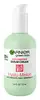
This anti-aging day moisturizer is formulated around Citrullus Lanatus Fruit Extract and Sodium Hyaluronate to soften the look of wrinkles and hydrate skin.
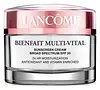
This brightening day moisturizer is formulated around Tocopheryl Acetate and Ascorbyl Glucoside to brighten dull-looking skin.

What's inside
What's inside
 Key Ingredients
Benefits
Concerns
Ingredients Side-by-side
Butyl Methoxydibenzoylmethane 3%
UV Absorber
Homosalate 5%
Skin Conditioning
Ethylhexyl Salicylate 5%
UV Absorber
Octocrylene 7.2%
UV Absorber

Water
Skin ConditioningGlycerin
Humectant


Dimethicone
Emollient
PEG-100 Stearate
Surfactant

Glyceryl Stearate
Emollient
Silica
Abrasive


Citrullus Lanatus Fruit Extract
Skin Conditioning
Dicaprylyl Carbonate
EmollientSteareth-100
Gel FormingStearic Acid
Cleansing
Dimethicone/Vinyl Dimethicone Crosspolymer
Skin Conditioning
Sodium Hyaluronate
Humectant


Sodium Hydroxide
BufferingMyristic Acid
Cleansing
Palmitic Acid
Emollient
Ammonium Polyacryloyldimethyl Taurate
Emulsion StabilisingDisodium EDTA
ChelatingCapryloyl Salicylic Acid
Exfoliating

Caprylyl Glycol
Emollient
Xanthan Gum
EmulsifyingTocopherol
Antioxidant


Phenoxyethanol
Preservative
Parfum
Masking

Fish Oil
Skin Conditioning
Butyl Methoxydibenzoylmethane 3%, Homosalate 5%, Ethylhexyl Salicylate 5%, Octocrylene 7.2%, Water, Glycerin, Dimethicone, PEG-100 Stearate, Glyceryl Stearate, Silica, Citrullus Lanatus Fruit Extract, Dicaprylyl Carbonate, Steareth-100, Stearic Acid, Dimethicone/Vinyl Dimethicone Crosspolymer, Sodium Hyaluronate, Sodium Hydroxide, Myristic Acid, Palmitic Acid, Ammonium Polyacryloyldimethyl Taurate, Disodium EDTA, Capryloyl Salicylic Acid, Caprylyl Glycol, Xanthan Gum, Tocopherol, Phenoxyethanol, Parfum, Fish Oil
Water
Skin ConditioningDimethicone
Emollient
Glycerin
Humectant
Alcohol Denat.
Antimicrobial

Vp/Eicosene Copolymer
Hydrogenated Polyisobutene
EmollientAluminum Starch Octenylsuccinate
Absorbent
Sucrose Stearate
EmollientSilica
Abrasive
Poly C10-30 Alkyl Acrylate
Emulsion StabilisingRibes Nigrum Seed Oil
Emollient
Tocopheryl Acetate
Antioxidant
Ascorbyl Glucoside
Antioxidant
Sodium Polyacrylate
Absorbent
Sodium Hydroxide
BufferingHydroxycitronellal
Perfuming
Hydroxyisohexyl 3-Cyclohexene Carboxaldehyde
Masking
Phenoxyethanol
Preservative
Stearic Acid
Cleansing
Thermus Thermophillus Ferment
Skin ConditioningEugenol
Perfuming
Ethylparaben
Preservative
Triethanolamine
BufferingPalmitic Acid
Emollient
Helianthus Annuus Seed Oil
Emollient
Dimethiconol
Emollient
Panthenol
Skin Conditioning
Xanthan Gum
EmulsifyingBenzyl Salicylate
Perfuming
Benzyl Alcohol
Perfuming
Linalool
Perfuming
Oxothiazolidinecarboxylic Acid
Skin ConditioningCaprylyl Glycol
Emollient
Alpha-Isomethyl Ionone
Perfuming
Acrylates/C10-30 Alkyl Acrylate Crosspolymer
Emulsion StabilisingGeraniol
Perfuming
Moringa Oleifera Seed Extract
Skin Conditioning
Disodium EDTA
ChelatingCastanea Sativa Seed Extract
Skin ConditioningRosa Canina Fruit Oil
Emollient
Methylparaben
Preservative
Citronellol
Perfuming
Hexyldecanol
Emollient
Hexyldecyl Laurate
EmollientHexyl Cinnamal
Perfuming
Parfum
Masking
Water, Dimethicone, Glycerin, Alcohol Denat., Vp/Eicosene Copolymer, Hydrogenated Polyisobutene, Aluminum Starch Octenylsuccinate, Sucrose Stearate, Silica, Poly C10-30 Alkyl Acrylate, Ribes Nigrum Seed Oil, Tocopheryl Acetate, Ascorbyl Glucoside, Sodium Polyacrylate, Sodium Hydroxide, Hydroxycitronellal, Hydroxyisohexyl 3-Cyclohexene Carboxaldehyde, Phenoxyethanol, Stearic Acid, Thermus Thermophillus Ferment, Eugenol, Ethylparaben, Triethanolamine, Palmitic Acid, Helianthus Annuus Seed Oil, Dimethiconol, Panthenol, Xanthan Gum, Benzyl Salicylate, Benzyl Alcohol, Linalool, Oxothiazolidinecarboxylic Acid, Caprylyl Glycol, Alpha-Isomethyl Ionone, Acrylates/C10-30 Alkyl Acrylate Crosspolymer, Geraniol, Moringa Oleifera Seed Extract, Disodium EDTA, Castanea Sativa Seed Extract, Rosa Canina Fruit Oil, Methylparaben, Citronellol, Hexyldecanol, Hexyldecyl Laurate, Hexyl Cinnamal, Parfum
Ingredients Explained
These ingredients are found in both products.
Ingredients higher up in an ingredient list are typically present in a larger amount.
Caprylyl Glycol is a humectant, skin conditioner, emollient, and preservative booster derived from either caprylic acid or synthetically created.
Typical use levels vary from 0.3-1% as a preservative booster and go up to 2% to condition skin.
Because it is not a free-fatty acid, this ingredient is fungal acne safe (there's nothing for Malassezia to feed on).
Learn more about Caprylyl GlycolDimethicone is a type of synthetic silicone created from natural materials such as quartz. It is also known as polydimethylsiloxane.
What it does:
Dimethicone comes in different viscosities:
Depending on the viscosity, dimethicone has different properties.
Ingredients lists don't always show which type is used, so we recommend reaching out to the brand if you have questions about the viscosity.
This ingredient is unlikely to cause irritation because it does not get absorbed into skin. However, people with silicone allergies should be careful about using this ingredient.
Note: Dimethicone may contribute to pilling. This is because it is not oil or water soluble, so pilling may occur when layered with products. When mixed with heavy oils in a formula, the outcome is also quite greasy.
Learn more about DimethiconeDisodium EDTA is a chelating agent. It grabs onto and deactivates metal ions that sneak into your products from water, packaging, or air.
This ingredient mainly works behind the scenes and helps with:
On top of that, this ingredient can counteract the effects of hard water by binding to the minerals in it.
One thing worth knowing is that Disodium EDTA has been shown to be a mild penetration enhancer. It can help other ingredients absorb into skin more effectively which can be a double-edged sword (great for actives, but can also make the active too strong if you have sensitive skin).
Clinical patch testing showed no significant skin irritation at typical use concentrations and minimal dermal absorption.
You'll most likely see this ingredient near the end of an ingredient list. It's typically found in concentrations less than 1%.
Learn more about Disodium EDTAGlycerin (or glycerol) is a compound naturally found in your skin. It's a powerhouse humectant that pulls water into the stratum corneum.
Topically, glycerin does several things at once:
Your skin makes glycerin on its own (mostly from sebaceous oil breakdown) and shuttles it to your outermost layer of skin, or your epidermis, via aquaporin-3.
Aquaporin-3 is a transporter that is essential for normal skin hydration, elasticity, and repair. Interestingly, mice lacking in AQP3 have dry and less elastic skin that can be fully corrected with glycerin.
This ingredient is non-irritating, plays well with almost every ingredient, and works across all skin types. Typical use is anywhere between 3-10% but can go up to 79% in some leave-on products.
Just know very high concentrations (>40%) can feel tacky in low humidity.
Glycerin is the name for this ingredient in American English. British English uses Glycerol/Glycerine.
Learn more about GlycerinPalmitic Acid is a fatty acid naturally found in our skin and in many plant and animal sources.
In cosmetics, it is usually derived from palm oil. It serves many purposes in skincare, acting as a cleanser, emollient, and emulsifier.
Interestingly, topically applied Palmitic Acid can be elongated into longer chain fatty acids and ceramides. A 2019 study found low levels of Palmitic Acid lead to slower development of cells, suggesting it plays a role in keeping your skin's renewal process on track.
The CIR (Cosmetic Ingredient Review) panel determined it safe as used in cosmetics at concentrations up to 13%. It is non-irritating and non-sensitizing in clinical studies.
The culprit behind fungal acne, the Malassezia yeast, feeds on fatty acids with carbon chain lengths between C11-C24. Palmitic Acid, at C16, falls right into that sweet spot.
In vitro studies have shown that Palmitic Acid is one of the fatty acids that induce rapid Malassezia growth in lab settings.
It's worth noting that what feeds yeast in a lab doesn't necessarily feed it on your face since formulation and your skin's chemistry play a bigger role.
Learn more about Palmitic AcidParfum is a catch-all term for an ingredient or more that is used to give a scent to products.
Also called "fragrance", this ingredient can be a blend of hundreds of chemicals or plant oils. This means every product with "fragrance" or "parfum" in the ingredients list is a different mixture.
For instance, Habanolide is a proprietary trade name for a specific aroma chemical. When used as a fragrance ingredient in cosmetics, most aroma chemicals fall under the broad labeling category of “FRAGRANCE” or “PARFUM” according to EU and US regulations.
The term 'parfum' or 'fragrance' is not regulated in many countries. In many cases, it is up to the brand to define this term.
For instance, many brands choose to label themselves as "fragrance-free" because they are not using synthetic fragrances. However, their products may still contain ingredients such as essential oils that are considered a fragrance by INCI standards.
One example is Calendula flower extract. Calendula is an essential oil that still imparts a scent or 'fragrance'.
Depending on the blend, the ingredients in the mixture can cause allergies and sensitivities on the skin. Some ingredients that are known EU allergens include linalool and citronellol.
Parfum can also be used to mask or cover an unpleasant scent.
The bottom line is: not all fragrances/parfum/ingredients are created equally. If you are worried about fragrances, we recommend taking a closer look at an ingredient. And of course, we always recommend speaking with a professional.
Learn more about ParfumPhenoxyethanol is one of the most widely used preservatives in skincare (and for good reason!).
It has a large spectrum of antimicrobial activity and especially effective bacteria, yeast, and mold while only having a weak effect on your skin's natural microbiome.
On a cellular level, it disrupts the cell membranes of microbes by poking holes that make the cell leak. This shuts down the chemical reactions the microbe needs to make energy so it can no longer survive.
Another perk of this ingredient is that it stays functional across a wide pH range (3-10).
You'll often see it paired with boosters like Ethylhexylglycerin; one study showed that a 1:9 ratio of Ethylhexylglycerin to Phenoxyethanol damages bacterial membranes as effectively as doubling the Phenoxyethanol concentration on its own.
Typical use concentrations range from 0.3-1% depending on the formula, and this ingredient is capped at 1% int the EU.
Safety-wise, the fear mongering does not hold up to the evidence. The EU's Scientific Committee on Consumer Safety and FDA consider it safe as a preservative at up to 1%, including for children of all ages.
Adverse systemic effects only showed up in animal studies at exposures roughly 200x higher than what people get from cosmetics. And despite its very widespread use, this ingredient is a rare sensitizer and allergic reactions are uncommon.
Learn more about PhenoxyethanolSilica, also known as silicon dioxide, is a naturally occurring mineral. It is used as a fine, spherical, and porous powder in cosmetics.
Though it has exfoliant properties, the function of silica varies depending on the product.
The unique structure of silica enhances the spreadability and adds smoothness, making it a great texture enhancer.
It is also used as an active carrier, emulsifier, and mattifier due to its ability to absorb excess oil.
In some products, tiny microneedles called spicules are made from silica or hydrolyzed sponge. When you rub them in, they lightly polish away dead skin layers and enhance the penetration of active ingredients.
Learn more about SilicaSodium Hydroxide is also known as lye or caustic soda. It is used to adjust the pH of products; many ingredients require a specific pH to be effective.
In small amounts, sodium hydroxide is considered safe to use. However, large amounts may cause chemical burns due to its high alkaline.
Your skin has a natural pH and acid mantle. This acid mantle helps prevent harmful bacteria from breaking through. The acid mantle also helps keep your skin hydrated.
"Alkaline" refers to a high pH level. A low pH level would be considered acidic.
Learn more about Sodium HydroxideStearic Acid is a fatty acid that is already found in your skin. It's one of the free fatty acids that works alongside ceramides and cholesterols to maintain your barrier.
In cosmetics, it is a multitasker:
Safety-wise, the CIR Expert Panel has concluded it to be safe in cosmetics when formulated to be non-irritating and non-sensitizing.
Free stearic acid is a C18 fatty acid that the Malassezia yeast can substrate, so this ingredient may not be fungal acne safe.
Learn more about Stearic AcidWater. It's the most common cosmetic ingredient of all. You'll usually see it at the top of ingredient lists, meaning that it makes up the largest part of the product.
So why is it so popular? Water most often acts as a solvent - this means that it helps dissolve other ingredients into the formulation.
You'll also recognize water as that liquid we all need to stay alive. If you see this, drink a glass of water. Remember to stay hydrated!
Learn more about WaterXanthan gum is used as a stabilizer and thickener within cosmetic products. It helps give products a sticky, thick feeling - preventing them from being too runny.
On the technical side of things, xanthan gum is a polysaccharide - a combination consisting of multiple sugar molecules bonded together.
Xanthan gum is a pretty common and great ingredient. It is a natural, non-toxic, non-irritating ingredient that is also commonly used in food products.
Learn more about Xanthan Gum

