

What's inside
What's inside
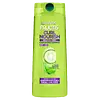 Key Ingredients
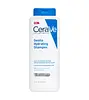
Benefits
Concerns
Ingredients Side-by-side
Water
Skin ConditioningCocamidopropyl Betaine
Cleansing



Disodium Laureth Sulfosuccinate
CleansingSodium Lauryl Sulfoacetate
CleansingSodium Lauroyl Sarcosinate
CleansingDecyl Glucoside
Cleansing
Glycol Distearate
Emollient
Sodium Chloride
MaskingParfum
Masking

Polyquaternium-10
PPG-5-Ceteth-20
EmulsifyingSodium Benzoate
Masking
Carbomer
Emulsion StabilisingPyrus Malus Fruit Extract
Skin Conditioning
Sodium Hydroxide
BufferingPEG-55 Propylene Glycol Oleate
Surfactant
Salicylic Acid
Masking






Propylene Glycol
Humectant
Acrylates Copolymer
Hexyl Cinnamal
Perfuming
Linalool
Perfuming
Benzoic Acid
Masking
Benzyl Alcohol
Perfuming
Niacinamide
Smoothing






Pyridoxine Hcl
Skin ConditioningBenzyl Salicylate
Perfuming
Benzyl Cinnamate
Perfuming
Citric Acid
Buffering
Coumarin
Perfuming
Saccharum Officinarum Extract
MoisturisingLimonene
Perfuming
Geraniol
Perfuming
Sodium Acetate
BufferingCitronellol
Perfuming
Macadamia Ternifolia Seed Oil
Emollient
Glycerin
Humectant
Simmondsia Chinensis Seed Oil
Emollient
Cocos Nucifera Oil
Masking

Hydroxypropyltrimonium Lemon Protein
HumectantIsopropyl Alcohol
Solvent
Phenoxyethanol
Preservative
Citrus Limon Peel Extract
EmollientLeuconostoc/Radish Root Ferment Filtrate
Antimicrobial
Camellia Sinensis Leaf Extract
Antimicrobial
Water, Cocamidopropyl Betaine, Disodium Laureth Sulfosuccinate, Sodium Lauryl Sulfoacetate, Sodium Lauroyl Sarcosinate, Decyl Glucoside, Glycol Distearate, Sodium Chloride, Parfum, Polyquaternium-10, PPG-5-Ceteth-20, Sodium Benzoate, Carbomer, Pyrus Malus Fruit Extract, Sodium Hydroxide, PEG-55 Propylene Glycol Oleate, Salicylic Acid, Propylene Glycol, Acrylates Copolymer, Hexyl Cinnamal, Linalool, Benzoic Acid, Benzyl Alcohol, Niacinamide, Pyridoxine Hcl, Benzyl Salicylate, Benzyl Cinnamate, Citric Acid, Coumarin, Saccharum Officinarum Extract, Limonene, Geraniol, Sodium Acetate, Citronellol, Macadamia Ternifolia Seed Oil, Glycerin, Simmondsia Chinensis Seed Oil, Cocos Nucifera Oil, Hydroxypropyltrimonium Lemon Protein, Isopropyl Alcohol, Phenoxyethanol, Citrus Limon Peel Extract, Leuconostoc/Radish Root Ferment Filtrate, Camellia Sinensis Leaf Extract
Water
Skin ConditioningSodium C14-16 Olefin Sulfonate
Cleansing
Disodium Laureth Sulfosuccinate
CleansingDisodium Cocoamphodiacetate
CleansingSodium Chloride
MaskingGlycol Distearate
Emollient
Amodimethicone

Sodium Lauryl Sulfoacetate
CleansingPPG-5-Ceteth-20
EmulsifyingPotato Starch Modified
Cocamide Mipa
Emulsifying
Ceramide NP
Skin Conditioning
Ceramide AP
Skin Conditioning
Ceramide EOP
Skin Conditioning
Carbomer
Emulsion StabilisingNiacinamide
Smoothing
Trideceth-6
EmulsifyingTriethyl Citrate
Masking
Sodium Hydroxide
BufferingSodium Benzoate
Masking
Sodium Lauroyl Lactylate
EmulsifyingSalicylic Acid
Masking
Sodium Hyaluronate
Humectant
Cholesterol
Emollient
Coco-Betaine
Cleansing
Citric Acid
Buffering
Cetrimonium Chloride
Antimicrobial
Caprylyl Glycol
Emollient
Phytosphingosine
Skin Conditioning
Xanthan Gum
EmulsifyingPolyquaternium-10
Acrylates Copolymer
Benzoic Acid
Masking
Water, Sodium C14-16 Olefin Sulfonate, Disodium Laureth Sulfosuccinate, Disodium Cocoamphodiacetate, Sodium Chloride, Glycol Distearate, Amodimethicone, Sodium Lauryl Sulfoacetate, PPG-5-Ceteth-20, Potato Starch Modified, Cocamide Mipa, Ceramide NP, Ceramide AP, Ceramide EOP, Carbomer, Niacinamide, Trideceth-6, Triethyl Citrate, Sodium Hydroxide, Sodium Benzoate, Sodium Lauroyl Lactylate, Salicylic Acid, Sodium Hyaluronate, Cholesterol, Coco-Betaine, Citric Acid, Cetrimonium Chloride, Caprylyl Glycol, Phytosphingosine, Xanthan Gum, Polyquaternium-10, Acrylates Copolymer, Benzoic Acid
Reviews
Ingredients Explained
These ingredients are found in both products.
Ingredients higher up in an ingredient list are typically present in a larger amount.
Acrylates Copolymer is used as a film-forming agent and texture enhancer.
After applied, Acrylates Copolymer forms a thin film cover that helps skin feel more soft. It can help sunscreens become more water-resistant.
It is also used to make a product more thick.
Learn more about Acrylates CopolymerBenzoic Acid is an organic acid that shows up in cosmetics as a preservative. It helps keep a product from spoiling by holding back the growth of yeast, mold, and some bacteria.
This ingredient also functions as a fragrance ingredient that helps mask the unpleasant scent of other ingredients.
The way it works is worth understanding; benzoic acid works when the formula is acidic. It is able to sneak into a microbe's cell and mess up how it functions to stop it from growing in an acidic product.
However, the acid switches to an inactive form and stops working if a product isn't acidic enough (above ~5 pH). This is why you'll often see it in low pH products or teamed up with other preservatives to cover the gap.
Safety wise, it's one of the better studied preservatives out there.
The Cosmetic Ingredient Review Expert Panel has concluded this ingredient to be safe for use in cosmetic formulations at concentrations up to 5%.
A large international review found this ingredient had no effects on the human body and had low irritation potential.
Just so you know, real world use is usually much lower than the 5% ceiling (usually 1% of less).
The EU caps it at 2.5% in rinse-off products, 1.7% in oral care, and 0.5% in leave-on products.
One thing worth mentioning (it's nothing to worry about): some people get a little stinging or flushing where they apply it. This isn't a true allergy; it's a temporary and harmless reaction. This is the same kind of mild tingle you might notice from sorbic acid.
Learn more about Benzoic AcidCarbomer is a synthetic thickening and gelling agent. It's basically the ingredient that gives a lot of serums, gels, creams, and sunscreens their smooth, non-sticky texture.
Although legally permitted at very high levels, carbomers are normally used at concentrations below 1%.
It also needs to be neutralized to actually thicken, and because it is a large molecule, it doesn't really penetrate the skin barrier.
Allergy-wise, the risk is very low. Clinical studies show carbomers have low potential for skin irritation/sensitization even at concentrations up to 100%.
A 2024 UK study patch-tested 1,302 patients and found true allergy to the parent group of carbomer to be rare with no confirmed relevant reactions.
Learn more about CarbomerCitric Acid is an alpha hydroxy acid (AHA) naturally found in citrus fruits like oranges, lemons, and limes.
Like other AHAs, citric acid can exfoliate skin by breaking down the bonds that hold dead skin cells together. This helps reveal smoother and brighter skin underneath.
However, this exfoliating effect only happens at high concentrations (20%) which can be hard to find in cosmetic products.
Due to this, citric acid is usually included in small amounts as a pH adjuster. This helps keep products slightly more acidic and compatible with skin's natural pH.
In skincare formulas, citric acid can:
While it can provide some skin benefits, research shows lactic acid and glycolic acid are generally more effective and less irritating exfoliants.
Most citric acid used in skincare today is made by fermenting sugars (usually from molasses). This synthetic version is identical to the natural citrus form but easier to stabilize and use in formulations.
Rosacea skin has a lower threshold for acids generally, with 62.5% of rosacea subjects in one study reacting to lactic acid in a sting test. This is why we mark citric acid as a potential rosacea trigger.
However, this ingredient shows up as a pH adjuster or chelator at roughly 0.1-1% in many products. These low levels are unlikely to be an issue for rosacea skin and becomes a potential trigger at exfoliating concentrations (20%). Because everybody's skin is unique, we recommend a patch test if you are unsure.
Learn more about Citric AcidThis ingredient is a cleansing agent, surfactant, and foam booster. It considered an alternative to traditional sulfates (Sulfosuccinate) and is allowed in "sulfate-free" products.
According to a manufacturer, this ingredient is mild and can be used in baby and bath options.
Glycol Distearate is an emulsifier and emollient that adds a "pearly" appearance to formulations.
That lustrous look you see in many shampoos is due to this ingredient: when cooled, it crystallizes into small platelets that reflect light to give products that rich, shimmering look.
This ingredient is considered safe at present practices of use and concentration and repeated insult patch test with 50% Glycol Distearate on 125 subjects found no evidence of skin irritation, hypersensitivity, or acute toxicity.
Typical use concentrations range from 0.1-10%.
Because it's an ester of stearic acid, it falls into the range that Malassezia likes to metabolize. This ingredient may not be fungal acne safe.
Learn more about Glycol DistearateNiacinamide is a multitasking form of vitamin B3 that strengthens the skin barrier, reduces pores and dark spots, regulates oil, and improves signs of aging.
And the best part? It's gentle and well-tolerated by most skin types, including sensitive and reactive skin.
You might have heard of "niacin flush", or the reddening of skin that causes itchiness. Niacinamide has not been found to cause this.
In very rare cases, some individuals may not be able to tolerate niacinamide at all or experience an allergic reaction to it.
If you are experiencing flaking, irritation, and dryness with this ingredient, be sure to double check all your products as this ingredient can be found in all categories of skincare.
When incorporating niacinamide into your routine, look out for concentration amounts. Typically, 5% niacinamide provides benefits such as fading dark spots. However, if you have sensitive skin, it is better to begin with a smaller concentration.
When you apply niacinamide to your skin, your body converts it into nicotinamide adenine dinucleotide (NAD). NAD is an essential coenzyme that is already found in your cells as "fuel" and powers countless biological processes.
In your skin, NAD helps repair cell damage, produce new healthy cells, support collagen production, strengthen the skin barrier, and fight environmental stressors (like UV and pollution).
Our natural NAD levels start to decline with age, leading to slower skin repair, visible aging, and a weaker skin barrier. By providing your skin niacinamide, you're recharging your skin's NAD levels. This leads to stronger, healthier, and younger looking skin.
Another name for vitamin B3 is nicotinamide. This vitamin is water-soluble and our bodies don't store it. We obtain Vitamin B3 from either food or skincare. Meat, fish, wheat, yeast, and leafy greens contain vitamin B3.
The type of niacinamide used in skincare is synthetically created.
Learn more about NiacinamidePolyquaternium-10 is an ammonium salt of hydroxyethylcellulose. It is a white and granular powder used as a film-former and anti-static agent.
This ingredient is commonly found in hair conditioning products. According to a manufacturer, its positive charge makes it great for absorbing hair proteins. The manufacturer also states this ingredient helps with curl retention.
For haircare friends: this ingredient is not a silicone.
Learn more about Polyquaternium-10We don't have a description for PPG-5-Ceteth-20 yet.
Salicylic Acid (also known as beta hydroxy acid or BHA) is a well-known ingredient for treating skin that struggles with acne and clogged pores. It exfoliates both the skin's surface and deep within the pores to help clear out buildup, control oil, and reduce inflammation.
Unlike AHAs (alpha hydroxy acids), salicylic acid is oil-soluble. This allows it to penetrate into pores which makes it especially effective for treating blackheads and preventing future breakouts.
Salicylic acid is also known for its soothing properties. It has a similar structure to aspirin and can calm inflamed or irritated skin, making it a good option for acne-prone skin that is also sensitive.
Concentrations of 0.5-2% are recognized by the U.S. FDA as an over-the-counter topical acne product.
It can cause irritation and/or dryness if one's skin already has a compromised moisture barrier, so it's best to focus on repairing that before introducing this ingredient into your routine.
While salicylic acid does not increase sun sensitivity, it’s still important to wear sunscreen daily to protect your skin.
If you are looking for the ingredient called BHA or Butylated Hydroxyanisole, click here.
Learn more about Salicylic AcidSodium Benzoate is a preservative. It's used in both cosmetic and food products to inhibit the growth of mold and bacteria. It is typically produced synthetically.
Both the US FDA and EU Health Committee have approved the use of sodium benzoate. In the US, levels of 0.1% (of the total product) are allowed.
Sodium benzoate works as a preservative by inhibiting the growth of bacteria inside of cells. It prevents the cell from fermenting a type of sugar using an enzyme called phosphofructokinase.
It is the salt of benzoic acid. Foods containing sodium benzoate include soda, salad dressings, condiments, fruit juices, wines, and snack foods.
Studies for using ascorbic acid and sodium benzoate in cosmetics are lacking, especially in skincare routines with multiple steps.
We always recommend speaking with a professional, such as a dermatologist, if you have any concerns.
Learn more about Sodium BenzoateChances are, you eat sodium chloride every day. Sodium Chloride is also known as table salt. This ingredient has many purposes in skincare: thickener, emulsifier, and exfoliator.
You'll most likely find this ingredient in cleansers where it is used to create a gel-like texture. As an emulsifier, it also prevents ingredients from separating.
You might see people debate whether Sodium Chloride is comedogenic, but there actually haven't been any comedogenic tests done on it. Either way, the overall formulation of a product matters a lot more than any single ingredient.
You might see this ingredient used in scrubs as a primary exfoliating ingredient.
Learn more about Sodium ChlorideSodium Hydroxide is also known as lye or caustic soda. It is used to adjust the pH of products; many ingredients require a specific pH to be effective.
In small amounts, sodium hydroxide is considered safe to use. However, large amounts may cause chemical burns due to its high alkaline.
Your skin has a natural pH and acid mantle. This acid mantle helps prevent harmful bacteria from breaking through. The acid mantle also helps keep your skin hydrated.
"Alkaline" refers to a high pH level. A low pH level would be considered acidic.
Learn more about Sodium HydroxideSodium Lauryl Sulfoacetate is an organic salt with a naturally sweet odor. It is an alternative to traditional sulfates and is commonly found in "sulfate-free" products.
In cosmetics, this ingredient is used to increase the volume of foam, emulsify ingredients, and as a cleansing agent.
As a cleansing agent, sodium lauryl sulfoacetate helps reduce the surface tension of dirt, oil, and other pollutants so they can be rinsed away easily.
Cosmetic Ingredient Review found this ingredient to irritate the eyes and skin in concentrations of 0.18% and 0.7%.
Learn more about Sodium Lauryl SulfoacetateWater. It's the most common cosmetic ingredient of all. You'll usually see it at the top of ingredient lists, meaning that it makes up the largest part of the product.
So why is it so popular? Water most often acts as a solvent - this means that it helps dissolve other ingredients into the formulation.
You'll also recognize water as that liquid we all need to stay alive. If you see this, drink a glass of water. Remember to stay hydrated!
Learn more about Water

