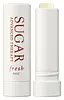
This barrier-repair lip moisturizer is formulated around Simmondsia Chinensis Seed Oil and Vitis Vinifera Seed Oil to strengthen the lip barrier and hydrate lips.
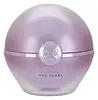
This anti-aging eye moisturizer is formulated around Hydrolyzed Silk and Niacinamide to soften the look of wrinkles and hydrate skin.

What's inside
What's inside
 Key Ingredients
Benefits
Concerns
Ingredients Side-by-side
Cera Alba
Emollient





Simmondsia Chinensis Seed Oil
Emollient


Hydrogenated Olive Oil Decyl Esters
Emulsion Stabilising
Hydrogenated Palm Kernel Glycerides
EmollientRicinus Communis Seed Oil
Masking
Vitis Vinifera Seed Oil
Emollient
Ethylhexyl Palmitate
Emollient
Parfum
Masking

Hydrogenated Palm Glycerides
Emollient
Theobroma Grandiflorum Seed Butter
Skin Conditioning
Prunus Domestica Seed Oil
Skin Conditioning
Copernicia Cerifera Wax
Limnanthes Alba Seed Oil
Skin Conditioning
Hydrogenated Vegetable Oil
Emollient
Passiflora Incarnata Seed Oil
Skin Protecting
Sucrose Tetrastearate Triacetate
Emollient
Crithmum Maritimum Extract
Skin ConditioningCommiphora Mukul Resin Extract
Skin ConditioningRibes Nigrum Seed Oil
Emollient
Tocopherol
Antioxidant




Ascorbyl Tetraisopalmitate
Antioxidant
Tocopheryl Acetate
Antioxidant
Ascorbyl Palmitate
Antioxidant
PEG-6 Isostearate
Emulsifying
Caprylic/Capric Triglyceride
Masking
Ammonium Glycyrrhizate
MaskingTrihydroxystearin
Skin Conditioning
Hesperetin Laurate
Antioxidant
Vanillin
Masking
Butylene Glycol
Humectant
BHT
Antioxidant
Caprylyl Glycol
Emollient
Sodium Hyaluronate
Humectant
Hexylene Glycol
EmulsifyingPhenoxyethanol
Preservative
Limonene
Perfuming
Citral
Perfuming
Benzyl Alcohol
Perfuming
Linalool
Perfuming
Geraniol
Perfuming
Cera Alba, Simmondsia Chinensis Seed Oil, Hydrogenated Olive Oil Decyl Esters, Hydrogenated Palm Kernel Glycerides, Ricinus Communis Seed Oil, Vitis Vinifera Seed Oil, Ethylhexyl Palmitate, Parfum, Hydrogenated Palm Glycerides, Theobroma Grandiflorum Seed Butter, Prunus Domestica Seed Oil, Copernicia Cerifera Wax, Limnanthes Alba Seed Oil, Hydrogenated Vegetable Oil, Passiflora Incarnata Seed Oil, Sucrose Tetrastearate Triacetate, Crithmum Maritimum Extract, Commiphora Mukul Resin Extract, Ribes Nigrum Seed Oil, Tocopherol, Ascorbyl Tetraisopalmitate, Tocopheryl Acetate, Ascorbyl Palmitate, PEG-6 Isostearate, Caprylic/Capric Triglyceride, Ammonium Glycyrrhizate, Trihydroxystearin, Hesperetin Laurate, Vanillin, Butylene Glycol, BHT, Caprylyl Glycol, Sodium Hyaluronate, Hexylene Glycol, Phenoxyethanol, Limonene, Citral, Benzyl Alcohol, Linalool, Geraniol
Water
Skin ConditioningButylene Glycol
Humectant
Diphenylsiloxy Phenyl Trimethicone
Skin Conditioning
Diglycerin
Humectant
Glycerin
Humectant
Cyclopentasiloxane
Emollient
Dimethicone
Emollient
Silk Powder
Skin ConditioningHydrolyzed Silk
Humectant
Sericin
Skin ConditioningHydrolyzed Conchiolin Protein
Skin ConditioningCamellia Sinensis Leaf
Perfuming

Niacinamide
Smoothing



Royal Jelly Extract
Skin Conditioning
Lonicera Japonica Leaf Extract
Skin ConditioningRosa Canina Fruit Oil
Emollient
Geranium Robertianum Extract
AstringentCaesalpinia Spinosa Fruit Extract
Skin ProtectingPersea Gratissima Oil
Skin Conditioning
Prunus Armeniaca Kernel Oil
Masking
Macadamia Ternifolia Seed Oil
Emollient
Kappaphycus Alvarezii Extract
Skin Conditioning
Sodium Hyaluronate
Humectant
Pentylene Glycol
Skin Conditioning
Propanediol
Solvent
Sodium Citrate
BufferingHydrogen Dimethicone
PEG-9 Polydimethylsiloxyethyl Dimethicone
Emulsifying
Dipentaerythrityl Tri-Polyhydroxystearate
Emollient
Dimethicone/Phenyl Vinyl Dimethicone Crosspolymer
Dimethicone/PEG-10/15 Crosspolymer
Sodium Chloride
MaskingTriethoxycaprylylsilane
Ethylhexylglycerin
Skin ConditioningNatto Gum
Mica
Cosmetic ColorantAluminum Hydroxide
EmollientPhenoxyethanol
Preservative
Alcohol
Antimicrobial
CI 77891
Cosmetic ColorantIron Oxides
Water, Butylene Glycol, Diphenylsiloxy Phenyl Trimethicone, Diglycerin, Glycerin, Cyclopentasiloxane, Dimethicone, Silk Powder, Hydrolyzed Silk, Sericin, Hydrolyzed Conchiolin Protein, Camellia Sinensis Leaf, Niacinamide, Royal Jelly Extract, Lonicera Japonica Leaf Extract, Rosa Canina Fruit Oil, Geranium Robertianum Extract, Caesalpinia Spinosa Fruit Extract, Persea Gratissima Oil, Prunus Armeniaca Kernel Oil, Macadamia Ternifolia Seed Oil, Kappaphycus Alvarezii Extract, Sodium Hyaluronate, Pentylene Glycol, Propanediol, Sodium Citrate, Hydrogen Dimethicone, PEG-9 Polydimethylsiloxyethyl Dimethicone, Dipentaerythrityl Tri-Polyhydroxystearate, Dimethicone/Phenyl Vinyl Dimethicone Crosspolymer, Dimethicone/PEG-10/15 Crosspolymer, Sodium Chloride, Triethoxycaprylylsilane, Ethylhexylglycerin, Natto Gum, Mica, Aluminum Hydroxide, Phenoxyethanol, Alcohol, CI 77891, Iron Oxides
Ingredients Explained
These ingredients are found in both products.
Ingredients higher up in an ingredient list are typically present in a larger amount.
Butylene Glycol (or BG) is used within cosmetic products for a few different reasons:
Overall, Butylene Glycol is a safe and well-rounded ingredient that works well with other ingredients.
Though this ingredient works well with most skin types, some people with sensitive skin may experience a reaction such as allergic rashes, closed comedones, or itchiness.
Learn more about Butylene GlycolPhenoxyethanol is one of the most widely used preservatives in skincare (and for good reason!).
It has a large spectrum of antimicrobial activity and especially effective bacteria, yeast, and mold while only having a weak effect on your skin's natural microbiome.
On a cellular level, it disrupts the cell membranes of microbes by poking holes that make the cell leak. This shuts down the chemical reactions the microbe needs to make energy so it can no longer survive.
Another perk of this ingredient is that it stays functional across a wide pH range (3-10).
You'll often see it paired with boosters like Ethylhexylglycerin; one study showed that a 1:9 ratio of Ethylhexylglycerin to Phenoxyethanol damages bacterial membranes as effectively as doubling the Phenoxyethanol concentration on its own.
Typical use concentrations range from 0.3-1% depending on the formula, and this ingredient is capped at 1% int the EU.
Safety-wise, the fear mongering does not hold up to the evidence. The EU's Scientific Committee on Consumer Safety and FDA consider it safe as a preservative at up to 1%, including for children of all ages.
Adverse systemic effects only showed up in animal studies at exposures roughly 200x higher than what people get from cosmetics. And despite its very widespread use, this ingredient is a rare sensitizer and allergic reactions are uncommon.
Learn more about PhenoxyethanolSodium Hyaluronate is the salt form of hyaluronic acid. It is a long sugar chain that is naturally found in your skin, joints, and connective tissue that maintains hydration and elasticity.
In skincare, it works as a humectant. It pulls water from the environment and deeper layers of skin and binds it to the surface.
Interestingly, the size of the molecule affects its behavior:
Some clinical evidence links low molecular weight versions to improved wrinkle depth, elasticity, anti-inflammatory effects, and barrier repair.
Many serums use a blend of both weights so you can get surface hydration plus longer-lasting and deeper effects.
You'll typically see concentrations between 0.1-2% for this ingredient.
Learn more about Sodium Hyaluronate

