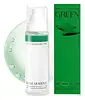
This calming serum is formulated around Niacinamide and Laminaria Japonica Extract to calm redness and hydrate skin.
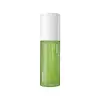
This hydrating toner is formulated around Morinda Citrifolia Fruit Extract and Copper Tripeptide-1 to hydrate skin and strengthen the skin barrier.

What's inside
What's inside
 Key Ingredients
Benefits
Concerns
Ingredients Side-by-side
Water
Skin ConditioningHydrogenated Poly(C6-14 Olefin)
EmollientButylene Glycol
Humectant

Isohexadecane
EmollientPropanediol
Solvent
Pentylene Glycol
Skin Conditioning
Niacinamide
Smoothing










Glycerin
Humectant
Dipropylene Glycol
HumectantSodium Chloride
MaskingCaprylyl/Capryl Glucoside
CleansingEthylhexylglycerin
Skin ConditioningAdenosine
Skin Conditioning
Laminaria Japonica Extract
Skin Protecting
Eclipta Prostrata Leaf Extract
Skin ConditioningDisodium EDTA
ChelatingMelia Azadirachta Leaf Extract
Skin Conditioning1,2-Hexanediol
Skin Conditioning
Melia Azadirachta Flower Extract
Skin ConditioningPanthenol
Skin Conditioning
Parfum
Masking




Fructooligosaccharides
Humectant
Ulmus Davidiana Root Extract
Skin Conditioning
Coccinia Indica Fruit Extract
Skin Conditioning
Amaranthus Caudatus Seed Extract
Skin Conditioning
Beta-Glucan
Skin Conditioning
Hydrogenated Lecithin
Emulsifying
Solanum Melongena Fruit Extract
Skin ConditioningAmber Powder
Curcuma Longa Root Extract
Antioxidant
Ocimum Sanctum Leaf Extract
Skin ConditioningCamellia Sinensis Seed Oil
Humectant

Moringa Oleifera Seed Oil
Emollient
Olea Europaea Fruit Oil
Masking
Corallina Officinalis Extract
Skin Conditioning
Camellia Sinensis Leaf Water
Masking
Melaleuca Alternifolia Leaf Water
Antimicrobial
Hydrolyzed Hyaluronic Acid
Humectant
Morinda Citrifolia Fruit Extract
Skin Conditioning
Tocopherol
Antioxidant
Centella Asiatica Extract
Cleansing
Anastatica Hierochuntica Extract
AstringentOpuntia Ficus-Indica Stem Extract
Skin Conditioning
Water, Hydrogenated Poly(C6-14 Olefin), Butylene Glycol, Isohexadecane, Propanediol, Pentylene Glycol, Niacinamide, Glycerin, Dipropylene Glycol, Sodium Chloride, Caprylyl/Capryl Glucoside, Ethylhexylglycerin, Adenosine, Laminaria Japonica Extract, Eclipta Prostrata Leaf Extract, Disodium EDTA, Melia Azadirachta Leaf Extract, 1,2-Hexanediol, Melia Azadirachta Flower Extract, Panthenol, Parfum, Fructooligosaccharides, Ulmus Davidiana Root Extract, Coccinia Indica Fruit Extract, Amaranthus Caudatus Seed Extract, Beta-Glucan, Hydrogenated Lecithin, Solanum Melongena Fruit Extract, Amber Powder, Curcuma Longa Root Extract, Ocimum Sanctum Leaf Extract, Camellia Sinensis Seed Oil, Moringa Oleifera Seed Oil, Olea Europaea Fruit Oil, Corallina Officinalis Extract, Camellia Sinensis Leaf Water, Melaleuca Alternifolia Leaf Water, Hydrolyzed Hyaluronic Acid, Morinda Citrifolia Fruit Extract, Tocopherol, Centella Asiatica Extract, Anastatica Hierochuntica Extract, Opuntia Ficus-Indica Stem Extract
Morinda Citrifolia Fruit Extract 81.67%
Skin Conditioning
Butylene Glycol
Humectant
Water
Skin Conditioning1,2-Hexanediol
Skin Conditioning
Hydroxyethyl Urea
Humectant
Citrus Reticulata Peel Extract
Skin ConditioningHydrolyzed Hyaluronic Acid
Humectant
Copper Tripeptide-1
Skin Conditioning
Morinda Citrifolia Seed Oil
Skin Conditioning
Sodium Hyaluronate
Humectant
Melia Azadirachta Leaf Extract
Skin ConditioningMelia Azadirachta Flower Extract
Skin ConditioningTheobroma Cacao Extract
Skin ConditioningRosmarinus Officinalis Leaf Oil
Masking
Ceramide NP
Skin Conditioning
Olea Europaea Fruit Oil
Masking
Butyrospermum Parkii Butter
Skin Conditioning
Squalane
Emollient
Phytosphingosine
Skin Conditioning
Polyglutamic Acid
Skin Conditioning
Cholesterol
Emollient
Diethoxyethyl Succinate
SolventCoconut Acid
Cleansing
Polyquaternium-51
Skin Conditioning
Proline
Skin Conditioning
Caprylic/Capric Triglyceride
Masking
Glycerin
Humectant
Dipotassium Glycyrrhizate
Humectant
Adenosine
Skin Conditioning
Dextrin
AbsorbentHydrogenated Lecithin
Emulsifying
Disodium EDTA
ChelatingChlorphenesin
Antimicrobial
Morinda Citrifolia Fruit Extract 81.67%, Butylene Glycol, Water, 1,2-Hexanediol, Hydroxyethyl Urea, Citrus Reticulata Peel Extract, Hydrolyzed Hyaluronic Acid, Copper Tripeptide-1, Morinda Citrifolia Seed Oil, Sodium Hyaluronate, Melia Azadirachta Leaf Extract, Melia Azadirachta Flower Extract, Theobroma Cacao Extract, Rosmarinus Officinalis Leaf Oil, Ceramide NP, Olea Europaea Fruit Oil, Butyrospermum Parkii Butter, Squalane, Phytosphingosine, Polyglutamic Acid, Cholesterol, Diethoxyethyl Succinate, Coconut Acid, Polyquaternium-51, Proline, Caprylic/Capric Triglyceride, Glycerin, Dipotassium Glycyrrhizate, Adenosine, Dextrin, Hydrogenated Lecithin, Disodium EDTA, Chlorphenesin
Reviews
Ingredients Explained
These ingredients are found in both products.
Ingredients higher up in an ingredient list are typically present in a larger amount.
1,2-Hexanediol is a synthetic liquid and another multi-functional powerhouse.
It is a:
- Humectant, drawing moisture into the skin
- Emollient, helping to soften skin
- Solvent, dispersing and stabilizing formulas
- Preservative booster, enhancing the antimicrobial activity of other preservatives
Adenosine is a purine nucleoside that your body already makes in every cell. In skincare, it acts mainly as a skin conditioning and anti-aging agent.
The way it works is fairly well mapped out:
Your skin has cells called fibroblasts that build collagen (the stuff that keeps skin firm and smooth). Adenosine basically flips a switch on these cells that tells them to get to work making more collagen and other proteins. These cells slow down on their own as skin ages, so Adenosine helps give them a little nudge to keep going.
The clinical backing is pretty solid too.
A blind, randomized, placebo-controlled trial of 126 women aged 45-65 tested a 0.1% cream twice daily and found real improvements in crow's feet and frown lines using a precise 3D skin-mapping technique; these changes showed up by week 3 and held at 2 months.
A later study using Adenosine-loaded dissolving microneedle patches reported gains in wrinkle depth, dermal density, elasticity, and hydration.
On concentrations, South Korea's Ministry of Food and Drug Safety has set 0.04% as the approved functional anti-wrinkle level. You'll typically see this ingredient used somewhere in the 0.04-0.1% range since it works at low doses.
This ingredient has been found safe for cosmetics with the data showing no irritation or sensitization.
Overall, this is a great ingredient for any anti-aging routine and has no photosensitizing effect, so it suits both AM and PM use.
Learn more about AdenosineButylene Glycol (or BG) is used within cosmetic products for a few different reasons:
Overall, Butylene Glycol is a safe and well-rounded ingredient that works well with other ingredients.
Though this ingredient works well with most skin types, some people with sensitive skin may experience a reaction such as allergic rashes, closed comedones, or itchiness.
Learn more about Butylene GlycolDisodium EDTA is a chelating agent. It grabs onto and deactivates metal ions that sneak into your products from water, packaging, or air.
This ingredient mainly works behind the scenes and helps with:
On top of that, this ingredient can counteract the effects of hard water by binding to the minerals in it.
One thing worth knowing is that Disodium EDTA has been shown to be a mild penetration enhancer. It can help other ingredients absorb into skin more effectively which can be a double-edged sword (great for actives, but can also make the active too strong if you have sensitive skin).
Clinical patch testing showed no significant skin irritation at typical use concentrations and minimal dermal absorption.
You'll most likely see this ingredient near the end of an ingredient list. It's typically found in concentrations less than 1%.
Learn more about Disodium EDTAGlycerin (or glycerol) is a compound naturally found in your skin. It's a powerhouse humectant that pulls water into the stratum corneum.
Topically, glycerin does several things at once:
Your skin makes glycerin on its own (mostly from sebaceous oil breakdown) and shuttles it to your outermost layer of skin, or your epidermis, via aquaporin-3.
Aquaporin-3 is a transporter that is essential for normal skin hydration, elasticity, and repair. Interestingly, mice lacking in AQP3 have dry and less elastic skin that can be fully corrected with glycerin.
This ingredient is non-irritating, plays well with almost every ingredient, and works across all skin types. Typical use is anywhere between 3-10% but can go up to 79% in some leave-on products.
Just know very high concentrations (>40%) can feel tacky in low humidity.
Glycerin is the name for this ingredient in American English. British English uses Glycerol/Glycerine.
Learn more about GlycerinHydrogenated Lecithin is a more stable version of lecithin.
It's made by taking lecithin (a phospholipid commonly found in soybeans and egg yolks) and hydrogenating it. This just means the unsaturated fatty acids are turned into saturated ones so they don't go bad as easily.
This ingredient is an emollient, emulsifier, and penetration enhancer. As an emollient, it helps soften and hydrate skin by trapping moisture within. As an emulsifier, it prevents oil and water ingredients from separating.
Hydrogenated Lecithin can form tiny spherical structures made of phospholipid bilayers called liposomes. These liposomes are able to capture compounds inside their structure and deliver them through the skin barrier.
Because phospholipids are a natural component of our cell membranes, this ingredient is inherently compatible with skin.
A 2021 study found lecithin-based surfactants were less harsh and more tolerable comared to Sodium Lauryl Sulfate (SLS).
Learn more about Hydrogenated LecithinHydrolyzed Hyaluronic Acid is hyaluronic acid (HA) that is broken down into lower molecular weight fragments.
It's a humectant that pulls and holds water in the skin to help with hydration, plumpness, and reduce transepidermal water loss.
Because hydrolyzed hyaluronic acid is smaller in size, it can slip past your outermost layer of skin more easily than full-sized HA.
Most formulations will combine all sizes to get the best of both worlds.
Typical usage levels range from 0.01-1%. Any percentage higher than 2% might become goopy and tacky.
Learn more about Hydrolyzed Hyaluronic AcidMelia Azadirachta Flower Extract is from the Neem tree. Neem trees originate from India.
Melia Azadirachta Flower Extract contains antioxidants. Antioxidants help fight free-radicals. Free-radicals are molecules that may damage your skin cells, such as pollution.
The flowers of this tree are lilac colored.
Learn more about Melia Azadirachta Flower ExtractThis ingredient is also known as neem leaf extract. It contains natural compounds like nimbidin, quercetin, and other polyphenols that give it antibacterial, antifungal, and anti-inflammatory activity.
Lab studies have shown neem leaf extract can inhibit acne-related bacteria and help calm skin. Animal studies on wound gels using 1-3% neem leaf extract found it sped up healing without causing irritation.
A wound-healing study testing gels with the extract at 1%, 2%, and 3% concentrations and found none of them irritated the skin.
Most commercial products also use it in a similar low range (typically under 5%).
Allergy-wise, there are some case reports on neem oil causing allergic contact dermatitis so people with plant/botanical sensitivities may want to patch test first.
Learn more about Melia Azadirachta Leaf ExtractMorinda Citrifolia Fruit Extract is also known as yaeyama aoki, noni, or the great morinda. This fruit is packed with bioactive compounds that give it skin conditioning and antioxidant properties.
Research on this ingredient has shown some interesting results: a clinical trial on 49 women (ages 38-55) found the daily use of noni-based skincare improved skin firmness and elasticity by up to ~42.4% over six weeks.
Lab studies have also demonstrated that some of the compounds can inhibit tyrosinase ans elastase, enzymes involved in pigmentation and the breaking down of skin's elastic fibers.
Fun fact: This ingredient has been used in Polynesian folk medicine for over 2,000 years.
Learn more about Morinda Citrifolia Fruit ExtractThis ingredient is also known as olive oil. It has been used in skincare for centuries and science largely backs up its reputation as a nourishing emollient.
The main components of olive oil are oleic acid (55-83%), linoleic acid (3.5-20%), and palmitic acid (7-20%). Oleic acid promotes skin regeneration and helps regulate inflammatory responses.
Squalene is also naturally present in olive oil and exhibits moisturizing and antioxidant properties.
The polyphenols in olive oil also show anti-aging promise; one clinical study found a measurable improvement in skin appearance after 30 days of topical serum use.
Just be aware that applying olive oil directly to skin can weaken the barrier and cause redness. One study with volunteers found even people without sensitive skin experienced a significant reduction in stratum corneum integrity and induced mild erythema.
It's best to use this ingredient as part of a carefully crafted formula (instead of putting it on skin directly from the bottle).
Because it has a 0-2 on the comedogenic scale, it is low risk for acne-prone skin. Just remember the overall formulation of a product matters more than a few ingredients with comedogenic ratings.
This ingredient may not be fungal acne safe because of the oleic and palmitic acid content. These fall within the C11-24 fatty acid range that the Malassezia yeast can metabolize to grow.
Overall, olive oil is a well-studied and nourishing skincare ingredient.
Learn more about Olea Europaea Fruit OilWater. It's the most common cosmetic ingredient of all. You'll usually see it at the top of ingredient lists, meaning that it makes up the largest part of the product.
So why is it so popular? Water most often acts as a solvent - this means that it helps dissolve other ingredients into the formulation.
You'll also recognize water as that liquid we all need to stay alive. If you see this, drink a glass of water. Remember to stay hydrated!
Learn more about Water

