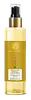
This mild gel cleanser is made to cleanse without leaving your skin tight or dry.
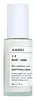
This calming moisturizer is formulated around Centella Asiatica Extract and Glycyrrhiza Glabra Root Extract to calm redness and strengthen the skin barrier.

What's inside
What's inside
 Key Ingredients
Benefits
Concerns
Ingredients Side-by-side
Michelia Alba Flower Extract 2%
Skin ConditioningMaranta Arundinacea Root Extract 1.5%
SmoothingNuphar Luteum Leaf Extract 1.5%
Skin ProtectingNelumbo Nucifera Flower Extract 1%
Skin ConditioningPinus Pinaster Leaf Extract 1%
Skin ConditioningRose Extract 1%
Skin ConditioningJasminum Officinale Flower Oil 1%
Perfuming




Honey 1%
Humectant
Lava Extract 1%
Skin ConditioningAzadirachta Indica Leaf Extract 0.5%
Skin ConditioningCrocus Sativus Flower Extract 0.5%
MaskingGlycerin
Humectant

Tocopherol
Antioxidant





Dehydroxanthan Gum
Emulsion StabilisingDecyl Glucoside
Cleansing
Coco-Glucoside
Cleansing
Sodium Levulinate
Skin ConditioningPhytic Acid
Chelating
Michelia Alba Flower Extract 2%, Maranta Arundinacea Root Extract 1.5%, Nuphar Luteum Leaf Extract 1.5%, Nelumbo Nucifera Flower Extract 1%, Pinus Pinaster Leaf Extract 1%, Rose Extract 1%, Jasminum Officinale Flower Oil 1%, Honey 1%, Lava Extract 1%, Azadirachta Indica Leaf Extract 0.5%, Crocus Sativus Flower Extract 0.5%, Glycerin, Tocopherol, Dehydroxanthan Gum, Decyl Glucoside, Coco-Glucoside, Sodium Levulinate, Phytic Acid
Santalum Album Wood Water
Water
Skin ConditioningCaprylic/Capric Triglyceride
Masking
Methylpropanediol
SolventCaprylyl Glycol
Emollient
Phenylpropanol
Masking
Butylene Glycol
Humectant
Centella Asiatica Extract
Cleansing

Polygonum Cuspidatum Root Extract
Antioxidant
Scutellaria Baicalensis Root Extract
Astringent
Camellia Sinensis Leaf Extract
Antimicrobial

Glycyrrhiza Glabra Root Extract
Bleaching
Chamomilla Recutita Flower Extract
Masking
Rosmarinus Officinalis Leaf Extract
AntimicrobialSodium Cocoyl Amino Acids
Cleansing
Sarcosine
Skin Conditioning
Potassium Aspartate
Skin ConditioningMagnesium Aspartate
Skin ConditioningCetearyl Alcohol
Emollient




Cetearyl Glucoside
Emulsifying
Hydrogenated Vegetable Oil
Emollient
Arachidyl Alcohol
Emollient
Behenyl Alcohol
Emollient
Arachidyl Glucoside
EmulsifyingPropanediol
Solvent
Mirabilis Jalapa Extract
Skin ConditioningNiacinamide
Smoothing

Sodium Benzoate
Masking
Potassium Sorbate
Preservative
Limnanthes Alba Seed Oil
Skin Conditioning
Aloe Barbadensis Leaf Extract
Emollient
Cinnamomum Zeylanicum Bark Extract
Antimicrobial
Beta Vulgaris Root Extract
Skin ConditioningCommiphora Myrrha Resin Extract
Skin ConditioningOlea Europaea Fruit Oil
Masking
Argania Spinosa Kernel Oil
Emollient
Polyglyceryl-3 Diisostearate
Emulsifying
Glycerin
Humectant
Glyceryl Stearate
Emollient
Sodium Stearoyl Glutamate
CleansingTasmannia Lanceolata Fruit/Leaf Extract
Antioxidant
Trisodium Ethylenediamine Disuccinate
ChelatingAcacia Senegal Gum
MaskingXanthan Gum
EmulsifyingHydroxypropyl Starch Phosphate
Rose Extract
Skin ConditioningPelargonium Graveolens Oil
Masking
Tocopherol
Antioxidant
Hyaluronic Acid
Humectant
Boswellia Carterii Oil
Masking
Santalum Album Wood Water, Water, Caprylic/Capric Triglyceride, Methylpropanediol, Caprylyl Glycol, Phenylpropanol, Butylene Glycol, Centella Asiatica Extract, Polygonum Cuspidatum Root Extract, Scutellaria Baicalensis Root Extract, Camellia Sinensis Leaf Extract, Glycyrrhiza Glabra Root Extract, Chamomilla Recutita Flower Extract, Rosmarinus Officinalis Leaf Extract, Sodium Cocoyl Amino Acids, Sarcosine, Potassium Aspartate, Magnesium Aspartate, Cetearyl Alcohol, Cetearyl Glucoside, Hydrogenated Vegetable Oil, Arachidyl Alcohol, Behenyl Alcohol, Arachidyl Glucoside, Propanediol, Mirabilis Jalapa Extract, Niacinamide, Sodium Benzoate, Potassium Sorbate, Limnanthes Alba Seed Oil, Aloe Barbadensis Leaf Extract, Cinnamomum Zeylanicum Bark Extract, Beta Vulgaris Root Extract, Commiphora Myrrha Resin Extract, Olea Europaea Fruit Oil, Argania Spinosa Kernel Oil, Polyglyceryl-3 Diisostearate, Glycerin, Glyceryl Stearate, Sodium Stearoyl Glutamate, Tasmannia Lanceolata Fruit/Leaf Extract, Trisodium Ethylenediamine Disuccinate, Acacia Senegal Gum, Xanthan Gum, Hydroxypropyl Starch Phosphate, Rose Extract, Pelargonium Graveolens Oil, Tocopherol, Hyaluronic Acid, Boswellia Carterii Oil
Reviews
Alternatives
Ingredients Explained
These ingredients are found in both products.
Ingredients higher up in an ingredient list are typically present in a larger amount.
Glycerin (or glycerol) is a compound naturally found in your skin. It's a powerhouse humectant that pulls water into the stratum corneum.
Topically, glycerin does several things at once:
Your skin makes glycerin on its own (mostly from sebaceous oil breakdown) and shuttles it to your outermost layer of skin, or your epidermis, via aquaporin-3.
Aquaporin-3 is a transporter that is essential for normal skin hydration, elasticity, and repair. Interestingly, mice lacking in AQP3 have dry and less elastic skin that can be fully corrected with glycerin.
This ingredient is non-irritating, plays well with almost every ingredient, and works across all skin types. Typical use is anywhere between 3-10% but can go up to 79% in some leave-on products.
Just know very high concentrations (>40%) can feel tacky in low humidity.
Glycerin is the name for this ingredient in American English. British English uses Glycerol/Glycerine.
Learn more about GlycerinRose extract comes from various species of the Rosa genus. It has skin conditioning and antioxidant properties due to its polyphenol, flavonoid, and phenolic acid content.
Rosa damascena, Rosa centifolia, and Rosa gallica.
Just keep in mind that rose extracts contain known fragrance allergens like citronellol, geraniol, linalool, and limonene.
Learn more about Rose ExtractTocopherol is a fat-soluble antioxidant known as Vitamin E.
You'll find this ingredient in the vast majority of skincare (for good reason). It works to neutralize free radicals, or unstable molecules generated by UV exposure, pollution, and other environmental stressors, before they can cause oxidative damage to your skin cells.
Topically applied tocopherol has been shown to protect against UV damage by ramping up the skin's own natural defense enzymes.
It also acts as a skin conditioning agent; some studies show that regular topical use can improve the skin's water-binding capacity over 2-4 weeks.
This ingredient is especially loved for being a team player. When combined with Vitamin C, the photoprotective effect of both ingredients roughly doubles and the combo also helps reduce UV-induced DNA damage.
This ingredient has some brightening potential but it's more of a prevention ingredient than spot-fader. Cell studies show it can slow down melanin production but it's worth noting that it's not the most powerful brightener out there.
In formulations, it also serves as a stabilizer that helps protect other oxidation-prone ingredients from degrading.
Concentrations usually range from 0.1-1% in most leave-on products.
Learn more about Tocopherol

