Farmacy Clean Bee Ultra Gentle Facial Cleanser Versus Farmacy Whipped Greens Foaming Oil-Free Cleanser
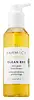
This mild gel cleanser is made to cleanse while calming and soothing your skin.
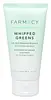
This mild foaming cleanser is mild enough to cleanse without leaving skin feeling tight or stripped.

What's inside
What's inside
 Key Ingredients
Benefits
Concerns
Ingredients Side-by-side
Water
Skin ConditioningSodium Lauroyl Methyl Isethionate
CleansingCocamidopropyl Hydroxysultaine
Cleansing
Chamomilla Recutita Flower Water
MaskingDecyl Glucoside
Cleansing
Maltooligosyl Glucoside
Skin ConditioningLauryl Glucoside
CleansingGlycerin
Humectant


Hydrogenated Starch Hydrolysate
HumectantEchinacea Purpurea Root Extract
MoisturisingHoney Extract
Humectant
Propolis Extract
Skin Conditioning



Royal Jelly Extract
Skin Conditioning
Hydrolyzed Sodium Hyaluronate
Skin Conditioning
Calendula Officinalis Flower Extract
Masking
Glycyrrhiza Glabra Root Extract
Bleaching

Aloe Barbadensis Leaf Juice
Skin Conditioning
Melia Azadirachta Leaf Extract
Skin ConditioningLavandula Angustifolia Oil
Masking



Lavandula Hybrida Oil
Emollient
Curcumin
Antioxidant
Curcuma Longa Root Extract
Antioxidant
Betaine
Humectant
Sodium PCA
Humectant
Disodium Cocoyl Glutamate
Cleansing
Sodium Cocoyl Glutamate
Cleansing
Citric Acid
Buffering

Sodium Benzoate
Masking
Abies Sibirica Oil
Masking
Cymbopogon Martini Oil
Masking
Pelargonium Graveolens Oil
Masking
Pogostemon Cablin Leaf Oil
Masking
Caramel
Cosmetic ColorantAnthemis Nobilis Flower Oil
Masking
Ocimum Basilicum Flower/Leaf Extract
TonicOcimum Sanctum Leaf Extract
Skin ConditioningMelia Azadirachta Flower Extract
Skin ConditioningCorallina Officinalis Extract
Skin Conditioning

Aroma

Potassium Sorbate
Preservative
Maltodextrin
Absorbent
Trisodium Ethylenediamine Disuccinate
ChelatingSodium Chloride
MaskingSodium Phytate
ChelatingPropanediol
Solvent
Linalool
Perfuming
Water, Sodium Lauroyl Methyl Isethionate, Cocamidopropyl Hydroxysultaine, Chamomilla Recutita Flower Water, Decyl Glucoside, Maltooligosyl Glucoside, Lauryl Glucoside, Glycerin, Hydrogenated Starch Hydrolysate, Echinacea Purpurea Root Extract, Honey Extract, Propolis Extract, Royal Jelly Extract, Hydrolyzed Sodium Hyaluronate, Calendula Officinalis Flower Extract, Glycyrrhiza Glabra Root Extract, Aloe Barbadensis Leaf Juice, Melia Azadirachta Leaf Extract, Lavandula Angustifolia Oil, Lavandula Hybrida Oil, Curcumin, Curcuma Longa Root Extract, Betaine, Sodium PCA, Disodium Cocoyl Glutamate, Sodium Cocoyl Glutamate, Citric Acid, Sodium Benzoate, Abies Sibirica Oil, Cymbopogon Martini Oil, Pelargonium Graveolens Oil, Pogostemon Cablin Leaf Oil, Caramel, Anthemis Nobilis Flower Oil, Ocimum Basilicum Flower/Leaf Extract, Ocimum Sanctum Leaf Extract, Melia Azadirachta Flower Extract, Corallina Officinalis Extract, Aroma, Potassium Sorbate, Maltodextrin, Trisodium Ethylenediamine Disuccinate, Sodium Chloride, Sodium Phytate, Propanediol, Linalool
Water
Skin ConditioningGlycerin
Humectant
Sodium Lauroyl Isethionate
CleansingSodium Cocoyl Glycinate
Cleansing
Decyl Glucoside
Cleansing
Magnesium Aluminum Silicate
Absorbent
Sodium Lauroyl Methyl Isethionate
CleansingCoconut Acid
Cleansing
Sodium Lauroamphoacetate
CleansingMyristic Acid
Cleansing
Sodium Lauroyl Lactylate
EmulsifyingMoringa Oleifera Leaf Water
Skin ConditioningSodium PCA
Humectant
Kaolin
Abrasive

Lactobacillus/Papaya Fruit Ferment Extract
Abrasive
Moringa Oleifera Seed Extract
Skin Conditioning
Montmorillonite
AbsorbentMelia Azadirachta Leaf Extract
Skin ConditioningCitrus Limon Fruit Extract
Masking
Quillaja Saponaria Wood Extract
Skin ConditioningLauric Acid
Cleansing
Cocamide Mipa
Emulsifying
Sodium Isethionate
CleansingXanthan Gum
EmulsifyingSodium Polyacryloyldimethyl Taurate
Emulsion StabilisingSodium Benzoate
Masking
Palmitic Acid
Emollient
Lactic Acid
Buffering

Illite
Abrasive
3-Hexenol
Masking
Beta-Caryophyllene
Masking
Canarium Luzonicum Gum Nonvolatiles
MaskingCitronellal
Masking
Citrus Aurantifolia Fruit Extract
Skin ConditioningCitrus Aurantium Dulcis Fruit Extract
MaskingEugenol
Perfuming
Hydroxyacetophenone
Antioxidant
Hexenyl Acetate
Masking
Linalool
Perfuming
Linalyl Acetate
Masking
Triethyl Citrate
Masking
Zingiber Officinale Extract
Skin ConditioningCapric Acid
Cleansing
Melia Azadirachta Flower Extract
Skin ConditioningQuartz
Abrasive
Saponaria Officinalis Leaf/Root Extract
Skin ConditioningLeuconostoc/Radish Root Ferment Filtrate
Antimicrobial
Gluconolactone
Chelating
Maltodextrin
Absorbent
Limonene
Perfuming
Water, Glycerin, Sodium Lauroyl Isethionate, Sodium Cocoyl Glycinate, Decyl Glucoside, Magnesium Aluminum Silicate, Sodium Lauroyl Methyl Isethionate, Coconut Acid, Sodium Lauroamphoacetate, Myristic Acid, Sodium Lauroyl Lactylate, Moringa Oleifera Leaf Water, Sodium PCA, Kaolin, Lactobacillus/Papaya Fruit Ferment Extract, Moringa Oleifera Seed Extract, Montmorillonite, Melia Azadirachta Leaf Extract, Citrus Limon Fruit Extract, Quillaja Saponaria Wood Extract, Lauric Acid, Cocamide Mipa, Sodium Isethionate, Xanthan Gum, Sodium Polyacryloyldimethyl Taurate, Sodium Benzoate, Palmitic Acid, Lactic Acid, Illite, 3-Hexenol, Beta-Caryophyllene, Canarium Luzonicum Gum Nonvolatiles, Citronellal, Citrus Aurantifolia Fruit Extract, Citrus Aurantium Dulcis Fruit Extract, Eugenol, Hydroxyacetophenone, Hexenyl Acetate, Linalool, Linalyl Acetate, Triethyl Citrate, Zingiber Officinale Extract, Capric Acid, Melia Azadirachta Flower Extract, Quartz, Saponaria Officinalis Leaf/Root Extract, Leuconostoc/Radish Root Ferment Filtrate, Gluconolactone, Maltodextrin, Limonene
Reviews
Ingredients Explained
These ingredients are found in both products.
Ingredients higher up in an ingredient list are typically present in a larger amount.
Decyl Glucoside is a plant-derived surfactant and emulsion stabilizer. It is created by reacting glucose with the fatty acids from plants.
Like all surfactants, it works by lowering the surface tension between water and oil. This makes it so that dirt, sebum, and makeup can be lifted off your skin and rinsed away. It also produces a dense and creamy foam.
Because it has a neutral charge, it is compatible with a wide range of ingredients and stays stable across a broad pH range/water hardiness conditions.
Patch testing has shown it to have the lowest irritation potential among common cleansing surfactants (like SLS).
Typical use levels range from 5-20% in rinse-off cleansers.
One thing worth knowing: The American Contact Dermatitis Society named the parent family, alkyl glucosides, "Allergen of the Year" in 2017. The prevalence of allergy is pretty low but be sure to patch test if you've reacted to "gentle" or sulfate-free cleansers before.
This ingredient is fungal acne safe because the fatty alcohol portion of this ingredient is not within the C11-24 chain length that Malassezia can metabolize.
Learn more about Decyl GlucosideGlycerin (or glycerol) is a compound naturally found in your skin. It's a powerhouse humectant that pulls water into the stratum corneum.
Topically, glycerin does several things at once:
Your skin makes glycerin on its own (mostly from sebaceous oil breakdown) and shuttles it to your outermost layer of skin, or your epidermis, via aquaporin-3.
Aquaporin-3 is a transporter that is essential for normal skin hydration, elasticity, and repair. Interestingly, mice lacking in AQP3 have dry and less elastic skin that can be fully corrected with glycerin.
This ingredient is non-irritating, plays well with almost every ingredient, and works across all skin types. Typical use is anywhere between 3-10% but can go up to 79% in some leave-on products.
Just know very high concentrations (>40%) can feel tacky in low humidity.
Glycerin is the name for this ingredient in American English. British English uses Glycerol/Glycerine.
Learn more about GlycerinLinalool is a small, naturally occurring scent molecule found in plants like lavender, coriander, bergamot, and more.
It is one of the two most-used fragrance ingredients in cosmetics and added purely for smell. Since it's not used for a skin benefit, there's no "effective dose". Concentration depends on the fragrance load of the product.
The EU requires it to be named on the label above 0.001% in leave-on and 0.01% in rinse-off products.
Fresh linalool is a weak sensitizer but air exposure turns some of it into hydroperoxides, which are strong sensitizers. Those oxidation products are the actual allergy concern.
Patch-test clinics see positive reactions to linalool hydroperoxides in about 4% to 12% of dermatitis patients depending on country and test concentration.
Resassuringly, one analytical study found hydroperoxide levels in real fragranced products to be orders of magnitude below what induced sensitization in animal studies with no evidence of oxidation building up during normal storage.
The practical takeaway is that linalool is fine for most people but worth avoiding if you have a confirmed fragrance contact allergy or a badly compromised barrier.
Products stored a long time after opening are also the high-risk scenario since that is when oxidation happens.
The scent of linalool is described as floral, spicy tropical, and citrus-like.
Learn more about LinaloolMaltodextrin is a plant-derived carbohydrate made by breaking down starch (usually from corn, potato, or rice). In cosmetic formulas, it's a multitasking absorbent, emulsion stabilizer, and skin conditioner.
This ingredient is mostly used to stabilize emulsions and improve the powdery, non-greasy feel of products (like dry shampoos).
Safety-wise, this ingredient is pretty solid; it's even recognized as a food additive. Both animal and clinical studies found no adverse effects at the levels used in cosmetics.
Industry data shows this ingredient is used up to 45.7% in spray products and up to 33% in powder products.
Learn more about MaltodextrinMelia Azadirachta Flower Extract is from the Neem tree. Neem trees originate from India.
Melia Azadirachta Flower Extract contains antioxidants. Antioxidants help fight free-radicals. Free-radicals are molecules that may damage your skin cells, such as pollution.
The flowers of this tree are lilac colored.
Learn more about Melia Azadirachta Flower ExtractThis ingredient is also known as neem leaf extract. It contains natural compounds like nimbidin, quercetin, and other polyphenols that give it antibacterial, antifungal, and anti-inflammatory activity.
Lab studies have shown neem leaf extract can inhibit acne-related bacteria and help calm skin. Animal studies on wound gels using 1-3% neem leaf extract found it sped up healing without causing irritation.
A wound-healing study testing gels with the extract at 1%, 2%, and 3% concentrations and found none of them irritated the skin.
Most commercial products also use it in a similar low range (typically under 5%).
Allergy-wise, there are some case reports on neem oil causing allergic contact dermatitis so people with plant/botanical sensitivities may want to patch test first.
Learn more about Melia Azadirachta Leaf ExtractSodium Benzoate is a preservative. It's used in both cosmetic and food products to inhibit the growth of mold and bacteria. It is typically produced synthetically.
Both the US FDA and EU Health Committee have approved the use of sodium benzoate. In the US, levels of 0.1% (of the total product) are allowed.
Sodium benzoate works as a preservative by inhibiting the growth of bacteria inside of cells. It prevents the cell from fermenting a type of sugar using an enzyme called phosphofructokinase.
It is the salt of benzoic acid. Foods containing sodium benzoate include soda, salad dressings, condiments, fruit juices, wines, and snack foods.
Studies for using ascorbic acid and sodium benzoate in cosmetics are lacking, especially in skincare routines with multiple steps.
We always recommend speaking with a professional, such as a dermatologist, if you have any concerns.
Learn more about Sodium BenzoateSodium Lauroyl Methyl Isethionate is a gentle, sulfate-free cleansing agent. It's basically a mild "soap" molecule derived from coconut that makes a soft, cream foam and is very soluble in water.
Typical concentration use ranges from ~0.6-10% in rinse off products and only trace amounts (~0.009%) in leave on products.
The Cosmetic Ingredient Review Expert Panel has assessed it and concluded it to be safe as used at these concentrations when formulated to be non-irritating.
Allergy and sensitization risk is low and often when someone reacts to a cleanser it's due to the fragrance or preservatives rather than this ingredient itself.
Learn more about Sodium Lauroyl Methyl IsethionateSodium PCA (the salt of PCA) is one of the most well-established humectants in skincare.
Why is it so special? Your skin already makes it naturally; it's a natural component of your skin's Natural Moisturizing Factor (NMF), or the mix of water-binding compounds inside your skin cells that keeps things soft and hydrated.
As a cosmetic ingredient, it grabs water and holds it in the upper layers of skin to smooth roughness and ease dehydration.
There's some clinical support for the NMF approach with a study showing that a cream built to mimic the skin's NMF significantly boosted hydration.
Safety-wise, this ingredient non-irritating, non-comedogenic, and non-phototoxic in testing, with minimal skin absorption.
It also works really well with other hydrators like glycerin or hyaluronic acid, and typical usage is somewhere between 0.2-4%.
Learn more about Sodium PCAWater. It's the most common cosmetic ingredient of all. You'll usually see it at the top of ingredient lists, meaning that it makes up the largest part of the product.
So why is it so popular? Water most often acts as a solvent - this means that it helps dissolve other ingredients into the formulation.
You'll also recognize water as that liquid we all need to stay alive. If you see this, drink a glass of water. Remember to stay hydrated!
Learn more about Water

