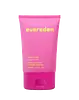
This mild gel cleanser is made to cleanse while calming and soothing your skin.
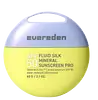
This mineral sunscreen covers the full UV range and blocks ~98% of UVB at SPF 50.

What's inside
What's inside
 Key Ingredients
Benefits
Concerns
Ingredients Side-by-side
Water
Skin ConditioningCoco-Glucoside
Cleansing
Glycerin
Humectant


Acrylates Copolymer
Cocamidopropyl Hydroxysultaine
Cleansing
Sodium Cocoyl Alaninate
Surfactant
Propanediol
Solvent
Polyglyceryl-10 Laurate
Skin Conditioning

1,2-Hexanediol
Skin Conditioning
Panthenol
Skin Conditioning

Hydroxyacetophenone
Antioxidant
Sodium Chloride
MaskingLactobacillus Ferment
Skin Conditioning
Sodium Hydroxide
BufferingSalix Alba Bark Extract
Astringent

Camellia Sinensis Leaf Extract
Antimicrobial


Trisodium Ethylenediamine Disuccinate
ChelatingAnthemis Nobilis Flower Extract
Masking
Cucumis Sativus Fruit Extract
Emollient
Citric Acid
Buffering
Tetrasodium Glutamate Diacetate
ChelatingWater, Coco-Glucoside, Glycerin, Acrylates Copolymer, Cocamidopropyl Hydroxysultaine, Sodium Cocoyl Alaninate, Propanediol, Polyglyceryl-10 Laurate, 1,2-Hexanediol, Panthenol, Hydroxyacetophenone, Sodium Chloride, Lactobacillus Ferment, Sodium Hydroxide, Salix Alba Bark Extract, Camellia Sinensis Leaf Extract, Trisodium Ethylenediamine Disuccinate, Anthemis Nobilis Flower Extract, Cucumis Sativus Fruit Extract, Citric Acid, Tetrasodium Glutamate Diacetate
Titanium Dioxide 3.7%
Cosmetic Colorant

Zinc Oxide 14%
Cosmetic Colorant
Water
Skin ConditioningCetyl Ethylhexanoate
EmollientUndecane
EmollientCaprylic/Capric Triglyceride
Masking
C13-15 Alkane
SolventDicaprylyl Ether
Emollient
Tridecane
Perfuming
Argania Spinosa Kernel Oil
Emollient
Propanediol
Solvent
Tocopheryl Acetate
Antioxidant
1,2-Hexanediol
Skin Conditioning
Polyglyceryl-6 Polyricinoleate
Emulsifying
Polyhydroxystearic Acid
Emulsifying
Silica
Abrasive
Stearyl Citrate
EmollientTrioctyldodecyl Citrate
EmollientAluminum Hydroxide
EmollientStearic Acid
Cleansing
Sodium Chloride
MaskingCarthamus Tinctorius Oleosomes
Emollient
Cucumis Sativus Fruit Extract
Emollient
Dextrin Palmitate
Emulsifying
Maris Limus Extract
Skin ProtectingMagnolia Officinalis Bark Extract
Antimicrobial
Thermus Thermophillus Ferment
Skin ConditioningBisabolol
Antioxidant
Aloe Barbadensis Leaf Juice
Skin Conditioning
Cocos Nucifera Fruit Juice
Emollient
Cocos Nucifera Oil
Masking

Helianthus Annuus Seed Oil
Emollient
Helianthus Annuus Seed Oil Unsaponifiables
Emollient
Persea Gratissima Oil
Skin Conditioning
Rosa Rubiginosa Seed Oil
Emollient
Vitis Vinifera Seed Oil
Emollient
Methyl Diisopropyl Propionamide
MaskingPongamia Pinnata Seed Extract
Skin ConditioningXanthan Gum
EmulsifyingCetyl Glyceryl Ether
EmollientSodium Phytate
ChelatingGlycerin
Humectant
Pongamia Glabra Seed Oil
Skin Conditioning
Phenylpropanol
Masking
Caprylyl Glycol
Emollient
Potassium Sorbate
Preservative
Hydroxyacetophenone
Antioxidant
Dunaliella Salina Extract
Skin ConditioningHaematococcus Pluvialis Extract
Antioxidant
Titanium Dioxide 3.7%, Zinc Oxide 14%, Water, Cetyl Ethylhexanoate, Undecane, Caprylic/Capric Triglyceride, C13-15 Alkane, Dicaprylyl Ether, Tridecane, Argania Spinosa Kernel Oil, Propanediol, Tocopheryl Acetate, 1,2-Hexanediol, Polyglyceryl-6 Polyricinoleate, Polyhydroxystearic Acid, Silica, Stearyl Citrate, Trioctyldodecyl Citrate, Aluminum Hydroxide, Stearic Acid, Sodium Chloride, Carthamus Tinctorius Oleosomes, Cucumis Sativus Fruit Extract, Dextrin Palmitate, Maris Limus Extract, Magnolia Officinalis Bark Extract, Thermus Thermophillus Ferment, Bisabolol, Aloe Barbadensis Leaf Juice, Cocos Nucifera Fruit Juice, Cocos Nucifera Oil, Helianthus Annuus Seed Oil, Helianthus Annuus Seed Oil Unsaponifiables, Persea Gratissima Oil, Rosa Rubiginosa Seed Oil, Vitis Vinifera Seed Oil, Methyl Diisopropyl Propionamide, Pongamia Pinnata Seed Extract, Xanthan Gum, Cetyl Glyceryl Ether, Sodium Phytate, Glycerin, Pongamia Glabra Seed Oil, Phenylpropanol, Caprylyl Glycol, Potassium Sorbate, Hydroxyacetophenone, Dunaliella Salina Extract, Haematococcus Pluvialis Extract
Reviews
Ingredients Explained
These ingredients are found in both products.
Ingredients higher up in an ingredient list are typically present in a larger amount.
1,2-Hexanediol is a synthetic liquid and another multi-functional powerhouse.
It is a:
- Humectant, drawing moisture into the skin
- Emollient, helping to soften skin
- Solvent, dispersing and stabilizing formulas
- Preservative booster, enhancing the antimicrobial activity of other preservatives
This extract comes from cucumber. Cucumbers are mostly made up of water (95%), and the other 5% is composed of: vitamin C, caffeic acid, fatty acids, amino acids, and other minerals.
Cucumbers have anti-inflammatory, barrier repair, and hydrating properties.
They contain shikimate dehydrigenase, an enzyme shown to help reduce inflammation and soothe the skin.
The amino acids found in cucumbers help nourish our skin's natural acid mantle (it's an important part of our skin barrier). This slightly acidic film acts as a barrier to protect us from bacteria, viruses, and other contaminants.
Unless you have an allergy to cucumbers, this is generally a non-irritating ingredient.
Fun fact: Cucumis Sativus is native to South Asia and can now be found on every continent.
Learn more about Cucumis Sativus Fruit ExtractGlycerin (or glycerol) is a compound naturally found in your skin. It's a powerhouse humectant that pulls water into the stratum corneum.
Topically, glycerin does several things at once:
Your skin makes glycerin on its own (mostly from sebaceous oil breakdown) and shuttles it to your outermost layer of skin, or your epidermis, via aquaporin-3.
Aquaporin-3 is a transporter that is essential for normal skin hydration, elasticity, and repair. Interestingly, mice lacking in AQP3 have dry and less elastic skin that can be fully corrected with glycerin.
This ingredient is non-irritating, plays well with almost every ingredient, and works across all skin types. Typical use is anywhere between 3-10% but can go up to 79% in some leave-on products.
Just know very high concentrations (>40%) can feel tacky in low humidity.
Glycerin is the name for this ingredient in American English. British English uses Glycerol/Glycerine.
Learn more about GlycerinHydroxyacetophenone is a small phenolic molecule that earns its place in a formulas as an antioxidant and preservative booster.
As a phenol, it is able to neutralize free radicals to protect both the product and the skin from oxidative stress.
Though it can't kill microbes on its own, it works as a good supporting agent when combined with other preservatives like Phenoxyethanol or 1,2-Hexanediol.
This ingredient naturally occurs as piceol in Norwegian spruce needles (~0.4-1.1% dry weight and in cloudberries). Though the cosmetic-grade material is synthesized for purity and consistency.
You'll usually see it used at low levels and suppliers recommend up to 1% added to a water phase.
Safety testing was done at concentrations like 0.05% in SPF products and 0.5% in a Human Repeated Insult Patch Test. The safety evidence is assuring; this ingredient is safe for cosmetics in current use and also holds safety status as a food flavoring as well.
An honest caveat: the "soothing" and "anti-inflammatory" claims come mostly from supplier marketing rather than published clinical trials. The Cosmetic Ingredient Review's own literature search found no useful efficacy studies on this ingredient.
So the antioxidant and preservative-boosting roles are the well supported ones while the calming benefit is plausible but thinly evidenced.
Overall, this is a well-tolerated, low-irritation multitasker that quietly helps a formula stay fresh and stable.
Learn more about HydroxyacetophenonePropanediol is an all-star ingredient. It softens, hydrates, and smooths the skin.
It’s often used to:
Propanediol is not likely to cause sensitivity and considered safe to use. It is derived from corn or petroleum with a clear color and no scent.
Learn more about PropanediolChances are, you eat sodium chloride every day. Sodium Chloride is also known as table salt. This ingredient has many purposes in skincare: thickener, emulsifier, and exfoliator.
You'll most likely find this ingredient in cleansers where it is used to create a gel-like texture. As an emulsifier, it also prevents ingredients from separating.
You might see people debate whether Sodium Chloride is comedogenic, but there actually haven't been any comedogenic tests done on it. Either way, the overall formulation of a product matters a lot more than any single ingredient.
You might see this ingredient used in scrubs as a primary exfoliating ingredient.
Learn more about Sodium ChlorideWater. It's the most common cosmetic ingredient of all. You'll usually see it at the top of ingredient lists, meaning that it makes up the largest part of the product.
So why is it so popular? Water most often acts as a solvent - this means that it helps dissolve other ingredients into the formulation.
You'll also recognize water as that liquid we all need to stay alive. If you see this, drink a glass of water. Remember to stay hydrated!
Learn more about Water

