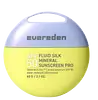
This mineral sunscreen covers the full UV range and blocks ~98% of UVB at SPF 50.

What's inside
What's inside
 Key Ingredients
Benefits
Concerns
Ingredients Side-by-side
Titanium Dioxide 3.7%
Cosmetic Colorant

Zinc Oxide 14%
Cosmetic Colorant
Water
Skin ConditioningCetyl Ethylhexanoate
EmollientUndecane
EmollientCaprylic/Capric Triglyceride
Masking


C13-15 Alkane
SolventDicaprylyl Ether
Emollient
Tridecane
Perfuming

Argania Spinosa Kernel Oil
Emollient




Propanediol
Solvent
Tocopheryl Acetate
Antioxidant


1,2-Hexanediol
Skin Conditioning
Polyglyceryl-6 Polyricinoleate
Emulsifying
Polyhydroxystearic Acid
Emulsifying
Silica
Abrasive

Stearyl Citrate
EmollientTrioctyldodecyl Citrate
EmollientAluminum Hydroxide
EmollientStearic Acid
Cleansing
Sodium Chloride
MaskingCarthamus Tinctorius Oleosomes
Emollient
Cucumis Sativus Fruit Extract
Emollient
Dextrin Palmitate
Emulsifying
Maris Limus Extract
Skin ProtectingMagnolia Officinalis Bark Extract
Antimicrobial
Thermus Thermophillus Ferment
Skin ConditioningBisabolol
Antioxidant
Aloe Barbadensis Leaf Juice
Skin Conditioning
Cocos Nucifera Fruit Juice
Emollient
Cocos Nucifera Oil
Masking

Helianthus Annuus Seed Oil
Emollient
Helianthus Annuus Seed Oil Unsaponifiables
Emollient
Persea Gratissima Oil
Skin Conditioning
Rosa Rubiginosa Seed Oil
Emollient
Vitis Vinifera Seed Oil
Emollient
Methyl Diisopropyl Propionamide
MaskingPongamia Pinnata Seed Extract
Skin ConditioningXanthan Gum
EmulsifyingCetyl Glyceryl Ether
EmollientSodium Phytate
ChelatingGlycerin
Humectant
Pongamia Glabra Seed Oil
Skin Conditioning
Phenylpropanol
Masking
Caprylyl Glycol
Emollient
Potassium Sorbate
Preservative
Hydroxyacetophenone
Antioxidant
Dunaliella Salina Extract
Skin ConditioningHaematococcus Pluvialis Extract
Antioxidant
Titanium Dioxide 3.7%, Zinc Oxide 14%, Water, Cetyl Ethylhexanoate, Undecane, Caprylic/Capric Triglyceride, C13-15 Alkane, Dicaprylyl Ether, Tridecane, Argania Spinosa Kernel Oil, Propanediol, Tocopheryl Acetate, 1,2-Hexanediol, Polyglyceryl-6 Polyricinoleate, Polyhydroxystearic Acid, Silica, Stearyl Citrate, Trioctyldodecyl Citrate, Aluminum Hydroxide, Stearic Acid, Sodium Chloride, Carthamus Tinctorius Oleosomes, Cucumis Sativus Fruit Extract, Dextrin Palmitate, Maris Limus Extract, Magnolia Officinalis Bark Extract, Thermus Thermophillus Ferment, Bisabolol, Aloe Barbadensis Leaf Juice, Cocos Nucifera Fruit Juice, Cocos Nucifera Oil, Helianthus Annuus Seed Oil, Helianthus Annuus Seed Oil Unsaponifiables, Persea Gratissima Oil, Rosa Rubiginosa Seed Oil, Vitis Vinifera Seed Oil, Methyl Diisopropyl Propionamide, Pongamia Pinnata Seed Extract, Xanthan Gum, Cetyl Glyceryl Ether, Sodium Phytate, Glycerin, Pongamia Glabra Seed Oil, Phenylpropanol, Caprylyl Glycol, Potassium Sorbate, Hydroxyacetophenone, Dunaliella Salina Extract, Haematococcus Pluvialis Extract
Colloidal Oatmeal 1%
Absorbent
Water
Skin ConditioningSqualane
Emollient
Caprylic/Capric Triglyceride
Masking
Glycerin
Humectant
Hydrogenated Sunflower Seed Oil Polyglyceryl-3 Esters
Emulsifying
Hydroxystearic/Linolenic/Oleic Polyglycerides
EmollientButyrospermum Parkii Butter
Skin Conditioning
Jojoba Esters
Emollient
Ceramide NP
Skin Conditioning
Tocopherol
Antioxidant
Sodium Phytate
ChelatingHydrogenated Sunflower Seed Oil Glyceryl Esters
Emulsifying
Cetearyl Alcohol
Emollient
Propanediol
Solvent
Hydroxyacetophenone
Antioxidant
Sodium Stearoyl Lactylate
EmulsifyingXanthan Gum
EmulsifyingEthylhexylglycerin
Skin ConditioningPotassium Sorbate
Preservative
Citric Acid
Buffering
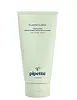
Colloidal Oatmeal 1%, Water, Squalane, Caprylic/Capric Triglyceride, Glycerin, Hydrogenated Sunflower Seed Oil Polyglyceryl-3 Esters, Hydroxystearic/Linolenic/Oleic Polyglycerides, Butyrospermum Parkii Butter, Jojoba Esters, Ceramide NP, Tocopherol, Sodium Phytate, Hydrogenated Sunflower Seed Oil Glyceryl Esters, Cetearyl Alcohol, Propanediol, Hydroxyacetophenone, Sodium Stearoyl Lactylate, Xanthan Gum, Ethylhexylglycerin, Potassium Sorbate, Citric Acid
Reviews
Ingredients Explained
These ingredients are found in both products.
Ingredients higher up in an ingredient list are typically present in a larger amount.
Caprylic/Capric Triglyceride (aka MCT Oil) is a lightweight emollient, solvent, and texture enhancer. It is considered a skin-softener by helping to prevent moisture loss.
Though it behaves like an oil, it is not technically one due to its chemical composition. One perk of this ingredient is that it is very stable, resistant to oxidation, and unlikely to go rancid.
In practice, that translates to a long shelf life and a consistently elegant skin feel.
While there is an assumption Caprylic Triglyceride can clog pores due to it being derived from coconut oil, there is no research supporting this. Just patch test if you have concerns.
Fractionated coconut oil and MCT Oil are both listed as Caprylic/Capric Triglyceride according to INCI. This is because INCI names are based on the ingredient’s final chemical composition and not its marketing name or source.
This ingredient is treated as the gold standard fungal acne safe oil. Even though it is coconut derived, the problematic lauric acid is stripped out.
This leaves just caprylic (C8) and capric (C10) acid. These chain lengths actually trend antifungal; a 2020 study found caprylic acid was enough to disrupt Malassezia furfur cell membrane, with a caprylic acid derivative damaging membrane structures at concentrations as low as 0.2%.
Learn more about Caprylic/Capric TriglycerideGlycerin (or glycerol) is a compound naturally found in your skin. It's a powerhouse humectant that pulls water into the stratum corneum.
Topically, glycerin does several things at once:
Your skin makes glycerin on its own (mostly from sebaceous oil breakdown) and shuttles it to your outermost layer of skin, or your epidermis, via aquaporin-3.
Aquaporin-3 is a transporter that is essential for normal skin hydration, elasticity, and repair. Interestingly, mice lacking in AQP3 have dry and less elastic skin that can be fully corrected with glycerin.
This ingredient is non-irritating, plays well with almost every ingredient, and works across all skin types. Typical use is anywhere between 3-10% but can go up to 79% in some leave-on products.
Just know very high concentrations (>40%) can feel tacky in low humidity.
Glycerin is the name for this ingredient in American English. British English uses Glycerol/Glycerine.
Learn more about GlycerinHydroxyacetophenone is a small phenolic molecule that earns its place in a formulas as an antioxidant and preservative booster.
As a phenol, it is able to neutralize free radicals to protect both the product and the skin from oxidative stress.
Though it can't kill microbes on its own, it works as a good supporting agent when combined with other preservatives like Phenoxyethanol or 1,2-Hexanediol.
This ingredient naturally occurs as piceol in Norwegian spruce needles (~0.4-1.1% dry weight and in cloudberries). Though the cosmetic-grade material is synthesized for purity and consistency.
You'll usually see it used at low levels and suppliers recommend up to 1% added to a water phase.
Safety testing was done at concentrations like 0.05% in SPF products and 0.5% in a Human Repeated Insult Patch Test. The safety evidence is assuring; this ingredient is safe for cosmetics in current use and also holds safety status as a food flavoring as well.
An honest caveat: the "soothing" and "anti-inflammatory" claims come mostly from supplier marketing rather than published clinical trials. The Cosmetic Ingredient Review's own literature search found no useful efficacy studies on this ingredient.
So the antioxidant and preservative-boosting roles are the well supported ones while the calming benefit is plausible but thinly evidenced.
Overall, this is a well-tolerated, low-irritation multitasker that quietly helps a formula stay fresh and stable.
Learn more about HydroxyacetophenonePotassium Sorbate is a preservative used to prevent yeast and mold in products. It is commonly found in both cosmetic and food products.
This ingredient comes from potassium salt derived from sorbic acid. Sorbic acid is a natural antibiotic and effective against fungus.
Both potassium sorbate and sorbic acid can be found in baked goods, cheeses, dried meats, dried fruit, ice cream, pickles, wine, yogurt, and more.
You'll often find this ingredient used with other preservatives.
Learn more about Potassium SorbatePropanediol is an all-star ingredient. It softens, hydrates, and smooths the skin.
It’s often used to:
Propanediol is not likely to cause sensitivity and considered safe to use. It is derived from corn or petroleum with a clear color and no scent.
Learn more about PropanediolSodium Phytate is the sodium salt of Phytic acid, a compound that plants store phosphorus in. It's the plant-derived alternative to ingredients like Disodium EDTA.
In skincare, this ingredient is a chelator that grabs onto trace metal ions like iron and copper that sneak into formulas through water/raw materials.
Those metals speed up oxidation so binding them keeps oils, fragrance, and actives from going off, stops color changes, and helps the preservative system work harder.
Survey data shows usage levels range from 0.0099%-0.5% in leave-on products, 0.025%-0.3% in rinse-off, and up to 0.05% in eye-area products. Suppliers typically recommend a range between 0.05-0.5%.
Learn more about Sodium PhytateWater. It's the most common cosmetic ingredient of all. You'll usually see it at the top of ingredient lists, meaning that it makes up the largest part of the product.
So why is it so popular? Water most often acts as a solvent - this means that it helps dissolve other ingredients into the formulation.
You'll also recognize water as that liquid we all need to stay alive. If you see this, drink a glass of water. Remember to stay hydrated!
Learn more about WaterXanthan gum is used as a stabilizer and thickener within cosmetic products. It helps give products a sticky, thick feeling - preventing them from being too runny.
On the technical side of things, xanthan gum is a polysaccharide - a combination consisting of multiple sugar molecules bonded together.
Xanthan gum is a pretty common and great ingredient. It is a natural, non-toxic, non-irritating ingredient that is also commonly used in food products.
Learn more about Xanthan Gum

