

What's inside
What's inside
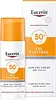 Key Ingredients
Benefits
Concerns
Ingredients Side-by-side
Water
Skin ConditioningHomosalate
Skin Conditioning

Polymethylsilsesquioxane

Butyl Methoxydibenzoylmethane
UV Absorber

Ethylhexyl Salicylate
UV Absorber
Octocrylene
UV Absorber
Alcohol Denat.
Antimicrobial


Tapioca Starch
Phenylbenzimidazole Sulfonic Acid
UV Absorber
Cyclomethicone
Emollient
Behenyl Alcohol
Emollient
Cetearyl Alcohol
Emollient

Methylpropanediol
SolventSilica Dimethyl Silylate
EmollientGlycerin
Humectant



Carnitine
CleansingGlycyrrhetinic Acid
Skin ConditioningGlycyrrhiza Inflata Root Extract
Skin ConditioningSodium Stearoyl Glutamate
CleansingAcrylates/C10-30 Alkyl Acrylate Crosspolymer
Emulsion StabilisingCarbomer
Emulsion StabilisingXanthan Gum
EmulsifyingSodium Hydroxide
BufferingSodium Chloride
Masking
Trisodium EDTA
Ethylhexylglycerin
Skin ConditioningPhenoxyethanol
Preservative
Water, Homosalate, Polymethylsilsesquioxane, Butyl Methoxydibenzoylmethane, Ethylhexyl Salicylate, Octocrylene, Alcohol Denat., Tapioca Starch, Phenylbenzimidazole Sulfonic Acid, Cyclomethicone, Behenyl Alcohol, Cetearyl Alcohol, Methylpropanediol, Silica Dimethyl Silylate, Glycerin, Carnitine, Glycyrrhetinic Acid, Glycyrrhiza Inflata Root Extract, Sodium Stearoyl Glutamate, Acrylates/C10-30 Alkyl Acrylate Crosspolymer, Carbomer, Xanthan Gum, Sodium Hydroxide, Sodium Chloride, Trisodium EDTA, Ethylhexylglycerin, Phenoxyethanol
Water
Skin ConditioningDibutyl Adipate
EmollientMethylpropanediol
SolventTerephthalylidene Dicamphor Sulfonic Acid
UV Absorber
1,2-Hexanediol
Skin Conditioning
Ethylhexyl Triazone
UV Absorber
Glycerin
Humectant
Niacinamide
Smoothing







Polysilicone-15
UV Filter
Tromethamine
BufferingCaprylyl Methicone
Skin Conditioning
Polyglyceryl-3 Distearate
Emulsifying
Butylene Glycol
Humectant
Cetearyl Alcohol
Emollient
Diethylamino Hydroxybenzoyl Hexyl Benzoate
UV Filter
Dipropylene Glycol
HumectantPoly C10-30 Alkyl Acrylate
Emulsion StabilisingPalmitic Acid
Emollient
Dimethicone
Emollient
Stearic Acid
Cleansing
Bis-Ethylhexyloxyphenol Methoxyphenyl Triazine
Skin Conditioning
Glyceryl Stearate
Emollient
Potassium Cetyl Phosphate
EmulsifyingSilica
Abrasive
Polyether-1
Carbomer
Emulsion StabilisingAmmonium Acryloyldimethyltaurate/Vp Copolymer
Glyceryl Stearate Citrate
Emollient
Dimethicone/Vinyl Dimethicone Crosspolymer
Skin Conditioning
Acrylates/C10-30 Alkyl Acrylate Crosspolymer
Emulsion StabilisingMelia Azadirachta Leaf Extract
Skin ConditioningEthylhexylglycerin
Skin ConditioningPolyglyceryl-10 Myristate
Skin Conditioning
Adenosine
Skin Conditioning
Melia Azadirachta Flower Extract
Skin ConditioningDisodium EDTA
Cynanchum Atratum Extract
Skin ConditioningBetaine
Humectant
Coccinia Indica Fruit Extract
Skin ConditioningCorallina Officinalis Extract
Skin Conditioning
Arginine
Masking
Sodium Hyaluronate
Humectant
Centella Asiatica Extract
Cleansing
Water, Dibutyl Adipate, Methylpropanediol, Terephthalylidene Dicamphor Sulfonic Acid, 1,2-Hexanediol, Ethylhexyl Triazone, Glycerin, Niacinamide, Polysilicone-15, Tromethamine, Caprylyl Methicone, Polyglyceryl-3 Distearate, Butylene Glycol, Cetearyl Alcohol, Diethylamino Hydroxybenzoyl Hexyl Benzoate, Dipropylene Glycol, Poly C10-30 Alkyl Acrylate, Palmitic Acid, Dimethicone, Stearic Acid, Bis-Ethylhexyloxyphenol Methoxyphenyl Triazine, Glyceryl Stearate, Potassium Cetyl Phosphate, Silica, Polyether-1, Carbomer, Ammonium Acryloyldimethyltaurate/Vp Copolymer, Glyceryl Stearate Citrate, Dimethicone/Vinyl Dimethicone Crosspolymer, Acrylates/C10-30 Alkyl Acrylate Crosspolymer, Melia Azadirachta Leaf Extract, Ethylhexylglycerin, Polyglyceryl-10 Myristate, Adenosine, Melia Azadirachta Flower Extract, Disodium EDTA, Cynanchum Atratum Extract, Betaine, Coccinia Indica Fruit Extract, Corallina Officinalis Extract, Arginine, Sodium Hyaluronate, Centella Asiatica Extract
Reviews
Ingredients Explained
These ingredients are found in both products.
Ingredients higher up in an ingredient list are typically present in a larger amount.
Acrylates/C10-30 Alkyl Acrylate Crosspolymer is a synthetic polymer. It is used to thicken and improve the texture of products. Due to its properties, it can prevent water and oil ingredients from separating.
Carbomer is a polymer of acrylic acid. Its main role is to create a gel consistency.
A high amount of carbomer can cause pilling or balling up of products. Don't worry, most products contain 1% or less of carbomer.
Cetearyl alcohol is a mixture of two fatty alcohols: cetyl alcohol and stearyl alcohol. It is mainly used as an emulsifier. Emulsifiers help prevent the separation of oils and products. Due to its composition, it can also be used to thicken a product or help create foam.
Cetearyl alcohol is an emollient. Emollients help soothe and hydrate the skin by trapping moisture.
Studies show Cetearyl alcohol is non-toxic and non-irritating. The FDA allows products labeled "alcohol-free" to have fatty alcohols.
This ingredient is usually derived from plant oils such as palm, vegetable, or coconut oils. There is debate on whether this ingredient will cause acne.
Due to the fatty acid base, this ingredient may not be Malassezia folliculitis safe.
Learn more about Cetearyl AlcoholEthylhexylglycerin (we can't pronounce this either) is commonly used as a preservative and skin softener. It is derived from glyceryl.
You might see Ethylhexylglycerin often paired with other preservatives such as phenoxyethanol. Ethylhexylglycerin has been found to increase the effectiveness of these other preservatives.
Glycerin is already naturally found in your skin. It helps moisturize and protect your skin.
A study from 2016 found glycerin to be more effective as a humectant than AHAs and hyaluronic acid.
As a humectant, it helps the skin stay hydrated by pulling moisture to your skin. The low molecular weight of glycerin allows it to pull moisture into the deeper layers of your skin.
Hydrated skin improves your skin barrier; Your skin barrier helps protect against irritants and bacteria.
Glycerin has also been found to have antimicrobial and antiviral properties. Due to these properties, glycerin is often used in wound and burn treatments.
In cosmetics, glycerin is usually derived from plants such as soybean or palm. However, it can also be sourced from animals, such as tallow or animal fat.
This ingredient is organic, colorless, odorless, and non-toxic.
Glycerin is the name for this ingredient in American English. British English uses Glycerol/Glycerine.
Learn more about GlycerinMethylpropanediol is a synthetic solvent and humectant.
As a solvent, it helps dissolve other ingredients, helping to evenly distribute ingredients throughout the product. This ingredient has also been shown to have antimicrobial properties which makes it a preservative booster.
Methylpropanediol is able to add a bit of moisture to the skin. It also helps other ingredients be better absorbed into the skin, such as salicylic acid.
Learn more about MethylpropanediolWater. It's the most common cosmetic ingredient of all. You'll usually see it at the top of ingredient lists, meaning that it makes up the largest part of the product.
So why is it so popular? Water most often acts as a solvent - this means that it helps dissolve other ingredients into the formulation.
You'll also recognize water as that liquid we all need to stay alive. If you see this, drink a glass of water. Stay hydrated!
Learn more about Water
