Etude House Soon Jung Hydro Barrier Cream Versus Haruharu Wonder Centella Phyto & 5 Peptide Concentrate Cream
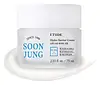
This barrier-repair moisturizer is formulated around Panthenol and Madecassoside to strengthen the skin barrier and hydrate skin.
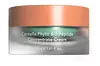
This anti-aging moisturizer is formulated around Centella Asiatica Extract and Madecassoside to soften the look of wrinkles and calm redness.

What's inside
What's inside
 Key Ingredients
Benefits
Concerns
Ingredients Side-by-side
Water
Skin ConditioningGlycerin
Humectant


Propanediol
Solvent
Panthenol
Skin Conditioning

Pentaerythrityl Tetraethylhexanoate
Emollient
Hydrogenated Poly(C6-14 Olefin)
Emollient1,2-Hexanediol
Skin Conditioning
Polymethylsilsesquioxane

Ammonium Acryloyldimethyltaurate/Vp Copolymer
Trehalose
Humectant
Glyceryl Stearate Citrate
Emollient

Hydroxyethyl Acrylate/Sodium Acryloyldimethyl Taurate Copolymer
Emulsion StabilisingC14-22 Alcohols
Emulsion Stabilising
Arachidyl Alcohol
Emollient
Glyceryl Stearate
Emollient
Glyceryl Caprylate
EmollientBehenyl Alcohol
Emollient
C12-20 Alkyl Glucoside
EmulsifyingEthylhexylglycerin
Skin ConditioningArachidyl Glucoside
EmulsifyingButylene Glycol
Humectant
Disodium EDTA
ChelatingSorbitan Isostearate
Emulsifying
Allantoin
Skin Conditioning
Madecassoside
Antioxidant

Scutellaria Baicalensis Root Extract
Astringent
Glucose
Humectant
Camellia Sinensis Leaf Extract
Antimicrobial


Tocopherol
Antioxidant

Water, Glycerin, Propanediol, Panthenol, Pentaerythrityl Tetraethylhexanoate, Hydrogenated Poly(C6-14 Olefin), 1,2-Hexanediol, Polymethylsilsesquioxane, Ammonium Acryloyldimethyltaurate/Vp Copolymer, Trehalose, Glyceryl Stearate Citrate, Hydroxyethyl Acrylate/Sodium Acryloyldimethyl Taurate Copolymer, C14-22 Alcohols, Arachidyl Alcohol, Glyceryl Stearate, Glyceryl Caprylate, Behenyl Alcohol, C12-20 Alkyl Glucoside, Ethylhexylglycerin, Arachidyl Glucoside, Butylene Glycol, Disodium EDTA, Sorbitan Isostearate, Allantoin, Madecassoside, Scutellaria Baicalensis Root Extract, Glucose, Camellia Sinensis Leaf Extract, Tocopherol
Water
Skin ConditioningGlycerin
Humectant
Butylene Glycol
Humectant
Caprylic/Capric Triglyceride
Masking
Helianthus Annuus Seed Oil
Emollient
Polyglyceryl-3 Distearate
Emulsifying
1,2-Hexanediol
Skin Conditioning
Cetyl Alcohol
Emollient
Cetyl Palmitate
Emollient
Ammonium Acryloyldimethyltaurate/Vp Copolymer
Sorbitan Palmitate
Emulsifying
Sorbitan Olivate
Emulsifying
Glyceryl Stearate
Emollient
Stearyl Alcohol
Emollient
Xanthan Gum
EmulsifyingGlyceryl Stearate Citrate
Emollient
Myristyl Alcohol
Emollient


Squalane
Emollient
Caffeine
Skin Conditioning
Hydrolyzed Soy Protein
Humectant
Hydrogenated Lecithin
Emulsifying
Pentylene Glycol
Skin Conditioning
Ethylhexylglycerin
Skin ConditioningAdenosine
Skin Conditioning
Butyrospermum Parkii Butter
Skin Conditioning
Phytosterols
Skin Conditioning
Lauryl Alcohol
Emollient
Centella Asiatica Extract
Cleansing
Hydrolyzed Pea Protein
EmollientMadecassoside
Antioxidant
Asiaticoside
Antioxidant
Caprylyl Glycol
Emollient
Xylitylglucoside
Humectant
Anhydroxylitol
Humectant
Copper Tripeptide-1
Skin Conditioning
Xylitol
Humectant
Acetyl Hexapeptide-8
Humectant
Asiatic Acid
Skin Conditioning
Madecassic Acid
Skin Conditioning
Glucose
Humectant
Ceramide NP
Skin Conditioning
Hippophae Rhamnoides Fruit Extract
Skin Conditioning
Oligopeptide-32
Antiseborrhoeic
Oligopeptide-29
Antioxidant
Palmitoyl Pentapeptide-4
Skin Conditioning
Water, Glycerin, Butylene Glycol, Caprylic/Capric Triglyceride, Helianthus Annuus Seed Oil, Polyglyceryl-3 Distearate, 1,2-Hexanediol, Cetyl Alcohol, Cetyl Palmitate, Ammonium Acryloyldimethyltaurate/Vp Copolymer, Sorbitan Palmitate, Sorbitan Olivate, Glyceryl Stearate, Stearyl Alcohol, Xanthan Gum, Glyceryl Stearate Citrate, Myristyl Alcohol, Squalane, Caffeine, Hydrolyzed Soy Protein, Hydrogenated Lecithin, Pentylene Glycol, Ethylhexylglycerin, Adenosine, Butyrospermum Parkii Butter, Phytosterols, Lauryl Alcohol, Centella Asiatica Extract, Hydrolyzed Pea Protein, Madecassoside, Asiaticoside, Caprylyl Glycol, Xylitylglucoside, Anhydroxylitol, Copper Tripeptide-1, Xylitol, Acetyl Hexapeptide-8, Asiatic Acid, Madecassic Acid, Glucose, Ceramide NP, Hippophae Rhamnoides Fruit Extract, Oligopeptide-32, Oligopeptide-29, Palmitoyl Pentapeptide-4
Reviews
Ingredients Explained
These ingredients are found in both products.
Ingredients higher up in an ingredient list are typically present in a larger amount.
1,2-Hexanediol is a synthetic liquid and another multi-functional powerhouse.
It is a:
- Humectant, drawing moisture into the skin
- Emollient, helping to soften skin
- Solvent, dispersing and stabilizing formulas
- Preservative booster, enhancing the antimicrobial activity of other preservatives
Ammonium Acryloyldimethyltaurate/Vp Copolymer is a synthetically created polymer. It's used as a film-forming agent and used to thicken the consistency of products.
Think of it as a supportive ingredient that helps your gel-creams feel silky, "cloud cream-like", and spread evenly without being greasy.
The Cosmetic Ingredient Review (CIR) Expert Panel evaluated it (along with 22 other acryloyldimethyltaurate polymers) and concluded it's:
Due to its large molecular size, it sits on the surface of skin rather than penetrating it.
Learn more about Ammonium Acryloyldimethyltaurate/Vp CopolymerButylene Glycol (or BG) is used within cosmetic products for a few different reasons:
Overall, Butylene Glycol is a safe and well-rounded ingredient that works well with other ingredients.
Though this ingredient works well with most skin types, some people with sensitive skin may experience a reaction such as allergic rashes, closed comedones, or itchiness.
Learn more about Butylene GlycolEthylhexylglycerin is created from glycerin. It is a multitasker ingredient that:
The CIR Expert Panel found minimal skin absorption or sensitization of any kind in a safety assessment. Though this ingredient is considered well-tolerated, a small number of cases of allergic dermatitis have been published since 2002. Just be sure to patch test if you are unsure.
Industry-reported use ranges from 8% in rinse-off products and 2% in leave-on formulations.
Learn more about EthylhexylglycerinGlucose is a simple sugar (a monosaccharide). In skincare, it is mostly a humectant and skin conditioning agent.
Mechanistically, it has multiple hydroxyl groups that hydrogen-bond to water. This pulls moisture into the upper layers of skin to keep the surface soft and hydrated.
It's worth knowing sugars are already a natural component of the skin's NMF (natural moisturizing factor) so it's a molecule that your stratum corneum is well-acquainted with.
Just so you know, glucose is hydrophilic (water-loving) and the stratum corneum is a strong barrier to hydrophilic compounds. This just means penetration is slow and most of the action is happening on the surface.
Gram-to-gram, glucose is not as efficient as a humectant as glycerin. This is why you'll likely see glycose paired with stronger humectants for a bigger hydration payoff.
In skincare, glucose is typically derived from corn or other starch sources.
Learn more about GlucoseGlycerin (or glycerol) is a compound naturally found in your skin. It's a powerhouse humectant that pulls water into the stratum corneum.
Topically, glycerin does several things at once:
Your skin makes glycerin on its own (mostly from sebaceous oil breakdown) and shuttles it to your outermost layer of skin, or your epidermis, via aquaporin-3.
Aquaporin-3 is a transporter that is essential for normal skin hydration, elasticity, and repair. Interestingly, mice lacking in AQP3 have dry and less elastic skin that can be fully corrected with glycerin.
This ingredient is non-irritating, plays well with almost every ingredient, and works across all skin types. Typical use is anywhere between 3-10% but can go up to 79% in some leave-on products.
Just know very high concentrations (>40%) can feel tacky in low humidity.
Glycerin is the name for this ingredient in American English. British English uses Glycerol/Glycerine.
Learn more about GlycerinGlyceryl Stearate is made by reacting glycerin with stearic acid (typically sourced from plant oils like palm or coconut). It's an emulsifier, emollient, and mild occlusive.
Emulsifiers help ingredients like oil and water stay mixed so your formula stays nicely blended and uniform in texture.
This ingredient is typically used in concentrations between 1-10%. Studies have found it to be non-sensitizing, non-phototoxic, and non-photoallergenic.
A close cousin of this ingredient is Glyceryl Stearate SE ("self-emulsifying"). This just has a small amount of sodium or potassium stearate added so it can emulsify without a co-emulsifier.
Since this ingredient is an ester of a C18 fatty acid, it may not be fungal acne safe. The Malassezia yeast can potentially metabolize within the C11-C24 range.
Fun fact: The human body also creates Glyceryl Stearate naturally.
Learn more about Glyceryl StearateGlyceryl Stearate Citrate is a citric acid ester of glyceryl stearate.
It is an emulsifier, emollient, and a surfactant.
Emulsifiers help stabilize a product. It does this by preventing certain ingredients from separating. Common ingredients include oils and water, which do not mix naturally. Emulsifiers have properties that help keep ingredients such as these together.
Emollients help soothe and soften the skin. They do this by creating a protective film on your skin. This barrier helps trap moisture and keeps your skin hydrated. Emollients may be effective at treating dry or itchy skin.
Surfactants help gather oils, dirt, and other pollutants from the skin. This helps them to be easily rinsed away.
Learn more about Glyceryl Stearate CitrateMadecassoside is one of four active compounds found in Centella asiatica and is one of the main reasons Centella is so effective at calming irritated skin and supporting the moisture barrier.
There's a solid body of peer-reviewed research backing Madecassoside for several skin benefits. Studies have found:
Madecassoside pairs well with other hydrating or antioxidant ingredients like Ascorbic Acid or Hyaluronic Acid.
Learn more about MadecassosideWater. It's the most common cosmetic ingredient of all. You'll usually see it at the top of ingredient lists, meaning that it makes up the largest part of the product.
So why is it so popular? Water most often acts as a solvent - this means that it helps dissolve other ingredients into the formulation.
You'll also recognize water as that liquid we all need to stay alive. If you see this, drink a glass of water. Remember to stay hydrated!
Learn more about Water

